If you’re going to Egypt, you’re no doubt interested in seeing some pyramids.
How could you not? They are some of the oldest and largest monuments ever built – the last surviving Ancient Wonders of the World.
But with over 100 pyramids scattered across the country, it can be hard to know where to start.
I’ve been to Egypt multiple times and have explored all of the pyramids that are open to visitors. Now I’ve created this guide to give you everything you need to do the same.
This guide covers all the pyramids you can visit in Egypt, including which ones are the best, which ones you can go inside, and how to reach them.
After you’ve read this guide, you’ll know everything you need to visit the pyramids in Egypt.
Contents
Egypt Pyramids Map
On the below map you’ll find the 7 main pyramids you can visit in Egypt.
A brief history of Egyptian pyramids
The pyramids of Egypt are among the most iconic historical sites in the world. But how did they come about? Not just how they were built, a topic that’s long been debated, but why they were built.
To answer that, we need to travel back thousands of years – long before Egypt’s first kingdoms.
At some point in their ancient past, the people living in this region noticed that bodies left in the arid desert climate would remain preserved for a long time. Soon the idea of preserving bodies after death became central to their culture and religion.
It also became common practice to bury the dead along with valuable items, believing that these accompanied the person into the afterlife. But with this came another problem: grave robbers.
In order to protect the dead and their valuables, the ancient Egyptians began building increasingly elaborate tombs, piling large slabs of stone over them to create what’s known as a mastaba.
Over time, these mastabas became not only a form of protection against would-be robbers, but also a symbol of wealth and status.
By the beginning of Egypt’s Old Kingdom (around 3100 BCE), the Saqqara Necropolis, lying just west of Egypt’s first capital of Memphis, became the main burial ground for Egyptian elite.
It was here that an idea for a new type of mastaba was born, one that involved stacking 6 mastabas on top of each other to create a towering, stepped structure. Completed during the 27th century BCE, and standing at 62m tall, this became the Step Pyramid of Djoser, the world’s first pyramid.
Djoser’s pyramid set off a new craze for Egyptian pharaohs. Soon work would begin on an even more ambitious project, to create a pyramid that was not stepped but rather smooth-sided – what we today call a ‘true’ pyramid.
Several attempts were made unsuccessfully, including the odd-shaped Bent Pyramid of Dahshur, but later in the 27th century BCE the Egyptians finally perfected pyramid-building by completing the Red Pyramid – the world’s first ‘true’ pyramid.
This triggered Egypt’s golden age of pyramid building.
Right away ground was cleared at Giza for what would become the largest pyramid ever built: the Great Pyramid of Khufu. Standing at 146m tall, it remained the tallest manmade structure over 3800 years.
Khufu’s successors, Khafre and Menkaure, would build 2 more pyramids at Giza, but, following this, pyramid building in Egypt would gradually decline.
Many more would be built, but never again would they match the size and grandeur of those at Giza. Many of the later pyramids were of such poor quality that today they are little more than mounds of rubble.
By the 18th century BCE, Egyptians had abandoned pyramid building entirely in favour of hidden rock-cut tombs, like those in the Valley of Kings, ending their roughly 1000 year pyramid-building phase.
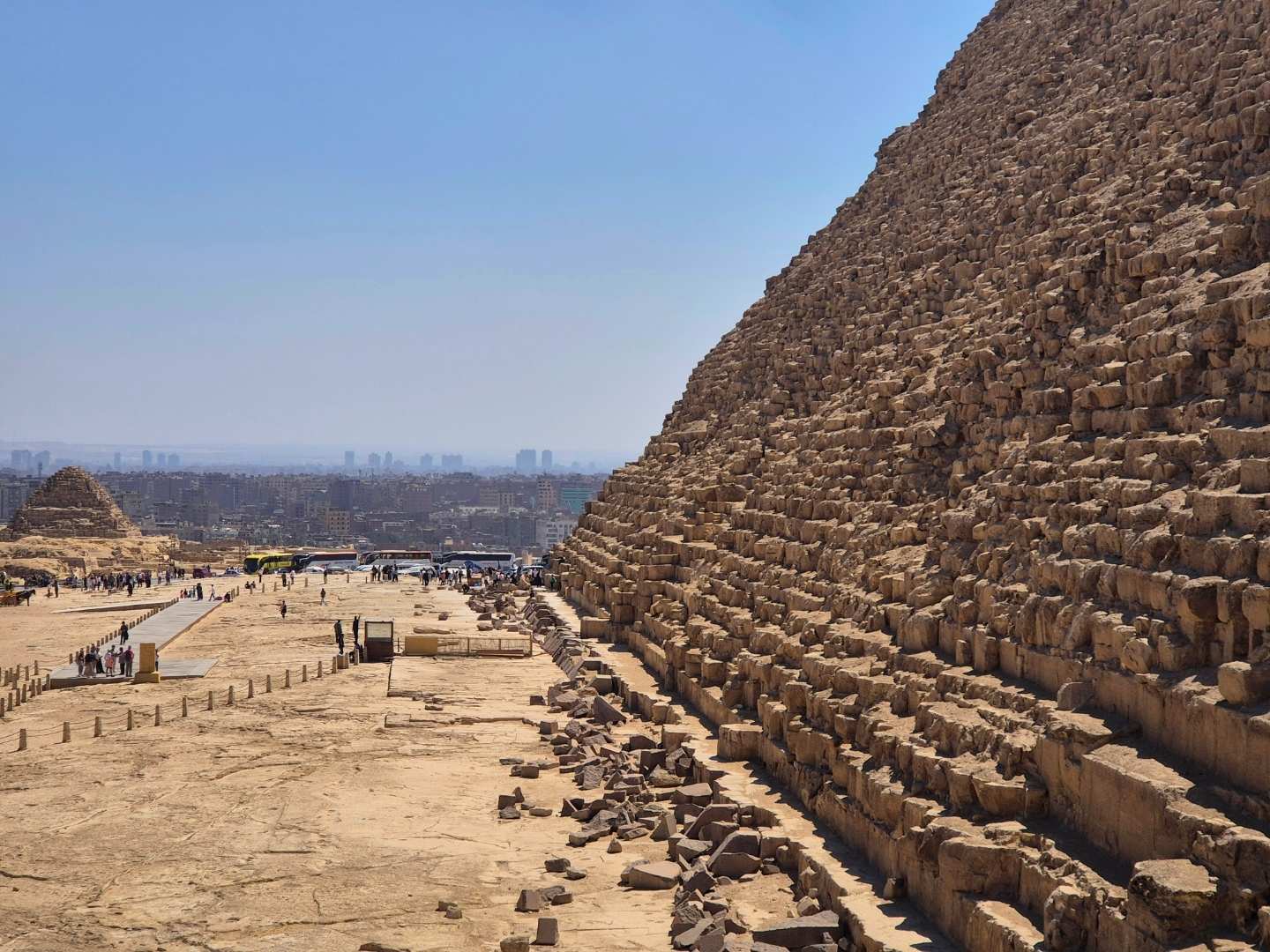
How many pyramids are there in Egypt?
There are at least 100 pyramids in Egypt.
It’s hard to say exactly. Many pyramids are so heavily eroded that they’re almost indistinguishable from natural formations, and new structures are constantly being uncovered from beneath the sands of the Sahara.
Among these 100+ pyramids, many are tiny, measuring only a few metres tall, and not something that comes to mind when one thinks of Egyptian pyramids.
So, when I say there are 100+ pyramids in Egypt, don’t feel overwhelmed. There are not 100+ historical sites for you to choose from. In fact, when you take away the many tiny pyramids, the ones you can only view from a distance, or the ones that are little more than rubble, there’s only about 7 main pyramids you can visit in Egypt.
All of these, with the exception of the Meidum Pyramid, are located within about 30km from each other along Egypt’s Pyramid Fields, a stretch of land along the west bank of the Nile where most of the building happened.
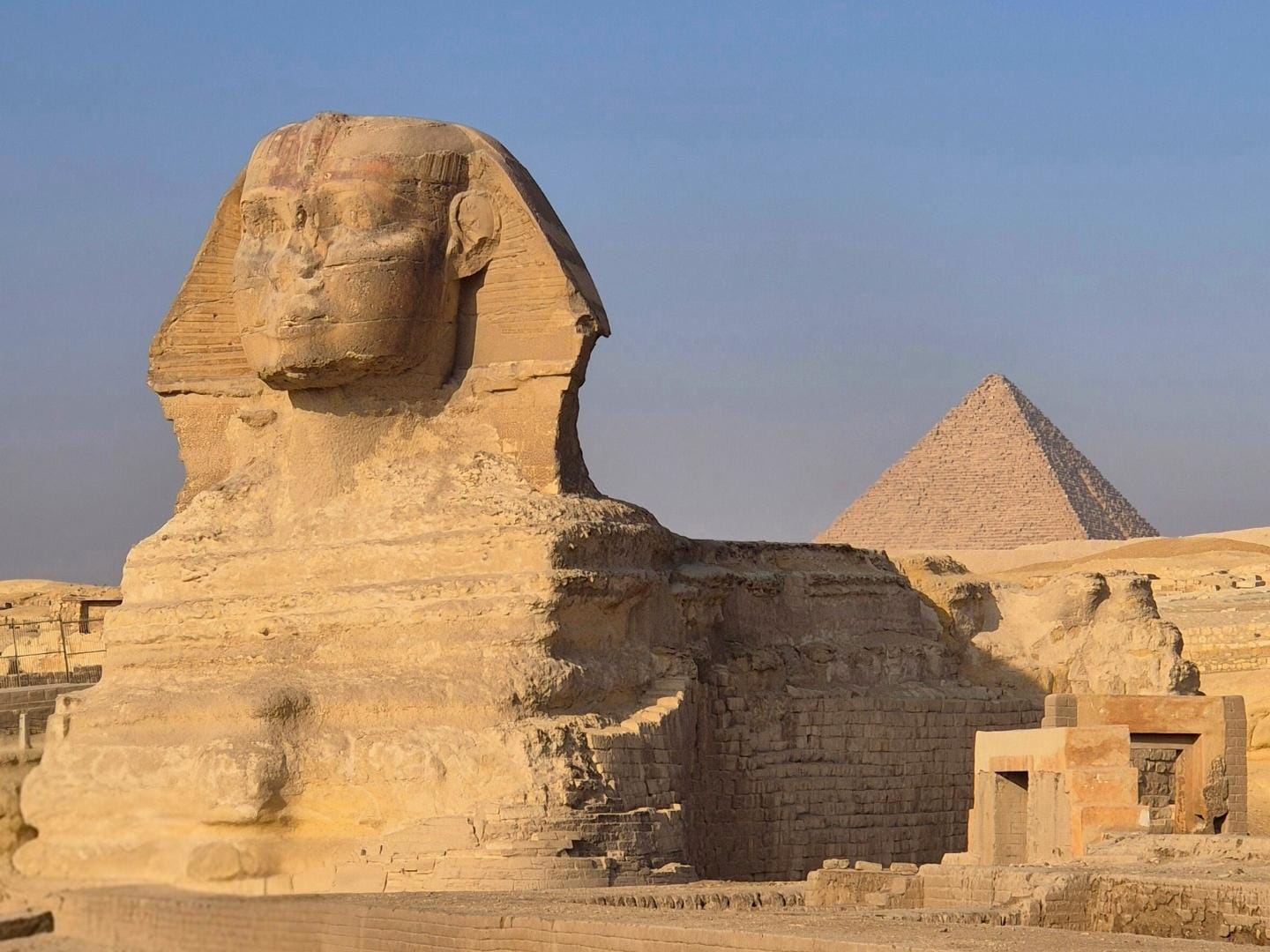
Pyramids you can visit in Egypt
The below list includes the 7 main pyramids you can visit in Egypt.
It doesn’t include the many small or heavily-eroded pyramids that can also be found across these sites. You’ll see many of these along the way but they aren’t your main reason for visiting so we won’t be listing them here.
Let’s start from Giza and make our way south down the Pyramid Fields…
Great Pyramid of Khufu
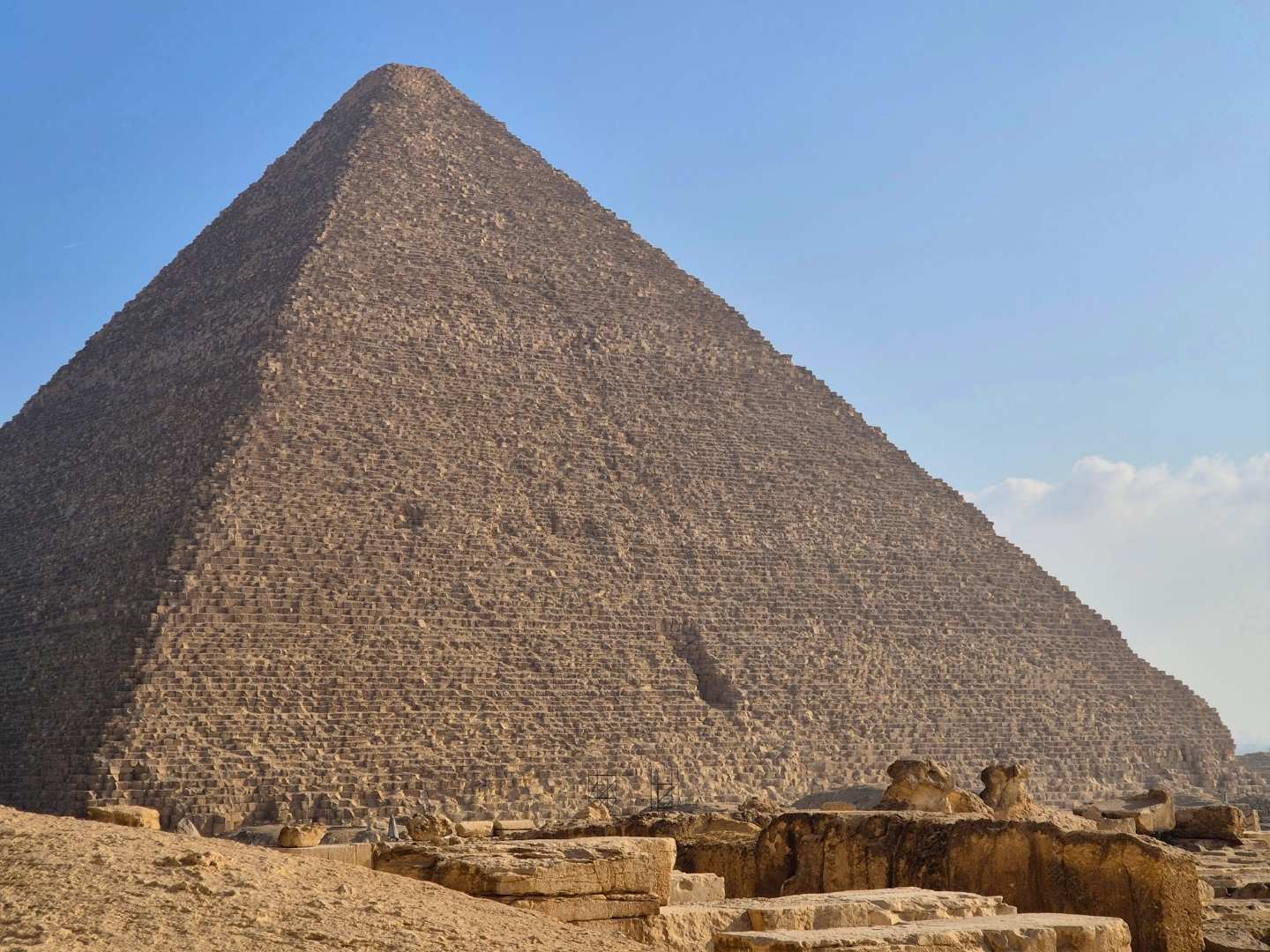
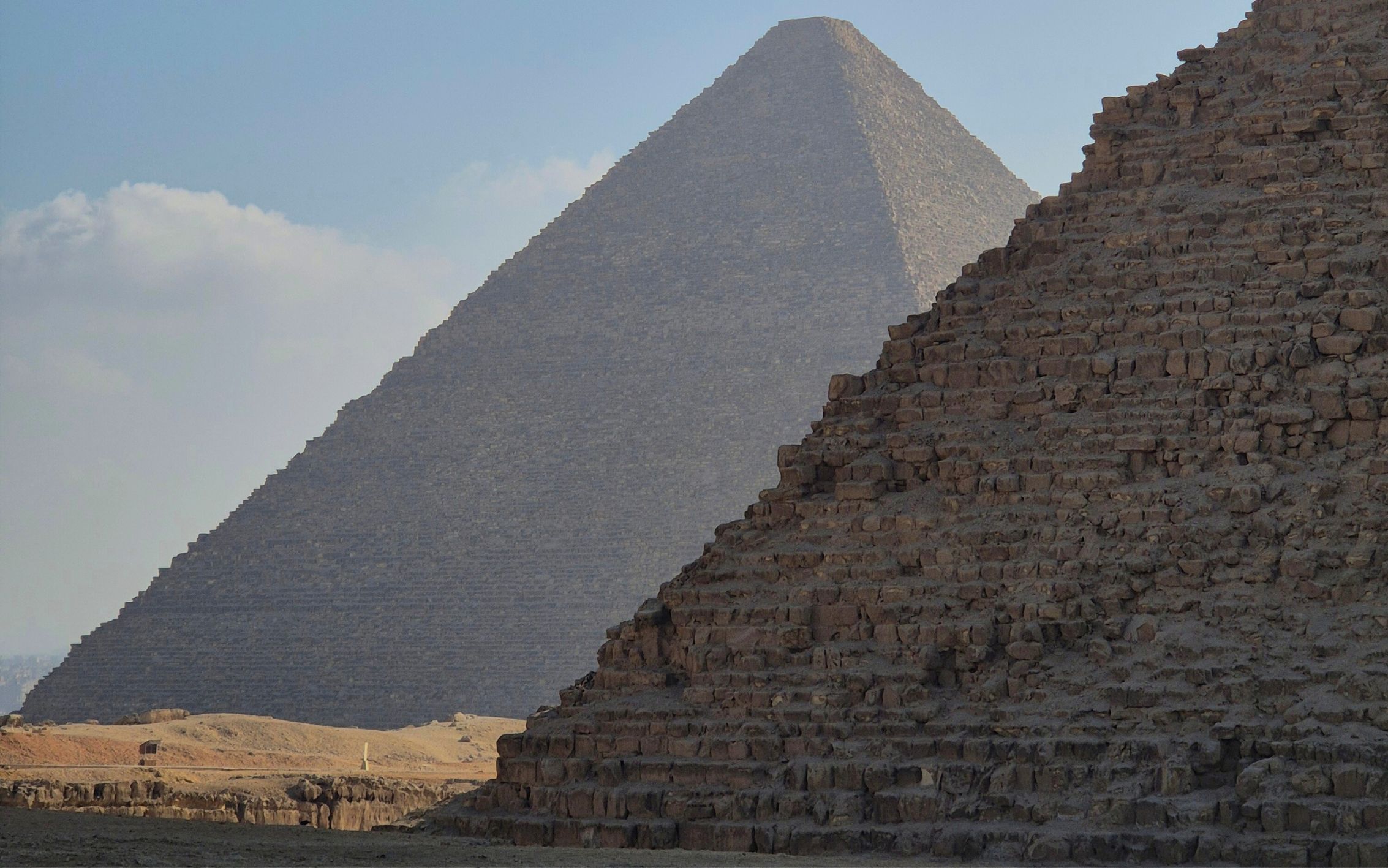
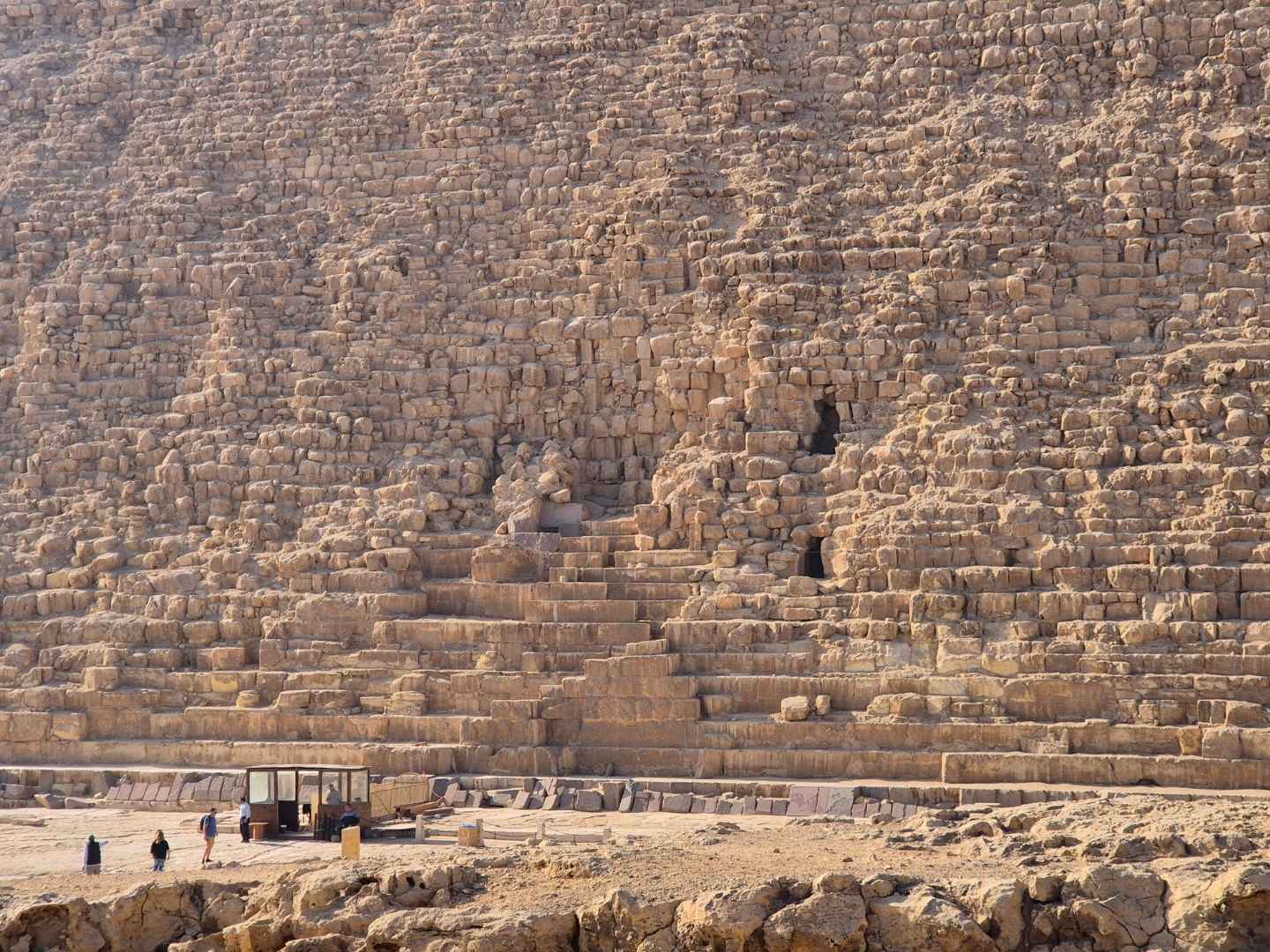
The 📍Great Pyramid needs little introduction. The last surviving Wonder of the Ancient World is Egypt’s star attraction and the most popular of the pyramids at Giza.
Built in the 26th century BCE for Pharaoh Khufu, the Great Pyramid originally stood at 146m tall (now 138m after losing its casing stones). At the time it was the tallest man-made structure on earth and remained so for over 3800 years.
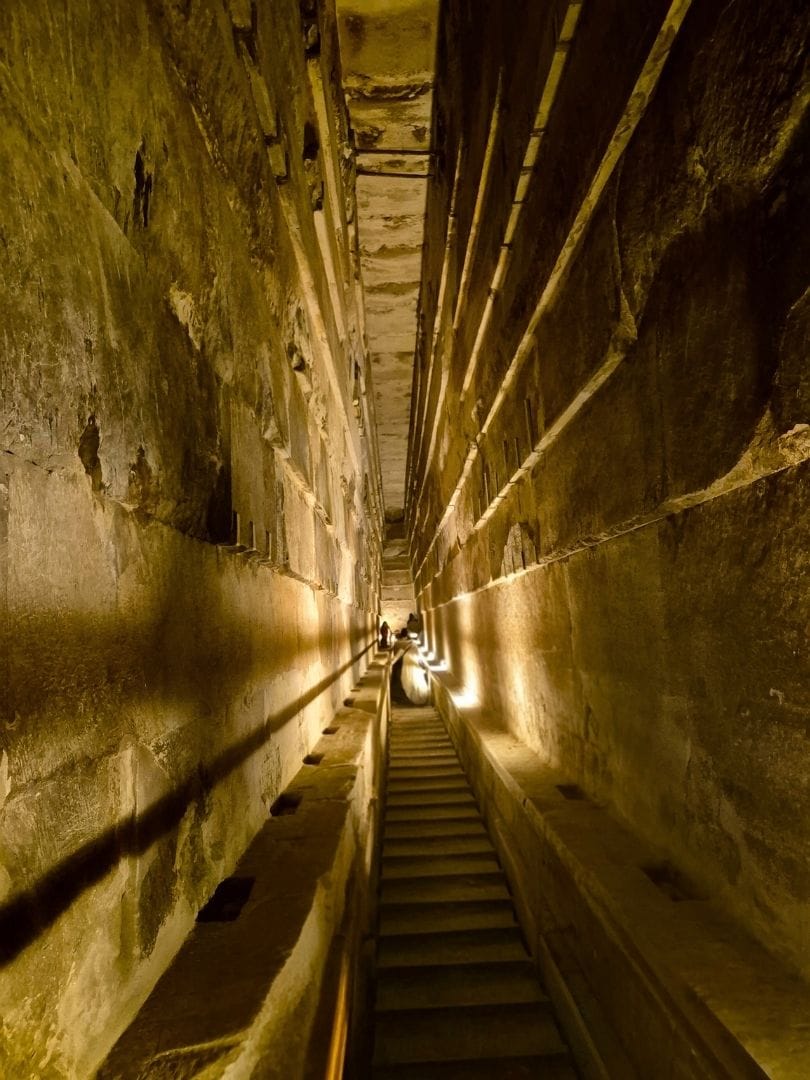
Not only is it the largest pyramid you can visit in Egypt, but it also has the most extensive interior. Within it are several passageways and chambers of varying sizes, and new ones are still being discovered.
If you want to go inside any pyramid in Egypt, the Great Pyramid is arguably the top choice. It’s certainly the most popular and crowded, but no other pyramid compares. Hiking up the Grand Gallery and standing by Khufu’s sarcophagus inside the King’s Chamber are unforgettable experiences.
Pyramid of Khafre
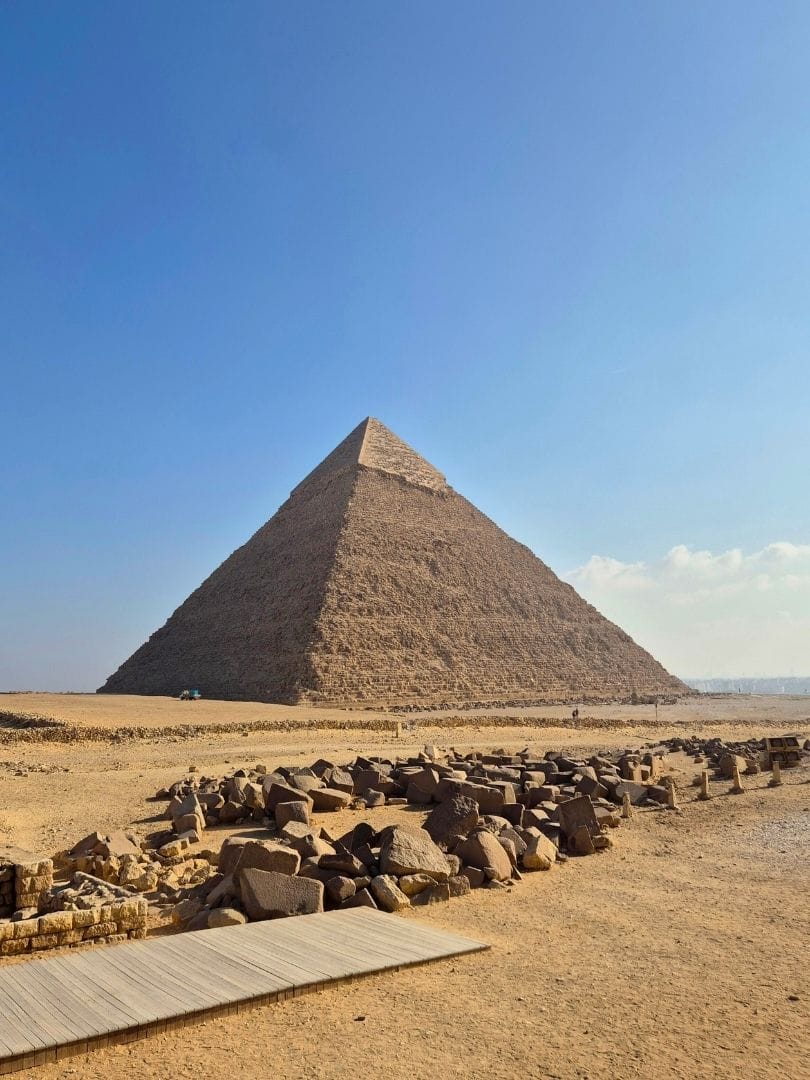
The other big pyramid you can visit at Giza is the 📍Pyramid of Khafre.
While it may appear to be the taller of the two, due to being built on slightly higher ground, Khafre’s pyramid stood at 143m tall when it was completed. It was built for Khufu’s successor, shortly after the Great Pyramid was finished, and stands in alignment with the Great Sphinx.
Uniquely, Khafre’s pyramid is one of the only in Egypt to still retain some of its casing stone, offering a glimpse into how the pyramid looked when it was first built.
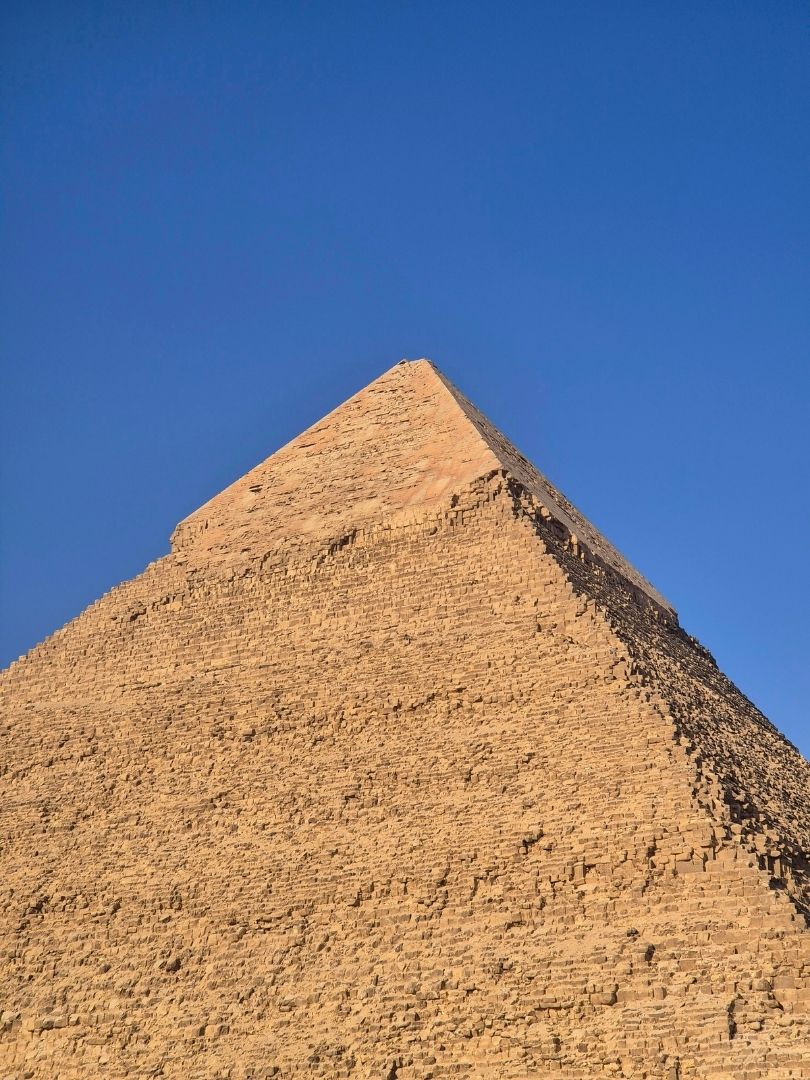
Like the Great Pyramid, visitors can also go inside Khafre’s pyramid. However, unlike the other, it’s not always open, and is instead alternated with the Pyramid of Menkaure.
If your visit to Giza happens to coincide with Khafre’s pyramid being open, it offers a quieter alternative to the Great Pyramid, although isn’t quite as impressive on the inside.
Pyramid of Menkaure
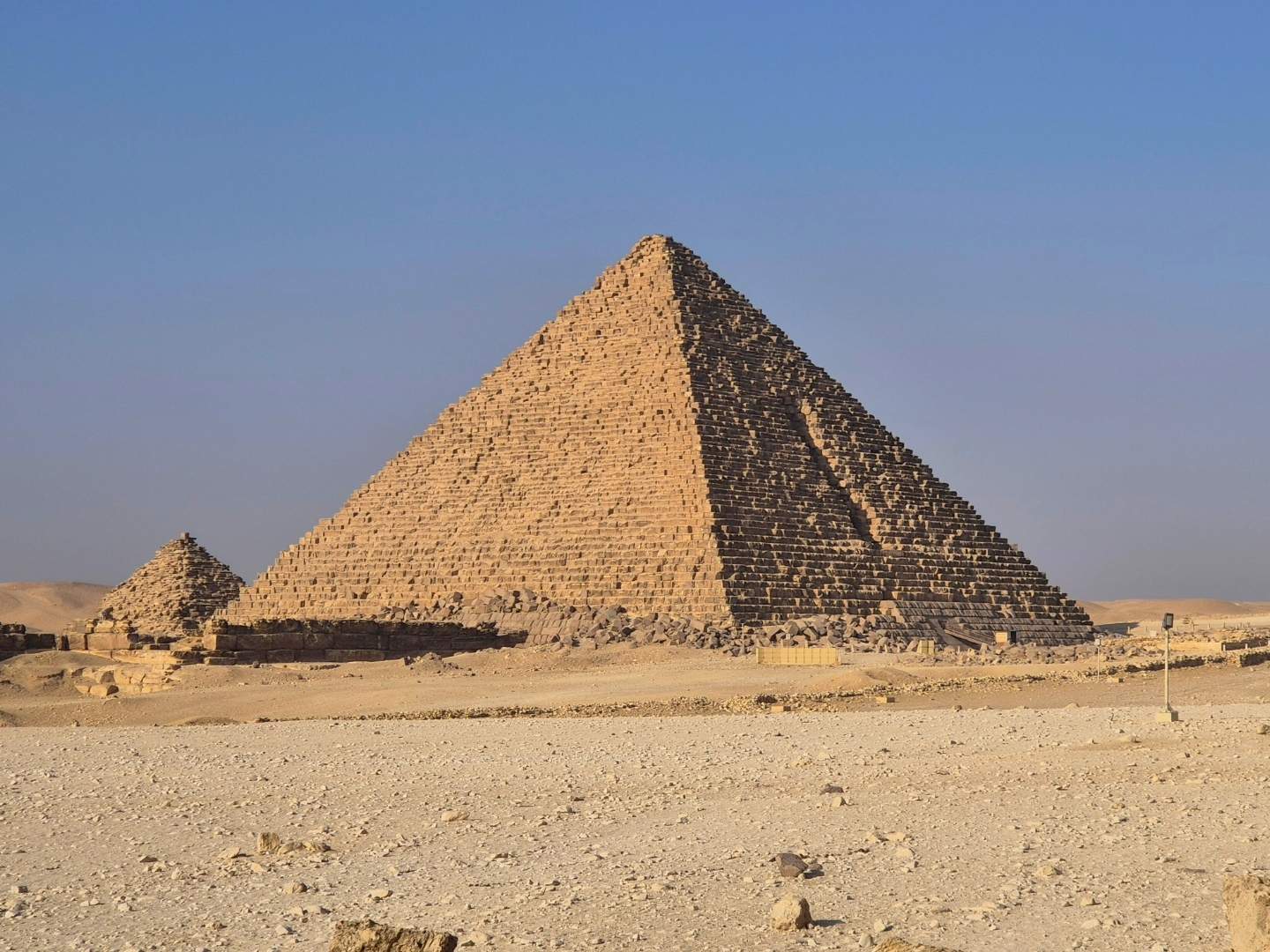
The third, and most overlooked, of Giza’s pyramids is the 📍Pyramid of Menkaure.
Built around the early 25th century BCE, Menkaure’s pyramid is the smallest of the 3 main pyramids at Giza, standing at only 65m tall. It was the last of the pyramids built at Giza, and the final from Egypt’s golden age of pyramid building.
Being overshadowed by its larger neighbors means that the Pyramid of Menkaure is a much quieter alternative. It may not be as impressive on the inside, but if you visit the pyramid as soon as the site opens, there’s a good chance you’ll have it all to yourself.
Planning to visit Egypt soon?
🛏 Booking hotels: Trip.com and Booking.com are the best resources for finding and booking hotels in Egypt.
🏄 Booking tours: Get Your Guide is the best resources for finding guided tours to Egypt’s historical sites.
🚅 Booking trains: Omio is the best online resource for booking long train journeys across Egypt.
🏥 Travel insurance: Heymondo covers medical, theft, cancellations and more in Egypt.
Step Pyramid of Djoser
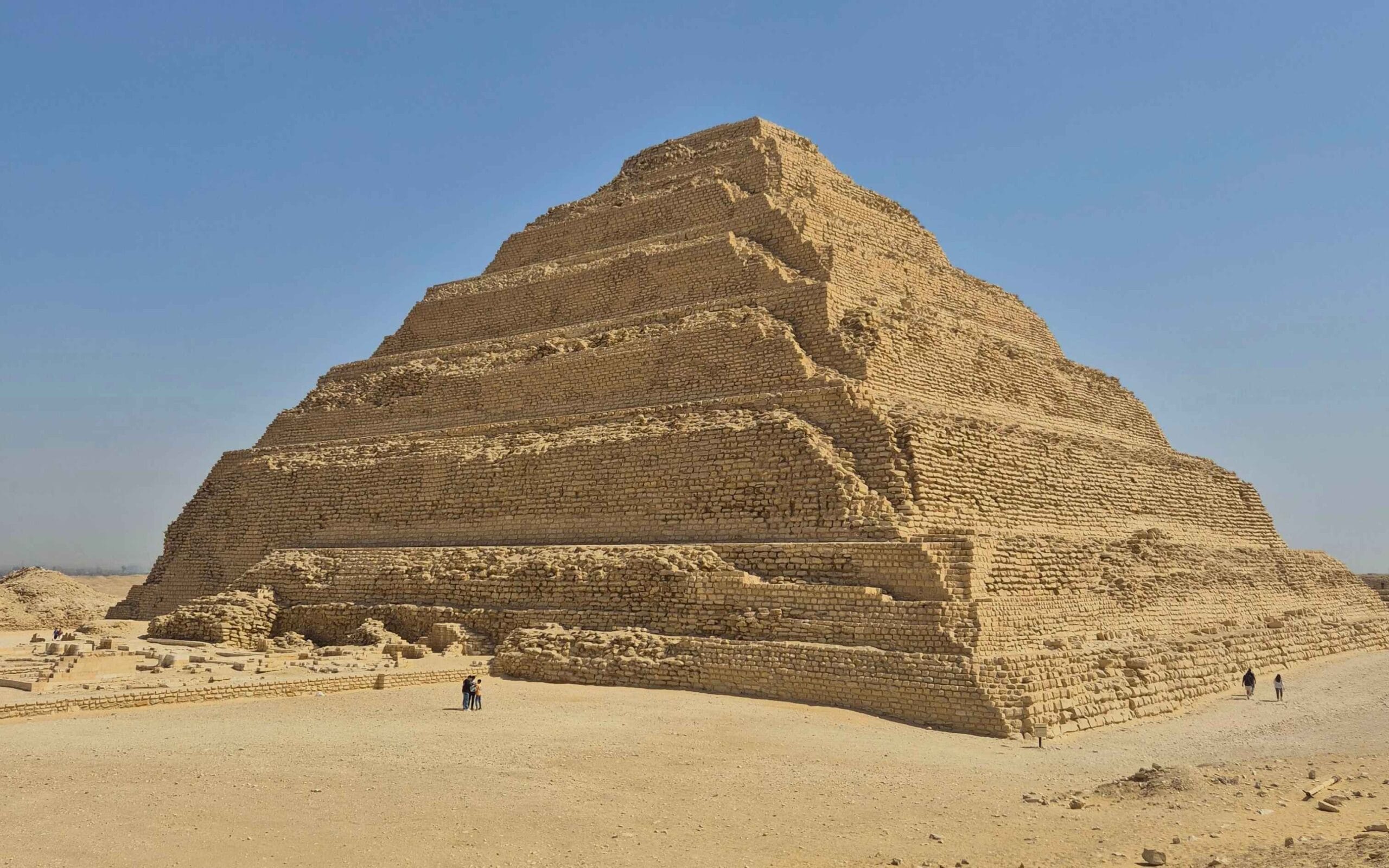
The 📍Step Pyramid of Djoser is the oldest pyramid in the world and marks the beginning of Egypt’s pyramid-building tradition.
Constructed in the 27th century BCE for Pharaoh Djoser (pronounced ‘Joss-er), the pyramid marks the moment the Egyptians evolved from building simple mastabas (flat, rectangular tombs) to pyramids. Its design is essentially 6 mastabas stacked on top of each other.
Standing at 62m tall, it became the largest man-made structure ever built at the time, and inspired future pharaohs to build even more grandiose pyramids.
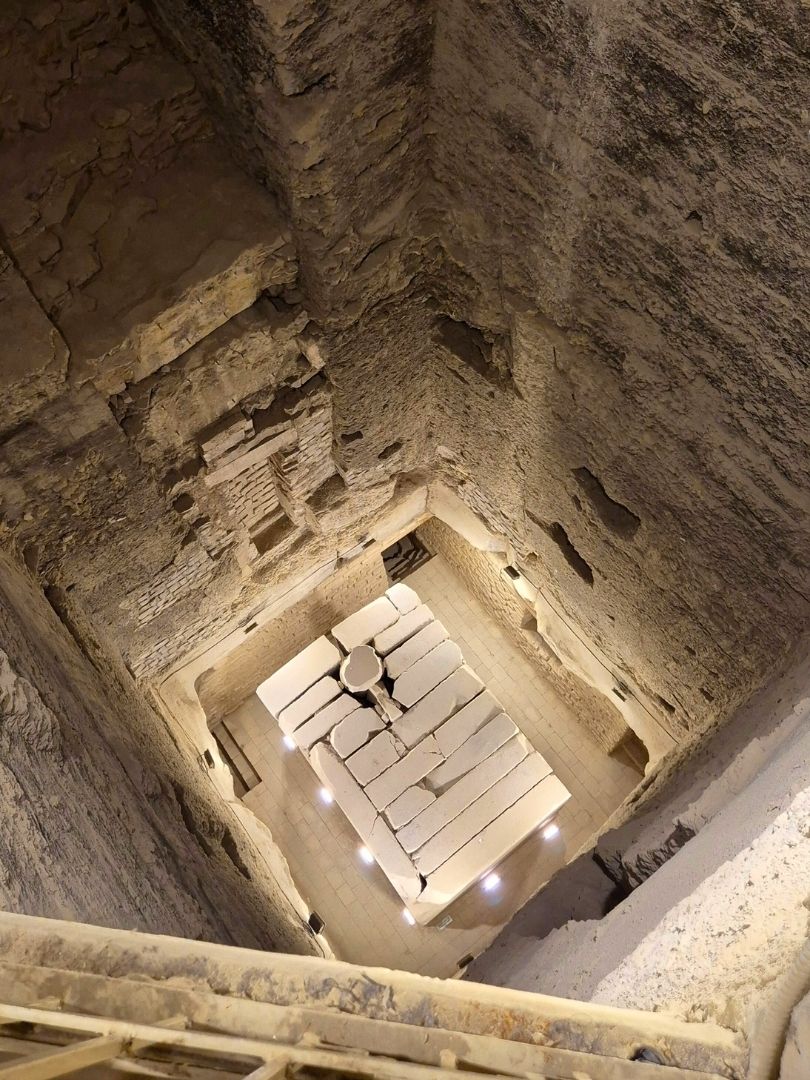
The Step Pyramid is the centrepiece of a large funerary complex for Pharaoh Djoser, which itself is a part of the Saqqara Necropolis, a sprawling burial ground full of ancient tombs and many smaller pyramids.
The inside of the Step Pyramid is open to visitors and is one of the easiest pyramid interiors to explore. After descending a short flight of stairs, you walk through a spacious tunnel (enough for most to stand up straight) to a viewing platform. From here you can peer down the 28m deep central shaft to see Djoser’s sarcophagus at the bottom.
The Step Pyramid is a great option if you’ve got issues with mobility or confined spaces but still want to go inside a pyramid during your trip to Egypt.
Bent Pyramid
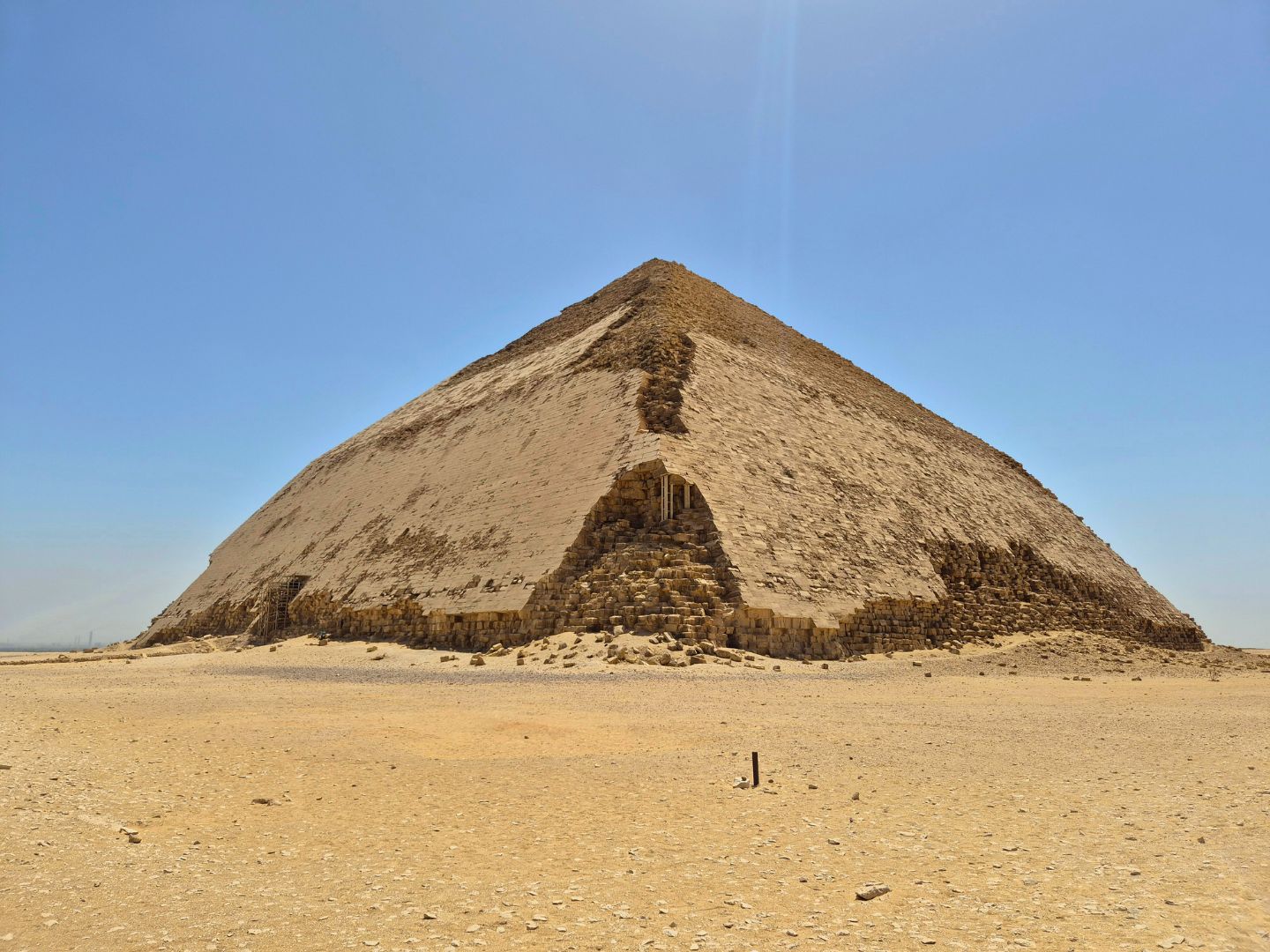
After Giza and Saqqara, the 3rd ancient necropolis you can visit in Egypt’s Pyramid Fields is at Dahshur.
It was here, during the 26th century BCE, that the Egyptians learned from the Step Pyramid and attempted something even more ambitious: a pyramid that was not stepped, but smooth-sided.
The 📍Bent Pyramid represents the trial-and-error process the Egyptians went through in their attempt to build a true pyramid, and is one of the most unique you’ll ever see.
The structure was initially built too steep, causing the builders to change plans half way through and finish the remaining half of the structure at a lower angle.
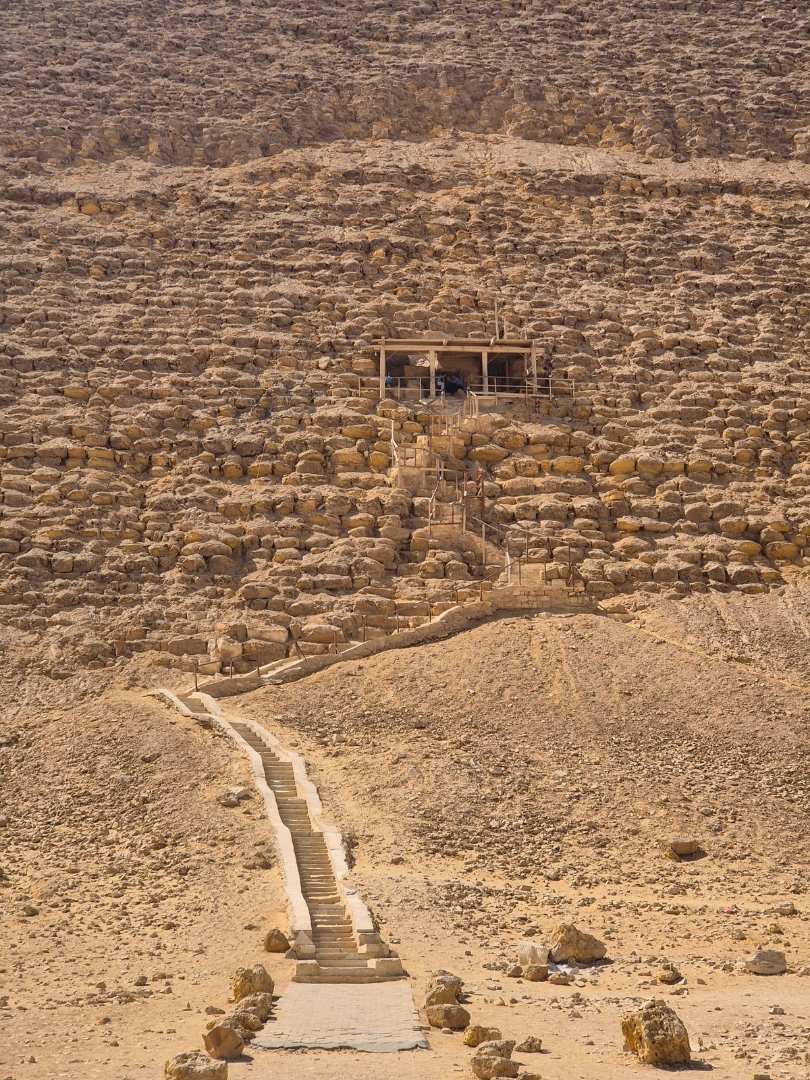
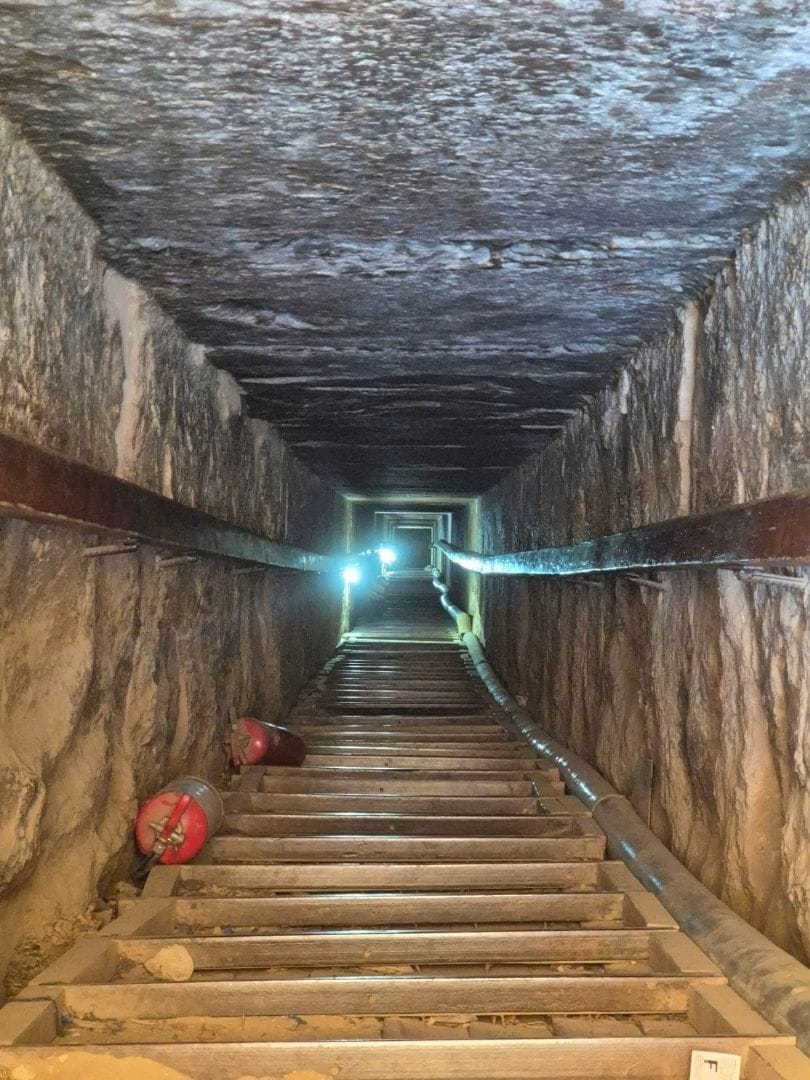
Exploring the interior of the Bent Pyramid involves navigating some very confined tunnels, and may require you to crawl on your hands and knees at some points. At the centre, you’ll reach what remains of the burial chamber, which has long since been looted.
Red Pyramid
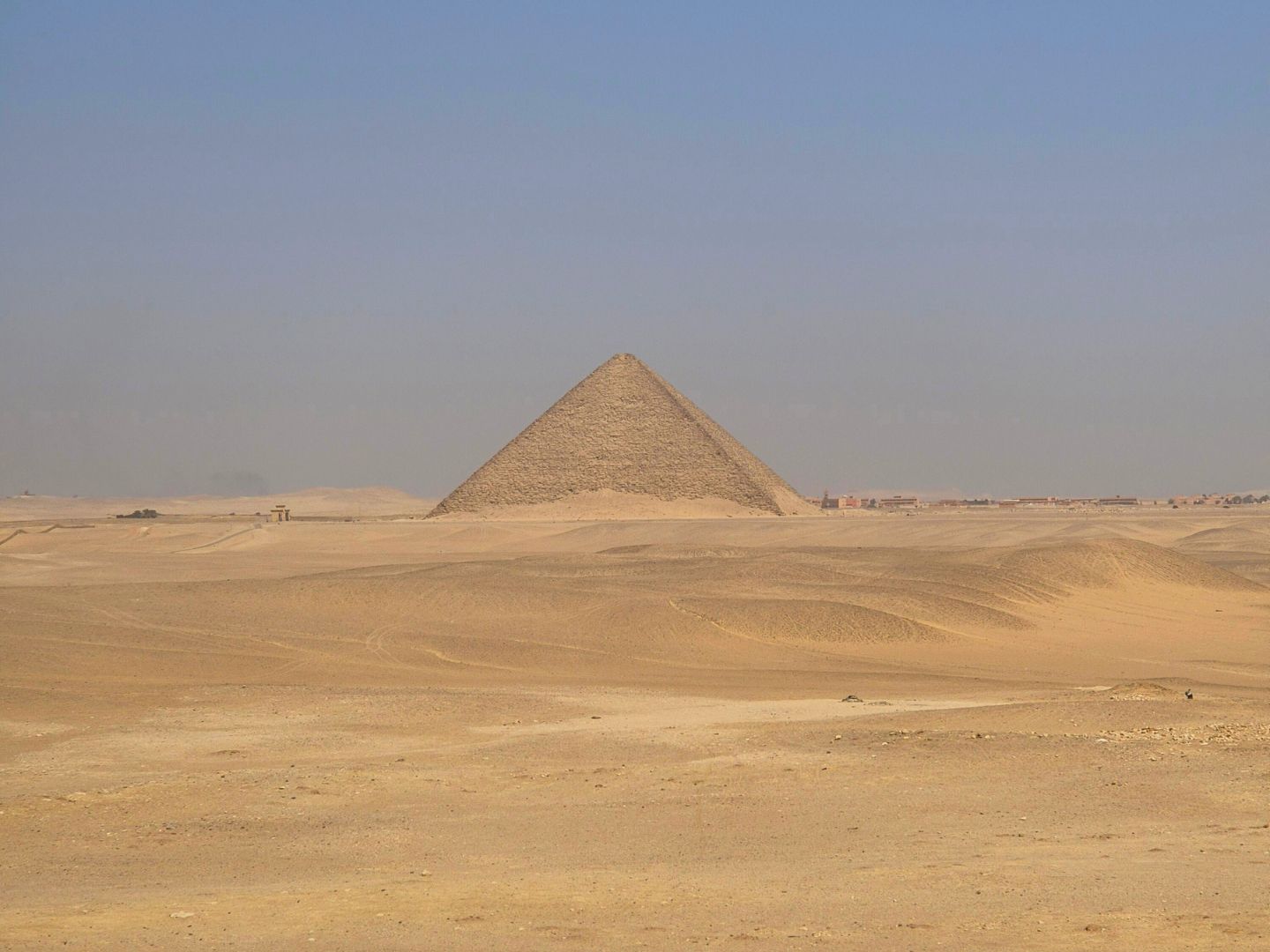
Drawing from their lessons with the Bent Pyramid, the ancient Egyptians immediately began building a new pyramid right next door. This time they began the structure at a more reasonable angle, resulting in what we now call the 📍Red Pyramid – the world’s first ‘true’ pyramid.
Completed later in the 26th century BCE, the Red Pyramid represents the moment the ancient Egyptians perfected pyramid-building and is the 2nd pyramid you can visit at Dahshur.
Like the Bent Pyramid, visitors can explore the tunnels and chambers within the Red Pyramid, which too involve some navigating confined spaces.
The Dahshur pyramids are a great addition to Giza, offering a chance to explore some even older, but less crowded, pyramids.
Meidum Pyramid
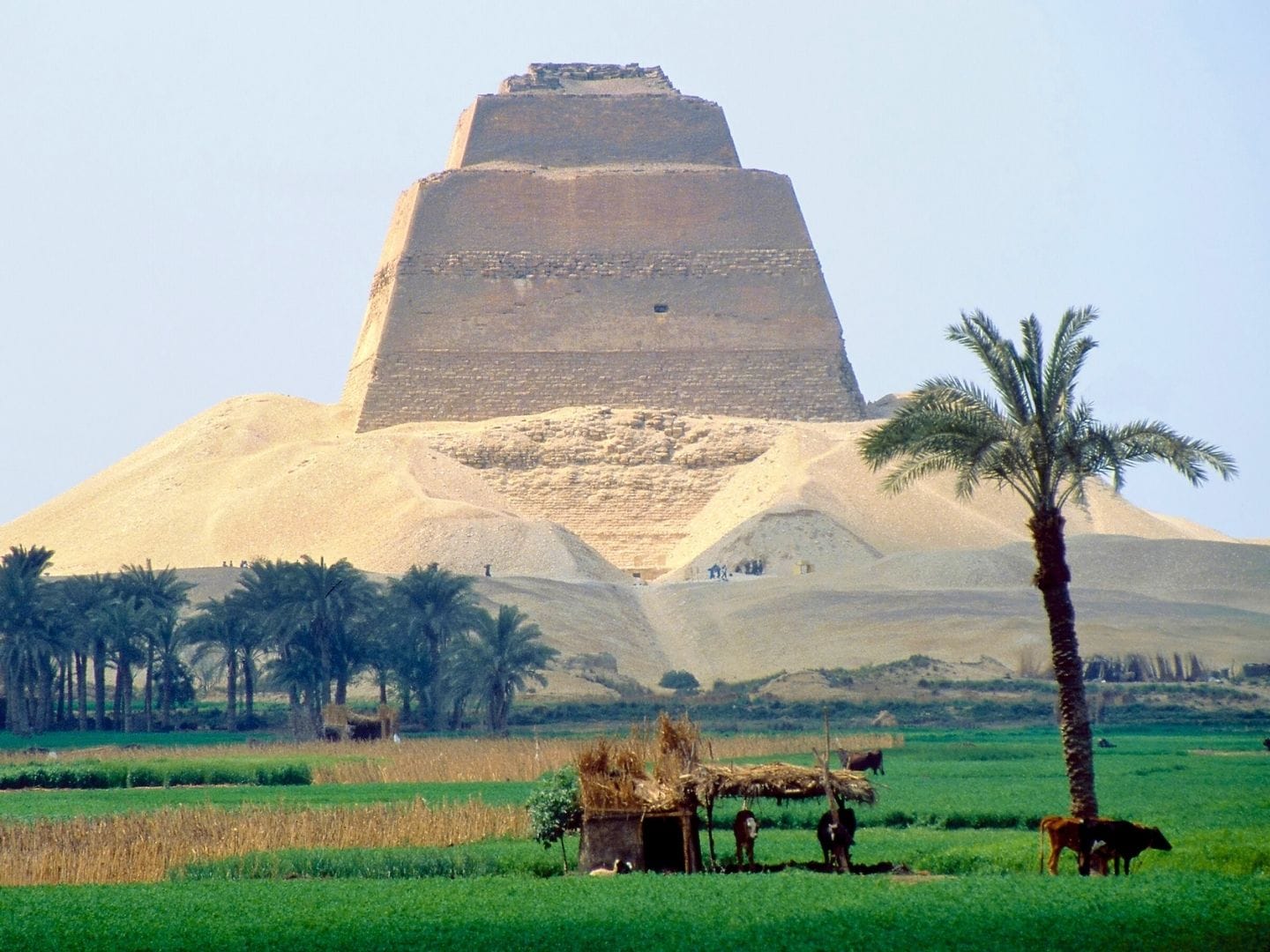
Located about 100km south of Cairo, the 📍Meidum Pyramid is the most remote, and least visited, of the 7 main pyramids. But for those who are willing to make the journey, you’ll find one of the most unique in Egypt.
The unusual shape of the Meidum Pyramid is a result of it being 3 different pyramids built over each other. When it was first constructed around 2600 BCE, it was a step pyramid, similar to the Step Pyramid of Djoser.
Soon a new layer was added, making it taller and wider – but still a step pyramid. Then, a 3rd layer was added, turning it into a ‘true’ pyramid, with smooth sides.
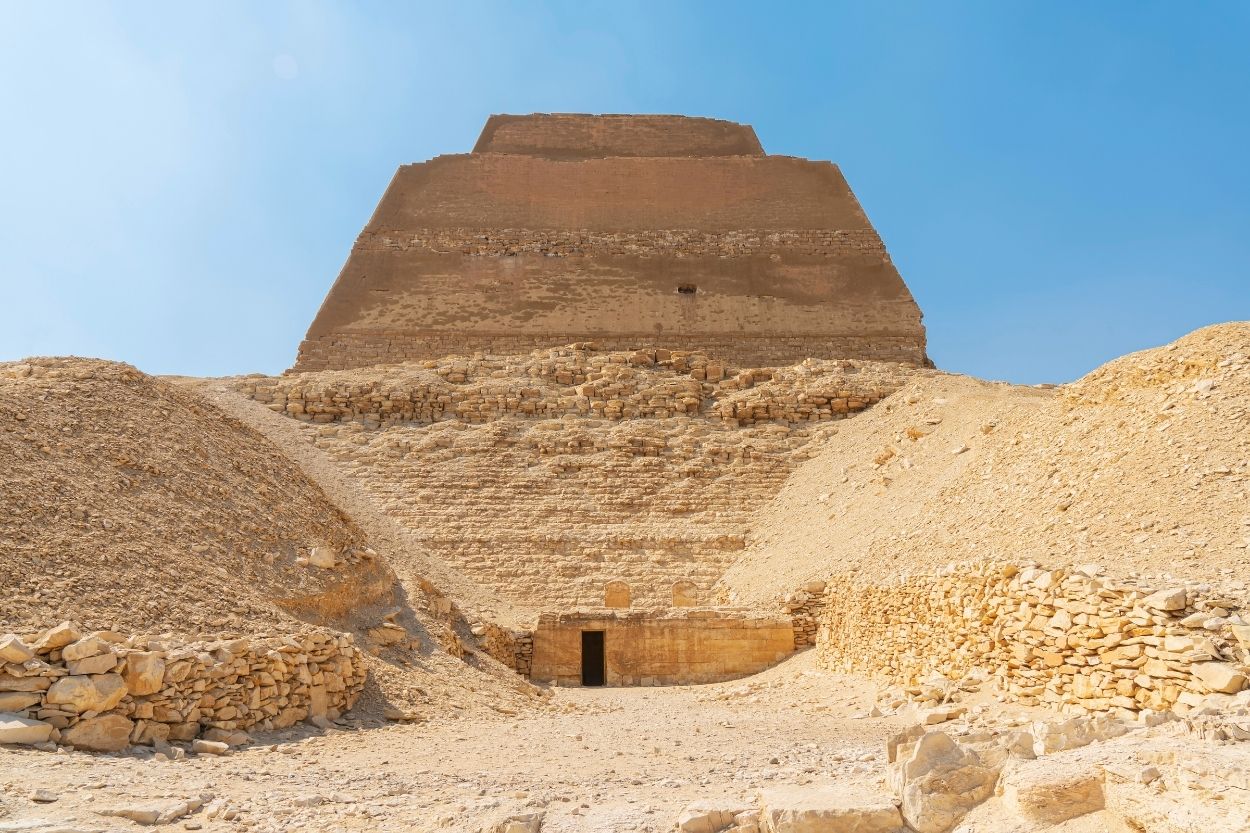
Being built over a step pyramid meant that the outer layer couldn’t be constructed to the same quality as other ‘true’ pyramids and it wasn’t long before the entire layer collapsed.
The structure you see today is a mix of the 1st and 2nd layers, surrounded by the rubble from the 3rd.
The entrance to the Meidum Pyramid has been dug out from the rubble, allowing visitors to go inside and explore the interior. The inside is fairly simple, with a narrow tunnel leading deep beneath the structure to the central burial chamber.

Pyramids you can't visit (yet)
The above are the 7 main pyramids you can visit in Egypt, but what about the other 100+ pyramids across the country?
There are 2 types of pyramids left off the list. The first are those that you can technically visit but are too small, ruined or inaccessible to mention.
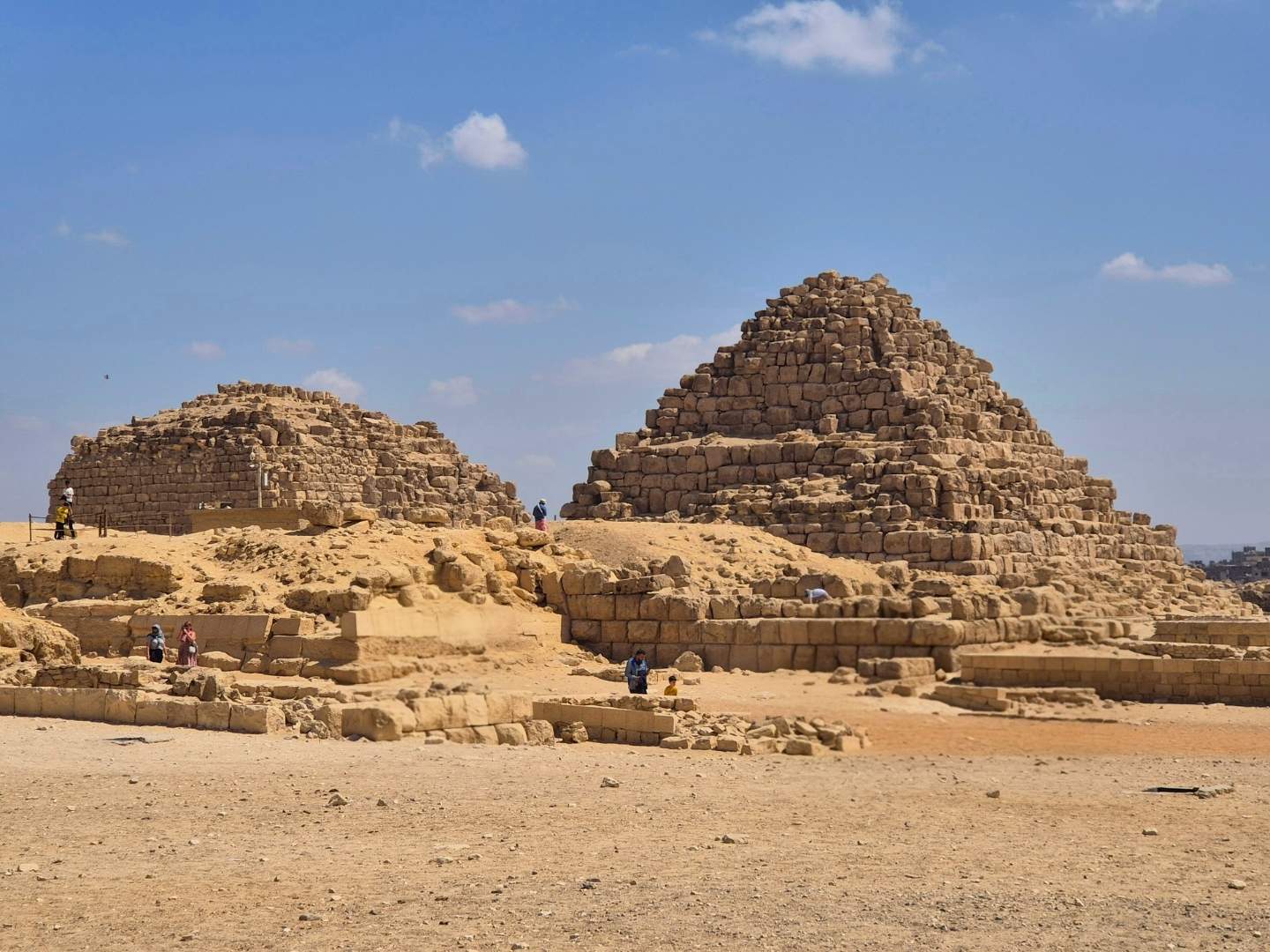
As you explore sites, particularly Giza and Saqqara, you’ll come across many smaller pyramids surrounding the big ones. These were usually built for queens or royal family members, and most stand only a few metres tall.
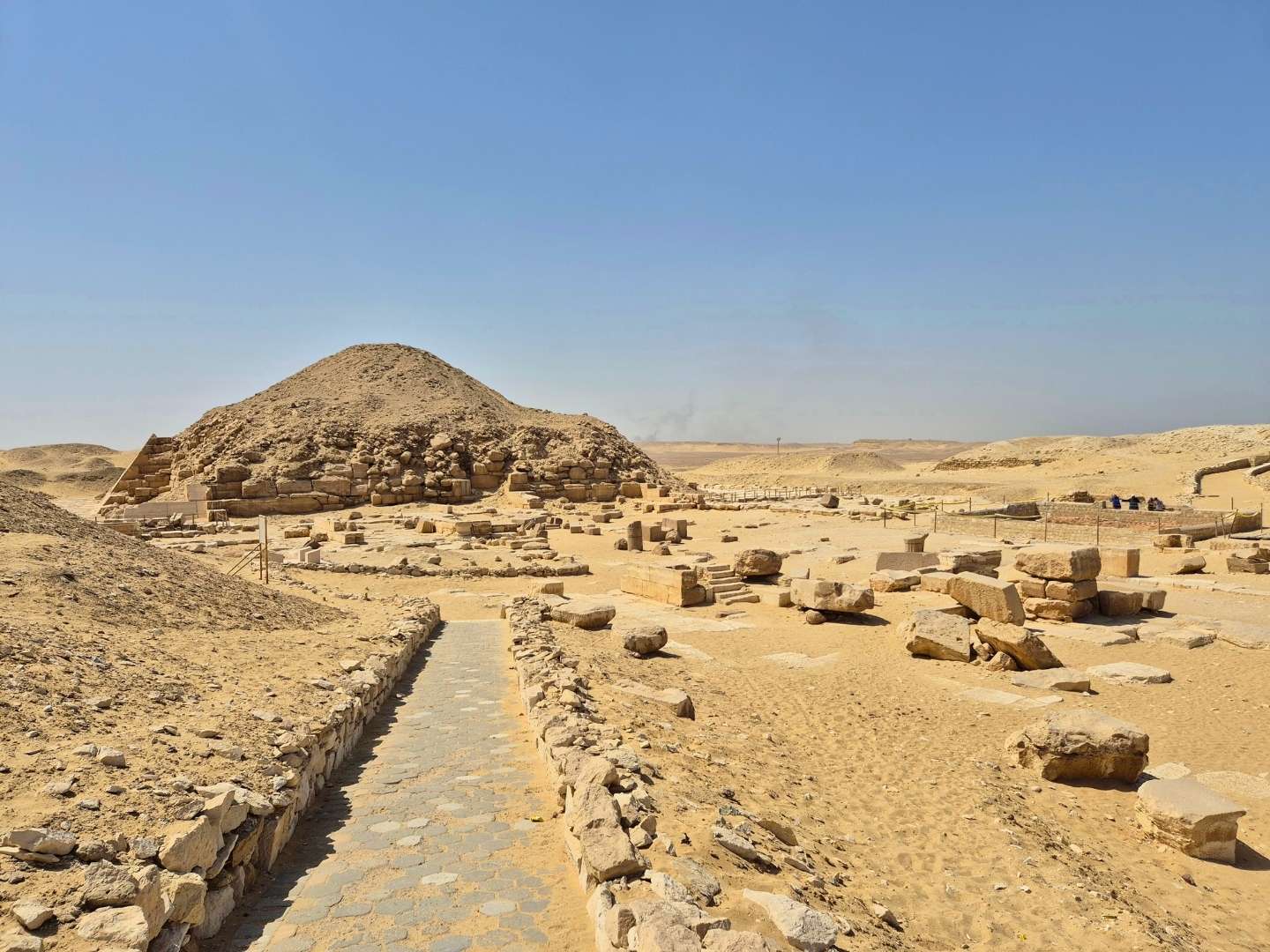
You’ll also come across many pyramids that are so heavily eroded that they are almost indistinguishable from natural mounds. The Pyramid of Unas at Saqqara, for instance, is technically visible – you can walk around it and even touch it – but most of the structure has collapsed and the interior is closed to visitors, so it’s left off the list.
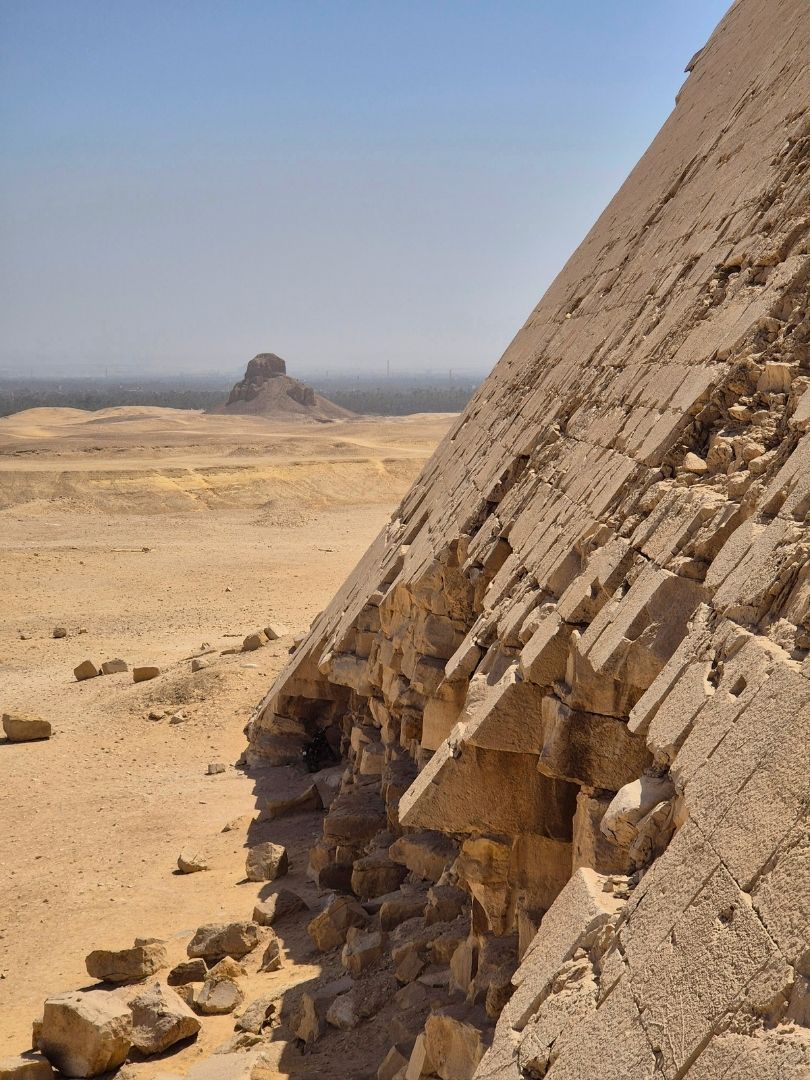
There are also pyramids that sit within open archaeological sites but aren’t accessible, like the Black Pyramid at Dahshur, which can only be viewed from a distance.
Then there are the sites that are generally closed to tourists altogether. I say ‘generally’ because rumour has it that certain tour companies can arrange visits, but I’ve yet to see any confirmation of this. These include sites like Abu Sir, which used to be open to tourists only a couple of years ago, and may be again in future.
Once you take away all these, you’re left with the above mentioned 7 pyramids.
How to reach the Pyramids in Egypt
Now that you know all the pyramids you can visit in Egypt, how do you reach them?
If you’re staying in Giza, which I recommend you do, you’ll likely be within walking distance of the Giza Necropolis, but the other pyramids are located about 30km away from Giza, and the Meidum Pyramid is located almost 100km away.
Egypt has public transport options, but as a foreigner who doesn’t speak Arabic its almost impossible to navigate.
That’s why the 2 best ways to reach the pyramids are either hiring a private car/driver, or booking a tour.
Private Car
Hiring a private car and driver is the most convenient way to reach the pyramids.
Finding a private driver around Cairo isn’t hard. There’s always public taxis and ridesharing apps like Uber, but often your hotel reception can arrange a driver for you.
Depending on what you arrange with your driver, they’ll usually pick you up from your hotel, drive you to a site, and wait for you before driving you back (or to the next site). Tickets and any other additional expenses are generally not included.
For a day trip down the pyramid fields, say to visit sites such as Saqqara and Dahshur, you can expect to pay around $40 – $60 USD.
Hiring a private driver is the best option if you just want the transportation and nothing more.
Guided Tour
If you want to remove all the hassle and have everything arranged for you, booking a guided tour to the pyramids is a great option.
There are many tours to choose from, depending on what you’d like to see. Some will take you to Giza and the nearby Grand Egyptian Museum, while others will take you down the Pyramid Fields to places like Saqqara and Dahshur.
Most tours include hotel pick up & drop off, entry tickets and a knowledgeable guide to help you get the most out of your visit.
You can explore the best Egypt pyramid tours on Get Your Guide.
Egypt Pyramids FAQs
Can you climb the pyramids?
No, climbing on any pyramid in Egypt is strictly prohibited..
What pyramids can you go inside?
You can go inside the following pyramids:
- Great Pyramid of Khufu
- Pyramid of Khafre
- Pyramid of Menkaure
- Step Pyramid of Djoser
- Red Pyramid
- Bent Pyramid
- Meidum Pyramid
There are also some smaller pyramids across these sites, particularly at Saqqara, whose interior has been open in the past, but are not currently open to visitors.
Which pyramid is the best to go inside?
The best pyramid to go inside is undoubtedly the Great Pyramid of Khufu. It may be the most popular and crowded, but it offers the most impressive interior.
Are the pyramids (and Egypt) safe to visit?
Yes, the pyramids, and Egypt in general, are safe to visit.
It’s no secret that Egypt has had its share of unrest in recent decades, but this was internal and never directed at tourists. Tourism is a big revenue source for Egypt, so the government puts a lot of resources into keeping tourists safe in their country.
All the main tourist areas are heavily policed, so the only danger you need to be concerned about is getting scammed or ripped off.
Exercise the same caution you would when visiting any foreign country.
Planning your trip to Egypt
Now that you have all the information on visiting pyramids in Egypt, it’s time to start planning your trip to Egypt. Here are some resources to help you get started:
✈ Flights: Trip.com and Skyscanner are the best resources for finding cheap flights to Egypt.
🏨 Accommodation: Booking.com is the best resource for finding amazing hotels in Egypt, while Hostelworld is the best for finding hostels.
🏥 Travel Insurance: Heymondo covers all the essentials in Egypt, including theft, medical and cancellations.
🚘 Car Rental: DiscoverCars is the best online resources to find rental cars.
🛜 Internet: To stay connected in Egypt, I use Airalo. They offer an eSIM, meaning all you need is a smartphone and and the app.
🌐 VPN: To stay connected and access service that may not be available in Egypt, use NordVPN.
🏄 Tours & Day Trips: GetYourGuide and Viator are the top platforms for tours and activities in Egypt.
🚢 Nile Cruises: Tour Radar is the best resource for finding Nile cruises in Egypt.
🎟 Tickets: Tickets to most historical sites in Egypt can be purchased from Egypt Monuments, the official government ticketing platform.
Disclosure: This post may contain affiliate links.
Further reading on Egypt
Here are more guides on Egypt to help you plan your trip:
⬤ For a guide to the last ancient wonder of the world, check out my Giza Pyramids Travel Guide.
⬤ To see the world’s first ‘true’ pyramids, check out my guide to the Red and Bent Pyramids of Dahshur.
⬤ If you’re interested in visiting the world’s oldest pyramid, check out my Travel Guide to the Saqqara Necropolis.
⬤ If you’re in Aswan, be sure to visit the world famous temple built by Ramesses the Great with this Complete Guide to Abu Simbel.
⬤ Plan to visit one of Egypt’s many great museums? Check out my guide comparing the Grand Egyptian Museum vs the Egyptian Museum: Which is Better?
⬤ Buried in sand for over a thousand years, the best preserved ancient Egyptian temple can be found at Edfu. Plan your visit with this guide: Complete Travel Guide to Edfu Temple.
⬤ For more travel guides, visit my Destinations page.