
Before the ancient Egyptians built the Great Pyramid at Giza, they first had to learn the art of pyramid building – and that journey began at Dahshur. It was here, through trial and error, that they learned how to transform stepped tombs into the smooth-sided pyramids that would inspire all later designs.
Located just outside Cairo, a short drive south of the Saqqara Necropolis and ancient Egypt’s first capital at Memphis, the Dahshur Necropolis is one of the best places in Egypt to explore pyramids.
While Giza draws busloads of visitors, Dahshur offers a quieter experience and the chance to see some of Egypt’s oldest pyramids.
There were once 7 pyramids here, though most have eroded into little more than mounds. Two, however, are in great condition: the Bent Pyramid and the Red Pyramid. Built over 4,500 years ago, these were the world’s first true pyramids, and represent the moment the Egyptians perfected pyramid building.
In this guide, you’ll find everything you need to plan your visit to Dahshur, including its history, how to get there, and what to see once you arrive.
Best Dahshur Tours
I’ve done the research so you don’t have to. Here are the top Dahshur tours depending on what you’re looking for…
The History of Dahshur
At some point in Egypt’s distant past, the idea of preserving the body after death became central to Egyptian culture. For generations, they constructed large rectangular tombs known as mastabas, designed to keep the deceased and their valuables safe for in the afterlife.
Around the 27th century BCE, a few centuries into Egypt’s Dynastic Era, they began experimenting with a new kind of tomb, one that involved stacking 6 mastabas on top of each other, creating a towering, step-like structure. This new tomb became the Step Pyramid of Djoser at the Saqqara Necropolis – the world’s first pyramid.
This new style would set a precedent for future pharaohs. Inspired by Djoser’s tomb, later pharaohs attempted an even more ambitious version, one that had smooth, sloping sides rather than steps. Several attempts were made over the following decades, but never completed. The Egyptians were experimenting, but were yet to overcome the technical challenges involved in building such a structure.
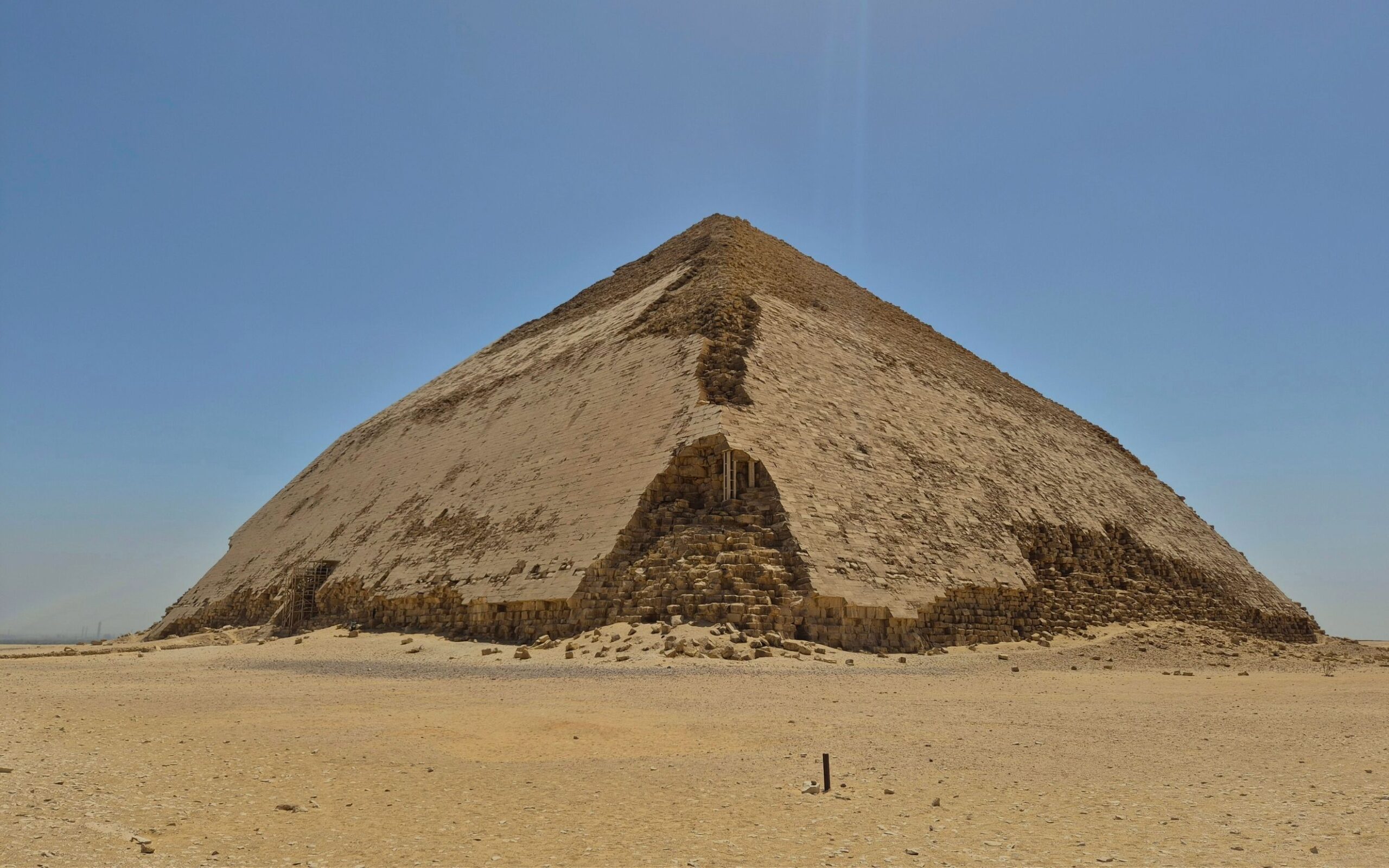
Later in the 27th century BCE, under the reign of King Sneferu, roughly 70 years after the Step Pyramid was completed, another attempt was made – this time a few kilometres south of Saqqara at Dahshur. Construction on this pyramid began at a steep 54-degree incline, but, assumedly due to structural integrity issues, plans changed and the remaining half of the pyramid was built at a shallower 43-degree incline.
This would create an odd-looking pyramid today known as the Bent Pyramid, one of the 2 main Dahshur pyramids you can visit. Standing at 101 metres tall, the Bent Pyramid would have been the largest structure ever built by mankind at that time, a whole 40m taller than the Step Pyramid at Saqqara.
The Bent Pyramid was a learning experience for the ancient Egyptians, a lesson not to build it too steep. Immediately another attempt was made at a smooth-sided pyramid, learning from their previous attempt and this time beginning with a 43-degree incline. Constructed right next to the Bent Pyramid, this would become the 104m-tall Red Pyramid, the world’s first ‘true’ smooth-sided pyramid, and the other you can visit at Dahshur.
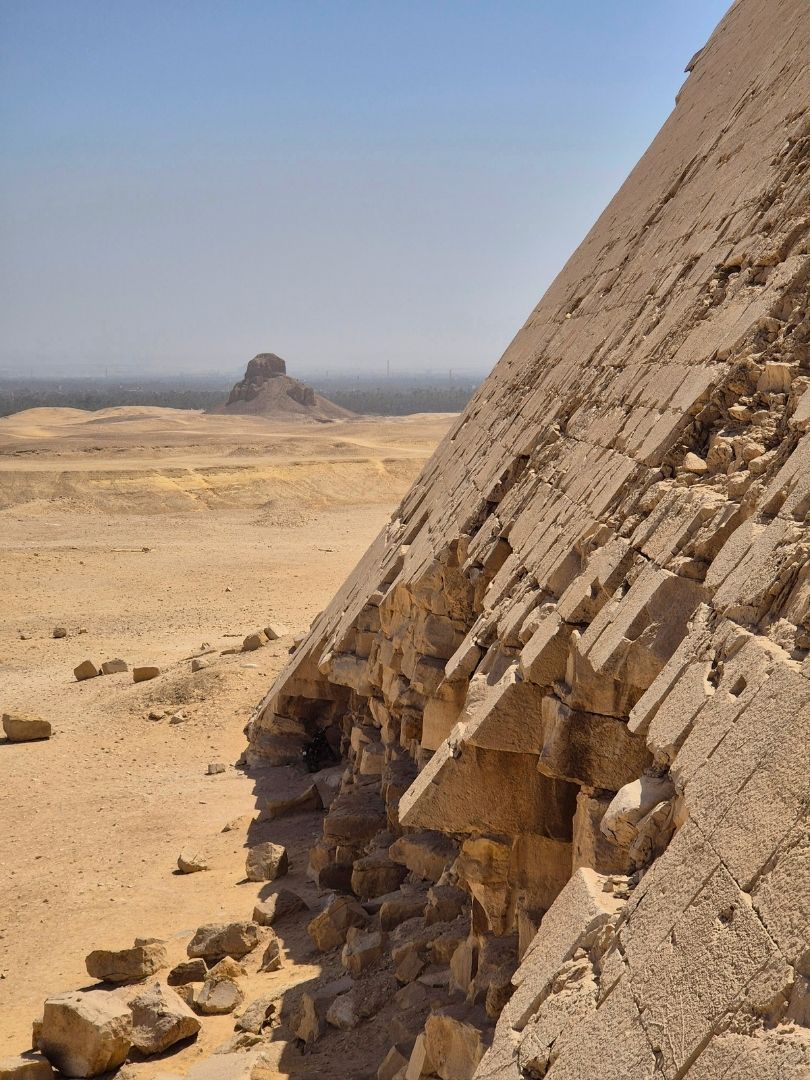
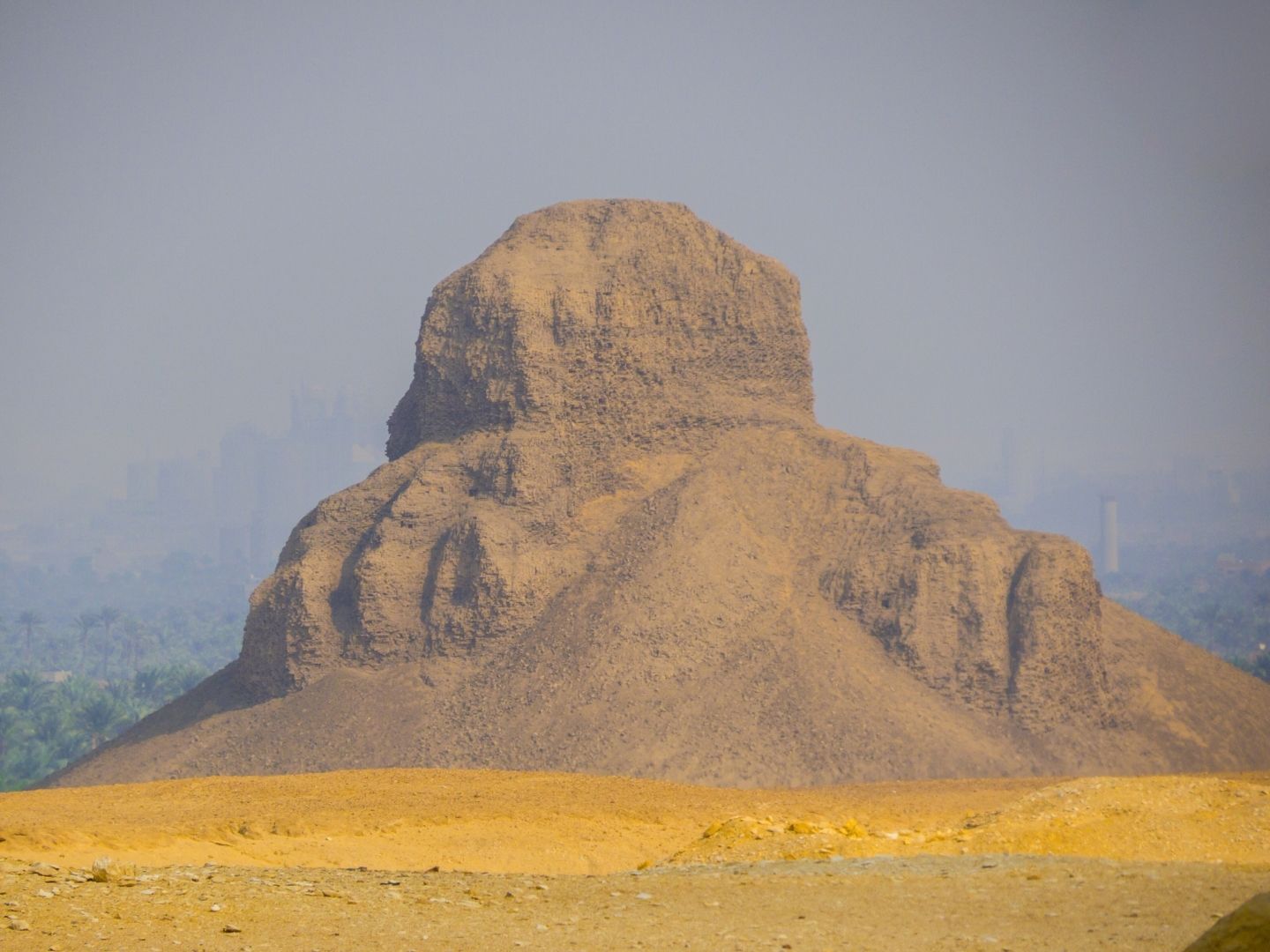
Several other pyramids were built at Dahshur over the following centuries, but most are so heavily eroded that there’s little left to see. One of them, the Black Pyramid, still stands today but it too is so eroded that it’s easily mistaken for a natural formation.
The pyramids at Dahshur represent the moment the ancient Egyptians perfected pyramid construction, and paved the way for the even larger and more impressive pyramids at Giza.
Where is Dahshur?
📍Dahshur is located on the west bank of the Nile River, about 40kms south of central Cairo and just a short distance south of the Saqqara Necropolis.
Dahshur forms the southern-most part of the vast ‘pyramid fields’ which stretches for over 30 kilometres along the west bank of the Nile, with Giza at the other end. This vast area served as the royal burial ground for nearby Memphis, Egypt’s first capital.
Best time to visit Dahshur
Dahshur is open all year-round, but the time of year you visit can make a difference.
Being in the Sahara Desert, Egypt doesn’t experience a rainy season, nor any traditional seasons. But if you visit during the summer months (May to September), expect the days to get extremely hot, with temperatures staying consistently over 40°C.
Crawling inside the pyramids at Dahshur will offer an escape from the heat, but you’re still going to be spending a lot of time in the sun. If you visit Egypt during this time, aim to visit Dahshur early in the morning.
The best time to visit Dahshur, and Egypt in general, is between October and April, when daytime temperatures range from 20°C to 30°C, making the experience much more pleasant.
How long to spend at Dahshur?
While 7 pyramids were built at Dahshur, today there are only 2 remaining that you can visit, with no other mastabas or tombs to explore. Therefore, a visit to Dahshur is relatively quick compared to other sites like Saqqara or Giza.
A visit to Dahshur will likely take no longer than 2 hours. This includes walking around and admiring the pyramid exteriors, and venturing inside to explore the interiors.
Dahshur is typically visited on a day trip combined with the nearby Saqqara Necropolis, and the Memphis open-air museum.
How to get to Dahshur?
Dahshur lies about 40 km south of Cairo, near Egypt’s first ancient capital at Memphis.
From Giza, the drive takes roughly 40 minutes. From downtown Cairo, allow about 1 hour, while from Cairo Airport, which is on the opposite side of the city, expect at least 90 minutes to reach Dahshur.
In terms of transportation, you’ve got a few options:
Guided Tour
The most convenient way to reach Dahshur is by booking a guided tour with a local company. Not only does this cover your transportation, but having a knowledgeable guide will help you get the most out of your visit, as well as make you less of a target for scammers.
Most tours combine Dahshur with other nearby sights like the Saqqara Necropolis and a quick stop at the Memphis open-air museum. You can check out the best Dahshur tours on Get Your Guide.
Private Driver
If you’re simply looking for someone to drive you to and from, while you explore the site on your own, consider hiring a private driver.
Most hotels can arrange a car and driver for you. This is the option I went with during my 2025 visit. Our driver picked us up from the hotel, took us to Dahshur and a few other sites, waited while we explored, and then drove us back. A convenient option if you just want the transportation only.
Uber or Ride-share
Uber and other ride-share apps are available in Egypt, but they’re notoriously unreliable.
Drivers will often accept rides, only to request a higher price than what’s stated in the app, and cancel the ride if you refuse.
Even if you do manage to book an Uber all the way out to Dahshur, make sure you arrange for the driver to wait for you, because booking a new Uber to take you back will be virtually impossible. But at that point, you may as well just pay the extra cost of hiring a private driver.
So yes, Uber and ride-share is an option, but not recommended.
Dahshur Ticket Information
Dahshur ticket prices are simple. There is only one type of ticket, and it gets you access to everything there is to see at the site, including going inside both pyramids.
The ticket price for Dahshur is 200 EGP, but reduced for students and Egyptian citizens.
If you’re visiting the site via car, you may also need to pay an additional but small fee for the vehicle to enter the site.
You can purchase your Dahshur tickets at the entrance to the site, or online in advance on the Egypt Monuments website.
Dahshur Opening Hours
Dahshur is open from 8am to 5pm in both summer and winter, with the last entry at 4pm, including on weekends and public holidays.
During Ramadan, the Dahshur opening hours are reduced to 9am to 3pm. The exact dates of Ramadan change yearly, but in 2026 it’s expected to run from mid-February to mid-March.
The pyramids at Dahshur
There were supposedly 7 pyramids built at the Dahshur Necropolis, but 4 of them are so heavily eroded that there’s nothing left for visitors to see.
Of the 3 that still stand, the Black Pyramid too is so eroded that it’s almost indistinguishable from a natural formation, and can only be viewed from a distance.
That leaves just 2 pyramids at Dahshur that you can visit, the Bent Pyramid and the Red Pyramid, which are both in great condition.
Red Pyramid
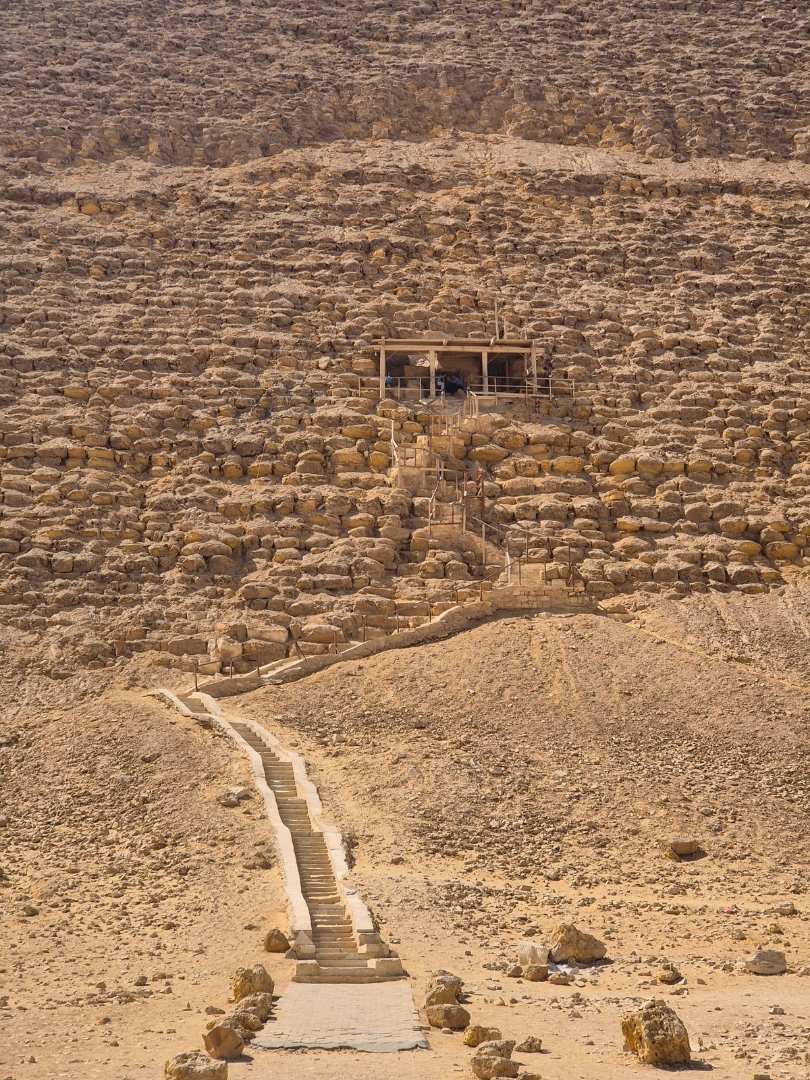
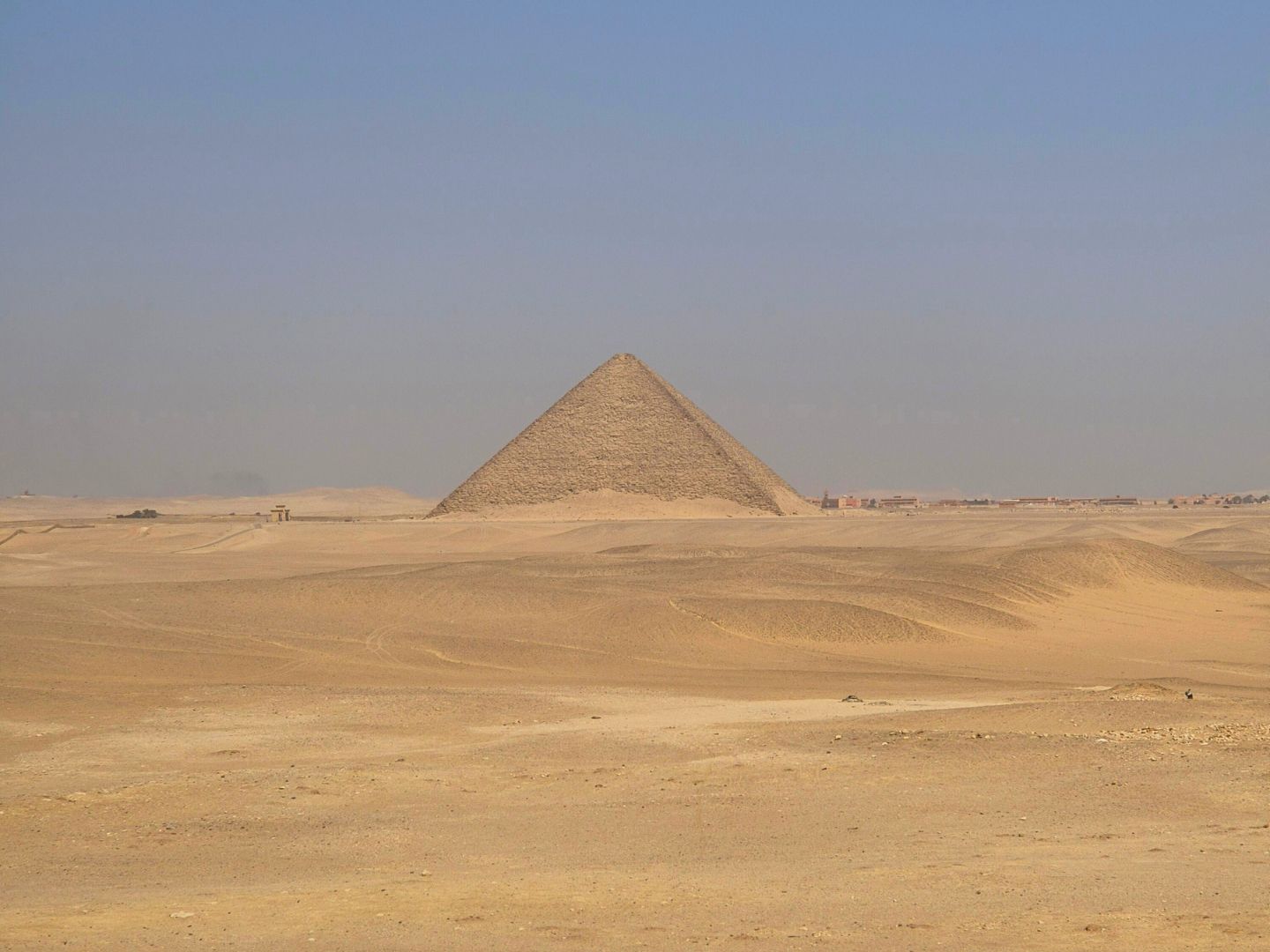
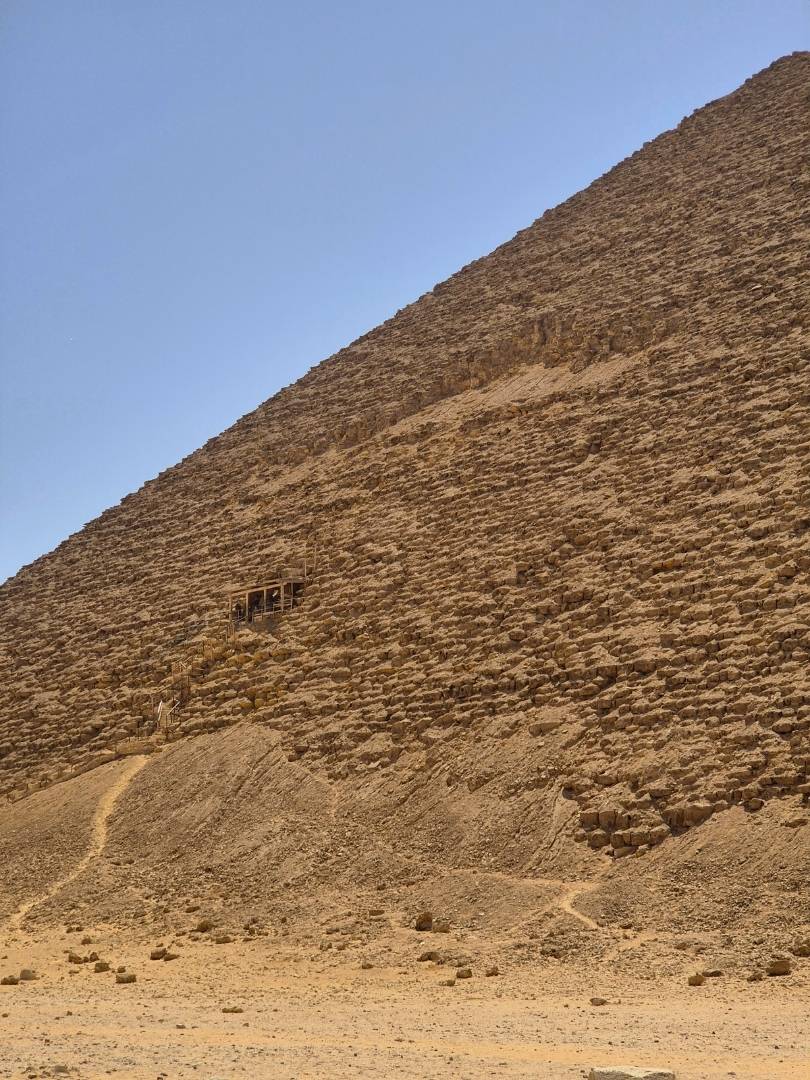
The first pyramid you’ll come across after entering Dahshur is the 📍Red Pyramid.
The older of the two, the Red Pyramid was built roughly around 2600 BCE under the pharaoh Sneferu. It’s considered the world’s first ‘true’ pyramid after their previous attempt with the malformed Bent Pyramid. It represents the moment the ancient Egyptians perfected pyramid building, and set a precedent for even bigger pyramids like those at Giza.
Like most ancient Egyptian pyramids, the Red Pyramid was originally clad in a layer of white limestone. This outer layer eroded a long time ago, exposing the red limestone beneath, from which it gets its name. Standing at 105 metres tall, the Red Pyramid is the largest of the pyramids at Dahshur.
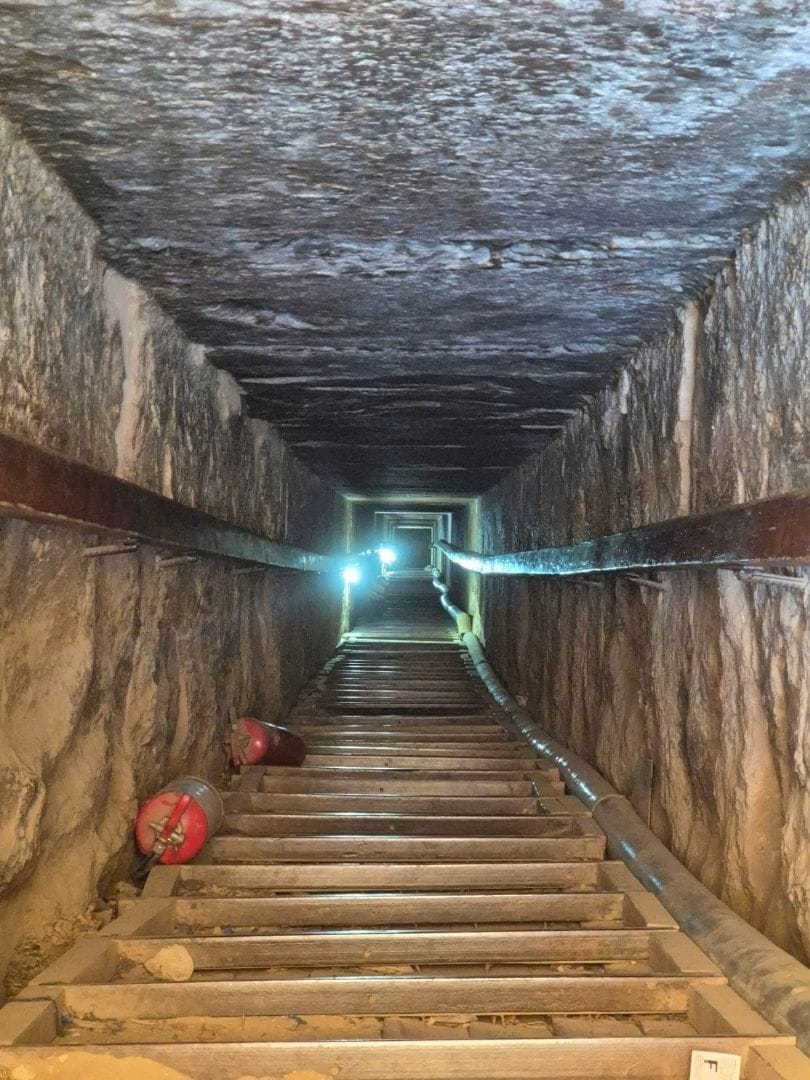
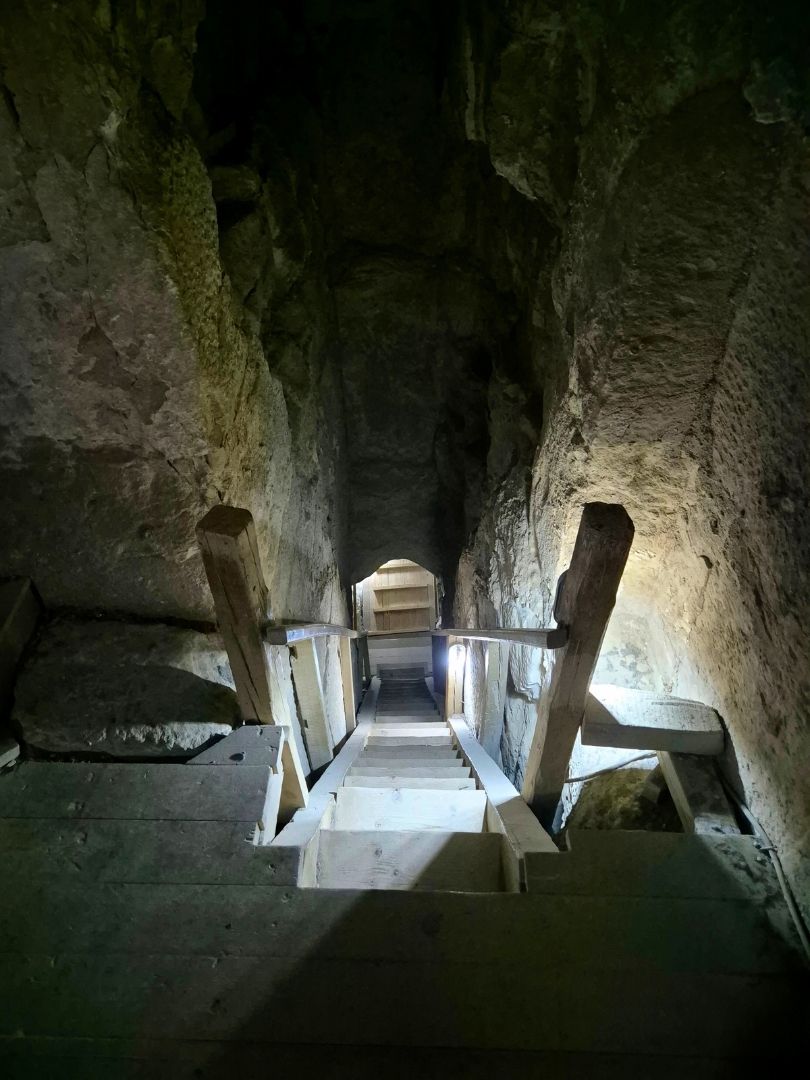
Visitors can go inside the Red Pyramid, entering through the north face where a modern-built staircase climbs the side of the structure. After presenting your ticket, you’ll begin by descending down a narrow passageway, about 1m tall and 1.2m wide, stretching 61 metres down into the heart of the structure. If you’ve got mobility issues, or aren’t good in confined spaces, going inside the Red Pyramid may not be for you.
Once you reach the bottom, things open up a bit as you pass through two large chambers, each about 12m high, before climbing a wooden staircase to reach the central burial chamber.
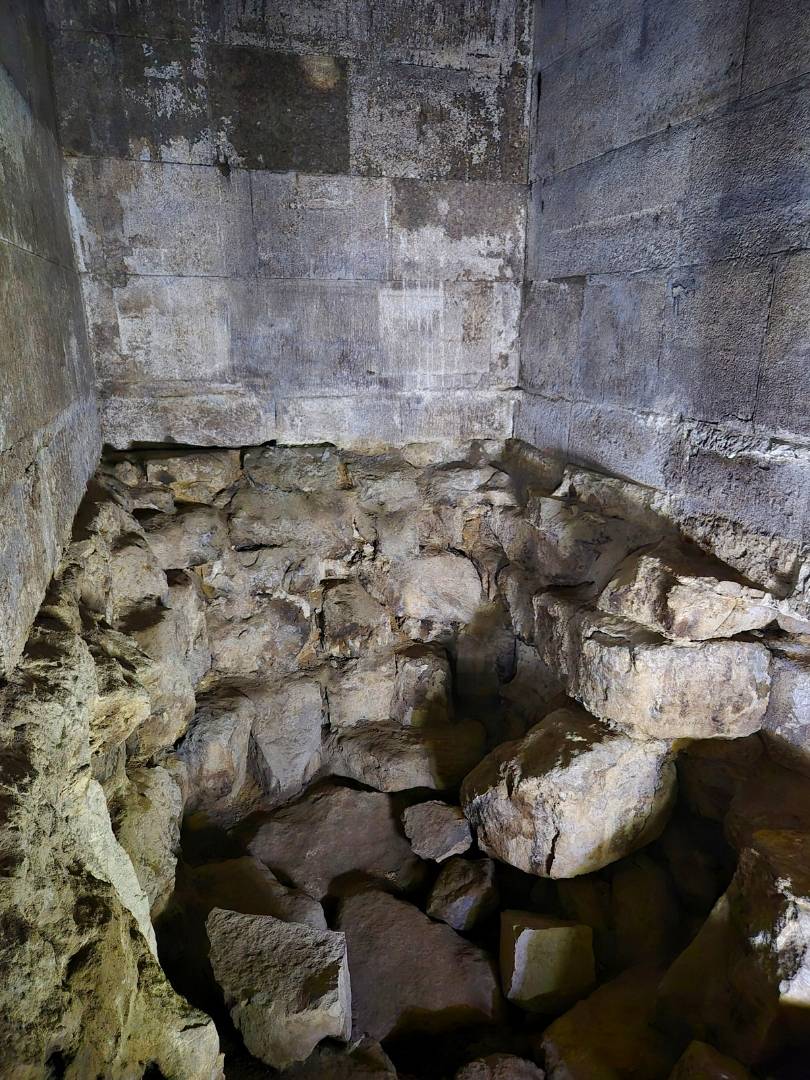
There isn’t much to see in the Red Pyramid’s burial chamber. There are no inscriptions, and anything that was once buried here was looted a long time ago. You’ll also notice that the floor of the burial chamber looks like it’s been excavated. This is believed to have been caused by looters, possibly thousands of years ago.
Bent Pyramid
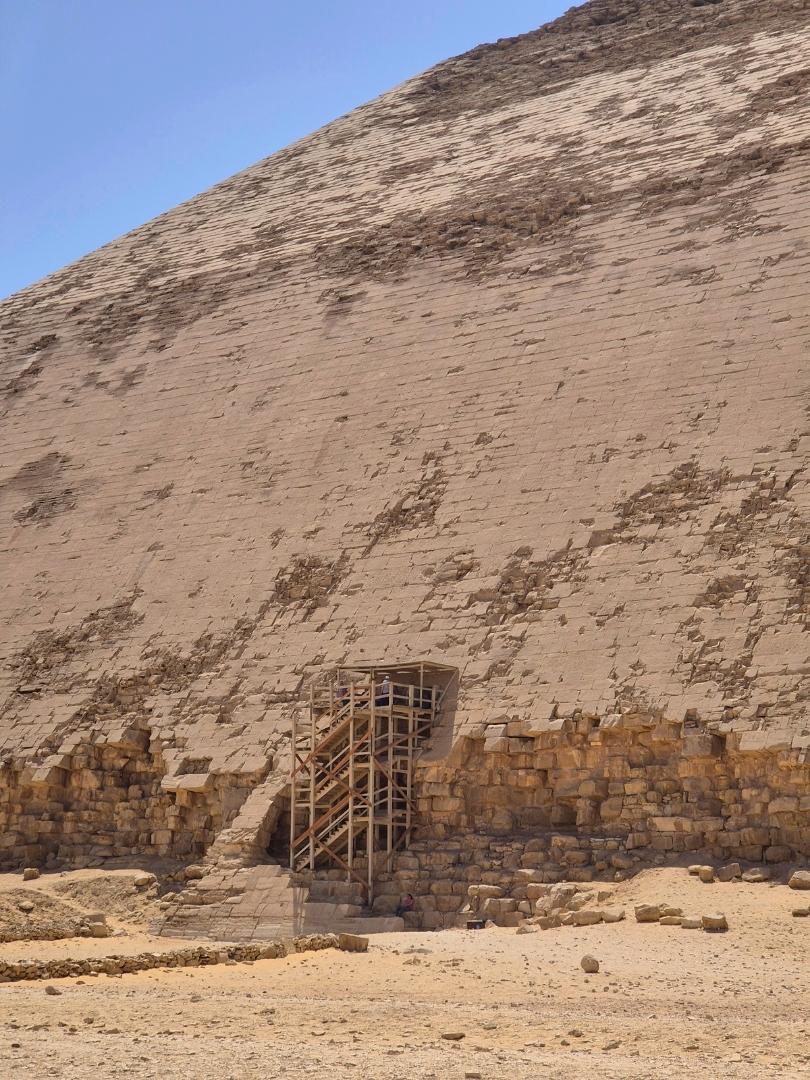
The other pyramid you can visit at Dahshur is the slightly older 📍Bent Pyramid.
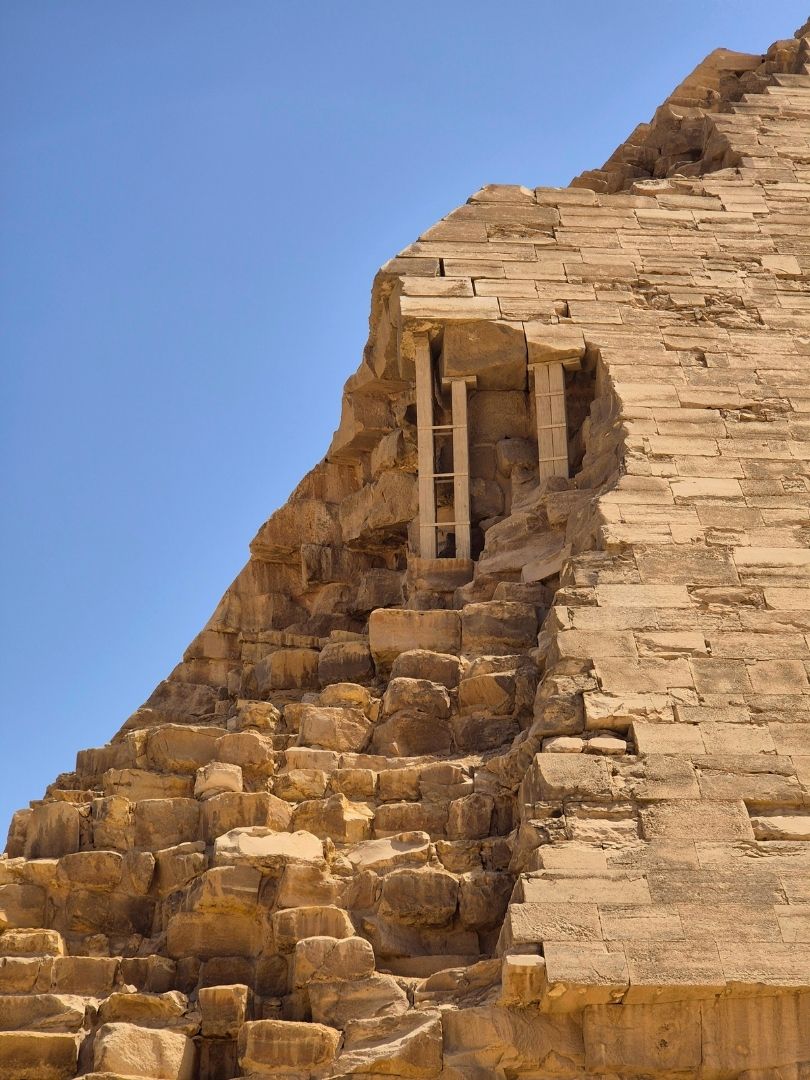
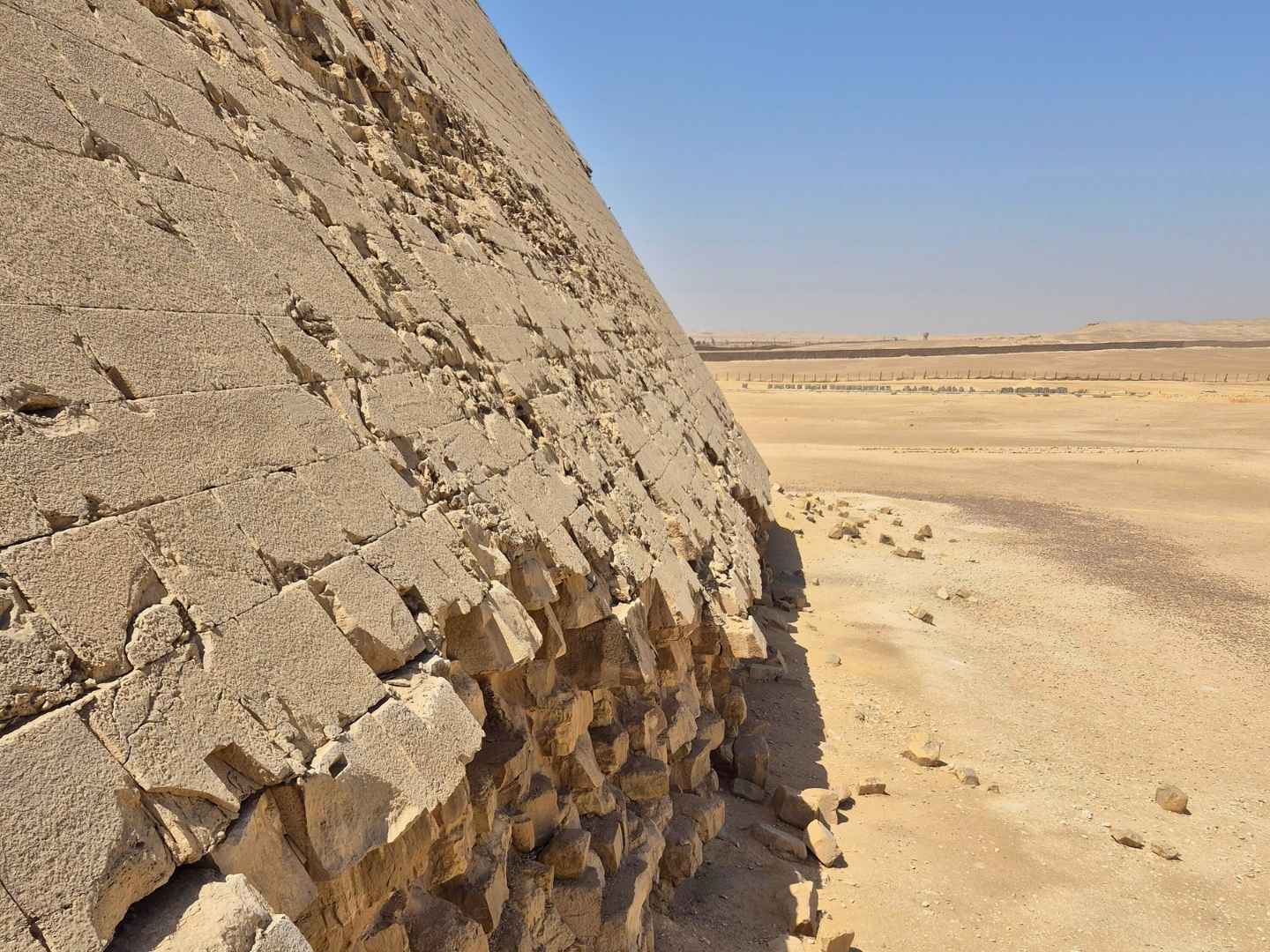
Built only a few years before the Red Pyramid, also during the reign of King Sneferu, the Bent Pyramid was one of their early attempts at building a smooth-sided pyramid, and a lesson on how not to build one. Construction on the pyramid originally began at a steep 54-degree incline, but, assumedly due structural integrity concerns, plans changed and the upper half of the structure was instead built at a lower 43-degree incline. Hence, the ‘bent’ shape.
The structure may not have turned out as intended, but it resulted in one of Egypt’s most unique pyramids, and a valuable lesson in pyramid-building that would allow the Egyptians to successfully build the Red Pyramid. Unlike most other pyramids in Egypt, most of the Bent Pyramid’s casing stone still remains, offering a rare glimpse into how these ancient structures once looked.
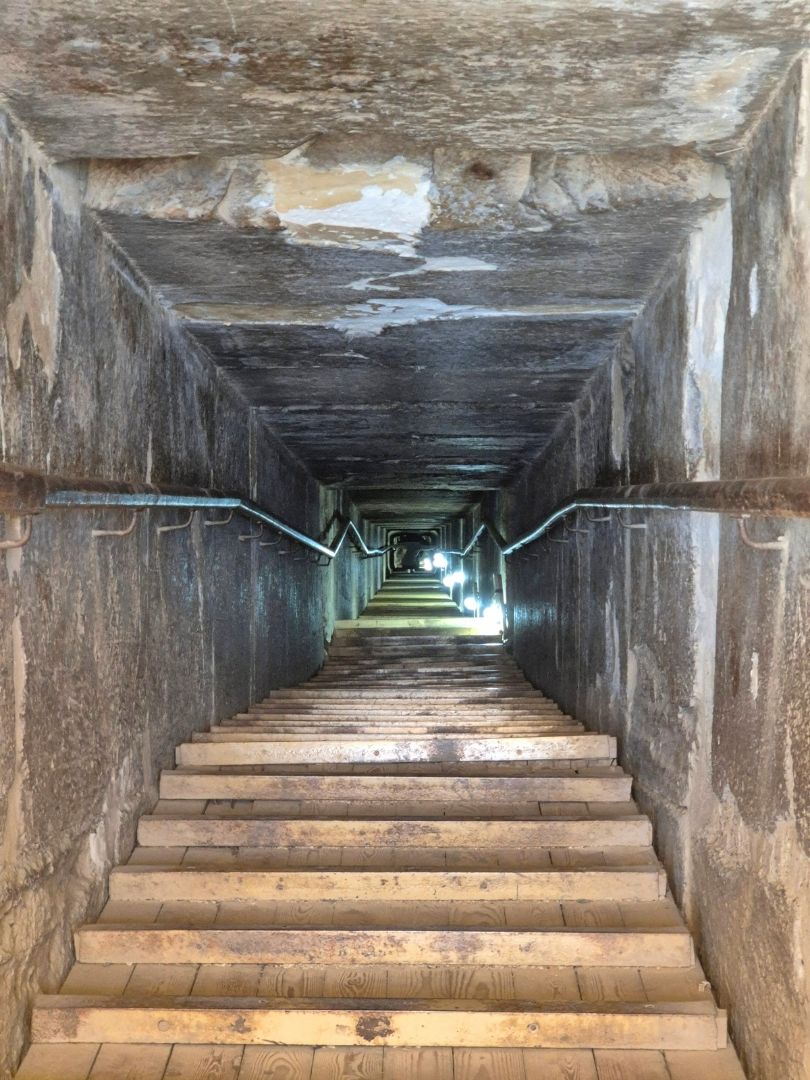
Like the Red Pyramid, visitors can also go inside the Bent Pyramid and explore its tunnels and chambers. The Bent Pyramid has 2 entrances, one on the northern face, and one on the western face, both leading to a group of connected chambers beneath.
Visitors can only enter from the northern entrance, where a wooden staircase has been built up the side of the pyramid to reach it. Like the Red Pyramid, visitors first need to crawl through a small tunnel, about 1m high and 1.2m wide, for about 80m down into the structure.
Inside, you’ll enter the first of the 2 chambers, where you’ll climb a 15m tall wooden staircase to reach another small tunnel that connects this chamber to the passage from the western entrance. At its smallest point, you’ll need to crawl on your hands and knees to fit through this connecting tunnel.
Once through, you’ll follow the western passage to another wooden staircase leading to the central burial chamber. Like the Red Pyramid, there are no inscriptions, and anything that was once buried here was looted a long time ago.
Other things to see near Dahshur
With only the 2 pyramids to explore, a visit to Dahshur doesn’t take long. But you needn’t come all this way out of Cairo just to see Dahshur alone, because there are multiple other ancient sites in the area that are often combined with a daytrip to Dahshur.
The Dahshur pyramids form the southern-most portion of Egypt’s ‘pyramid fields’, which stretch for almost 40kms north to Giza. Along this strip are many other ancient tombs and pyramids for you to explore.
Here are some other historical sites to visit before or after your visit to Dahshur.
Saqqara
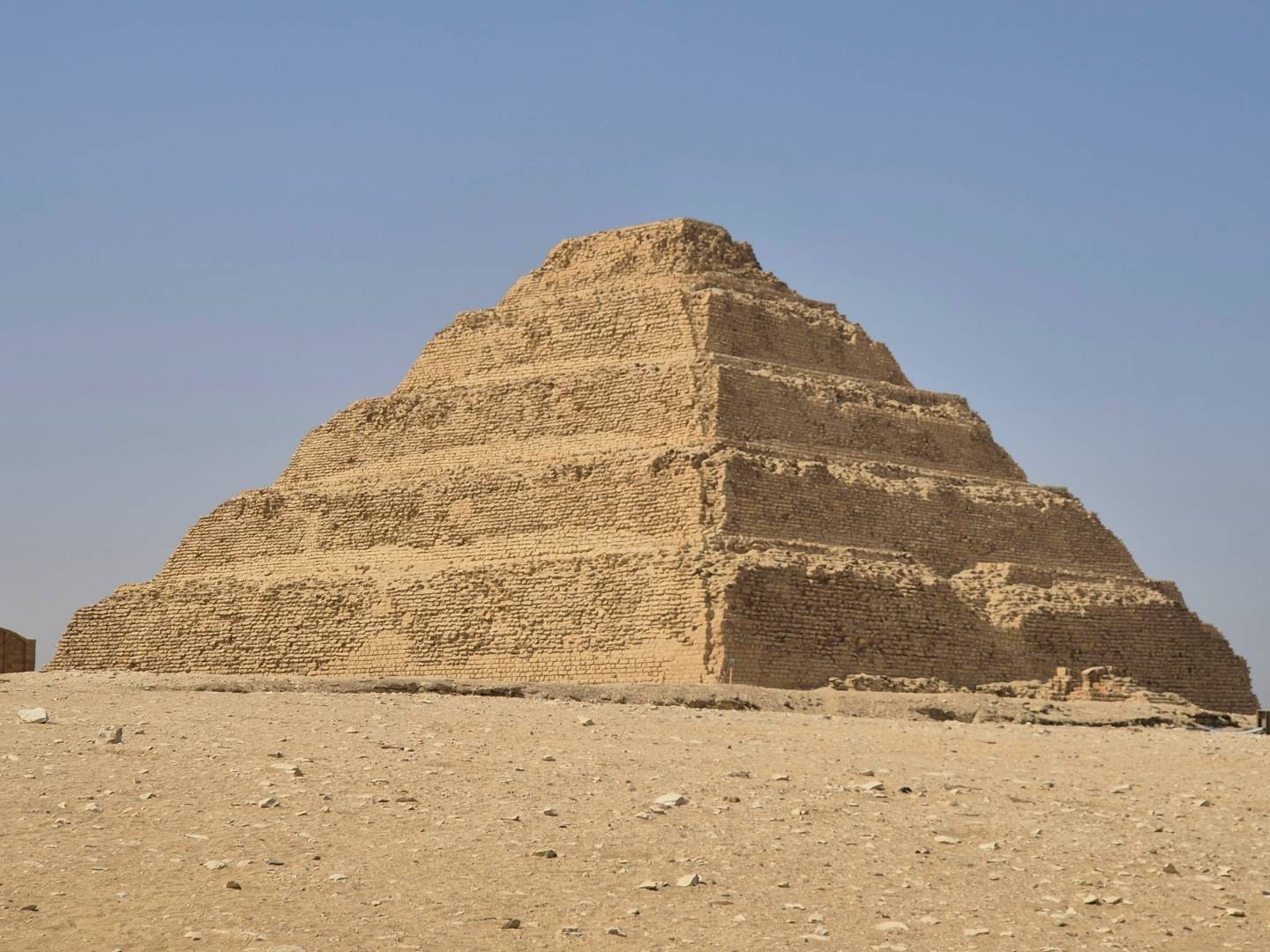
A visit to Dahshur is best paired with the nearby Saqqara Necropolis.
Located just 10k north of Dahshur, Saqqara too was part of the pyramid fields for Egypt’s first capital of Memphis and it was here that the world’s first pyramid was built: the Step Pyramid of Djoser. The Step Pyramid was the precursor to those at Dahshur, and by visiting Saqqara, Dahshur and then Giza, one can see the evolution of Egyptian pyramid-building.
The Saqqara Necropolis is a large complex with many things to see beyond the Step Pyramid, including a few smaller pyramids and countless ancient tombs.
Memphis
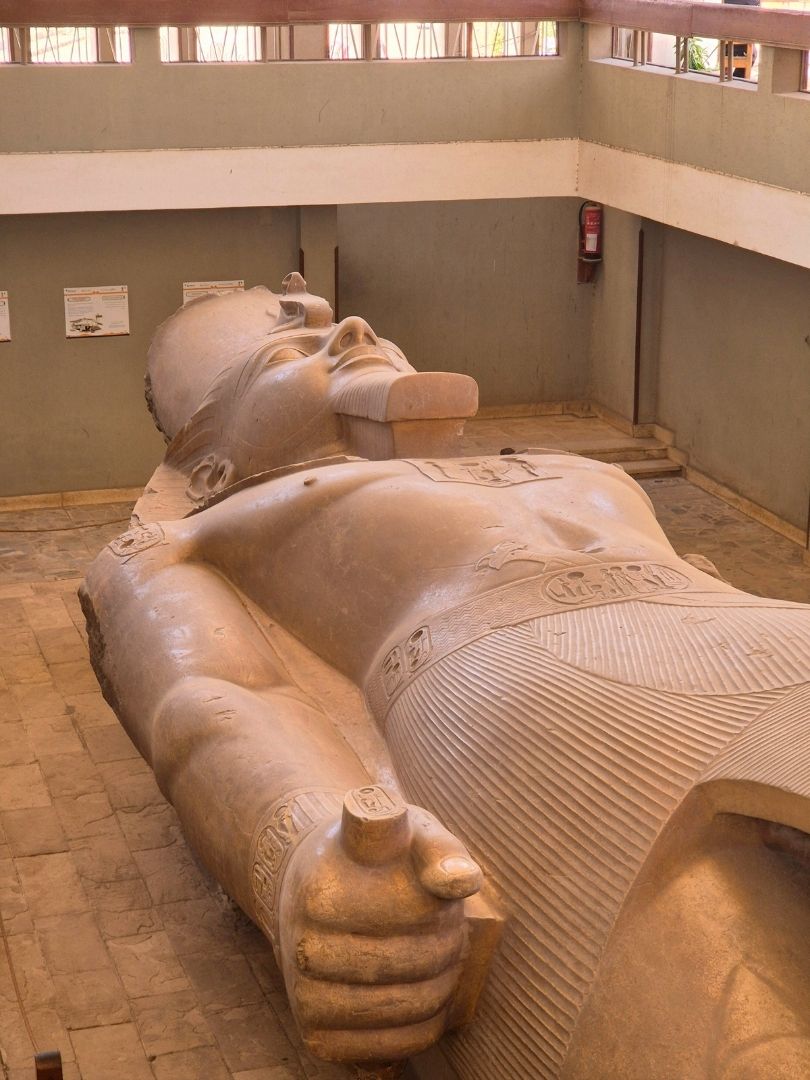
Dahshur, and the Saqqara Necropolis, were the royal burial grounds for Egypt’s first capital: Memphis.
Founded around 3100 BCE when Upper and Lower Egypt united for the first time, beginning the Dynastic Era, Memphis was one of the oldest cities in the world, and certainly the most historically significant in Egypt.
Unfortunately, little remains today of the actual city. Excavations have been ongoing for more than a century, and archeologists are gradually uncovering parts of the ancient city, but for now there isn’t much for tourists to see other than a small open-air museum
The museum is nothing special, and it certainly wouldn’t be worth the trip from Cairo on its own. But since you’re already close by at Dahshur, it’s worth a quick stop to see some monuments uncovered from the ancient city, such as the massive Statue of Ramesses II.
Giza
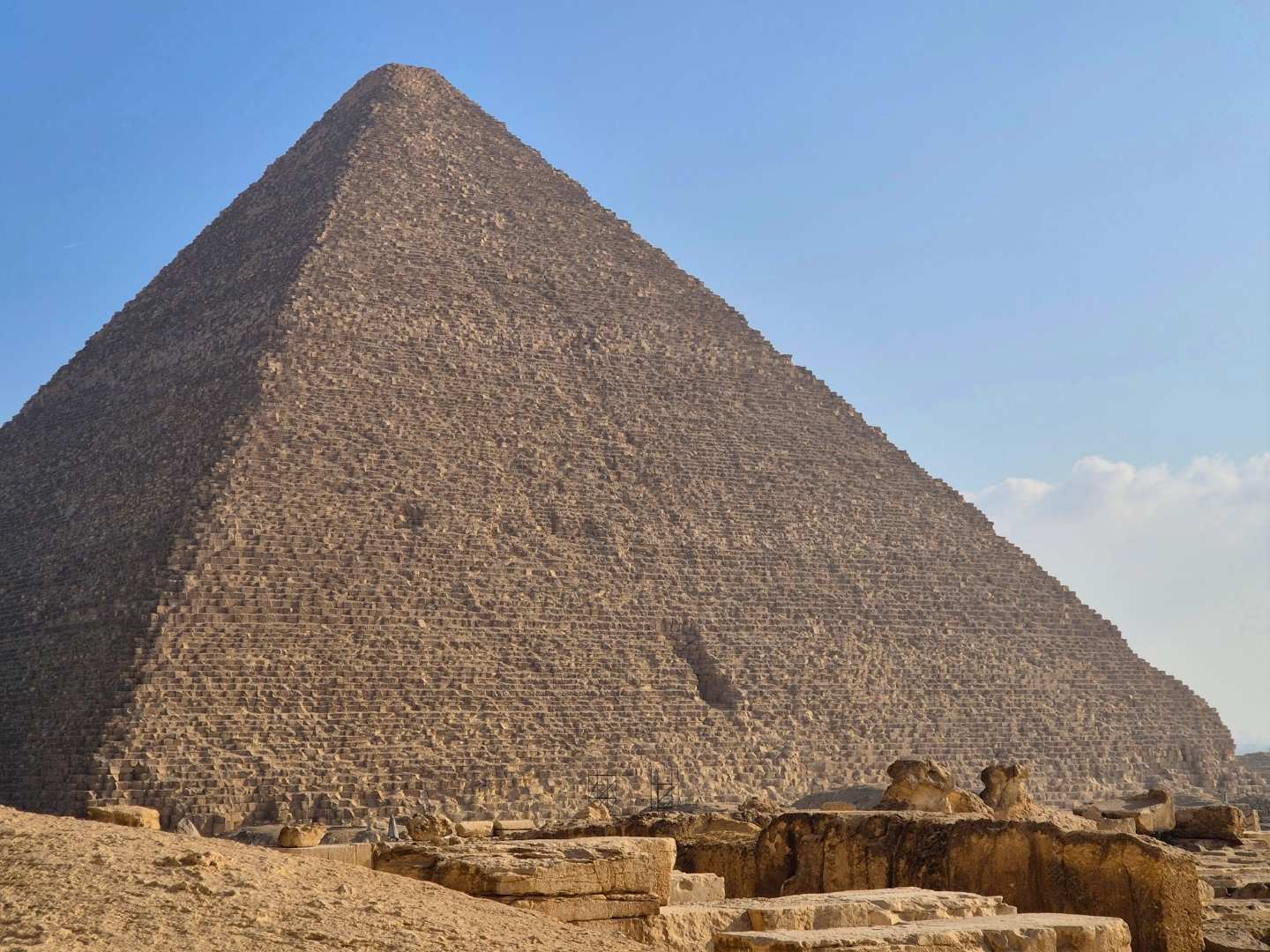
Located about 40km north of Dahshur, the Giza pyramids are Egypt’s star attraction, and a place you’ll no doubt be visiting at some point during your time here.
Thanks to the practice they gained from building the pyramids at Dahshur, the ancient Egyptians were able to aim even higher and build the Great Pyramid of Giza (the last remaining Ancient Wonder of the World), and the equally impressive Pyramid of Khafre.
Beyond the 2 tallest pyramids in the world, Giza is also home to the smaller Pyramid of Menkaure, and the famous Great Sphinx.
It’s possible to visit Giza on the same day as Dahshur – a half day for each – but if you’d also like to fit in Saqqara it may be best to leave Giza for another day.
Dahshur FAQs
Can you go inside the pyramids at Dahshur?
Yes, you can go inside 2 pyramids at Dahshur: the Red Pyramid, and the Bent Pyramid.
The tunnels inside both of these pyramids are very narrow, even requiring you to crawl on your hands and knees at some points. Therefore, going inside the pyramids at Dahshur may not be suitable for those with claustrophobia or mobility issues.
Can you climb the pyramids at Dahshur?
No, climbing the pyramids at Dahshur, and any others across Egypt, is strictly prohibited.
The pyramids’ exterior stones are already heavily eroded, and having tens-of-thousands of tourists climb them each year would only make this worse. So, in the interest of preservation, visitors are not permitted to climb the pyramids beyond the staircase leading to the entrance.
Are there toilet facilities at Dahshur?
No, there are no toilets or amenities at Dahshur.
Is there food & drink at Dahshur?
No, there is no food and drink available at Dahshur.
Best Dahshur Tours
I’ve done the research so you don’t have to. Here are the top Dahshur tours depending on what you’re looking for…
Further reading on Egypt
Here are more guides on Egypt to help you plan your trip:
⬤ If you’re going to Egypt, you’re probably interested in visiting some pyramids, so check out my Travel Guide to Pyramids in Egypt.
⬤ For a guide to the last ancient wonder of the world, check out my Giza Pyramids Travel Guide.
⬤ If you’re interested in visiting the world’s oldest pyramid, check out my Travel Guide to the Saqqara Necropolis.
⬤ Plan to visit one of Egypt’s many great museums? Check out my guide comparing the Grand Egyptian Museum vs the Egyptian Museum: Which is Better?
⬤ To explore a different side to Egypt, check out: 10 Best Historical Sites in Cairo (that aren’t the pyramids).
⬤ For more travel guides, visit my Destinations page.
Disclosure: This post may contain affiliate links.