There are few cities in the world like Mumbai. The city has the population of a small country (equal in size to my entire home continent, Australia), and the history to match.
It may not be a place you’d come to sit back and relax, but Mumbai is a great destination for history lovers.
Not only does Mumbai have countless incredible colonial buildings in the city centre, but just beyond it you’ll find ancient sites dating back thousands of years.
In this this guide I’m giving you the top 17 historical sites in Mumbai.
THE BEST HISTORICAL MUMBAI TOURS
⭐️ Best for modern history: Full-Day Sightseeing Tour of Mumbai
⭐️ Best for ancient history: Kanheri Caves and The Golden Pagoda Temple
Contents
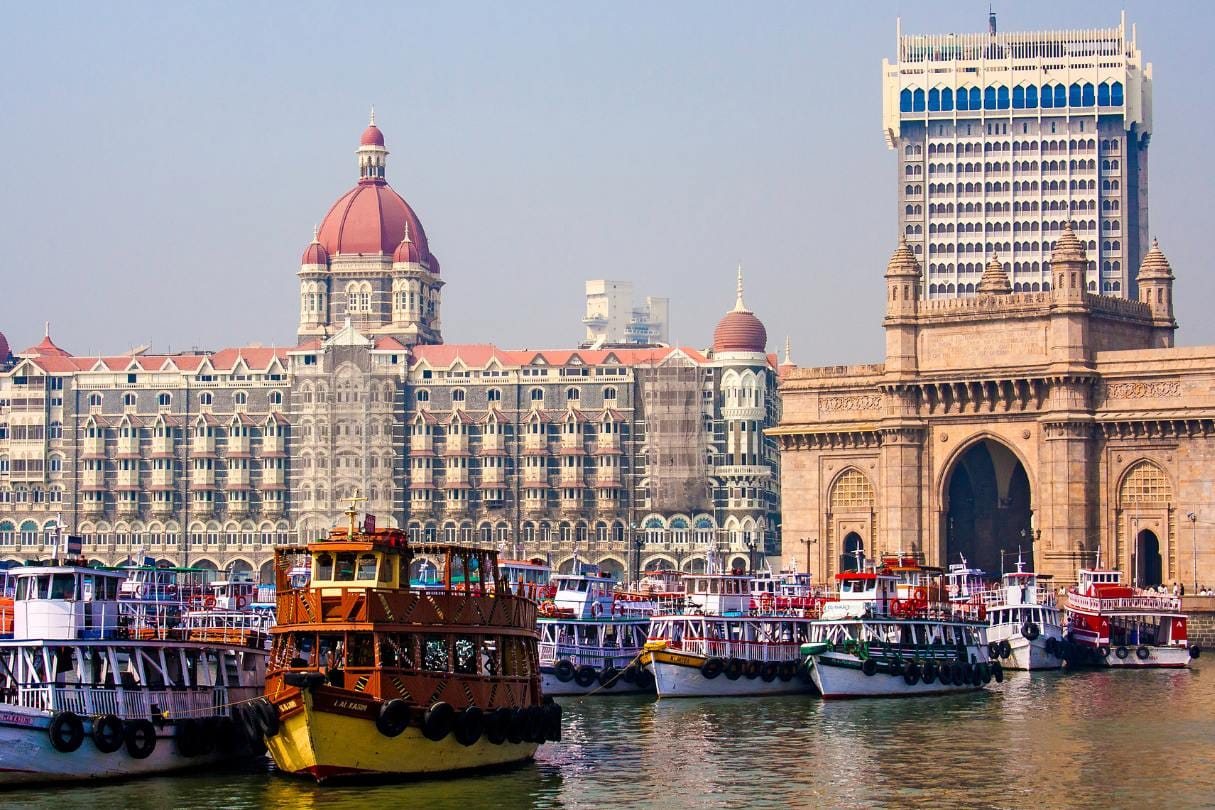
Mumbai Historical Sites Map
A Brief History of Mumbai
Today Mumbai is essentially one large peninsula but from as little as 300 years ago it was an archipelago made up of 7 islands.
For centuries these islands were home to the Koli fishing communities until they were absorbed into the Mauryan Empire around the 1st century CE. Their position on India’s west coast placed them on key trade routes linking India with the Middle East.
Early religious sites, like the Kanheri Caves, developed on the nearby mainland around this time.
Over the next 1,500 years the region passed through the hands of numerous empires, including the Satavahanas, Chalukyas, and later the Delhi Sultanate.
A major turning point came with the arrival of Europeans. In 1534 the Gujarati Sultan ceded the islands to Portugal under the Treaty of Bassein. The Portuguese called the area Bom Bahia (“good harbour”), which would later lead to the name Bombay.
In 1661 the islands were transferred to Britain as part of a royal marriage dowry. Initially a minor outpost, Bombay rose to prominence in the 19th century as British power expanded and regional rivals declined.
Trade surged, especially after the Suez Canal opened in 1869, and large-scale reclamation projects merged the islands into one peninsula.
Bombay grew into a major economic centre of British India until independence in 1947. The city continued to expand after independence, and in 1996 officially adopted the name Mumbai, now home to around 26 million people.
The 20 Best Historical Sites in Mumbai
1 | Gateway of India
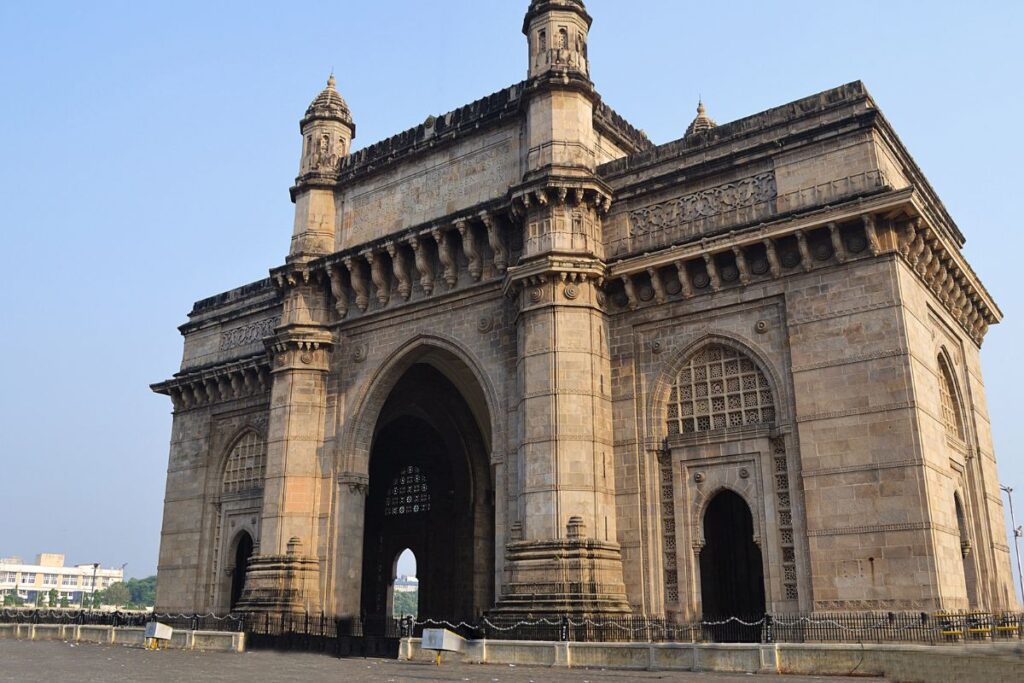
This majestic archway is the most famous landmark in Mumbai.
The 📍Gateway of India was built in 1911 to comemorate the arrival of King George on his state visit to the British Raj. It was the first time the British monarch had visited the India, so it was treated as a major event.
As a symbolic gesture, the Gateway of India is also where the last British troops formally left India in 1948.
It’s an awesome sight, with a style of architecture that is a mix of the European Triumphal Arch (like the Arc de Triompe in Paris) and traditional Indian architecture. You can’t visit the city without seeing the Gateway of India, one of the most iconic historical sites in Mumbai.
2 | Kanheri Caves
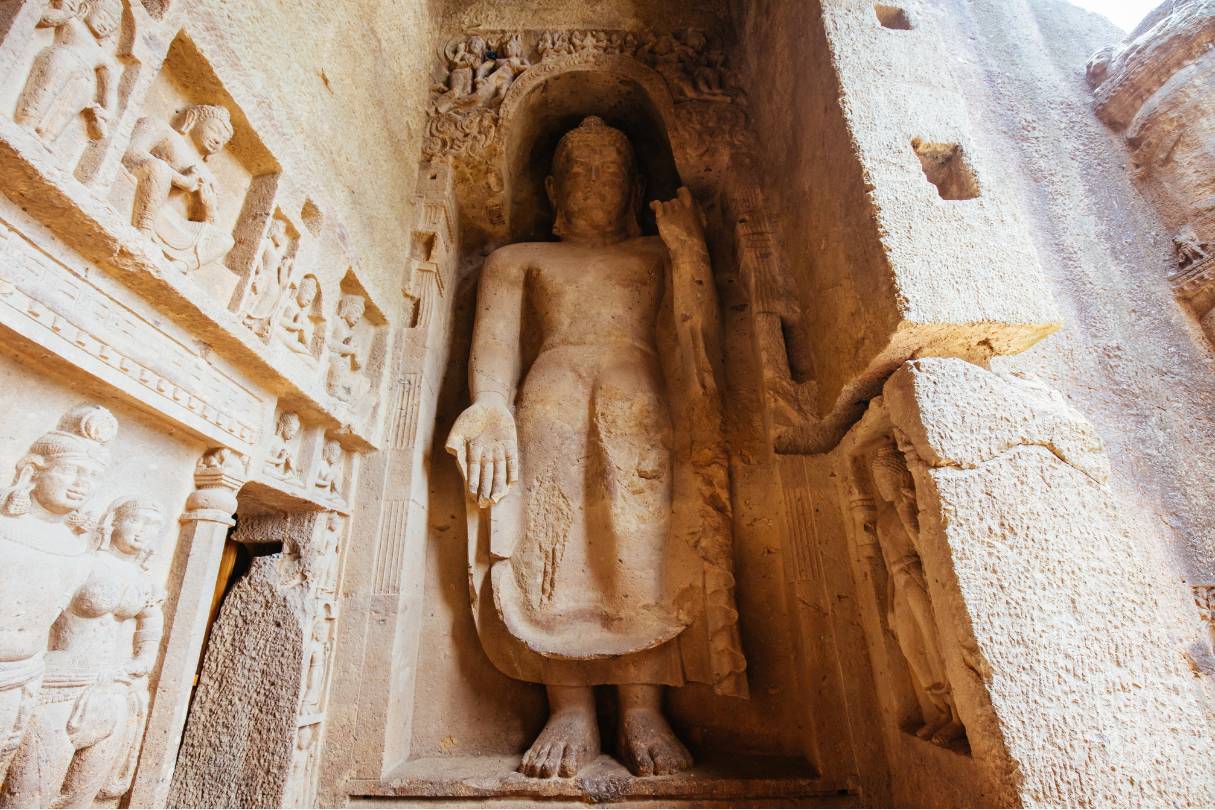
On the northern outskirts of Mumbai, inside Sanjay Gandhi National Park, you’ll find the 2000-year-old 📍Kanheri Caves.
These 109 caves, carved into a hillside overlooking the city, date back as far as the 1st century CE, when Buddhism first spread to the region. The site gradually expanded over the centuries with the latest caves being built in the 11th century.
Throughout this time this was a thriving religious centre, where Buddhists would live and worship inside the viharas (living spaces) chaityas (worshipping spaces).
Today visitors can escape the hustle n bustle of Mumbai and venture into the National Park to explore these impressive cave temples.
If you’re interested in history, or you’re unable to visit the famous Ellora & Ajanta caves, then you must visit the Kanheri Caves when in town. Combined with a day trip to Sanjay Gandhi National Park, they are one of the best historical sites in Mumbai.
Location
The Kanheri Caves are located inside Sanjay Gandhi National Park, on the northern outskirts of Mumbai.
Opening Hours
The Kanheri Caves are open from 9am to 5pm while the National Park is open from 7:30am to 6pm.
Entrance Fee
Sanjay Gandhi National Park Entrance Fee:
- ₹15 (Indian citizens)
- ₹200 (foreigners).
Kanheri Caves Entrance Fee:
- ₹5 (Indian citizens)
- ₹100 (foreigners).
3 | Taj Mahal Palace
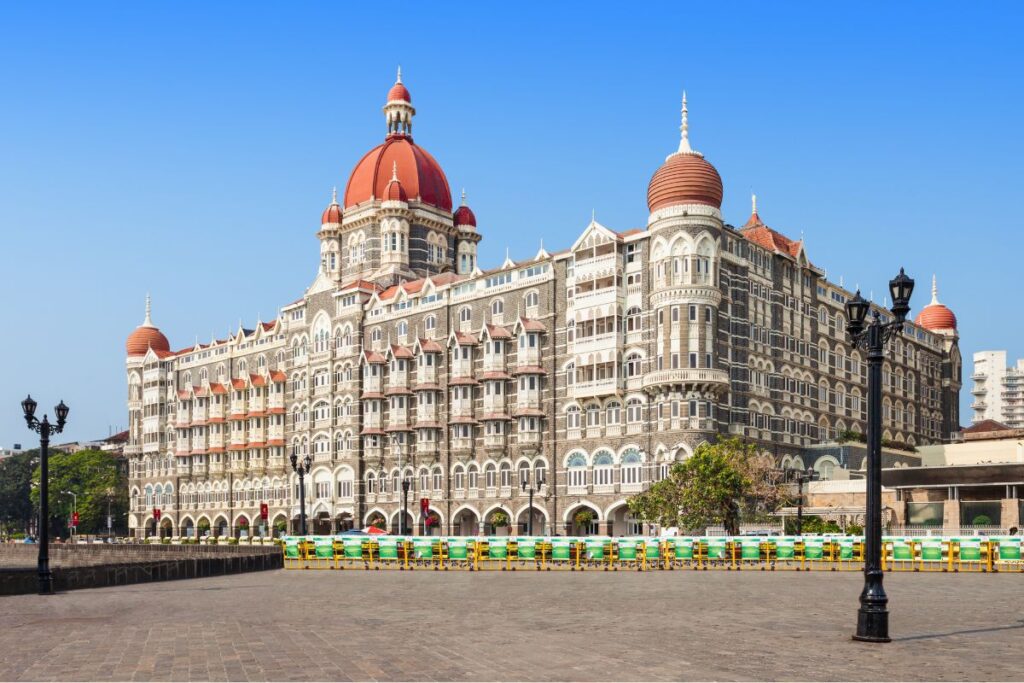
From the Gateway of India, you need only turn around to see the next entry on this list and another beautiful remnant from the British Raj.
Built in 1903, the 📍Taj Mahal Palace was the fanciest & most prestigious hotel in the East. It was built by Indian industrial mogul Jamsetji Tata, the founder of Tata Group (the largest corporation in India today).
Ever since then the hotel has become an important part of Mumbai’s history, hosting some of the most influential people of the past century, from world leaders to pop stars. It’s the only historical place on this list that you can actually stay in.
If you’re interested in staying or dining at the Taj Mahal Palace, check out their website.
But you don’t have to stay at the hotel to go inside and appreciate its beauty. Members of the public are welcome to dine at its many restaurants and cafes. Although expect it to be pricey, even by western standards.
4 | Elephanta Caves
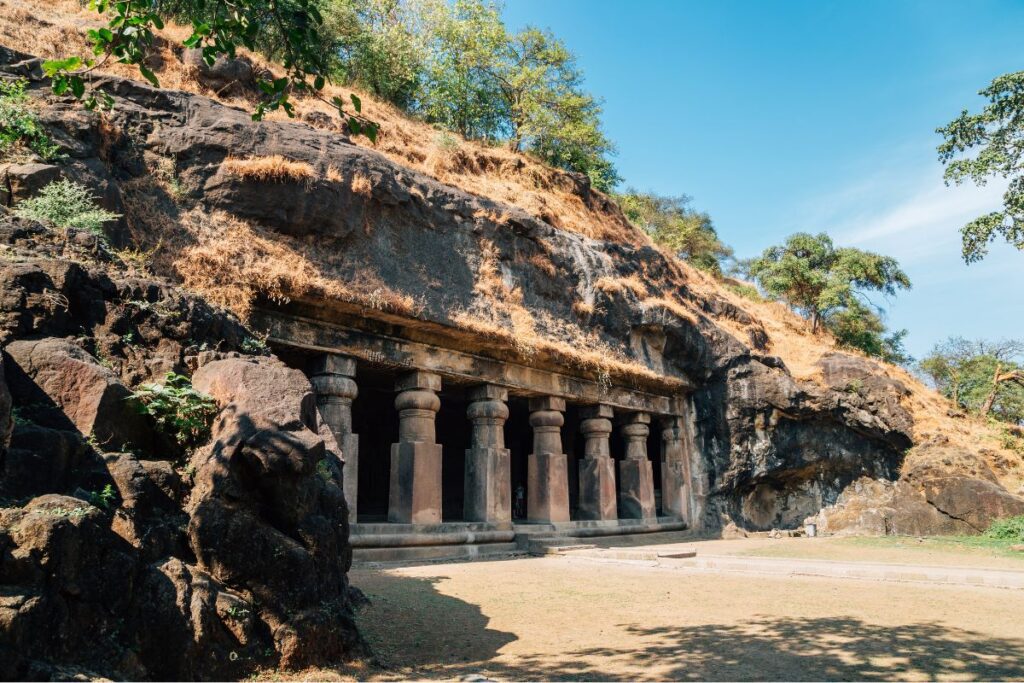
From the same ferry that arrives at the Gateway of India you can catch a ride across the bay to one of the oldest historical sites in Mumbai.
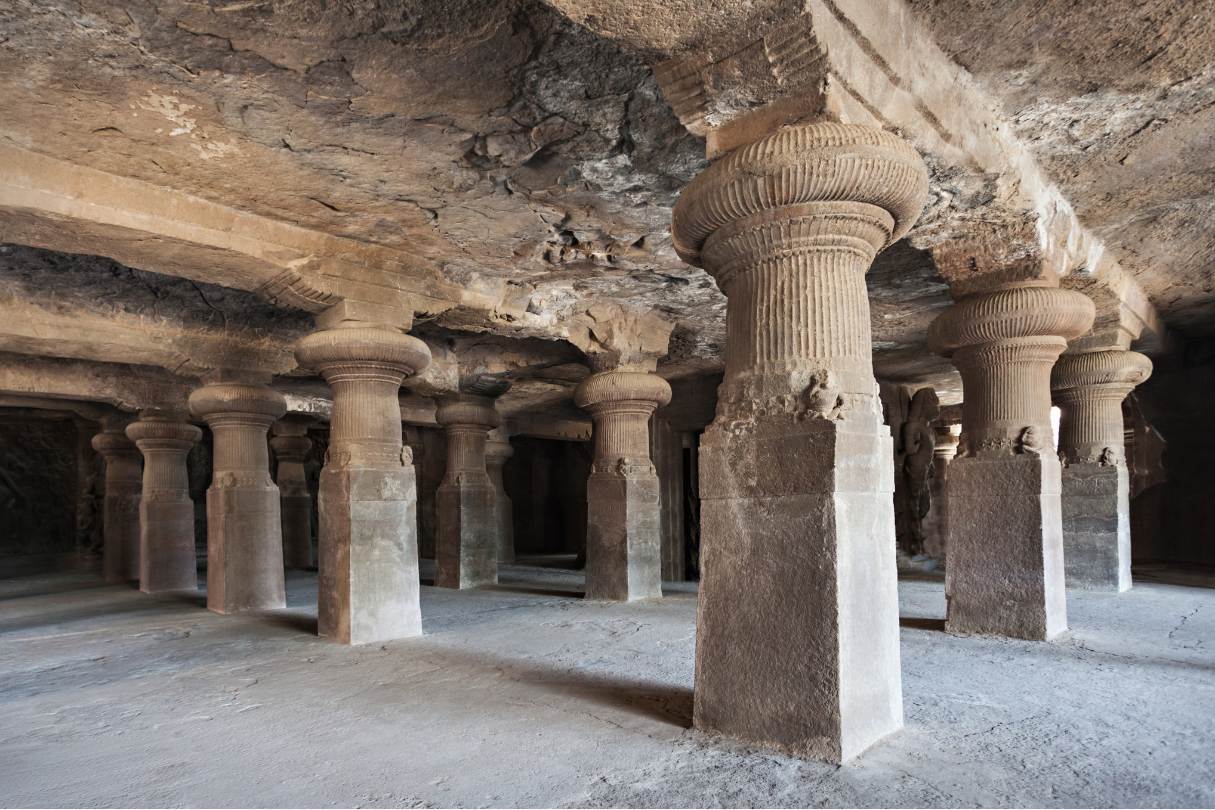
The Elephanta caves are a series of ancient Buddhist & Hindu temples & religious sites constructed thousands of years ago.
The history of the caves is a little fuzzy, but it’s generally believed that people first inhabited the island around 2200 years ago and, sometime within the next few hundred years, constructed the first temples, dedicated to Buddhism. This makes it quite possibly the holdest historical site in Mumbai.
Somewhere around the 6th century CE, when the religious climate had changed, more caves were carved into the island, this time being Hindu and dedicated to Lord Shiva.
Today these caves are a must-see historical site when visiting Mumbai. They host some beautiful stone-carved architecture, with the walls being covered in intricately designed reliefs and a massive 7-metre tall sculpture of Shiva in Cave 1.
Location
Elephanta Island, Mumbai Harbour
Opening Hours
Ferries run from the Gateway of India every 30min from 9am to 3:30pm, with the last boat returning to the mainland at 5:30, everyday except Mondays. The ferry hour takes about 1 hour.
Entrance Fee
The ferry will cost about ₹260 return, while entry to the site will cost ₹600.
5 | Chhatrapati Shivaji Terminus
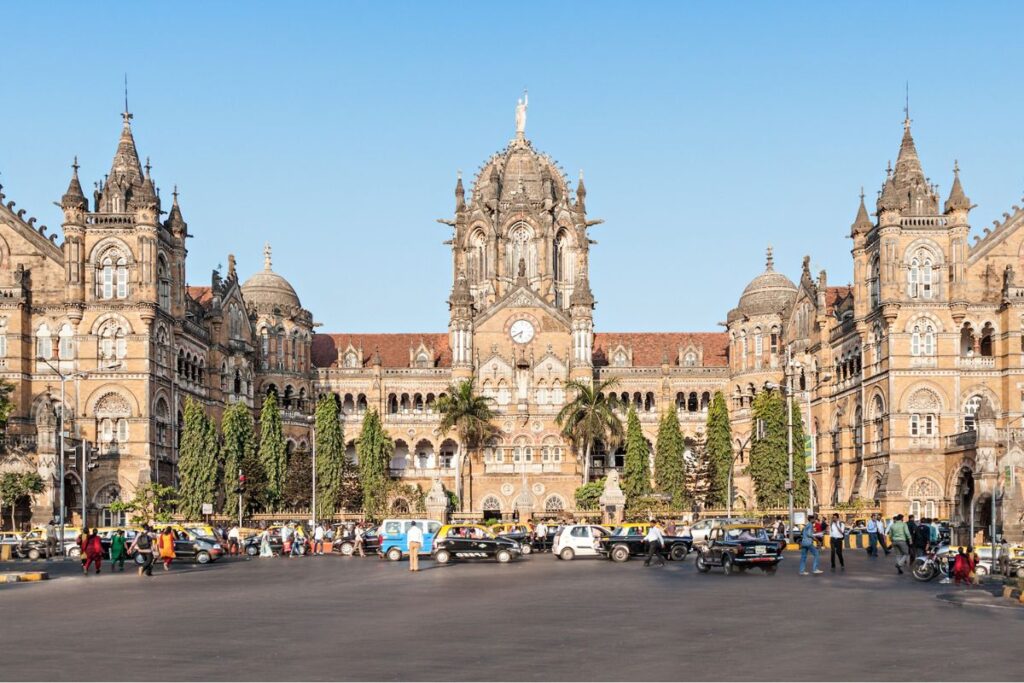
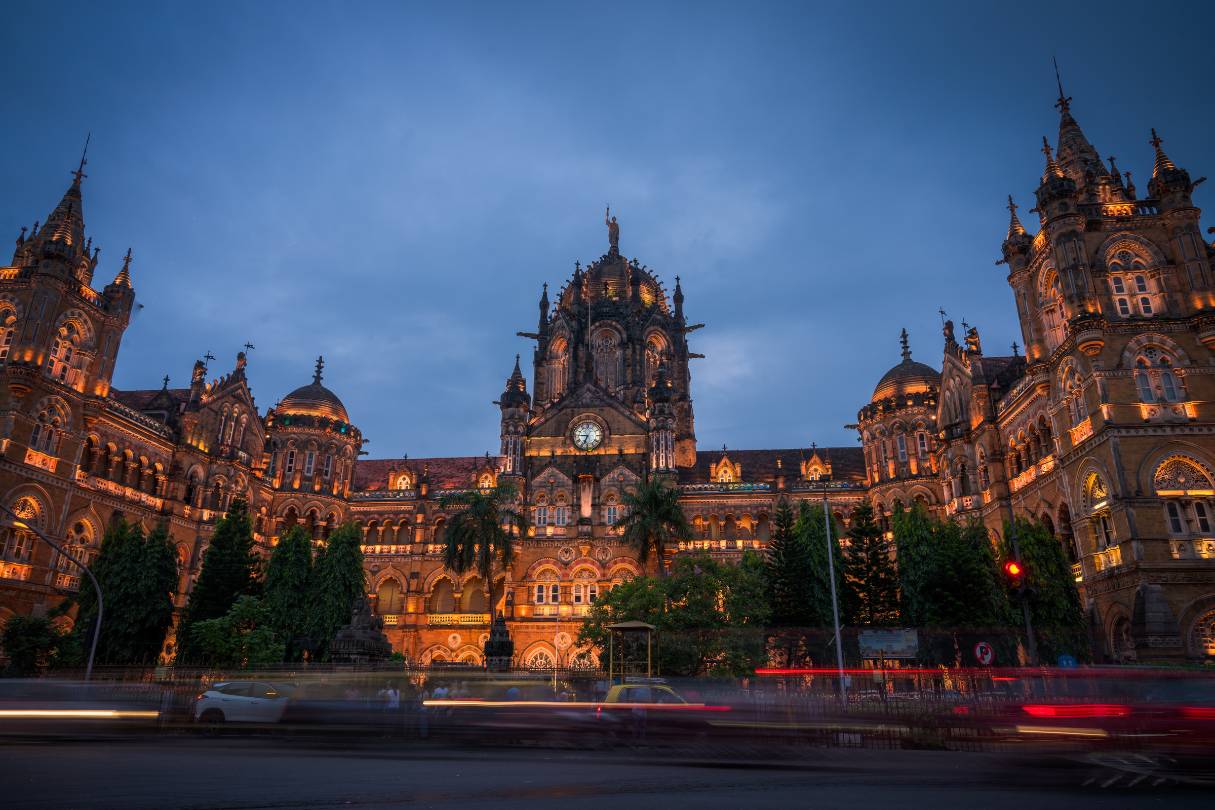
The 📍Chhatrapati Shivaji Terminus is so stunning you’d be forgiven for mistaking it for a royal palace, but this UNESCO World Heritage Site is one of the busiest train stations in the country.
Built in 1887, it was originally named Victoria Station, but like many colonial sites after the British withdrawal, it was renamed to represent Indian culture. It’s currently named after a famous warrior king from the region’s history (a name you’ll see a lot when visiting Mumbai).
Unlike some other colonial-era buildings on this list, the terminus’ architecture doesn’t incorporate any traditional Indian elements, but was built solely in a European Gothic style. It looks as if it was picked straight from Europe and placed in downtown Mumbai.
6 | Mani Bhavan (Gandhi’s house)
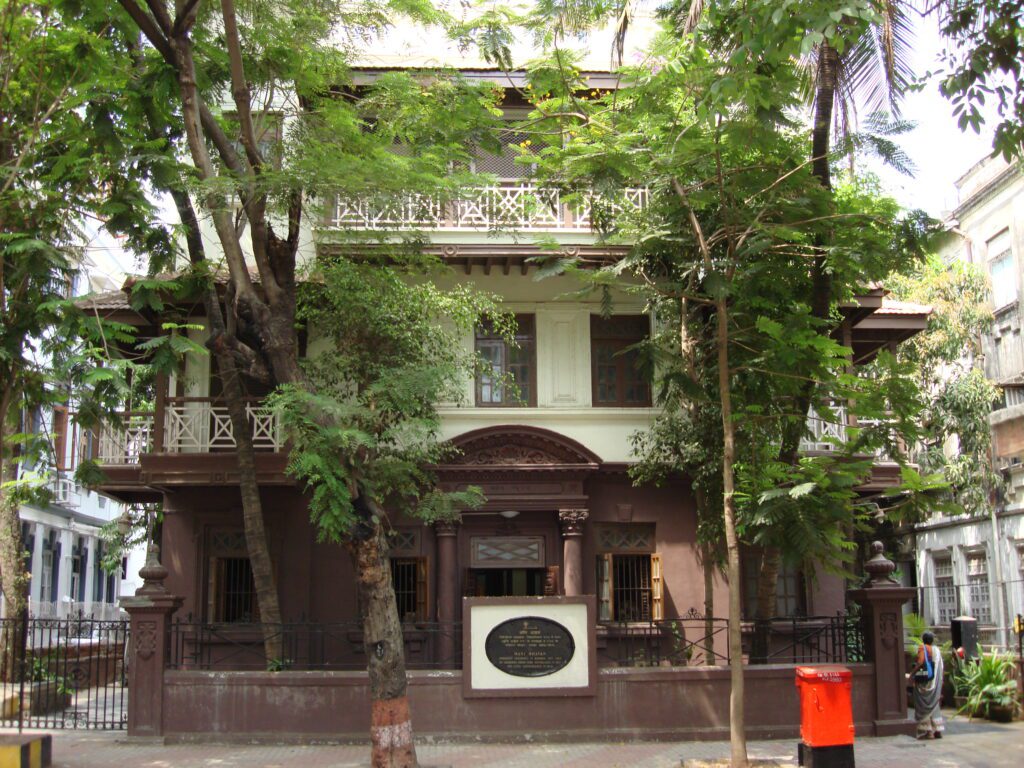
Gandhi was such an influential figure in India’s modern history that there are multiple historical sites around the country dedicated to his life or his resistance movement, and one can be found right here in downtown Mumbai.
From 1917 to 1934 📍Mani Bhavan was Gandhi’s Mumbai headquarters during his independence movement. He did not live here permanently (he had another place in Ahmedabad) but would visit often in his efforts to force the British to withdraw.
It was from this 2-story building that Gandhi launched many of his political campaigns, making it an important part of India’s history.
Today this 2-story building serves as a memorial to the independence movement, with a museum, a library and research centre on Gandhian philosophy. Here you can explore Gandhi’s living quarters (which have been preserved) a photo gallery depicting his life, and view old films of his most famous speeches.
Location
Mani Bhavan is located onLaburnum Road, Gamdevi.
Opening Hours
Mani Bhavan is open from 9:30am to 6pm daily.
Entrance Fee
The entrance fee for Mani Bhavan is ₹20.
7 | Haji Ali Dargah
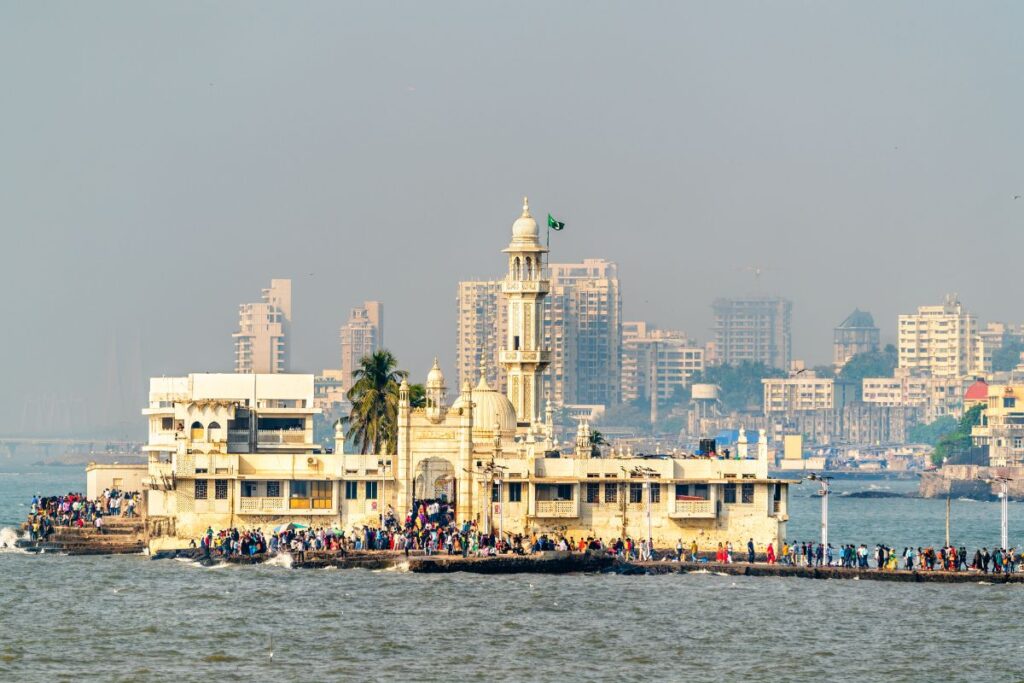
In the 15th century a wealthy merchant from Uzbekistan abandoned his riches and made a pilgrimage to Mecca. Rather than return home, he continued travelling and eventually settled in what is now Mumbai.
He became a renowned holy man with many followers. Before his death he asked them to throw his coffin in the sea and bury him wherever it lands. It landed on a small islet just off the west coast, where his followers obeyed his request and built a tomb.
Or at least that’s how the legend goes. Regardless, 📍Haji Ali Dargah is now among the most significant Islamic sites in Mumbai and sees thousands of pilgrims & tourists every day.
The tomb and shrine was originally built in 1431, although has undergone multiple renovations to keep it intact. So while it is old, the buildings you see today are not the original.
However, the Haji Ali Dargah is still a beautiful site to visit, with its Indo-Islamic style of architecture made even more stunning by seemingly floating on the Arabian Sea.
Location // Haji Ali
Opening Hours // 5:30 to 10pm
Entrance Fee // Free (but donations encouraged)
8 | Chhatrapati Shivaji Museum
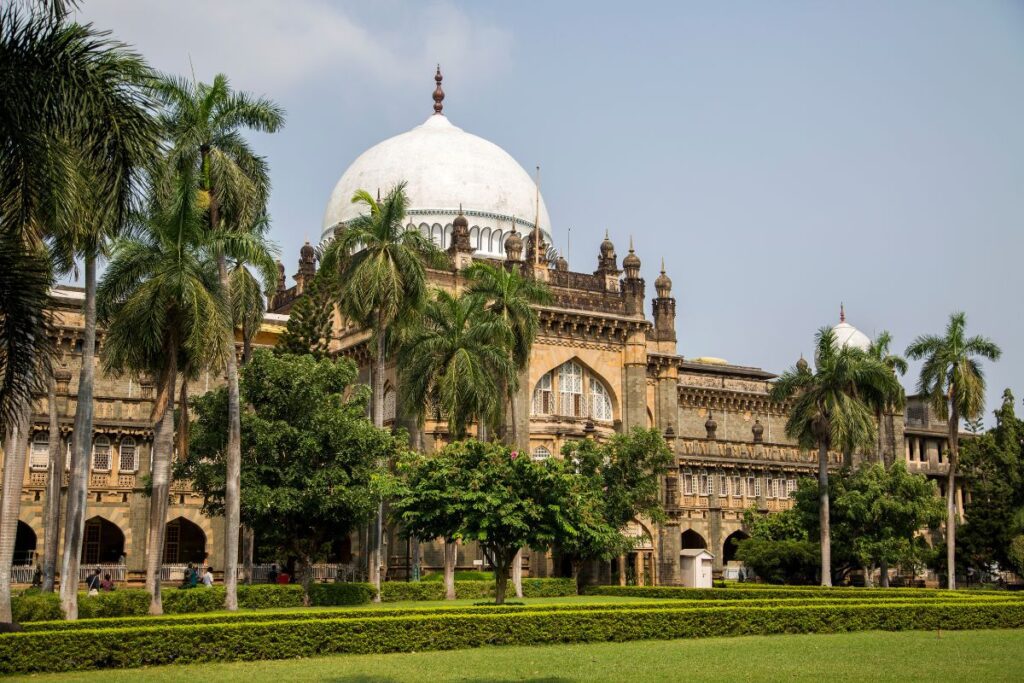
If you really want to get to know the history of a place, you have to visit a museum, and the 📍Chhatrapati Shivaji Museum is Mumbai’s best.
This majestic gothic-style building was completed in 1915, during the British Raj. It was originally named the Prince of Wales Museum, after the soon-to-be-King George, before being renamed after the British withdrawal.
The museum features a mix of art, archaeology & natural history.
Its collection is largely made up of sculptures, paintings, tools and weapons from India’s prehistory to today. Plus an extensive taxidermy collection, showing off India’s diverse wildlife.
It may not be on par with world-famous museums like the British Museum, but Chhatrapati Shivaji Museum is the best place to learn more about the history of Mumbai and India.
9 | Worli Fort
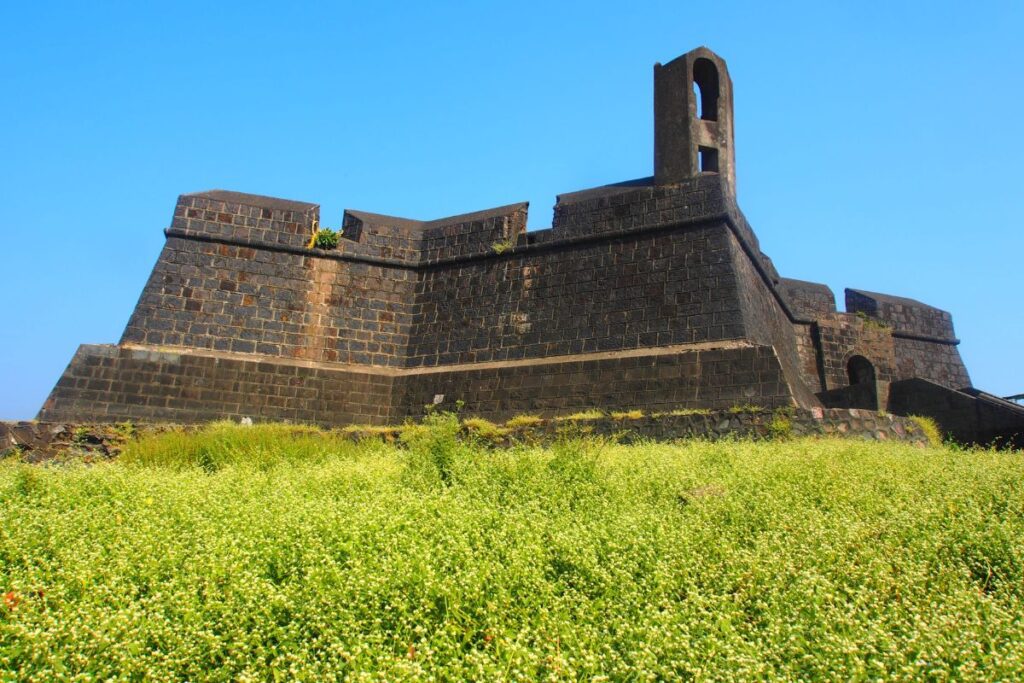
There are many historic forts along Mumbai’s coastline – remnants from Portuguese and British times – but the best example might be 📍Worli Fort.
Built in 1675, around the time the islands of Bombay were handed over to the British, this fort is among the city’s oldest colonial sites.
There’s some dispute over who built this fort. Some say the Portuguese, others the British. In any case, the majority of its 350 life-span were in the hands of the British and it was used by them to defend against attacks from the Portuguese and the Maratha Empire in the 1700s.
Visitors are free to explore the interior of the fort. While the site is in need of some maintenance, the structure itself is in great condition.
Being located on the west coast, its also a great spot for sunsets.
10 | Mahakali Caves
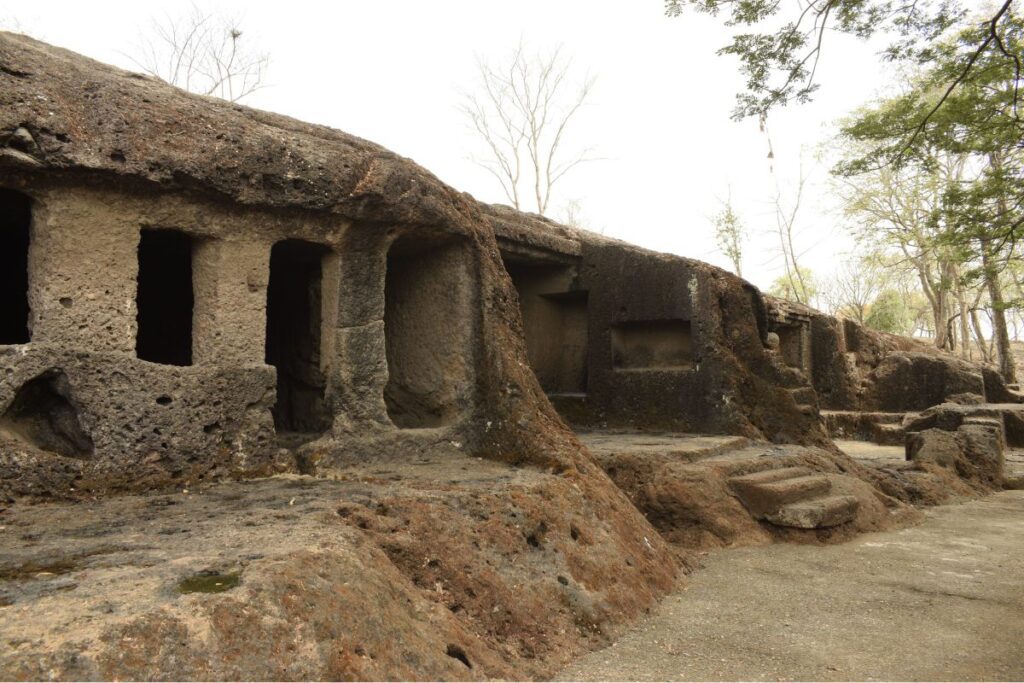
The Kanheri and Elephanta Caves may be the most popular ancient caves in Mumbai, but they aren’t the only ones. There are a bunch of them hidden amongst the city chaos, like the📍Mahakali Caves.
These caves were carved into a basalt hillside in the modern-day suburb of Andheri between the 1st century BCE and the 6th CE. The 19 caves are made up of a mixture of living quarters & worshipping halls, covered in carvings & sculptures depicting buddhist iconography.
These caves are of a similar style to others in the region and are not as impressive as their more famous counterparts, but if you’re looking to see an interesting contrast between ancient and modern Mumbai, the Mahakali Caves are worth a visit.
11 | Rajabai Tower
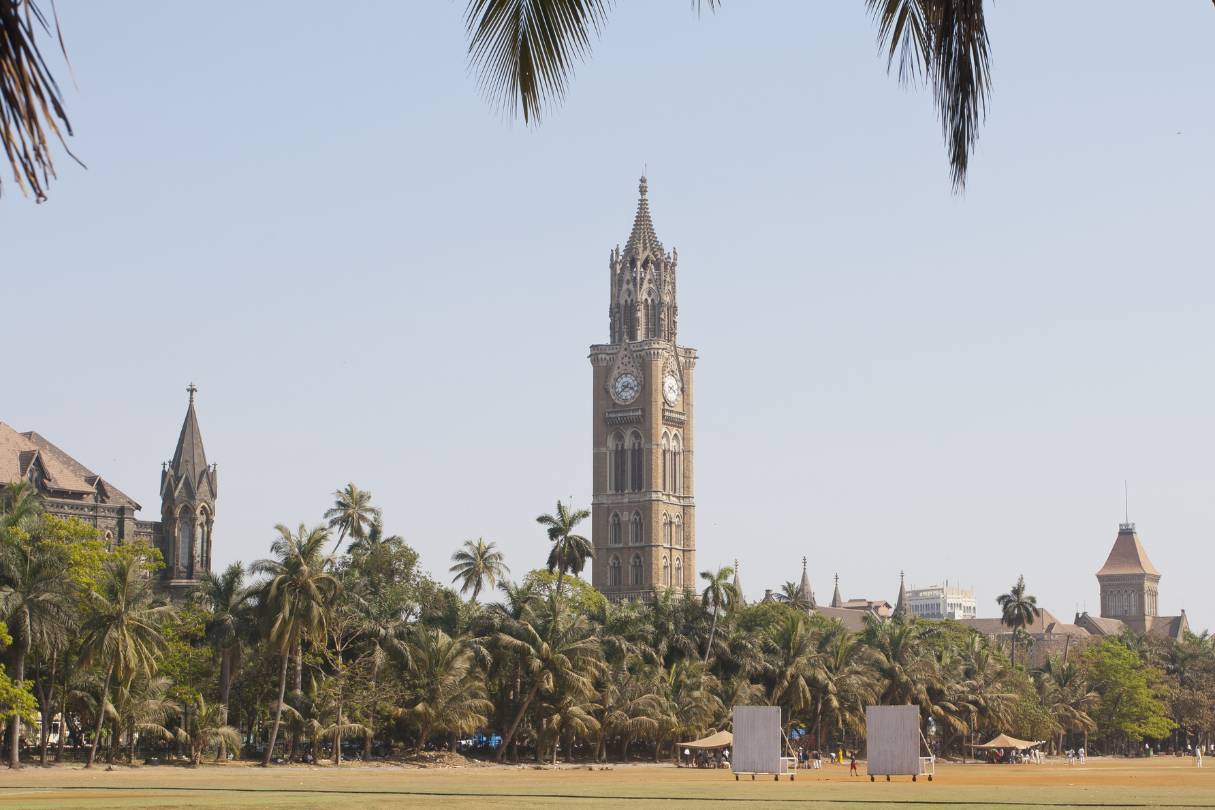
Designed as the Big Ben of India, the 📍Rajabai Clock Tower is one of Mumbai’s most iconic landmarks.
This 85m tall, Venetian-Gothic structure was designed by a renowned British architect and commissioned by a local Indian businessman in 1869. At the time it was the tallest building in the city.
Today it towers over the University of Mumbai and Oval Maiden as a reminder of the city’s British heritage.
Tourist entry into the tower was stopped years ago for safety reasons, but the tower is worth checking out as you explore downtown.
12 | Jogeshwari Caves
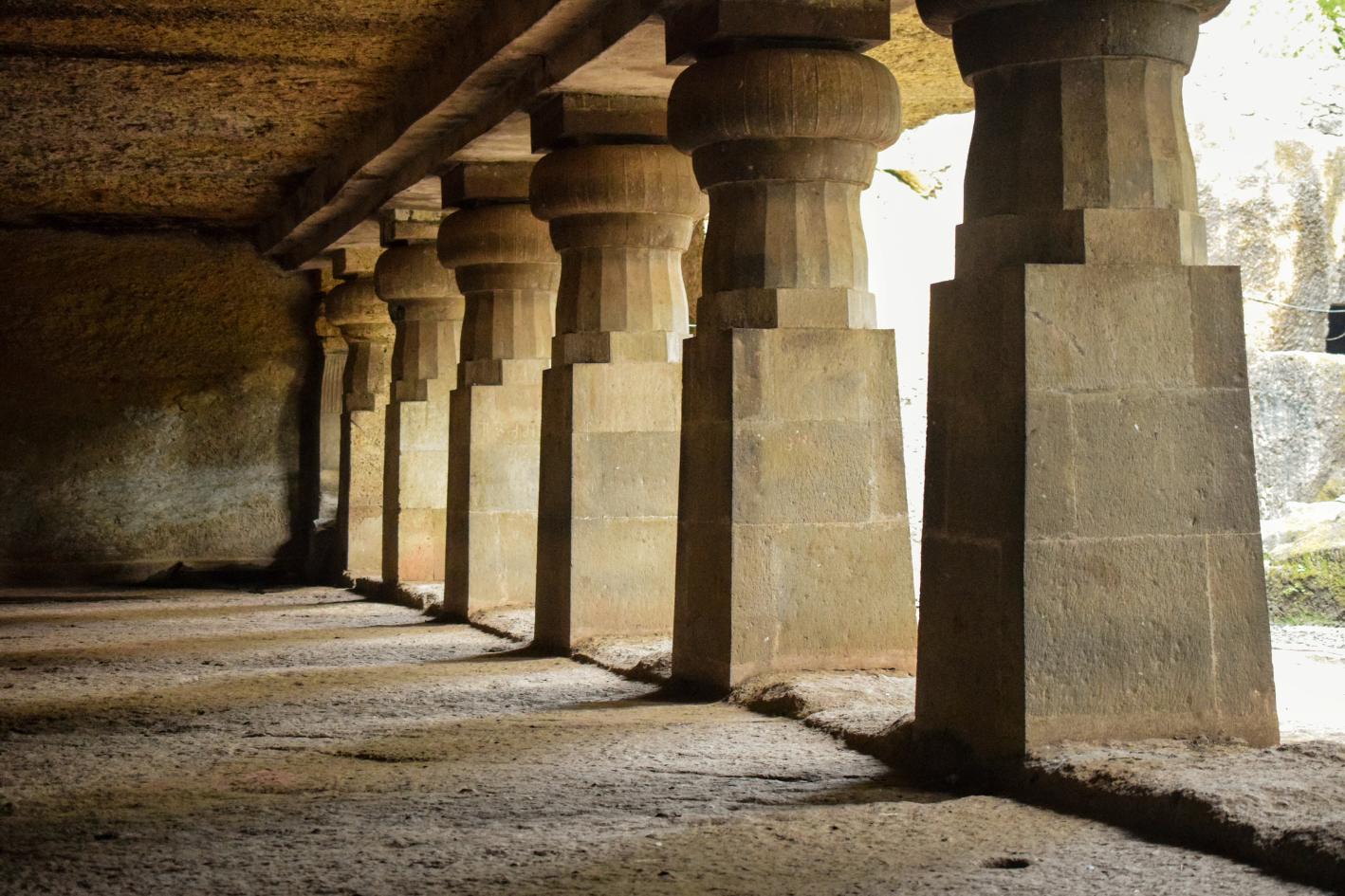
If you can’t get enough of ancient caves hidden amongst the streets of Mumbai, you can also visit the 📍Jogeshwari Caves.
Unlike most other caves in Mumbai, Jogeshwari is Hindu rather than Buddhist. In fact, it’s among the oldest Hindu temples in the region.
The caves, which date back to the 5th century CE, are somewhat unassuming from the outside due to erosion, but when you enter the main hall you’ll find yourself in a massive underground vihara with rows of pillars and beautiful sculptures.
Walking a just a few metres from the busy streets of one of the world’s largest cities and into this ancient structure really is like stepping back through time.
13 | BMC Building
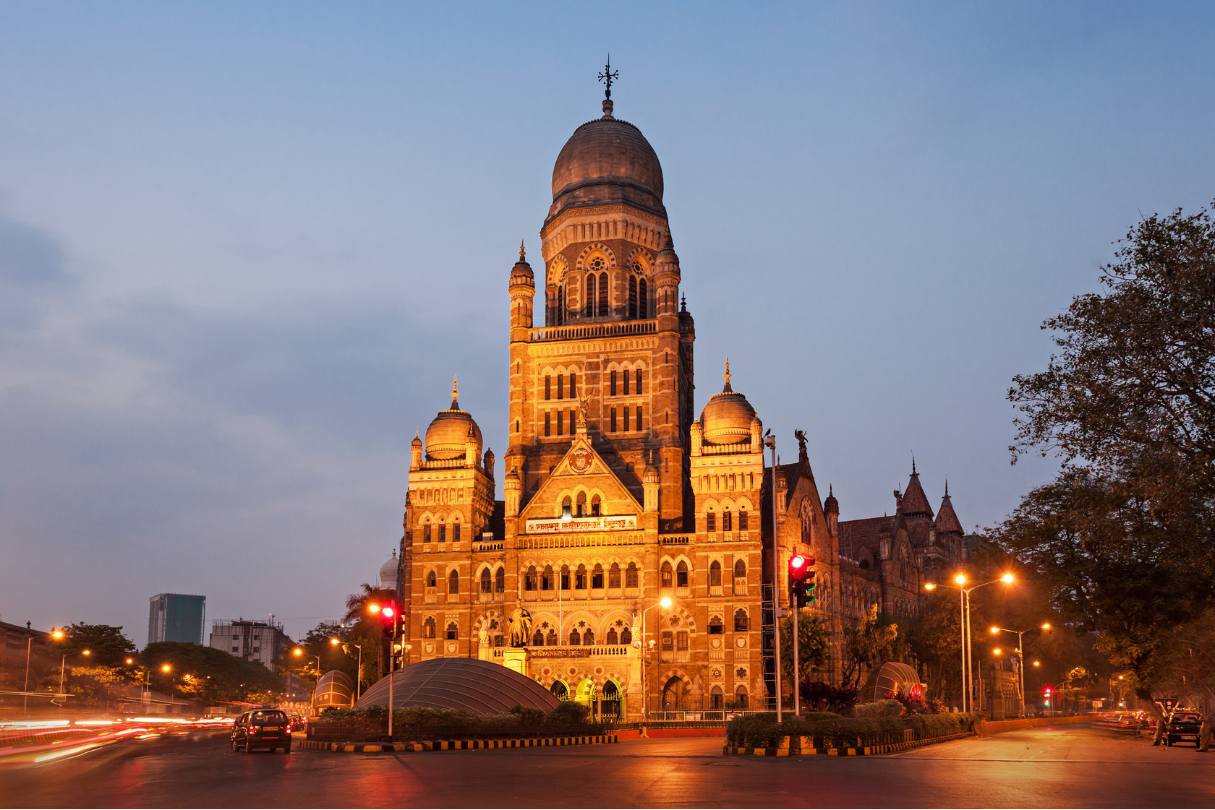
Just opposite the UNESCO-listed Chhatrapati Shivaji Terminus you’ll find another stunning British heritage building.
The 📍BMC Building, officially called the Municipal Corporation Building, was built by the British in 1893. Designed with a combination of European and Indian architecture, the building has served as the city government headquarters ever since.
It’s incredible exterior is outmatched only by its interior, which you can only see via this 🎟 guided tour.
14 | Sion Fort
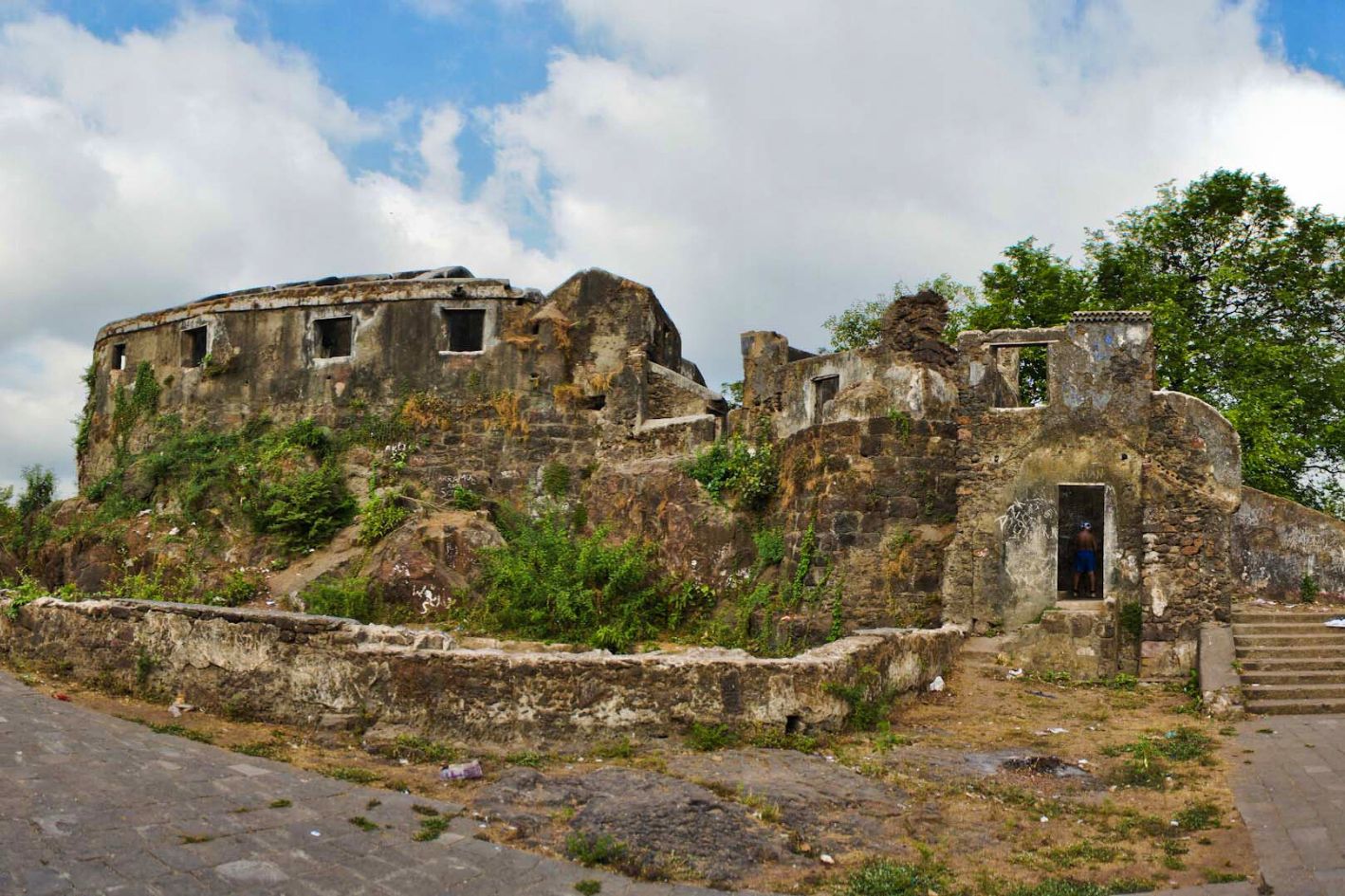
Right in the middle of Mumbai is another hidden historical gem: 📍Sion Fort.
In the 1660s the islands that would become Mumbai were controlled by the British East India Company, while the land to the north remained in the hands of the Portuguese Empire.
Sion Fort was built by the British to mark the border between these two territories, on top of a hill overlooking what is now a vast metropolis.
It may not have the same grandeur of some of the other places on this list and is in desperate need of some preservation, but with its amazing views of the city it’s still among Mumbai’s top historical sites.
15 | Mahim Fort
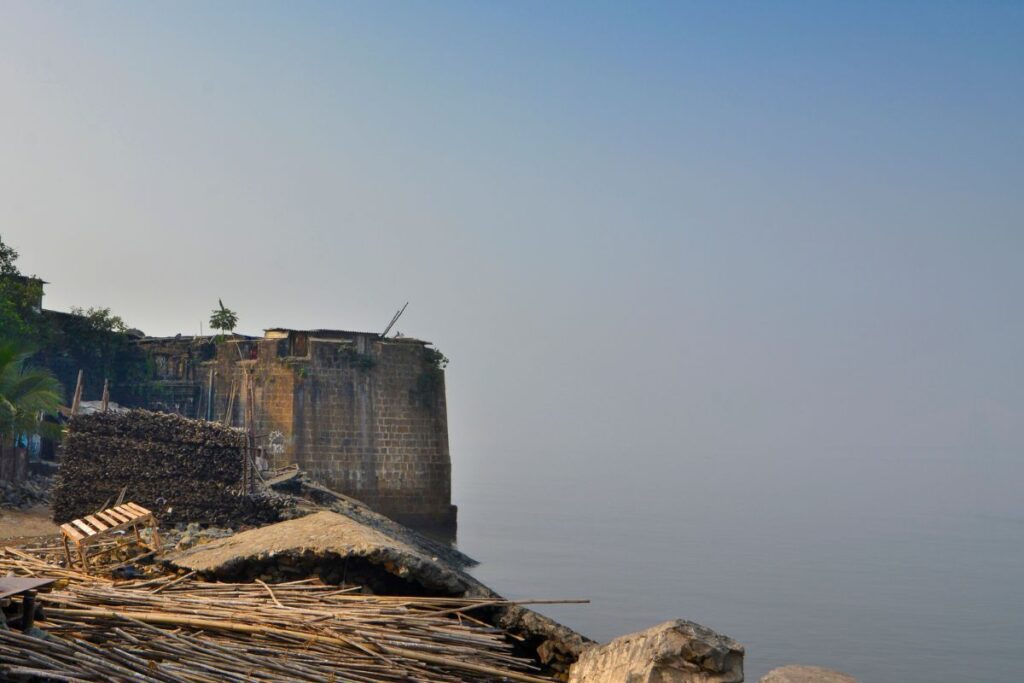
📍Mahim Fort is known as a colonial site but its origins date back much further. The original structure is believed to have been built in the 12th century by a local ruler, back when this site was the island of Mahim.
After it was conquered by the Portuguese and then handed over to the British, it was re-constructed, giving it a more European style. It wasn’t long before the British would be defending the fort from the very same Portuguese.
Unfortunately today the fort is a lot less sought after. It is in dire need of restoration and gradually being swallowed up by the sea, but still makes for a fascinating visit if you’re interested in the Mumbai’s colonial history.
16 | Banganga Tank
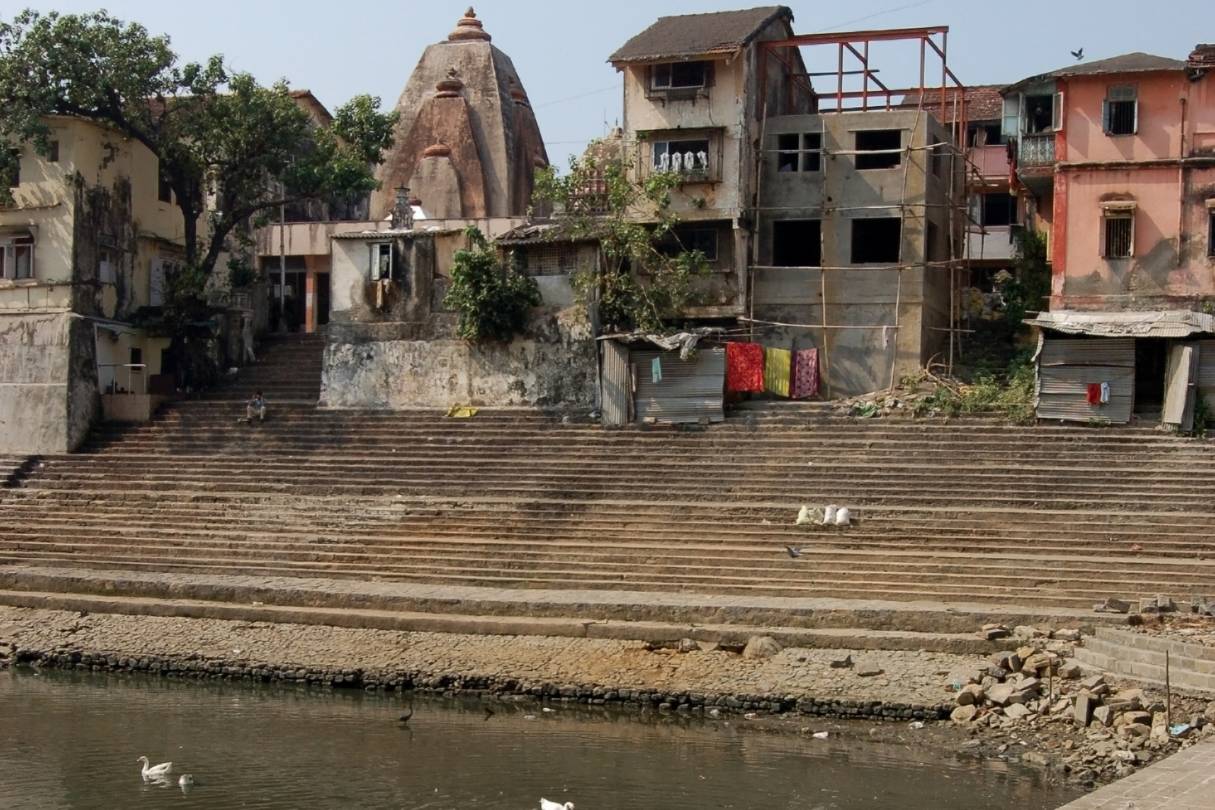
This 900 year old freshwater well is one of Mumbai’s most sacred places.
A part of the Walkeshwar Temple complex, the 📍Banganga Tank was first built in 1127 CE by the local Kingdom at the time. It would later be mostly destroyed by the Portuguese before being rebuilt in the 18th century.
The ancient stepwell is tucked away in the suburbs north of Back Bay, surrounded by holy temples, and is still used by locals to bathe in each morning.
Banganga Tank today is a bit rundown and dirty, otherwise it would be higher on this list, but its age and religious significance still make it among Mumbai’s most interesting heritage sites.
17 | Bandra Fort
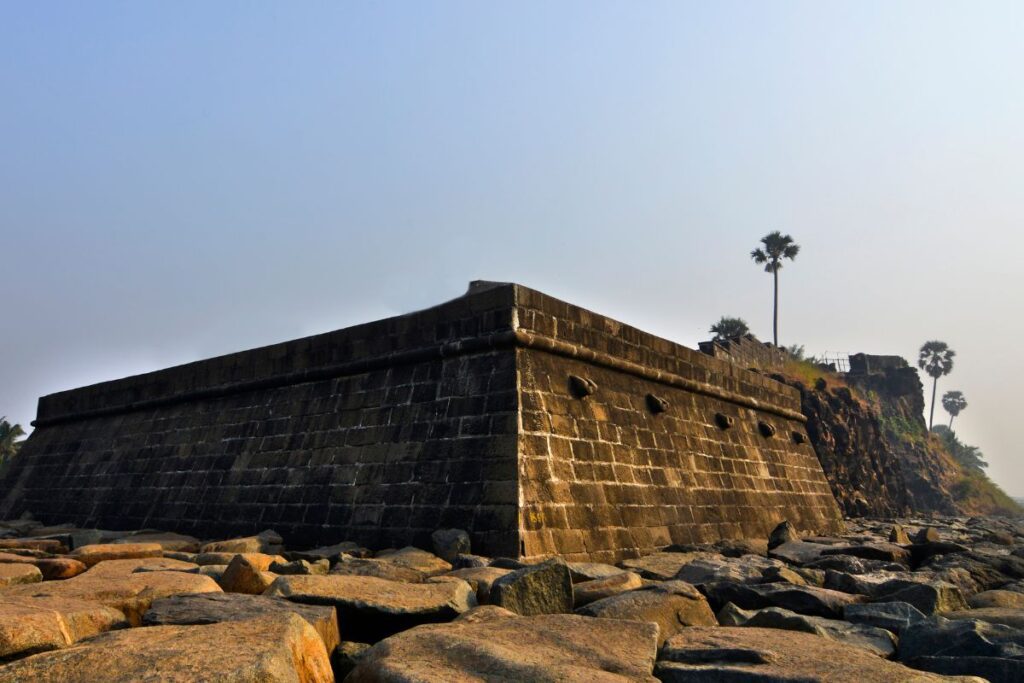
Along with Worli Fort and Mahim Fort, 📍Bandra Fort makes up the last of the British defences along Mumbai’s west coast.
Originally called Castella de Aguada, the fort was built in 1640 by the Portuguese. Its name (Aguada) was given to it because of a nearby spring of fresh water. The fort became a place where passing Portuguese ships would stop and re-supply.
Bandra Fort is free to visit and explore. Like Worli Fort (and unlike Mahim Fort), this site is relatively well maintained by the Archeological Survey of India.
Best time to visit Mumbai
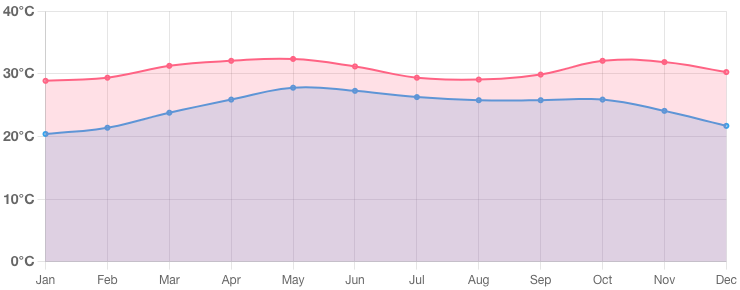
While there’s nothing stopping you from visiting Mumbai all year round, choosing the right time of the year can make your experience even better.
For the most part, Mumbai experiences 2 different seasons:
- Wet Season (March to August)
- Dry Season (October to February)
Even though most of the Mumbai tours in this article include a car with AC, you’re still going to be doing a lot of walking around outdoors, especially if you’re visiting places like the Kanheri Caves or Elephanta Island.
The best time to visit Mumbai is during the winter months from November to February. The weather is cooler and more pleasant compared to the hot summers or the heavy rains during the monsoon season (June to September).
How to get to Mumbai
Being India’s 2nd largest city and its primary economic centre, Mumbai is well connected and easy to reach no matter where you’re coming from.
If Mumbai is the first stop on your India itinerary, you can fly directly into the city at Chhatrapati Shivaji Maharaj International Airport. You can also find cheap domestic flights that arrive here too.
If heading to Mumbai from nearby tourist destinations, like Pune, Ahmedabad, or Rajasthan, then you can easily reach the city by booking a bus or train.
Where to stay in Mumbai
Mumbai is a massive city, and it can take a long time to get from one side to the other. So choosing the right area to stay in matters.
Most of the top historical tourist attractions in Mumbai are located in the ‘peninsular city’, which means the southern area of the city towards the end of the peninsular.
Ideally, this is where you want to be.
Area’s like Fort or Colaba would put you closest to the top tourist attractions, but will be more expensive. Otherwise, you can find more affordable places further out.
So long as you’re in the ‘peninsular city’ area, you’re in the right spot to visit Mumbai’s top historical places.
Planning your trip to India
Now that you have all the information on exploring Mumbai’s historical sites, it’s time to start planning your trip to India. Here are some resources to help you get started:
✈ Flights: Trip.com and Skyscanner are the best resources for finding cheap flights to India.
🚅 Transport: 12Go is the best online platform for booking trains and buses in India, and across Asia.
🏨 Accommodation: Booking.com is the best resource for finding amazing hotels in India, while Hostelworld is the best for finding hostels.
🏥 Travel Insurance: Heymondo covers all the essentials in India, including theft, medical and cancellations.
🛜 Internet: To stay connected in India, you can use Airalo. They offer an eSIM, meaning all you need is a smartphone and and the app.
🌐 VPN: To stay connected and access service that may not be available in India, use NordVPN.
🏄 Tours & Day Trips: Get Your Guide and Viator are the top platforms for tours and activities in India.
🎟 Tickets: Official websites to historical sites in India rarely sell tickets online. But often you can purchase them from Klook, allowing you to save time by booking in advance.
Disclosure: This post may contain affiliate links.
Further reading on Mumbai
Here are more guides related to Mumbai, to help you plan your trip:
⬤ While in Mumbai, be sure to visit the ancient Kanheri Caves. Check out: Complete Guide to the Kanheri Caves | Ancient History on Mumbai’s Doorstep
⬤ For the best guided tours for Mumbai’s many historical sites, check out: 6 Best Historical Mumbai Tours to Book in 2026.
⬤ From Mumbai, you venture inland to Aurangabad, where you can visit the world famous Ellora & Ajanta Caves. Check out: Ellora & Ajanta Caves | Complete Guide to India’s Largest Cave Temples.
⬤ For more historical travel guides on India, visit our India page.