Vietnam is an amazing destination for history lovers.
From the ancient ruins of the lost Champa Kingdom, to citadels from the imperial era, to remnants of the Vietnam War, there’s a lot to explore here.
I’ve spent months travelling up and down the length of this country, and I’ve narrowed it down to the top 15 historical places in Vietnam.
Vietnam Historical Places on a Map
The 15 Best Historical Places in Vietnam
1 | Hue Imperial Citadel
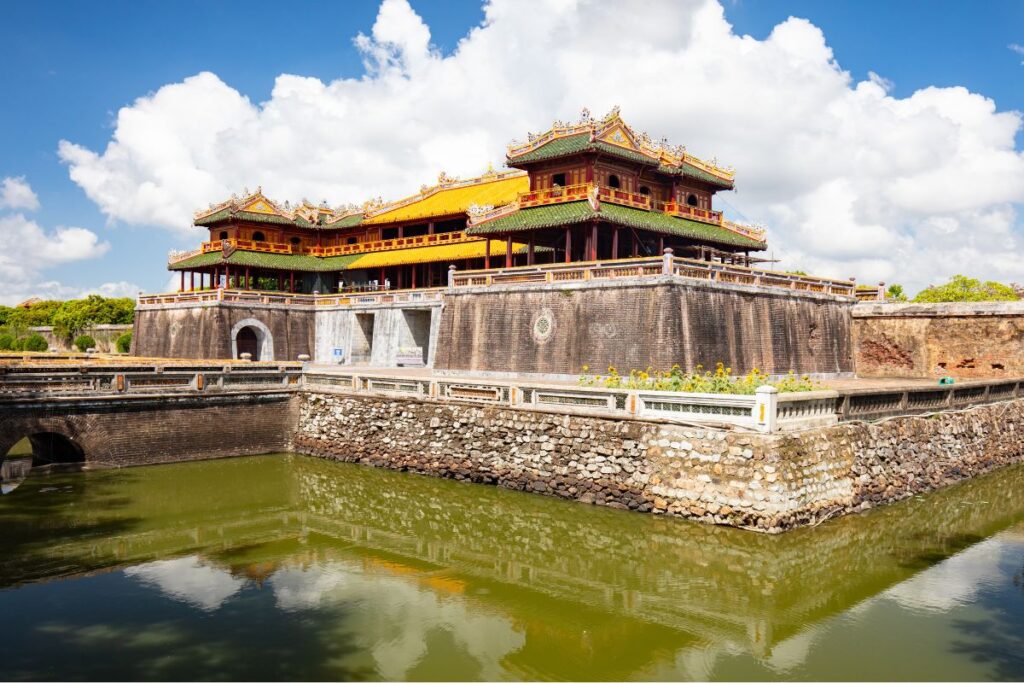
📍Hue Imperial Citadel is perhaps the best remnant from Vietnam’s imperial era.
Designed to resemble the Forbidden City in Beijing, the citadel was built in 1802 during the Nguyen Dynasty. At the time was the centrepiece of the imperial city of Hue.
During its day it housed multiple royal residences, temples, gardens and some smaller villas. It was from here that the last dynasty ruled over a unified Vietnam.
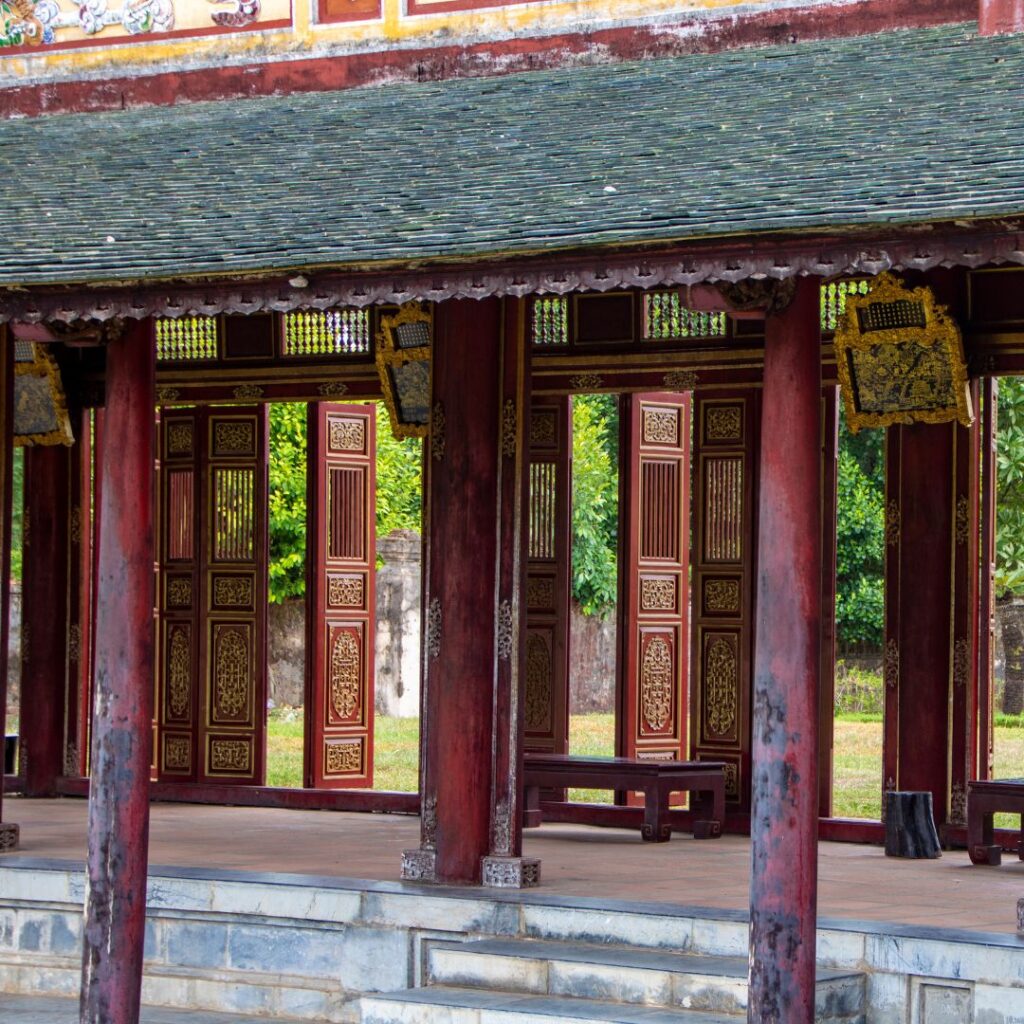
Hue was caught in the crossfire of the Vietnam War, causing heavy damage to the citadel. Thankfully, its being restored, but efforts are ongoing and parts the citadel are still being reconstructed.
Regardless, the citadel is open to visitors and is the best historical site in an already historical city.
2 | My Son Sanctuary
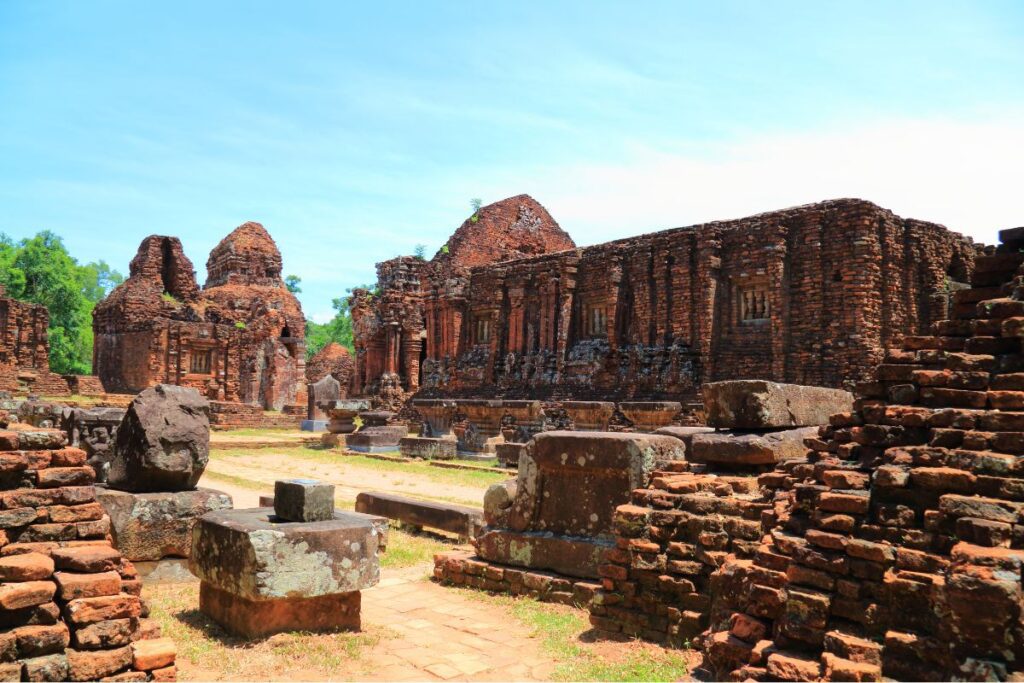
Before it was conquered by the Vietnamese, central Vietnam was home to the Champa Kingdom. The ruins of this lost kingdom are scattered across the region and the best of them can be found at 📍My Son Sanctuary.
From the 4th to the 13th century CE, My Son was the royal holy site for Champa, situated near its capital at Indrapura. Most of the structures here were Hindu temples and shrines used for religious ceremonies.
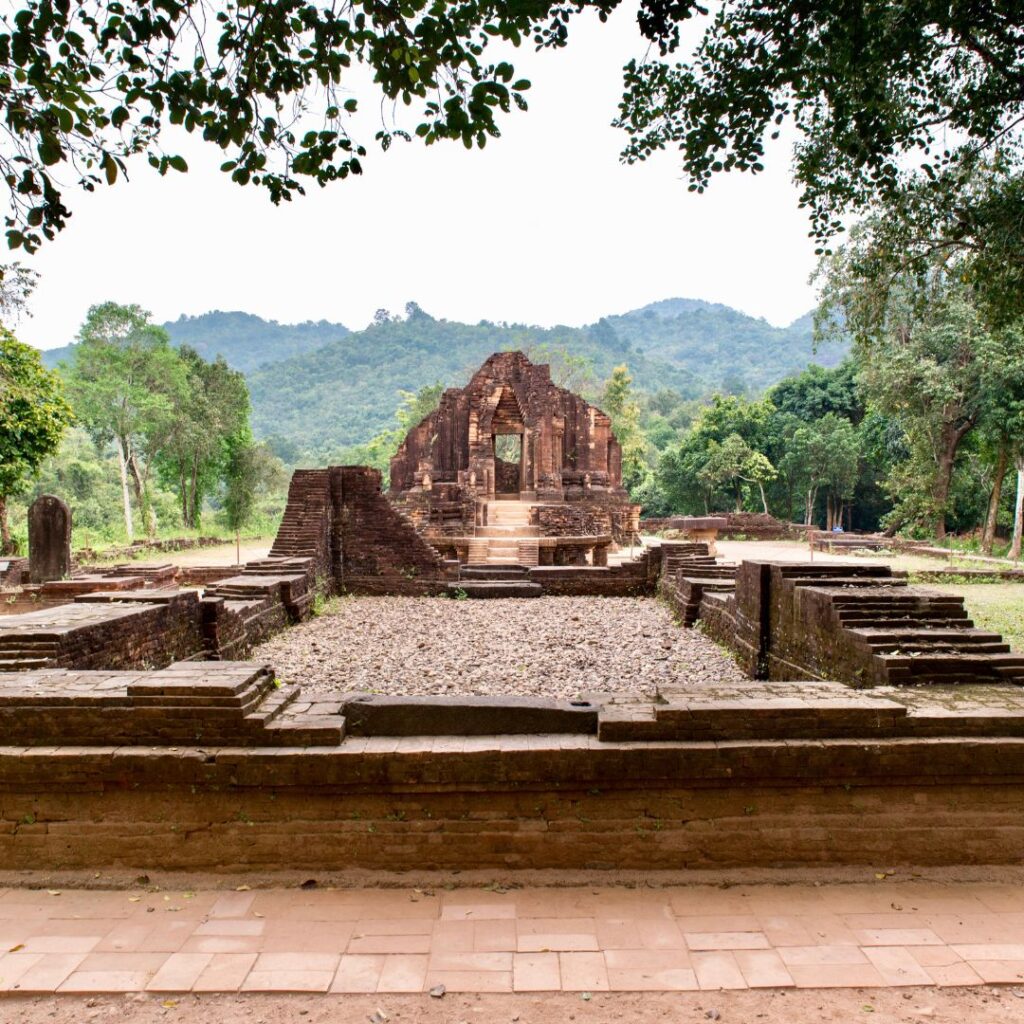
Like many historical sites in central Vietnam, My Son Sanctuary was heavily bombed during the Vietnam War, causing damage to most of its structures.
Restoration work is underway, and some of its temples have been completely restored to their former glory.
My Son Sanctuary is located near Hoi An, a popular tourist hotspot, and is one of the most popular daytrips from the city.
READ MORE >> A Complete Guide to Mỹ Sơn Sanctuary
3 | Cu Chi Tunnels
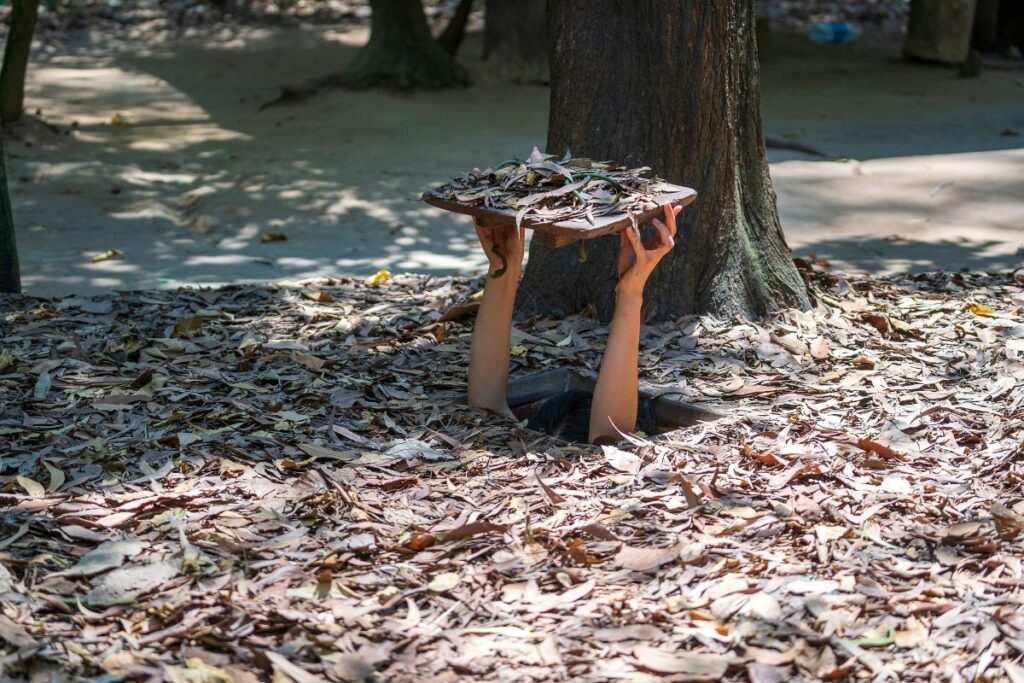
During the Vietnam War the Viet Cong has extensive tunnels networks in the south as a way to move troops and supplies under the enemy’s nose.
Over time, these tunnels grew to almost become underground towns, complete with living quarters, hospitals, kitchens and more.
Today, some of these tunnels have been preserved and turned into tourist attractions, where you can crawl inside and explore them for yourself.
The most popular of these is the Cu Chi Tunnel network, located just outside Ho Chi Minh City.
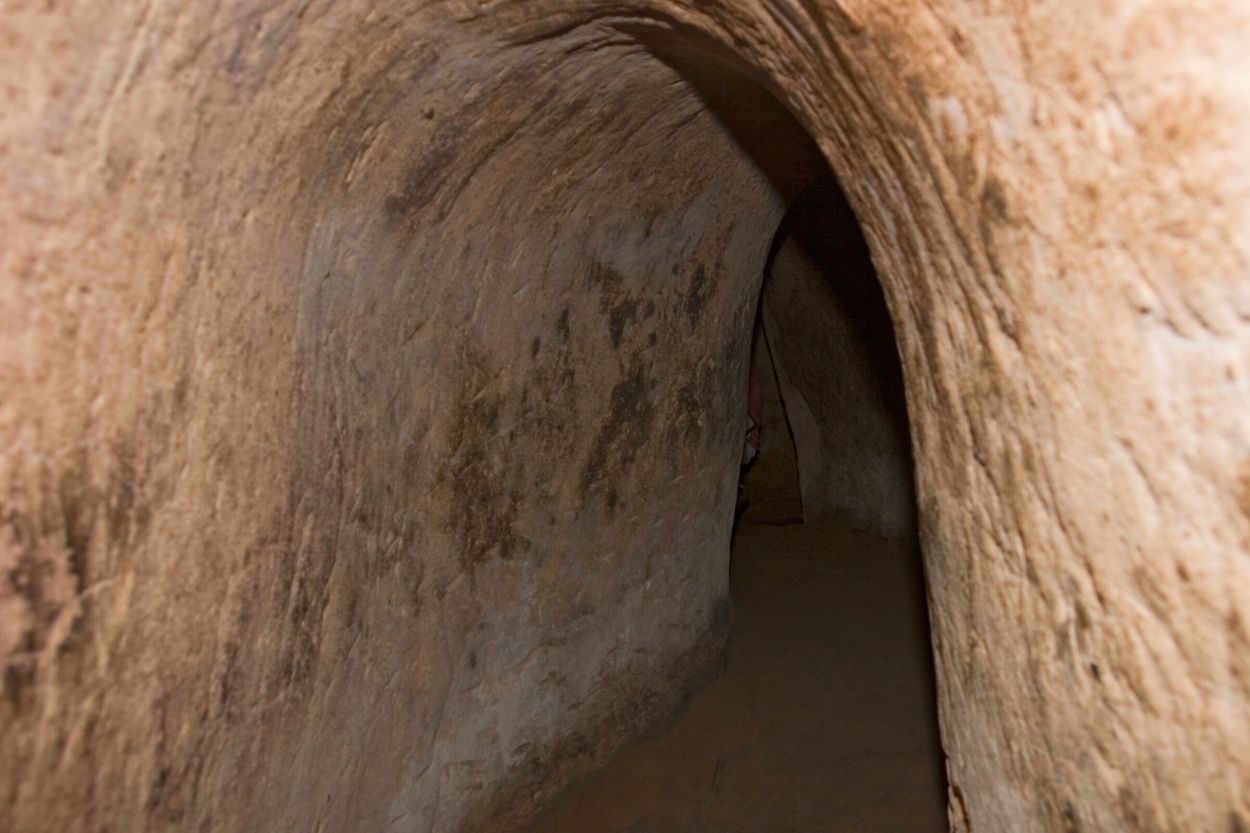
The Cu Chi network is comprised of over 120km of tunnels, but there are 2 sections which are open to tourists: 📍Ben Dinh and 📍Ben Duoc.
Both make for a great day trip from the city, but Ben Dinh is the closer, and the most popular of the 2.
The Cu Chi Tunnels are not for the claustrophobic, but are undoubtedly among the Vietnam’s most unique historical experiences.
4 | Mausoleum of Khai Dinh
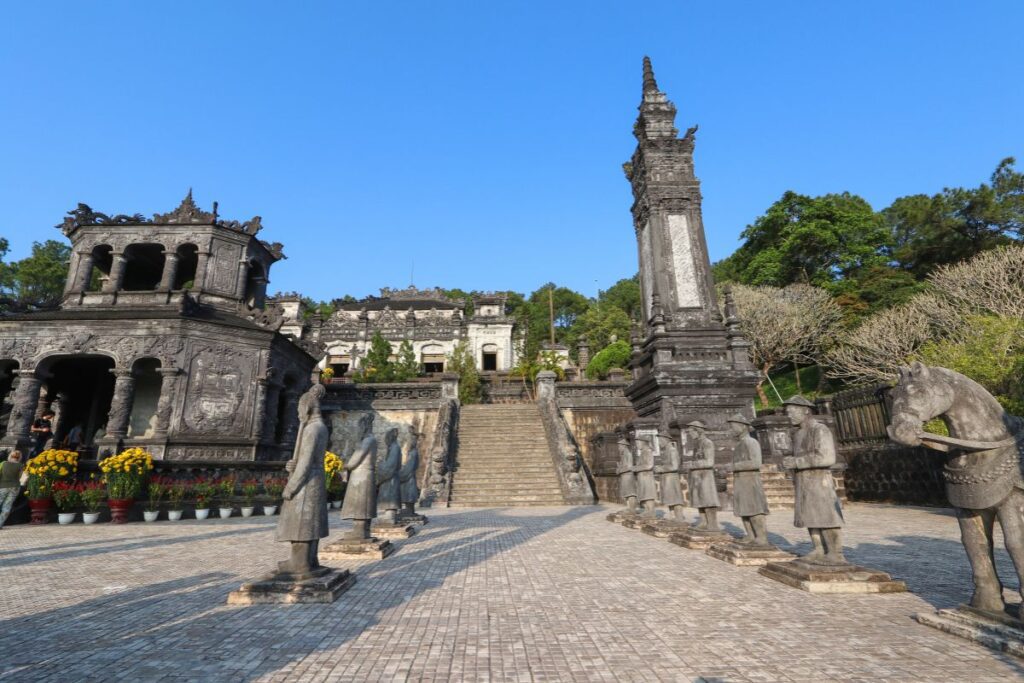
Vietnam was ruled over by a continuous series of dynasties from the 10th century CE all the way up until 1945, comprising Vietnam’s imperial era.
The second-to-last of these emperors died in 1925, before a majestic tomb was built in his honour just outside of Hue, which you can now visit.
Taking 11 years to build, the 📍Mausoleum of Khai Dinh comprises a multi-tiered complex with several buildings, statues and shrines leading up tot he main ‘palace‘.
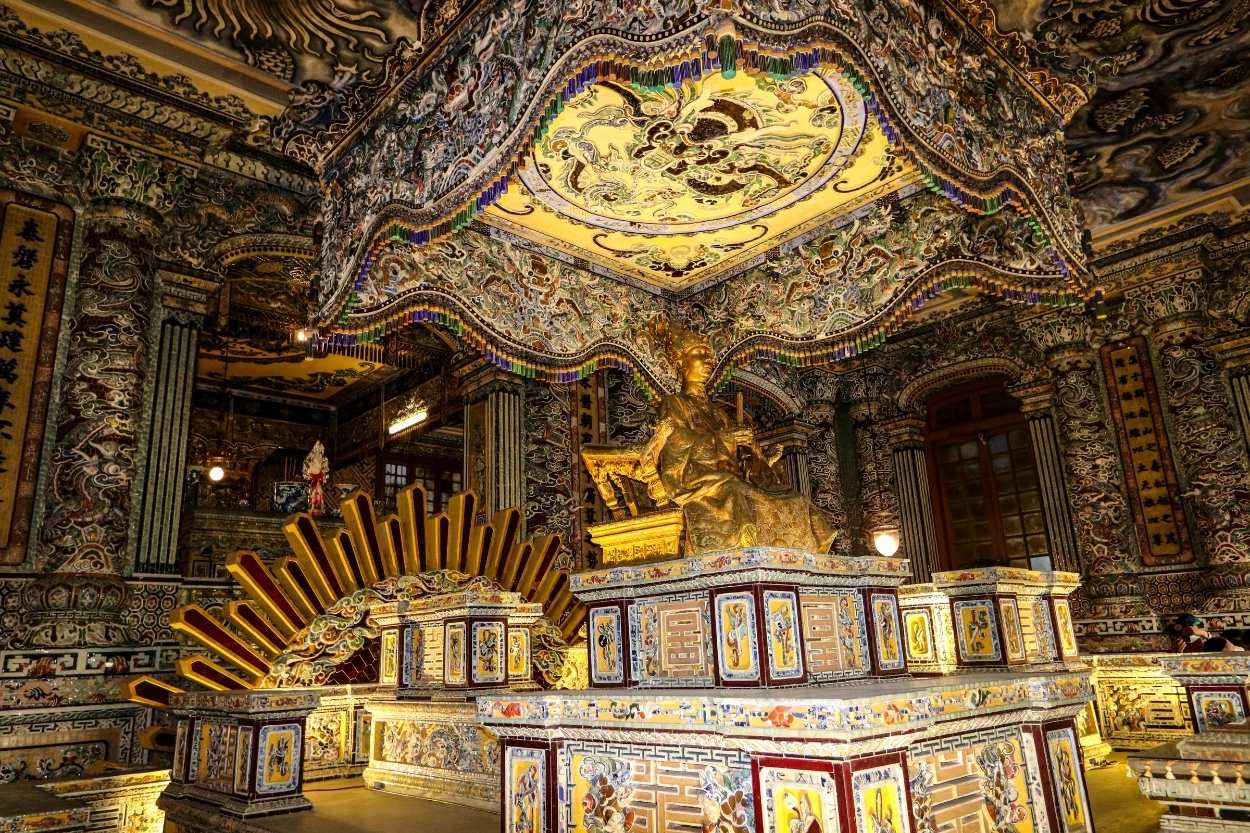
The complex, especially the interior of the main building, is a unique mix of Vietnamese, Chinese and French architecture. Its walls and ceiling are completely covered in porcelain and coloured glass with mesmerising colour.
Located just outside of downtown Hue, Kai Dinh Tomb is a often featured in historical guided tours from the city.
Planning to visit Vietnam soon?
🛏 Booking hotels: Trip.com and Booking.com are the best resources for finding and booking hotels in Vietnam
🏄 Booking tours: GetYourGuide is the best resources for finding guided tours to Vietnam’s historical sites.
🚅 Booking transport: 12Go is the best online resource for booking trains and buses in Vietnam, and Asia.
🏥 Travel insurance: Heymondo covers medical, theft, cancellations and more in Vietnam.
5 | Po Nagar Towers
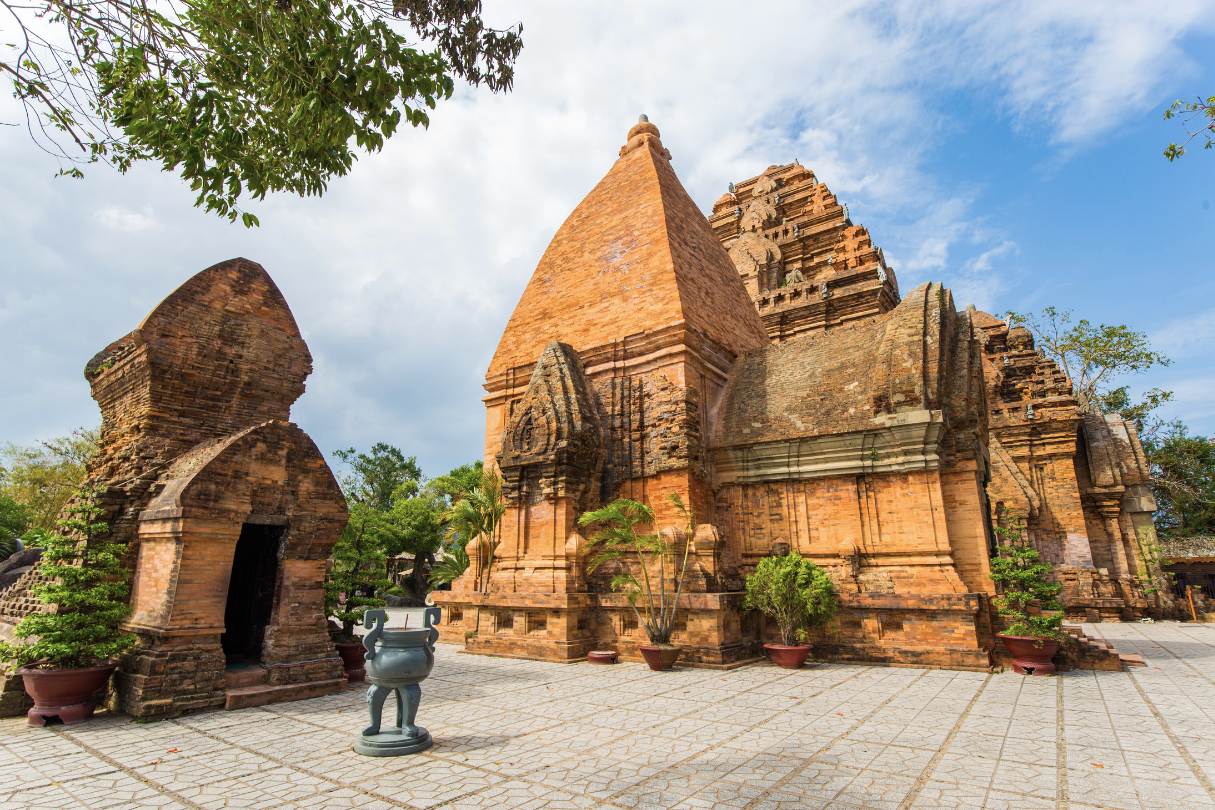
My Son Sanctuary may be the most popular Cham site in Vietnam, but they’re many more that you can visit (at least 20, and you can ready more about them here).
Another popular Cham site is the 📍Po Nagar Towers. Located in downtown Nha Trang, a popular beach town on Vietnam’s south coast, these towers were built sometime in the 8th century and, like My Son, are Hindu temples.
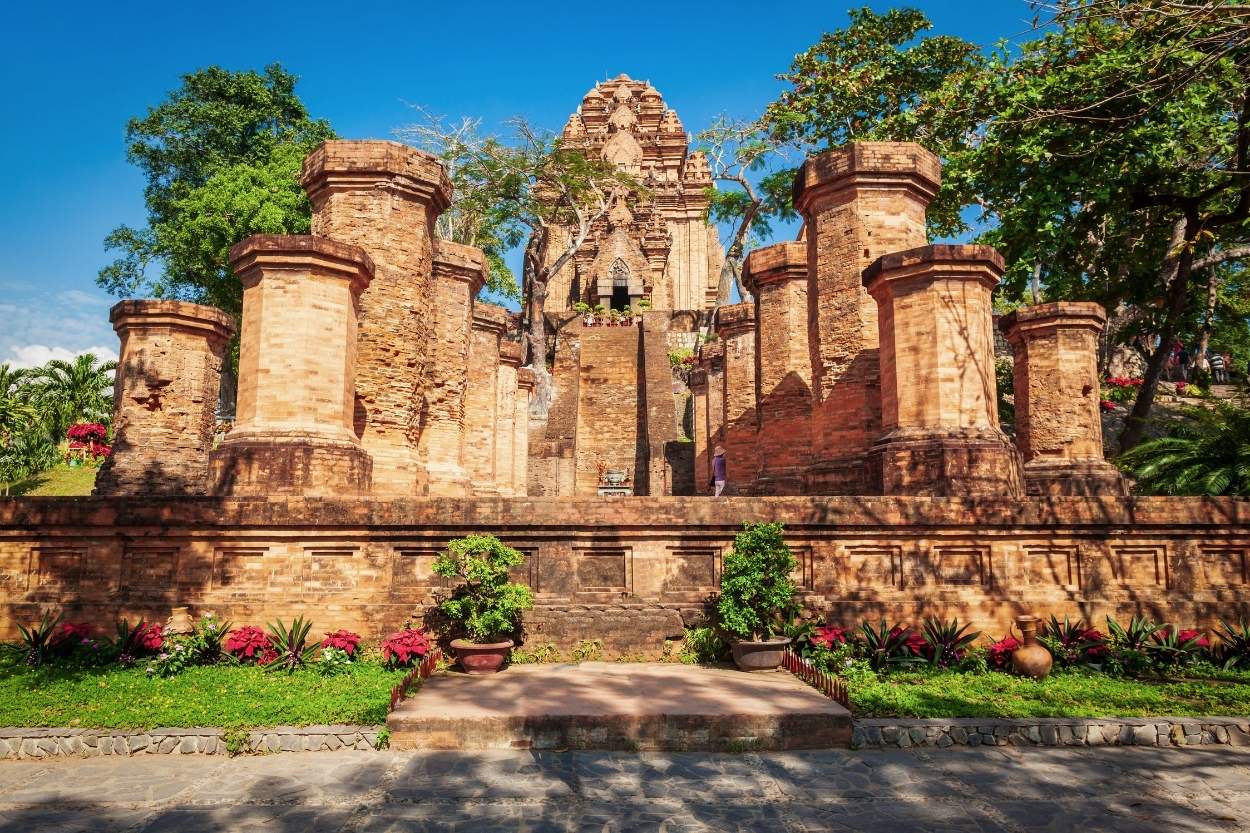
As you can probably see from the varying colour of bricks in the above photos, these towers have been heavily restored and are now in excellent condition.
Now you get to see the towers, the tallest of which is about 25m, almost exactly as they would have looked when first built 1300 years ago.
If you find yourself in Nha Trang during your Vietnam trip, be sure to stop by the Po Nagar Towers.
6 | Côn Đảo Prison
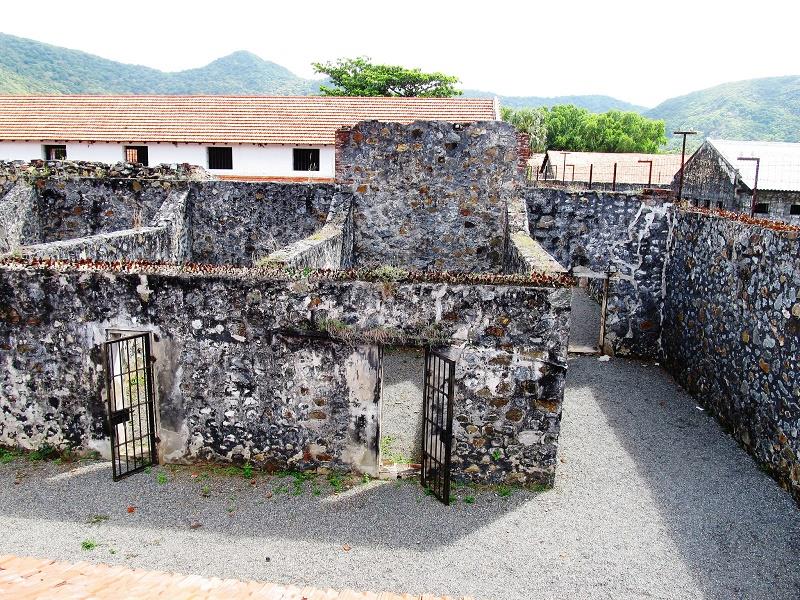
On a tropical island off the coast of Vietnam is a colonial-era prison used by the French to house dissidents and political prisoners.
Built in 1861, 📍Côn Đảo Prison was originally built to house dangerous criminals, but as French rule started to weaken the prison came to hold anyone who stood up to to their colonial masters.
After the Vietnam War Côn Đảo Prison was turned into a museum, and is now one of the most popular tourist attractions Côn Đảo Island.
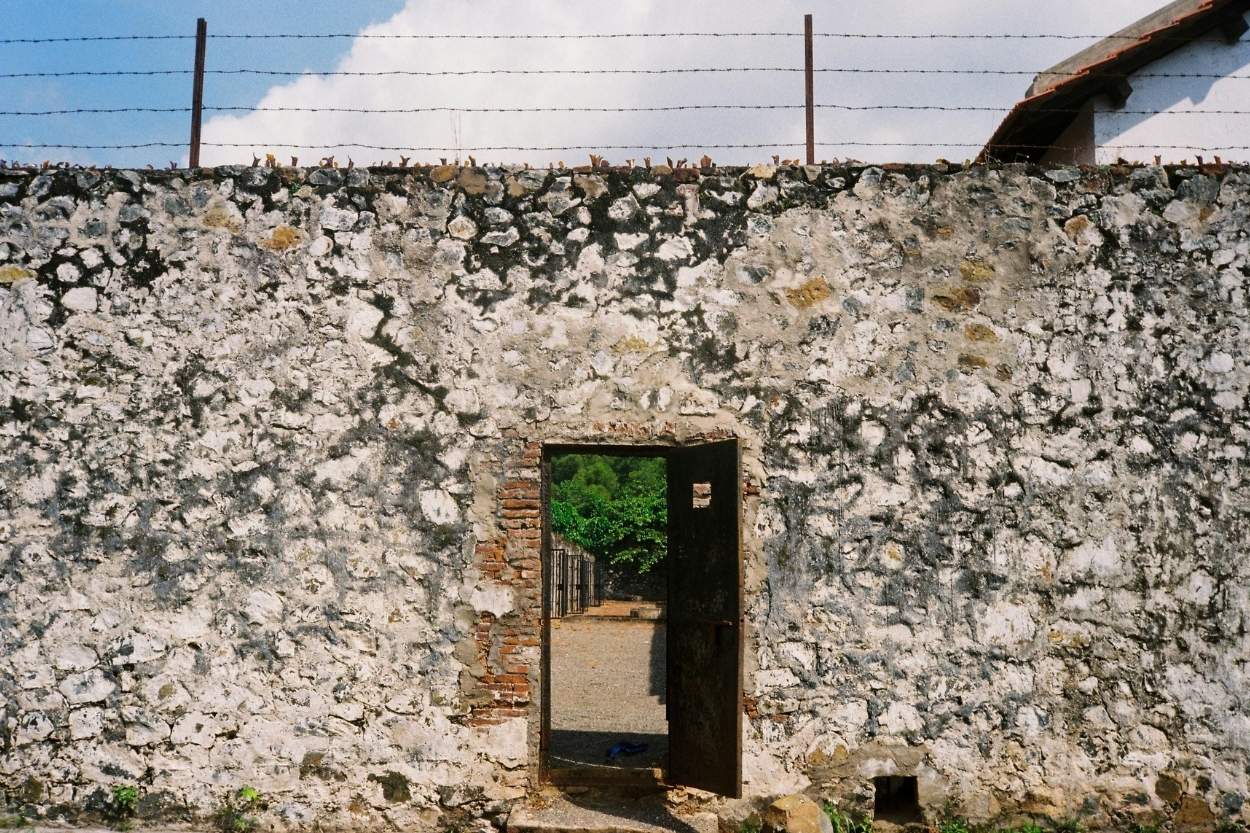
While it stands in contrasts to the idyllic tropical paradise that surrounds it, a visit to Côn Đảo Prison is a great way to learn more about the darker side of French colonial rule.
Côn Đảo Prison is located just off the southern coast of Vietnam, not far from Ho Chi Minh City, and can be reached by ferry or plane.
7 | War Remnants Museum
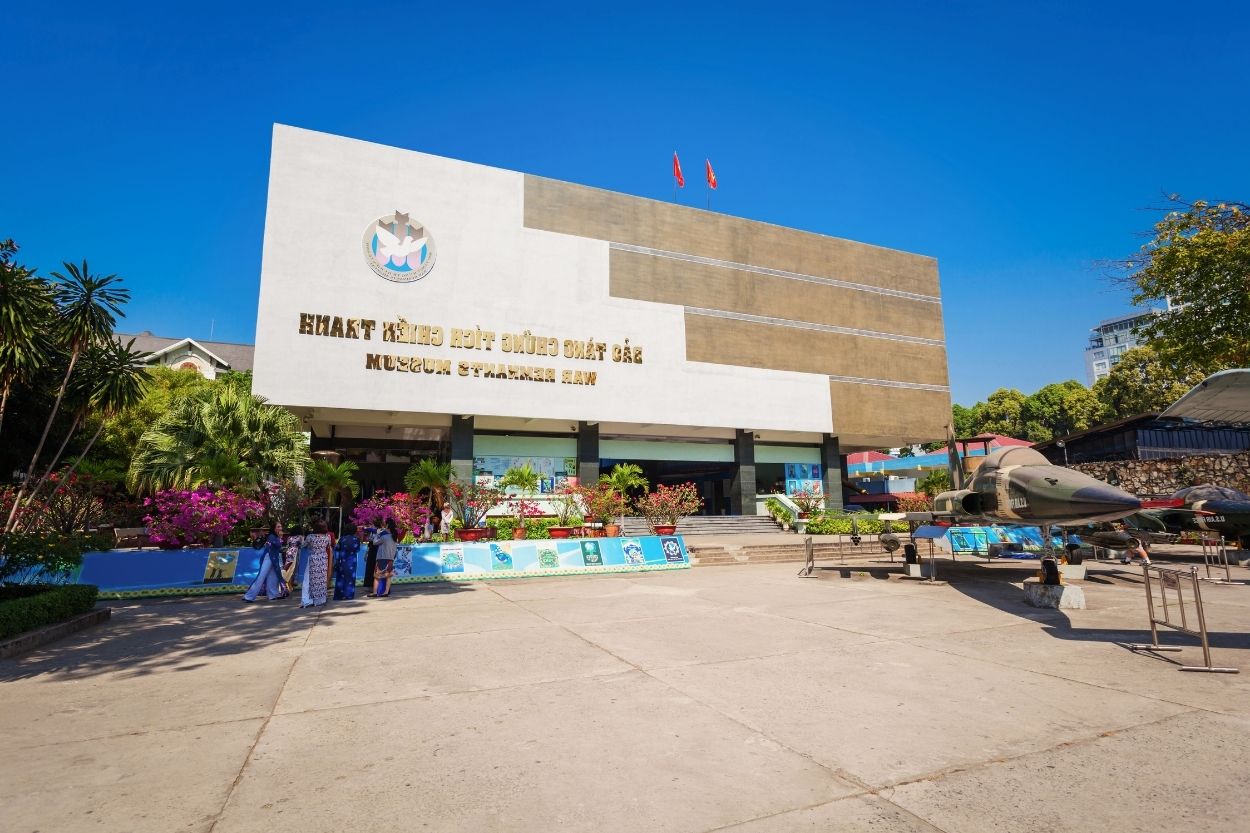
The Vietnam War not only devastated South East Asia, but had a major cultural impact on all the nations involved.
So naturally, when you visit Vietnam, you’re probably interested in learning more about this. One of the best places to do this is the 📍War Remnants Museum.
Located in Ho Chi Minh City, the War Remnants Museum is the country’s leading museum on the 2nd Indochina War. It holds a bunch of artefacts and memorabilia from all stages of the war – from the build up to the aftermath.
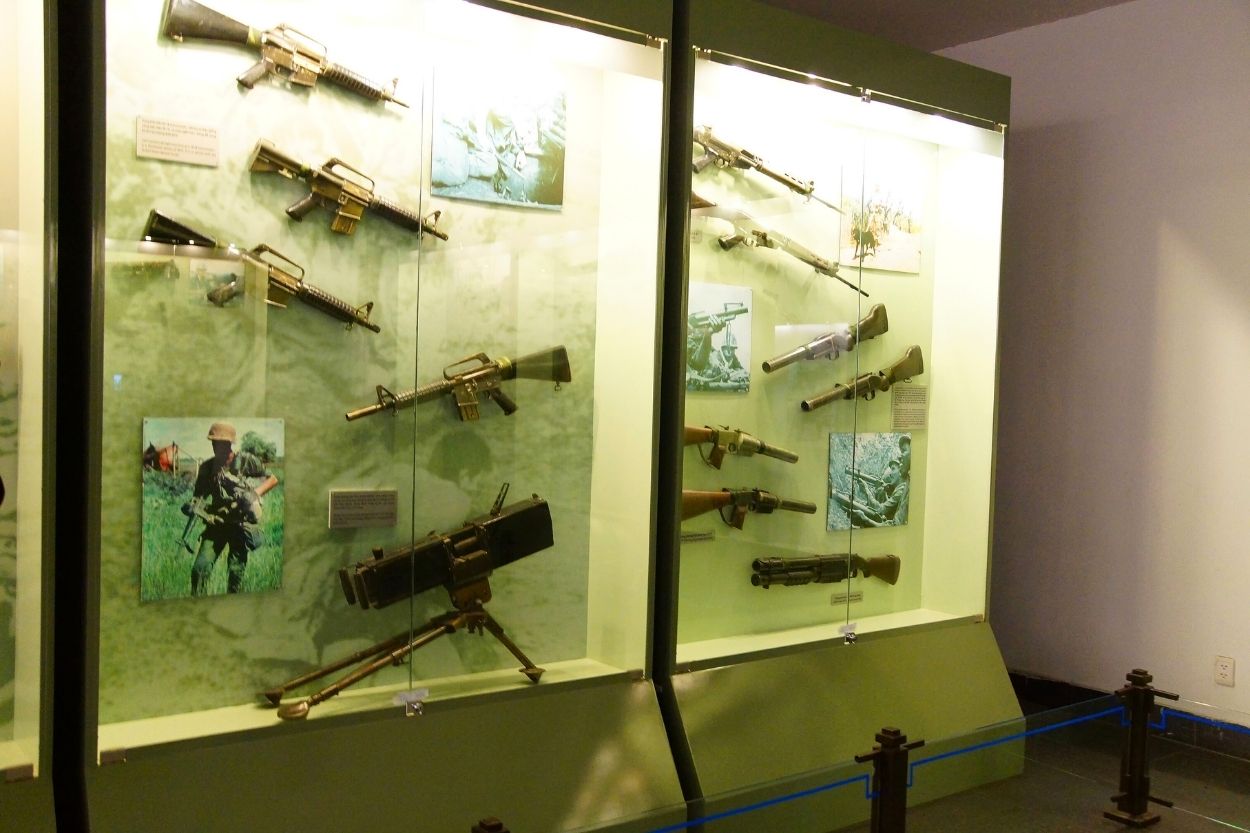
What makes this museum so impactful is its uncensored portrayal of the conflict. Several areas of the museum depict the brutal and harsh reality of the war, such as the use of chemical weapons or American war crimes.
It certainly doesn’t hold back, so visiting the War Remnants Museum can be a confronting experience, but its an essential experience if you want to understand the events that shaped modern Vietnam.
8 | Thang Long Citadel
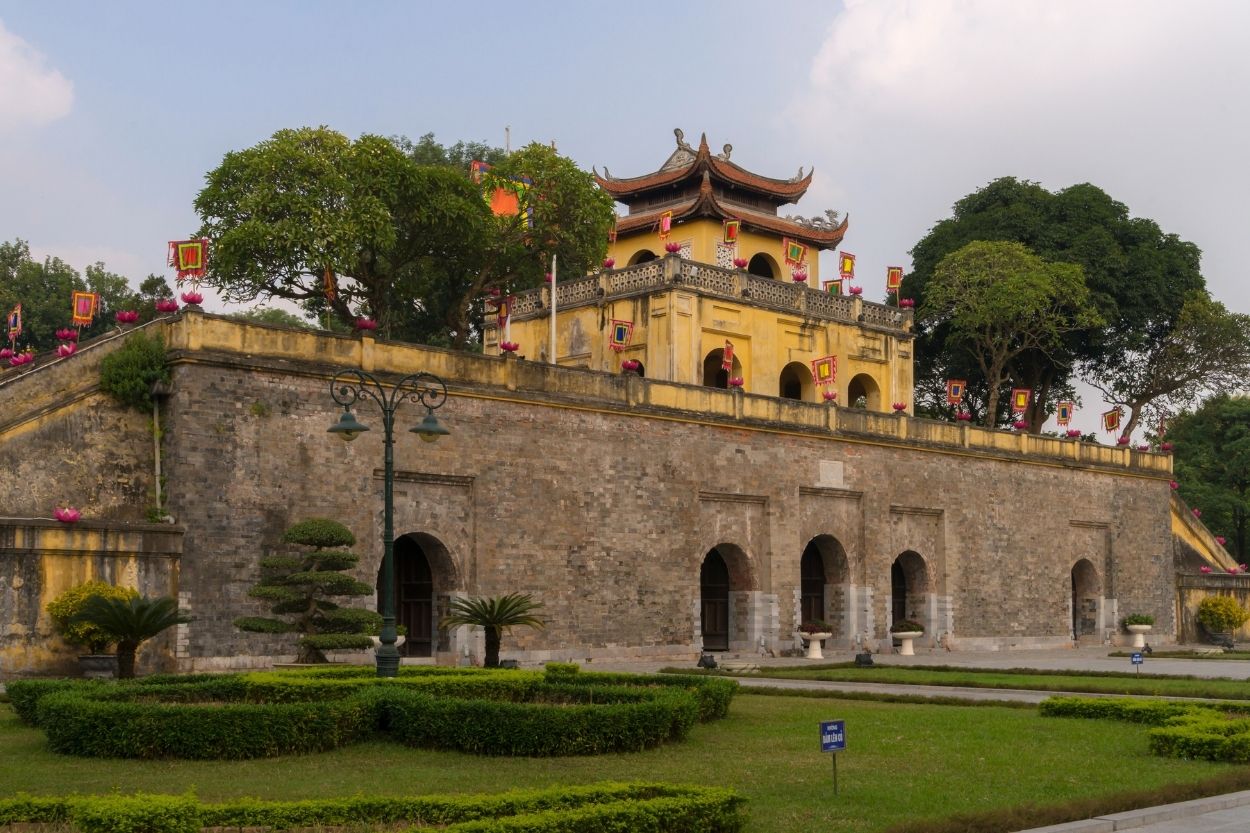
Hanoi has been the capital of Vietnam throughout most of its history, and it was all centred around 📍Thang Long Citadel.
Originally this was the site of a Chinese fortress, but after they were ousted, the Vietnamese built Thang Long. It was from here that multiple dynasties ruled over Vietnam until the capital was moved to Hue in the 19th century.
There’s a bunch of interesting things to see at Thang Long.
Firstly, you have the remains of Thang Long Citadel itself. Most of the structure was destroyed, but you can still explore the gate and watchtower.
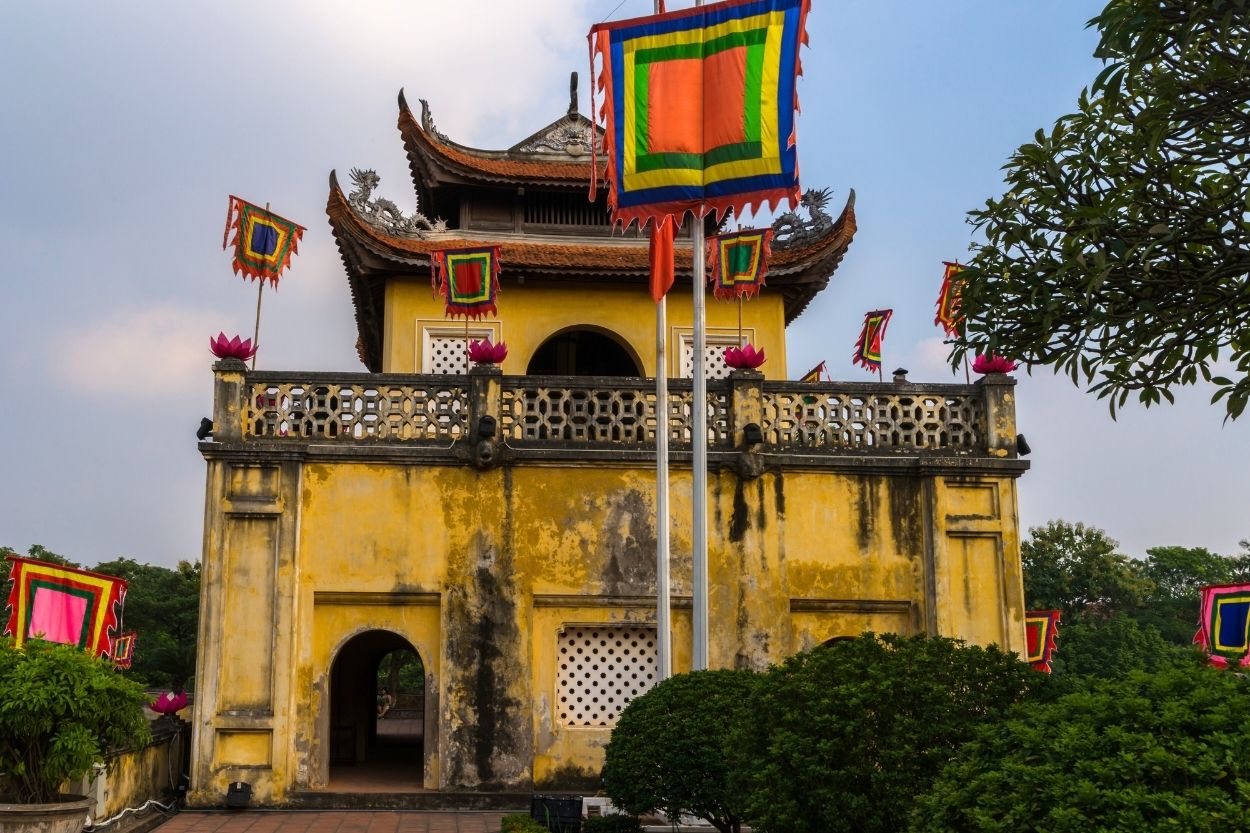
Then there’s the archaeological remains of the original Chinese fortress built sometime in the 9th century CE, along with a museum containing artefacts from this era.
Then there’s also an underground bunker that was used by the Ministry of Defence during the Vietnam War.
Overall, there’s a lot to see at Thang Long Citadel, and its undoubtedly one of the best places to visit in Hanoi.
9 | Ho Chi Minh Complex
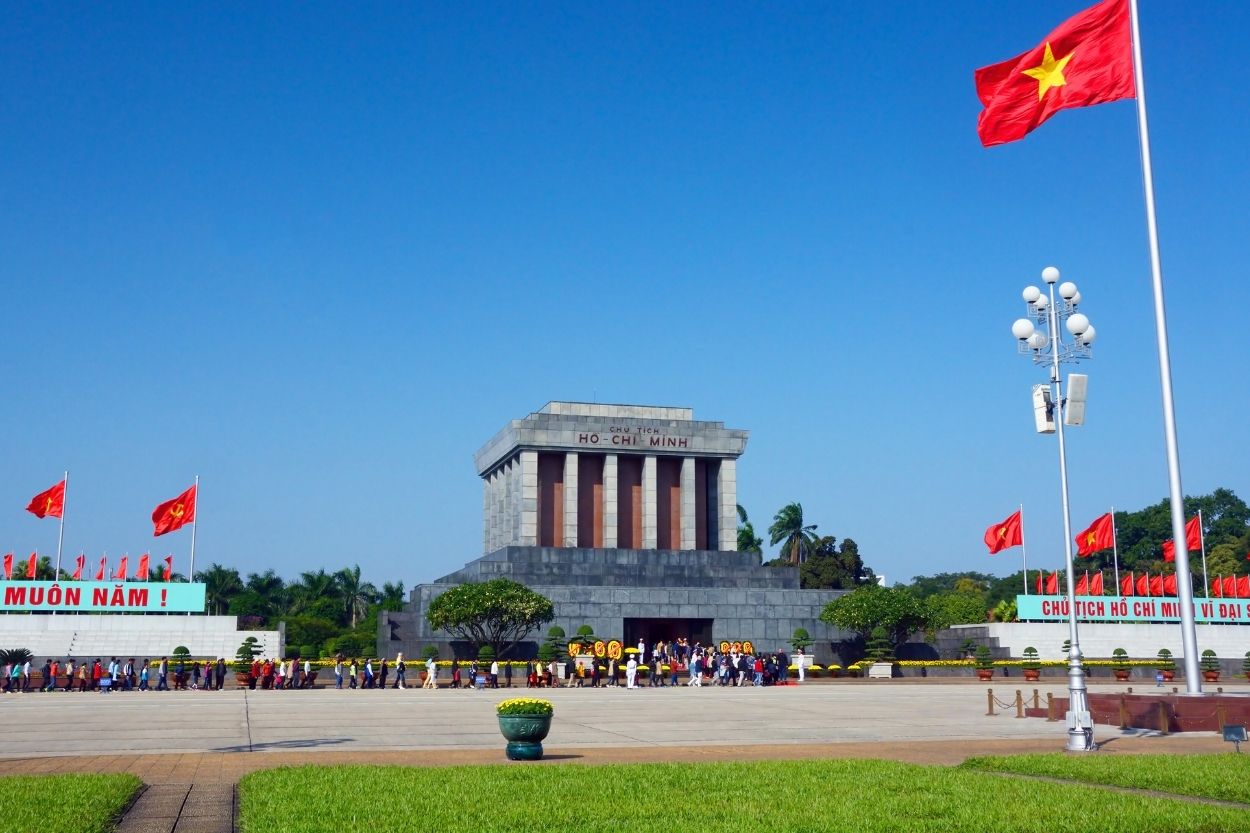
Ho Chi Minh was a very influential figure in Vietnam.
If you didn’t know this already, you’re going to find out as soon as you arrive in Vietnam, because the man is everywhere. On money, statues, billboards – even the largest city named after him.
So you’re probably going to want to learn more about ‘Uncle Ho’ and the best place to do this is at the Ho Chi Minh Complex in Hanoi.
This entire complex is commemorates the life and achievements of the revolutionary leader. The main feature is 📍Ho Chi Minh’s mausoleum, where you can see his embalmed body on display during a select few hours each morning.
Behind this is the 📍Ho Chi Minh Museum, where you can learn more about him.
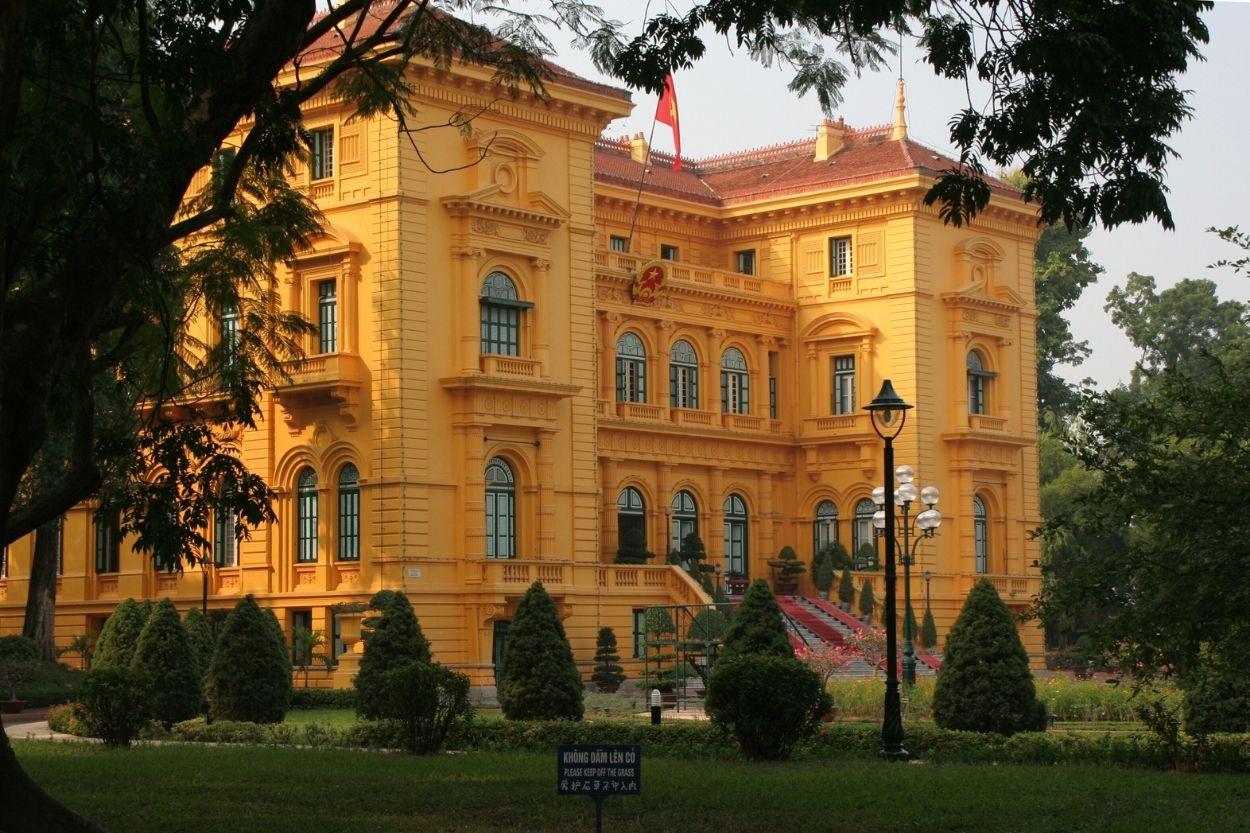
Then there’s the 📍Presidential Palace, which was originally the French governors house before becoming Ho Chi Minh’s official residence.
Ho Chi Minh chose not to live in the aforementioned palace, and instead lived in the more humble 📍Stilt House, which has been turned into a sort of living museum where you can learn more about his time as president.
The Ho Chi Minh complex is a great way not only to learn about the man himself, but about the founding of modern Vietnam.
10 | Vinh Moc Tunnels
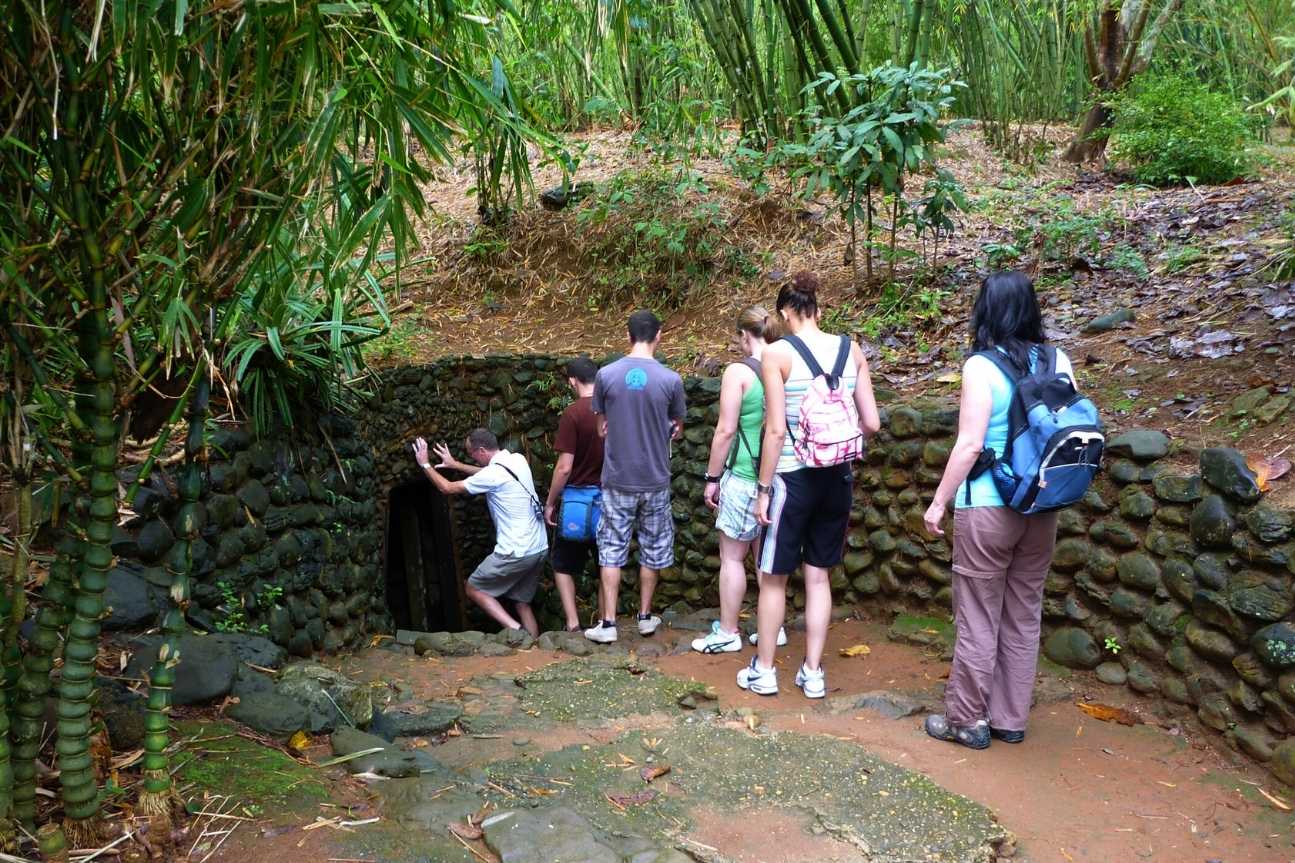
During the Vietnam War, the villages located near the demilitarised zone (DMZ), on the central coast, found themselves in the firing line of heavy American bombing.
One such village, with nowhere else to go, came up with a solution: move the entire village underground.
In a fascinating story of survival, approximately 90 families dug up to 2km of tunnels, some as deep as 30m, where they continued living their lives. The tunnels contained their living areas, kitchens, a hospital, a well – a fully functioning town.
Some children were even born in the tunnel and lived their first few years entirely underground.
Like the more famous Cu Chi Tunnels, the 📍Vinh Moc Tunnels have been preserved and are open for tourists to explore. The Vinh Moc Tunnels are often included in guided tours of the DMZ from Hue.
11 | Hoa Lu Ancient Capital
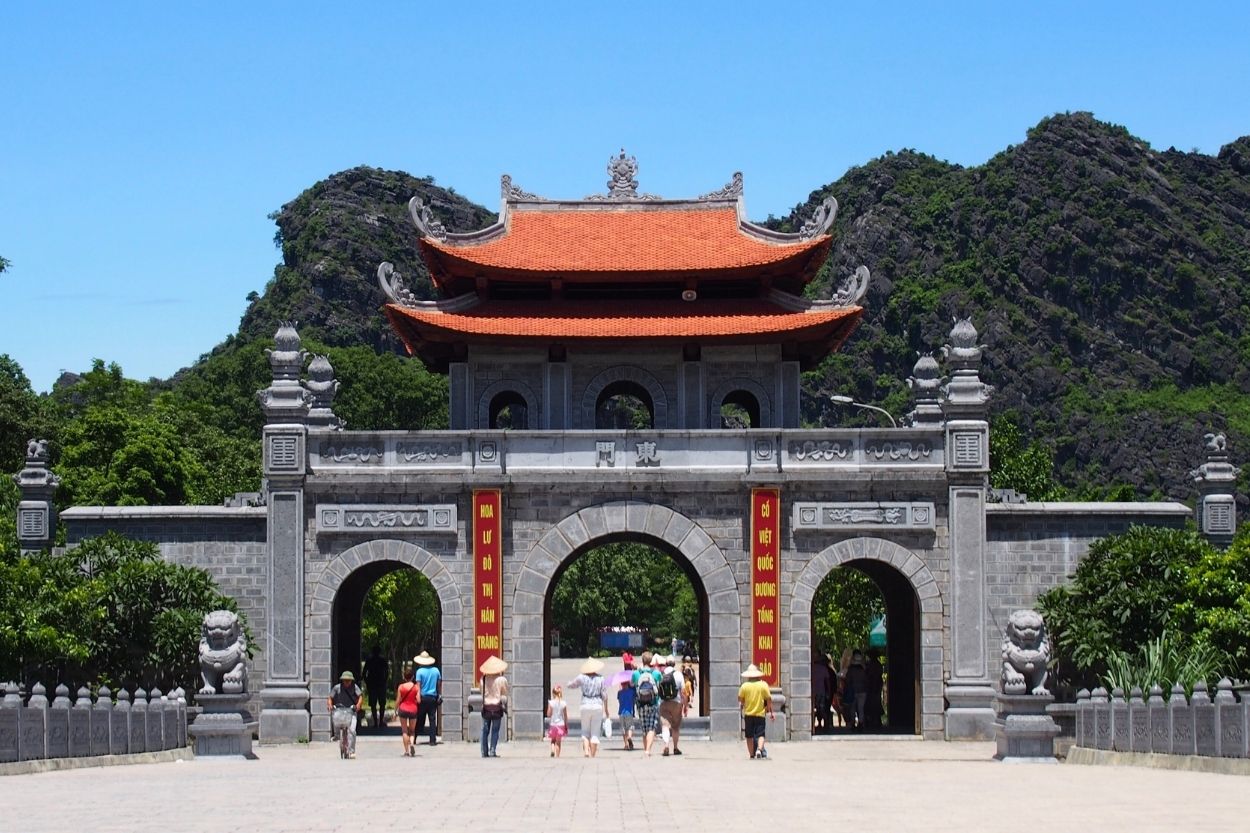
When the Vietnamese gained their independence from China in the 10th century CE, beginning their dynastic era, their first capital was located at 📍Hoa Lu Citadel.
Hoa Lu is located in Ninh Binh, a popular tourist hotspot in northern Vietnam. You might already have Ninh Binh on your itinerary for its incredible natural scenery (which earns it the nickname ‘Ha Long Bay on land‘). While you’re there, you can explore the remains of this ancient capital too.
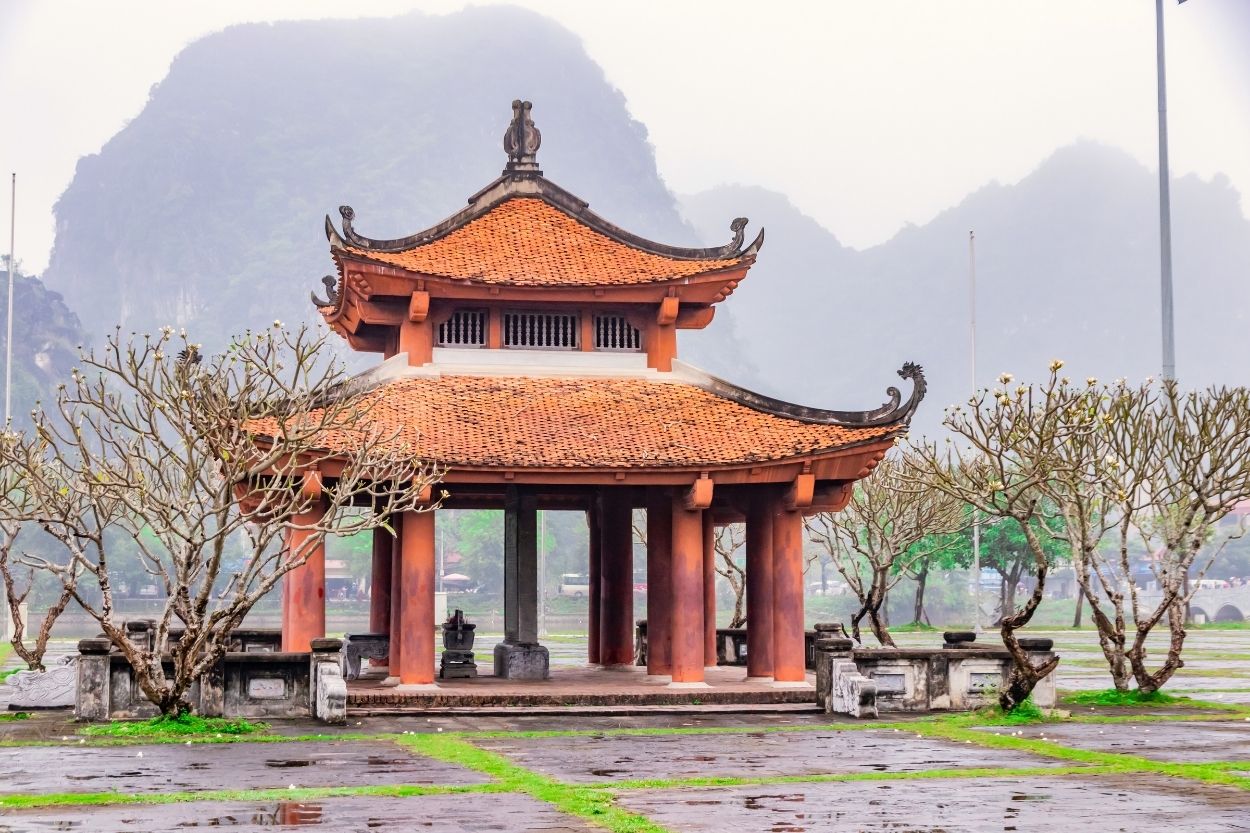
While back in its heyday, this citadel was the political and economic centre of the Dai Viet kingdom, today little remains of it, or else it would be higher on this list.
However, you can still check out the old entrance bridge and gates, 2 temples, and a cave in which the founder of Dai Viet is said to have received a holy revelation.
12 | Cổ Loa Citadel
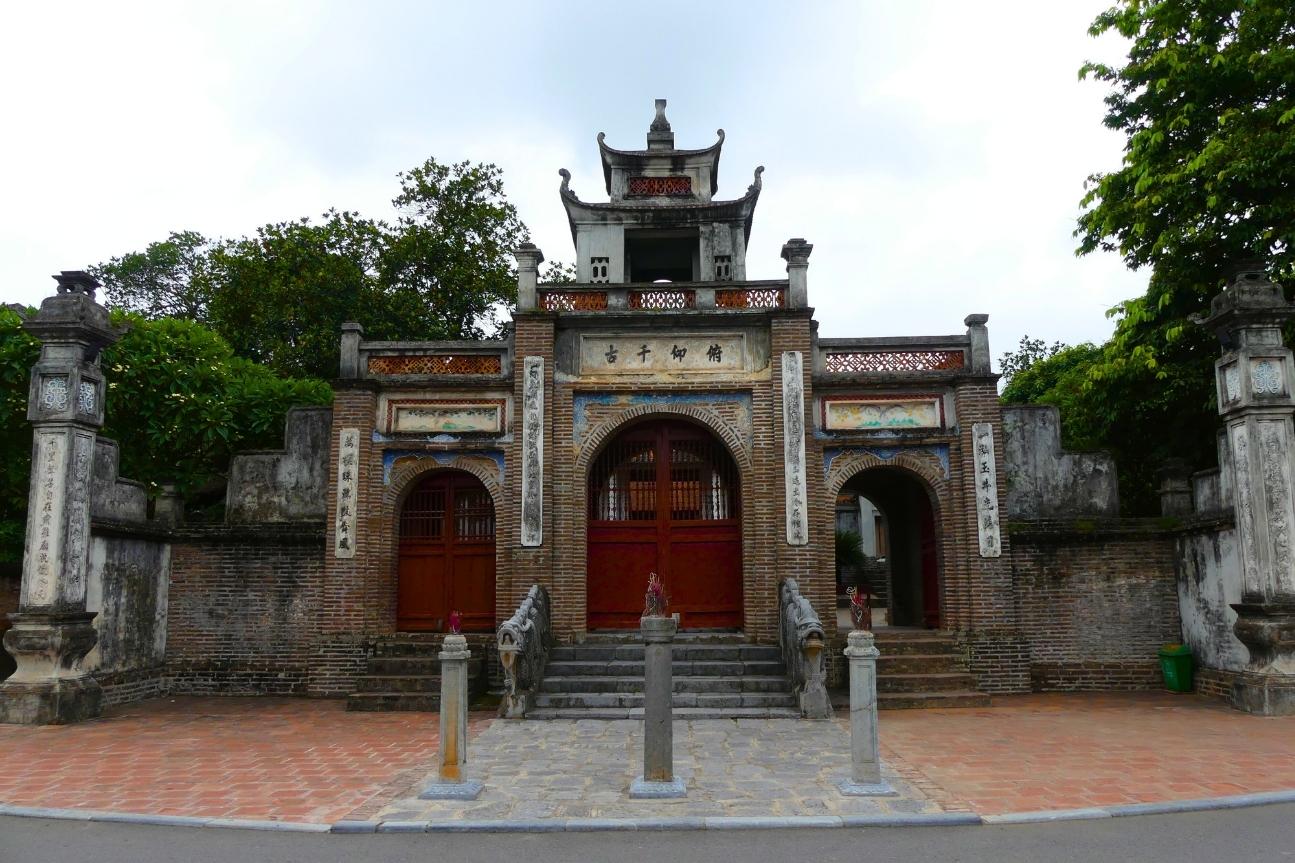
Just outside of Hanoi lies one of the oldest historical sites in Vietnam, predating anything else on this list.
📍Cổ Loa Citadel was once the capital of an ancient kingdom as far back as the 3rd century BCE, one of the earliest Vietnamese states to ever exist. It was then briefly the capital of another local kingdom again in the 10th century CE.
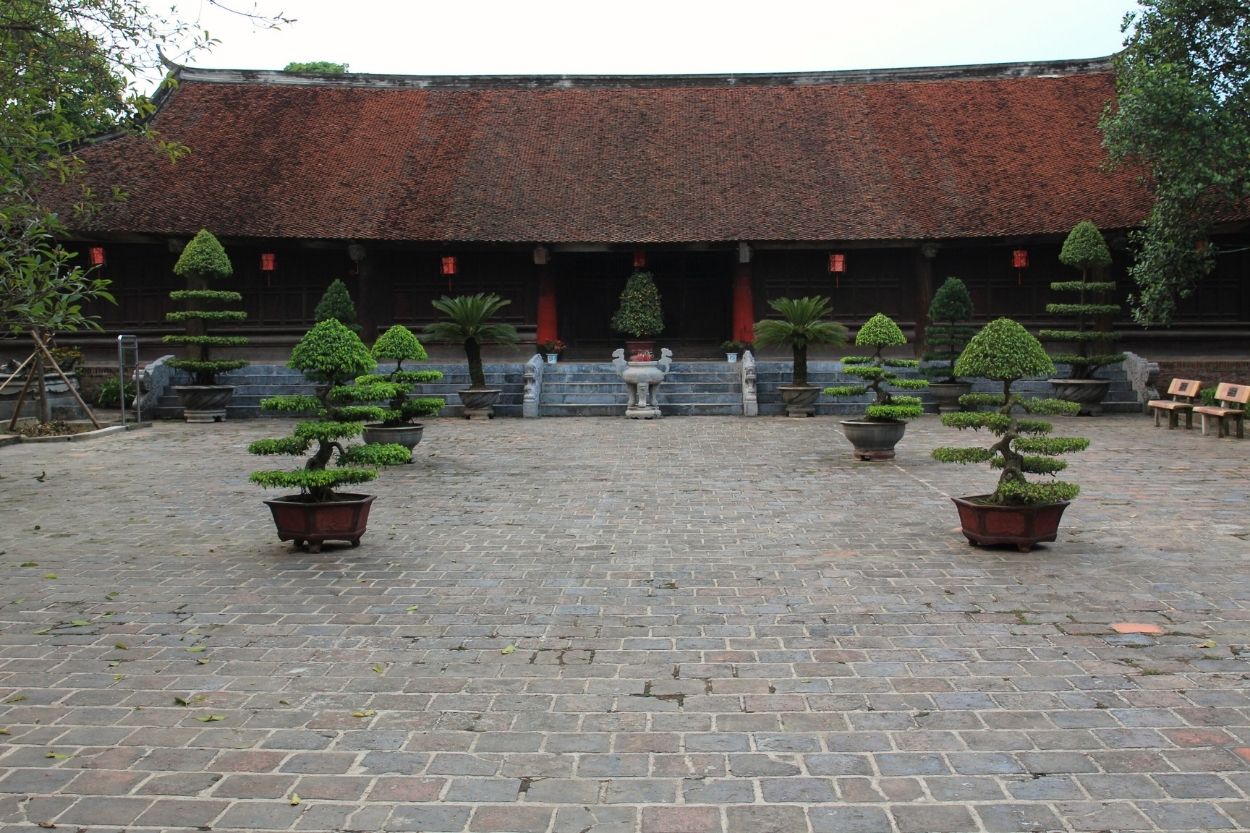
The original Co Loa Citadel was a sprawling complex with spiral-shaped walls, but little remains of this today or else it would be higher on this list. The many temples and shrines that exist there today were built relatively recently.
However you can still explore the grounds, get a sense of what the ancient city was like. There’s also a small museum with a collection of artefacts dug up at the site, as well as some other interesting items from Vietnam’s history.
13 | Cat Ba Hospital Cave
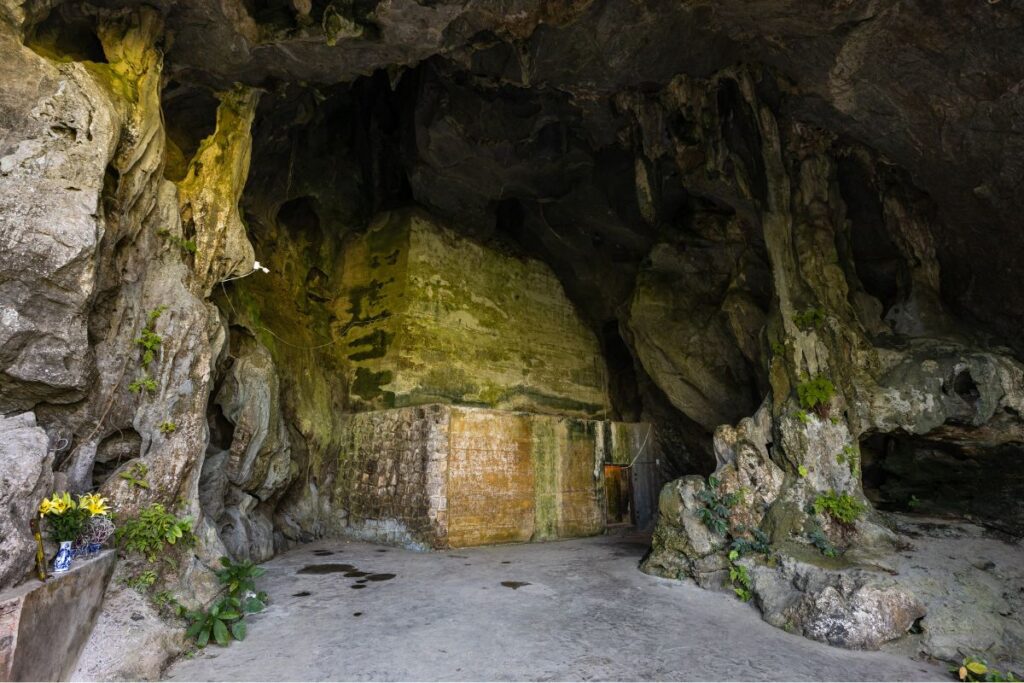
In the face heavy American bombing during the Vietnam War, the North Vietnam forces and Viet Cong moved key sites underground (like the tunnels further up on this list).
Another such site can be found on the popular Cat Ba Island – the gateway to the world UNESCO-listed 📍Ha Long Bay.
The Cat Ba Hospital Cave is located inside Cat Bat National Park. Within this crammed cave, the Vietnamese built an entire 3-story hospital, complete with living spaces, operating theatres, office, a water reservoir, and even a large auditorium that was used as a cinema.
The Hospital Cave is easy to miss, but you can find it on the main road that runs north-south across the middle of Cat Ba Island. After paying a small fee to the attendants, you’ll be guided through the structure and get a sense of what life was like for those who lived and worked here.
14 | Khe Sanh Combat Base
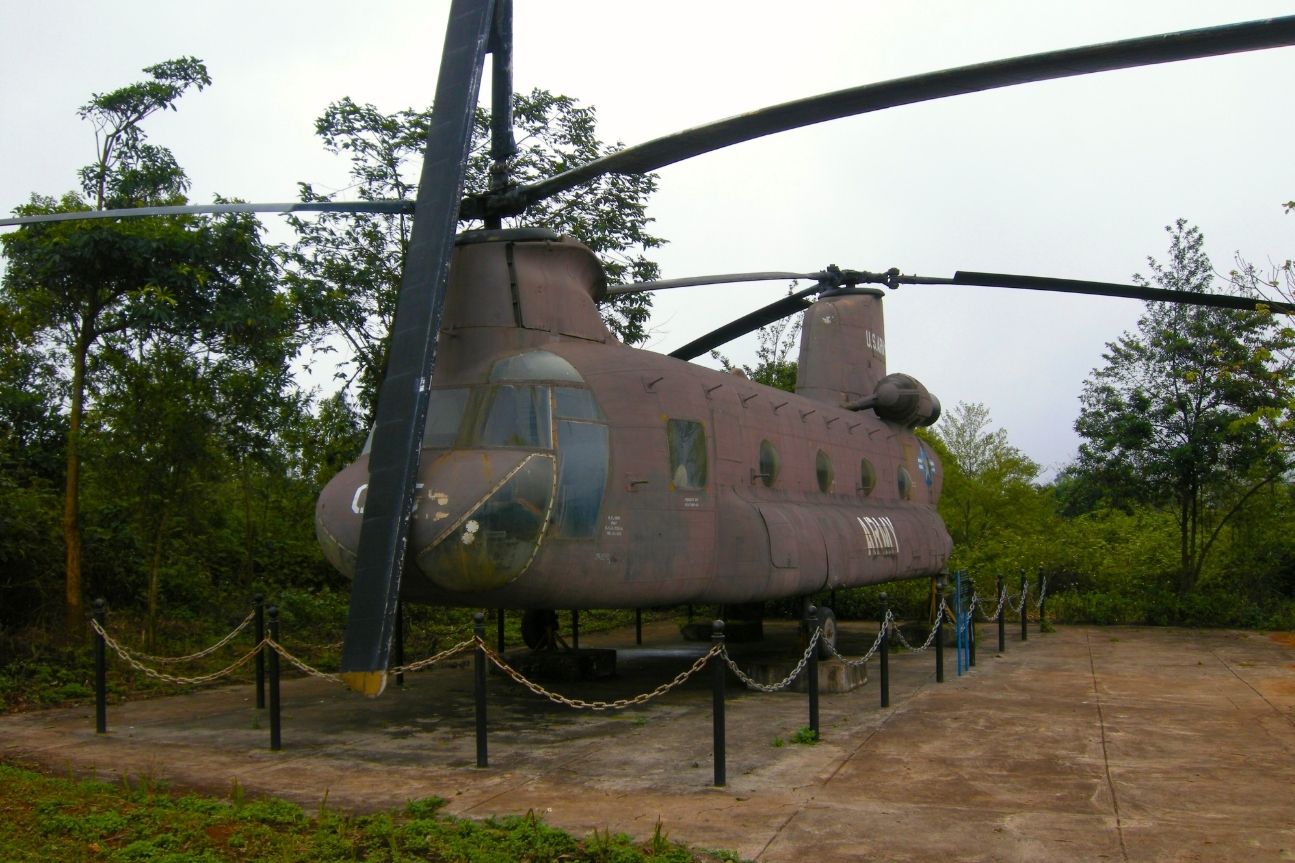
If you’re in Hue, and you want to learn more about the Vietnam War, there’s another historical site you’ll want to visit along the former DMZ.
During the war, this military base, located near the village. of Khe Sanh, was a key American military stronghold, and was the scene of a major battle.
The Americans eventually abandoned the base after concluding that it was too indefensible, but, leaving in a hurry, left most of their equipment behind.
Today, the abandoned base has become a tourist attractions and a popular day trip from Hue. Here, you can check out the old American aircraft, vehicles and artillery, and visit a small museum to learn more about the role this base played during the war.
15 | Citadel of the Hồ Dynasty
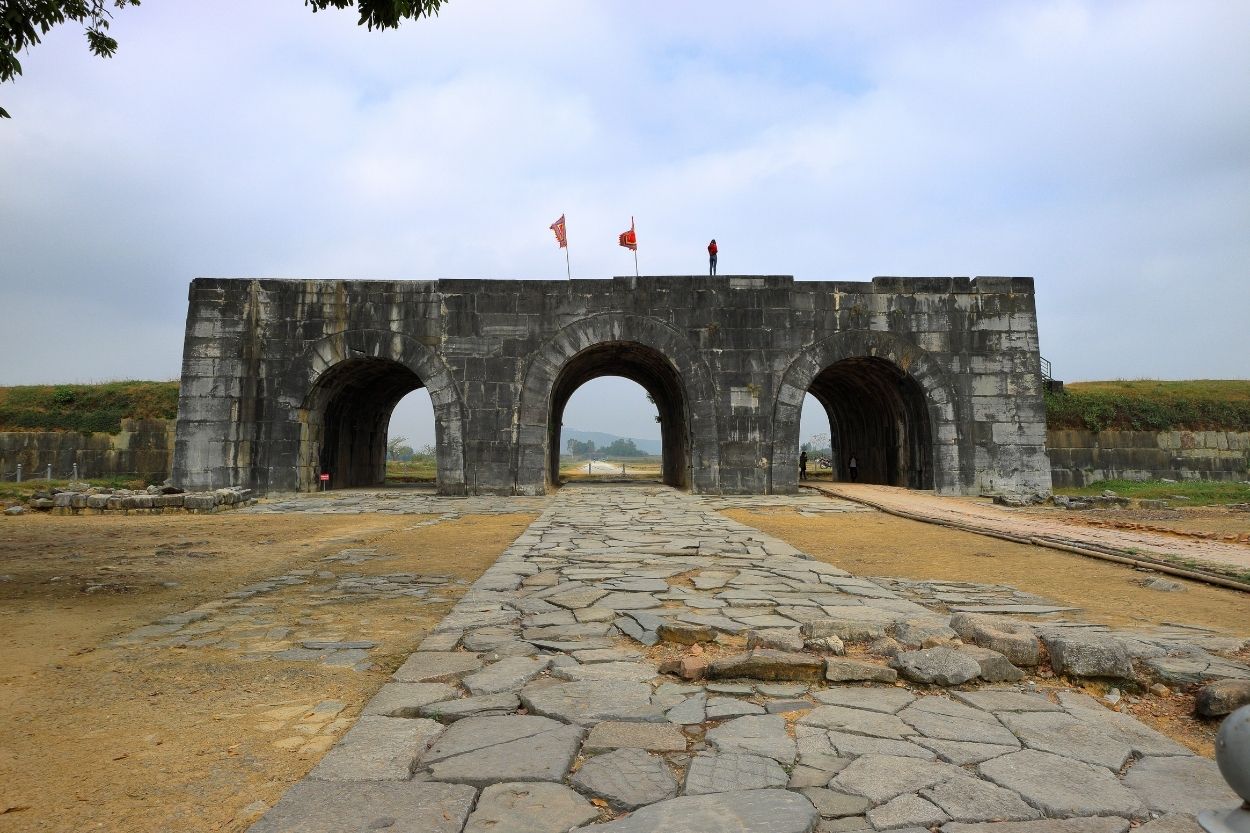
During the early 15th century, imperial Vietnam was very briefly ruled by the Hồ Dynasty. During their short lived tenure as Vietnam’s rulers, they moved the capital from Hanoi to the now UNESCO World Heritage📍Hồ Citadel in nearby Thanh Hóa.
The Hồ Dynasty may not have lasted long, quickly being conquered by Ming China, but in that time they build this expansive citadel.
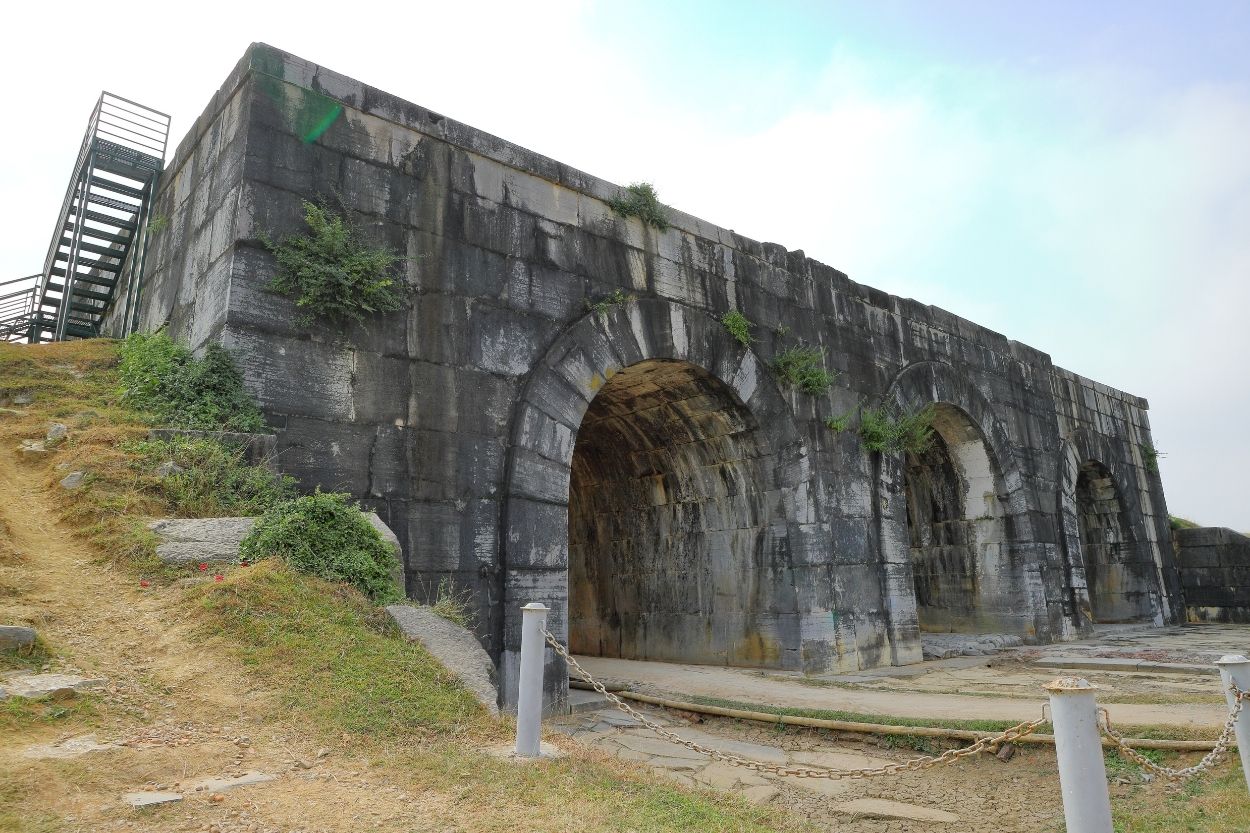
Unfortunately, the Chinese really did a number on it, so little of the original citadel remains today, which is why Hồ Citadel sits at bottom place on this list.
But visitors can still explore the remains of the South Gate and the stone walls. You can also explore the inside of the complex and get a sense of the layout.
Planning your trip to Vietnam
Now that you have all the information on Vietnam’s top historical sites, it’s time to start planning your trip. Here are some resources to help you get started:
✈ Flights: Trip.com and Skyscanner are the best resources for finding cheap flights to Vietnam.
🚅 Transport: 12Go is the best online platform for booking trains and buses in Vietnam, and across Asia.
🏨 Accommodation: Booking.com is the best resource for finding amazing hotels in Vietnam, while Hostelworld is the best for finding hostels.
🏥 Travel Insurance: Heymondo covers all the essentials in Vietnam, including theft, medical and cancellations.
🛜 Internet: To stay connected in Vietnam, you can use Airalo. They offer an eSIM, meaning all you need is a smartphone and and the app.
🌐 VPN: To stay connected and access service that may not be available in Vietnam, use NordVPN.
🏄 Tours & Day Trips: GetYourGuide and Viator are the top platforms for tours and activities in Vietnam.
Disclosure: This post may contain affiliate links.
Further reading on Vietnam
Here are more guides on Vietnam to help you plan your trip:
⬤ To explore the ruins of the lost Champa Kingdom, check out: Travel Guide to the Cham ruins in Vietnam – All 20+ Sites.
⬤ To learn the best way to explore the historical sites in Vietnam, check out: 10 Day Vietnam Itinerary for History Buffs.
⬤ For more historical travel guides on Vietnam, check out our Vietnam page.