
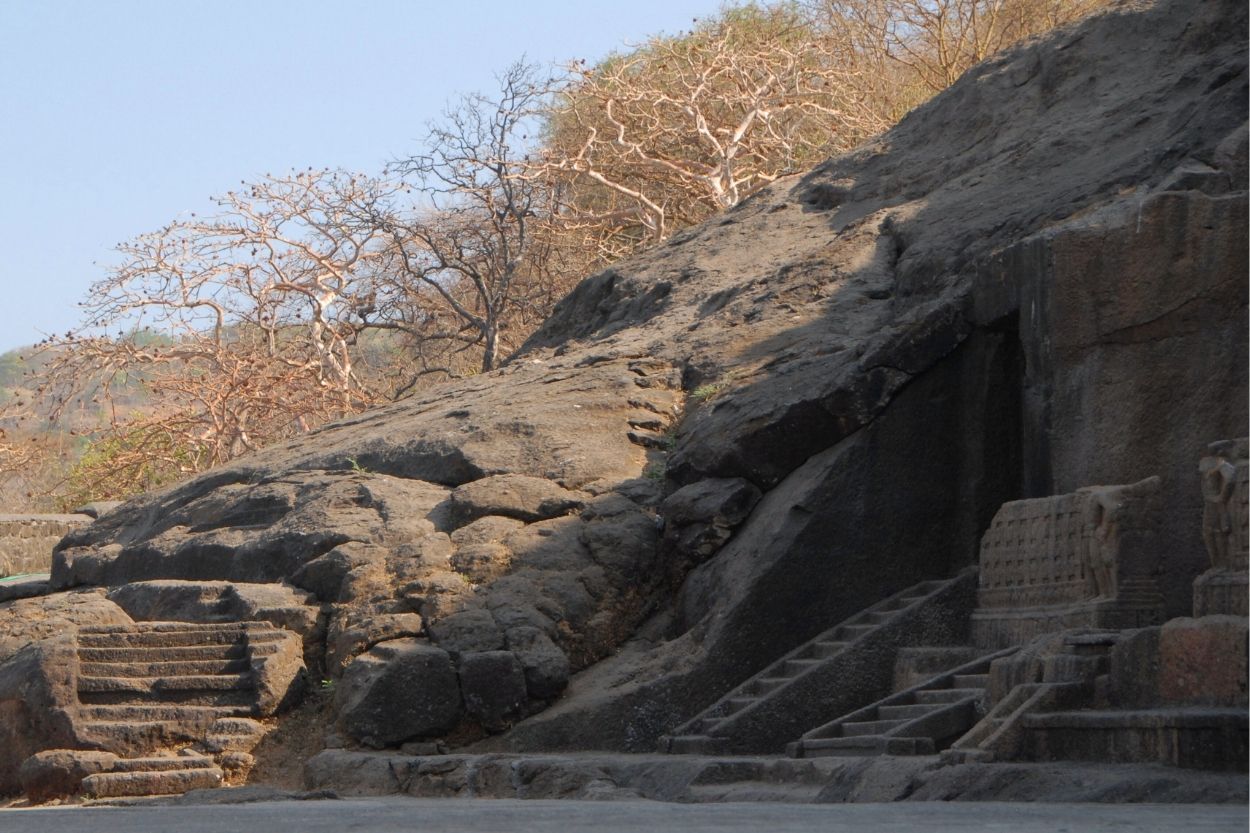
The Kanheri Caves are a collection of ancient temples, some up to 2000 years old, carved into a hill on the northern outskirts of Mumbai, India.
They aren’t the only ancient rock-carved temples in the city, with others like the Elephanta Caves, but they are without a doubt the best of them, and one of the top historical attractions in Mumbai.
These Buddhist cave temples are located inside Sanjay Gandhi National Park. They make for a great day-trip escape from the chaos of downtown Mumbai, and are a must-visit for history buffs in Mumbai.
Despite being located next to one of the world’s largest cities, finding info on how to visit the the caves is difficult. Drawing from my own experience visiting the site, I’ve created this detailed travel guide to the Kanheri Caves, which provides you with everything you need to know to visit these ancient temples on Mumbai’s doorstep.
⭐️ THE BEST KANHERI CAVES TOUR: Kanheri Caves and The Golden Pagoda Temple
Contents
Brief History of the Kanheri Caves
The Kanheri Caves trace their origins back to the 1st century CE. This was a time when Buddhism was starting to spread across India after the Mauryan Emperor Ashoka adopted it as the state religion.
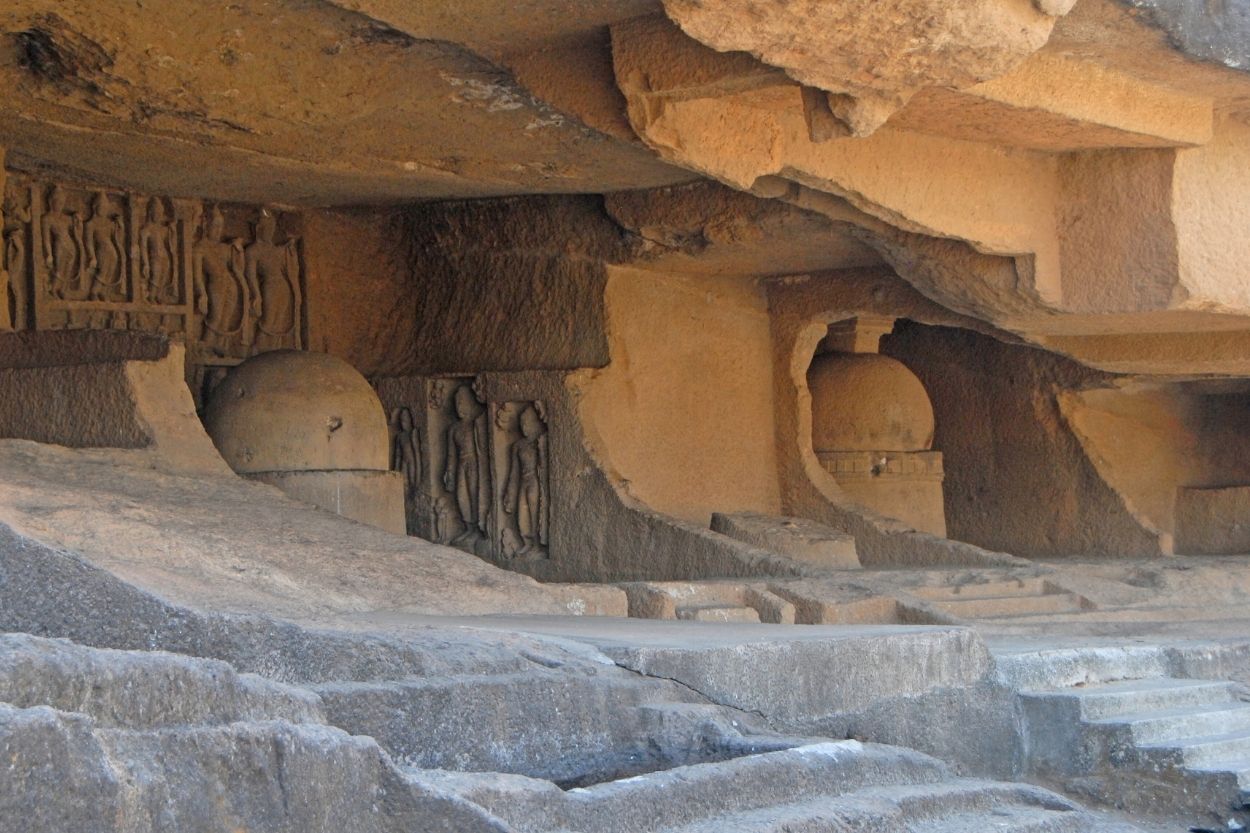
This area near modern-day Mumbai became a hotspot for Buddhists, and they soon began carving temples into the side of a basalt hill. The dark colour of the rocky hill led to it being named Kanheri, which translates to ‘black mountain’.
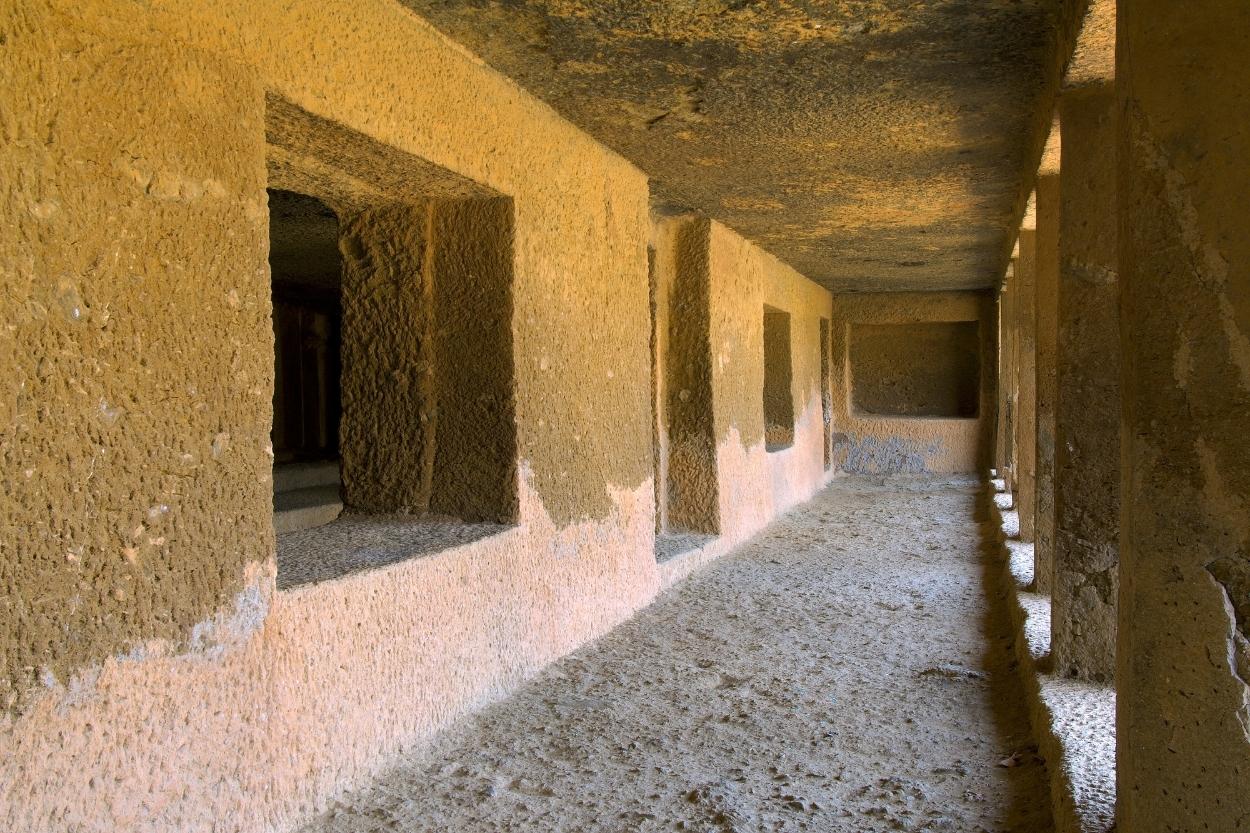
Here they carved a mix of 109 viharas (places for living) and chaityas (places for worship). Over time the Kanheri Caves became a centre for learning – a university for Buddhists.
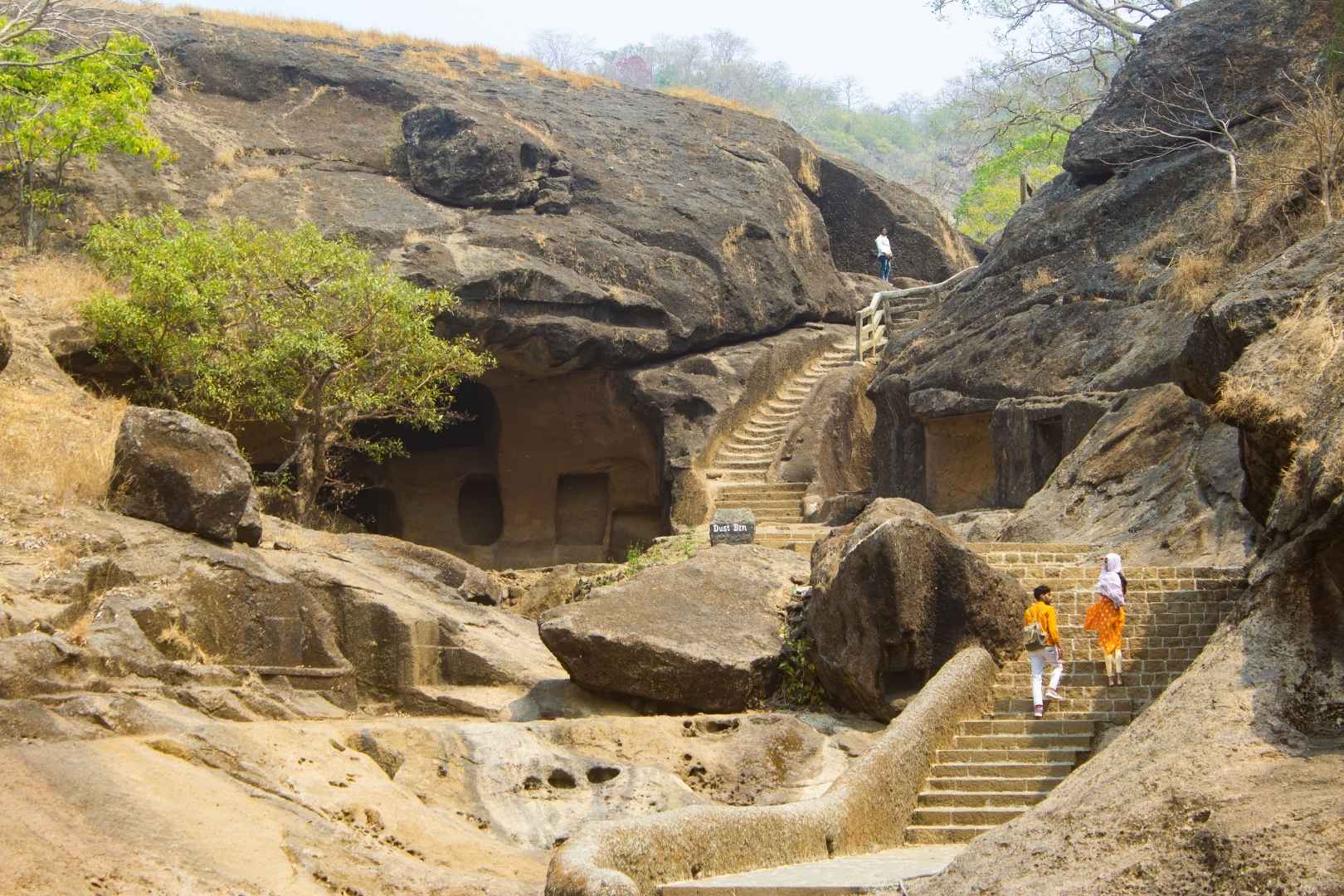
The fine details of the site’s long history are largely unknown. What we do know is that the settlement continued to grow and was so popular that it attracted Buddhist worshipers from afar. In fact, in Cave 90 you can find a Japanese inscription, carved by a worshipper who travelled all that way.
By the late middle ages, the Kanheri Caves were mostly abandoned , likely due to the decline of Buddhism and the rise of Hinduism & Islam in India, as well as the arrival of the Portuguese to the area.
It wasn’t until the 19th century that the British started to restore the site, and by 2019 it became a UNESCO World Heritage Site.
What to see at the Kanheri Caves
1 | Cave 2
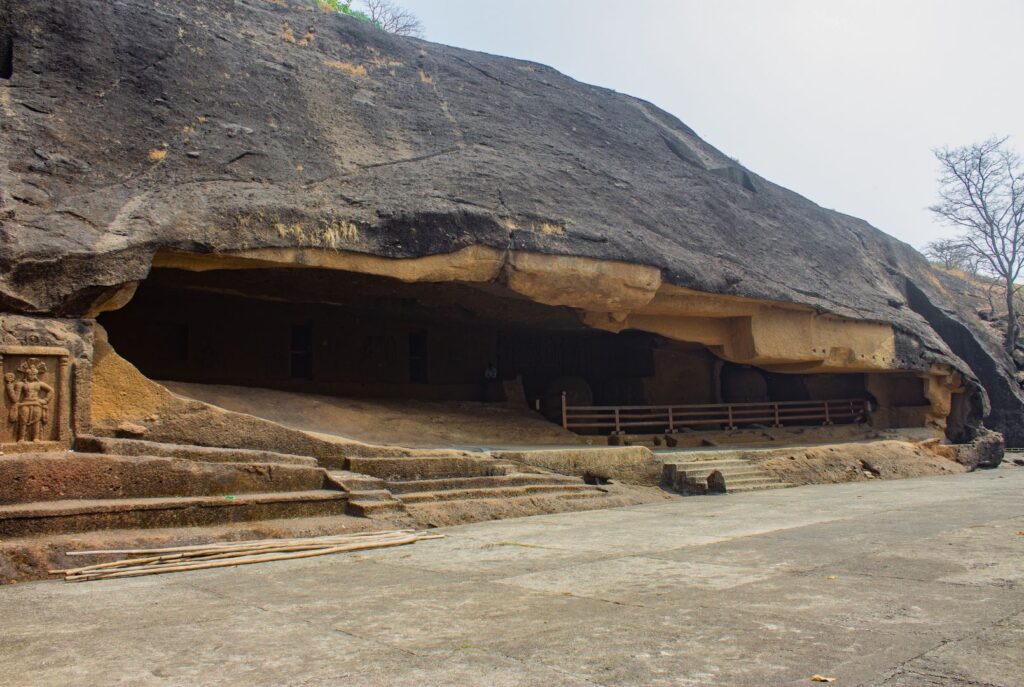
Cave 2 is one of the first caves you’ll come across after entering the site and one of the most impressive.
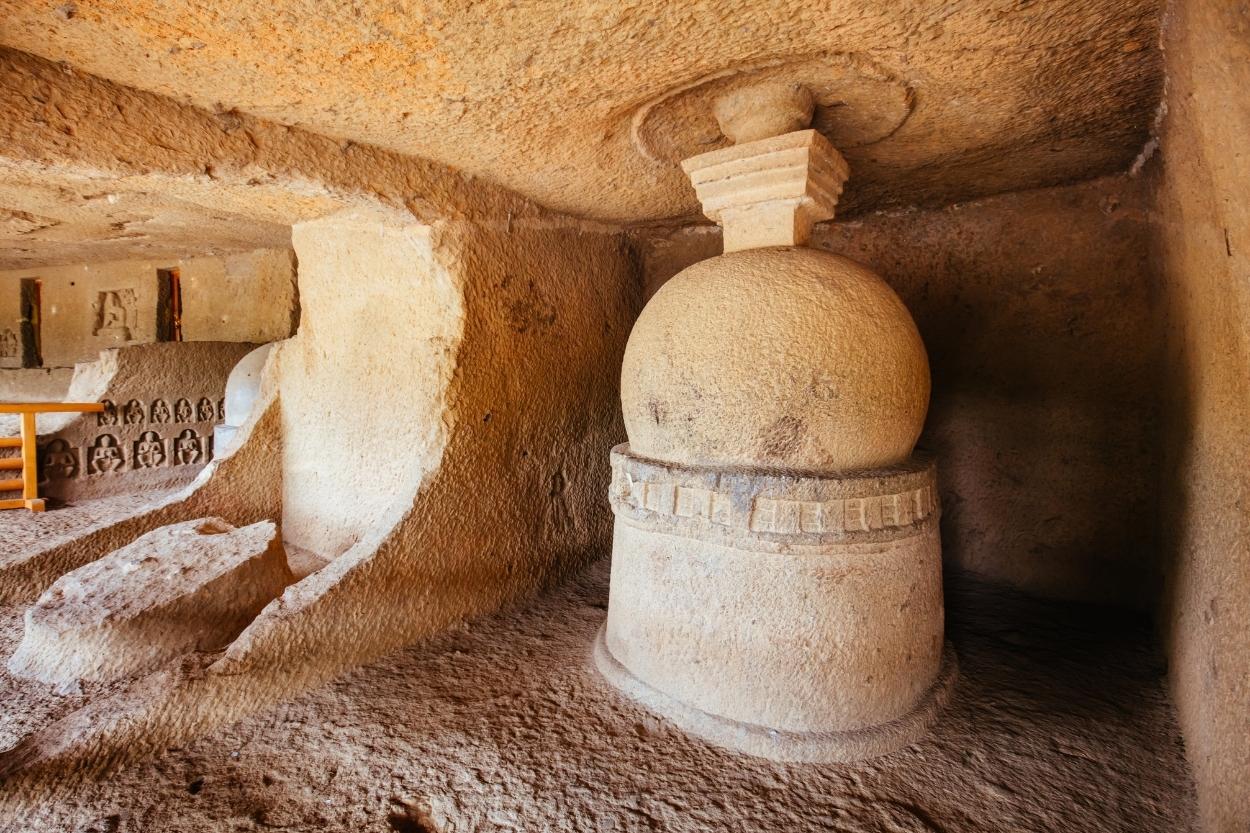
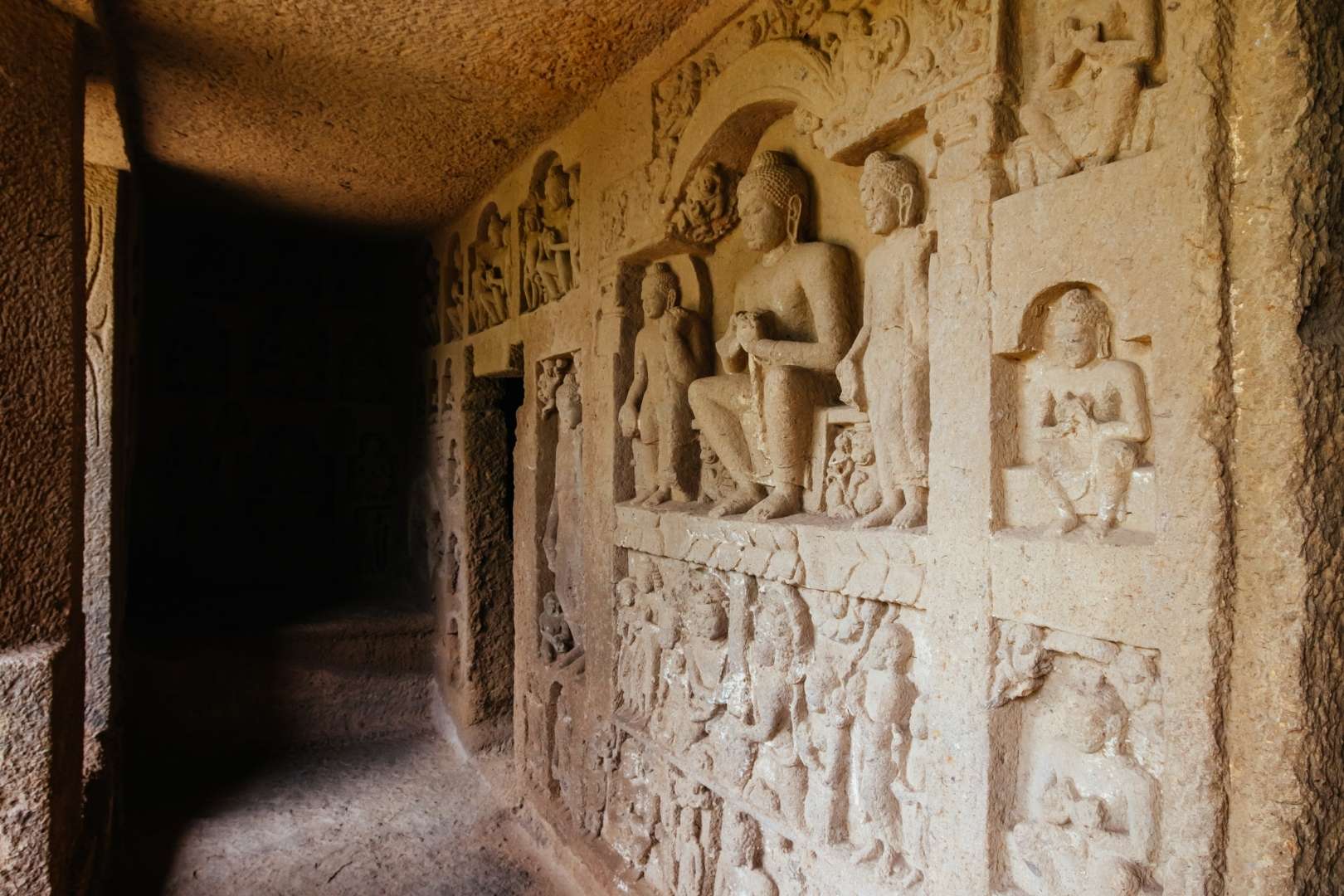
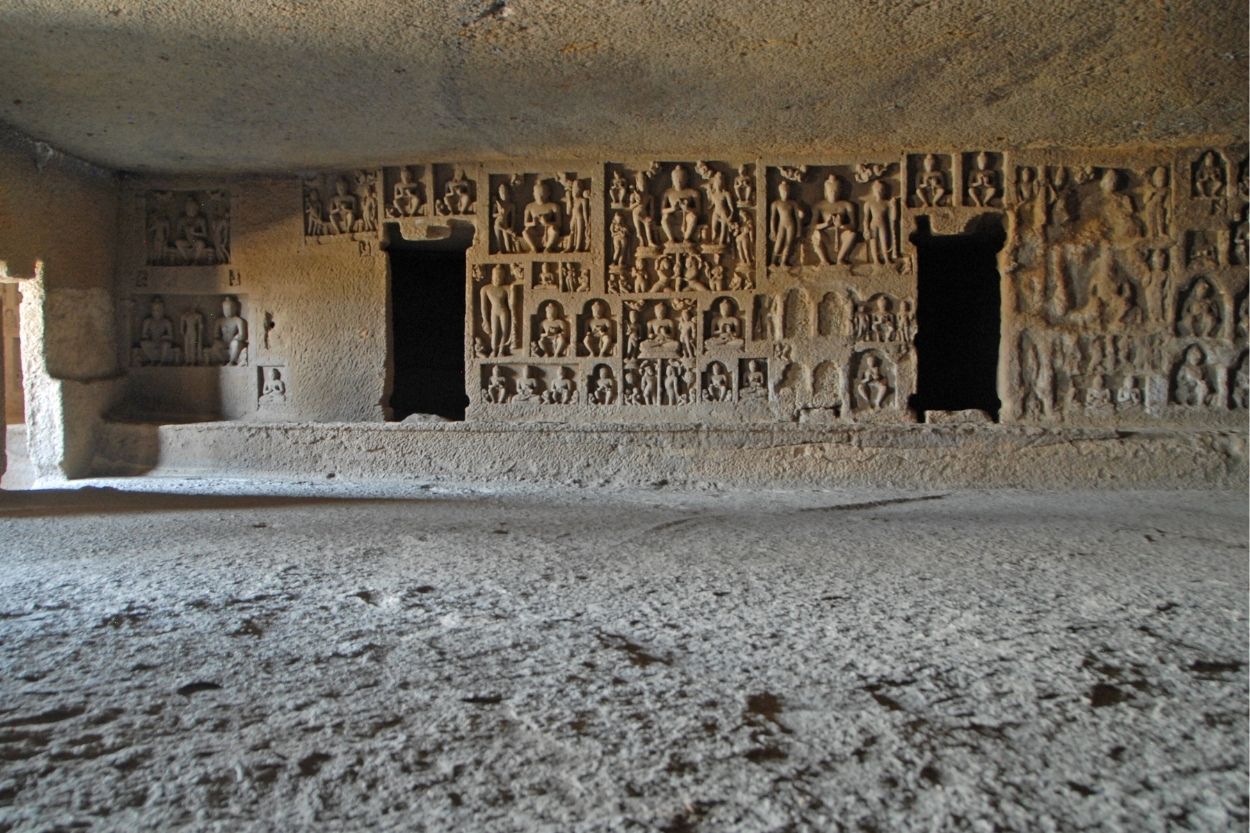
This long room carved into the hill is one of the later caves built at Kanheri and served as a Chaitya (prayer hall). It may not look very impressive from the outside, but inside you’ll find 3 small stupas and walls covered in intricate buddha carvings.
2 | The Great Chaitya
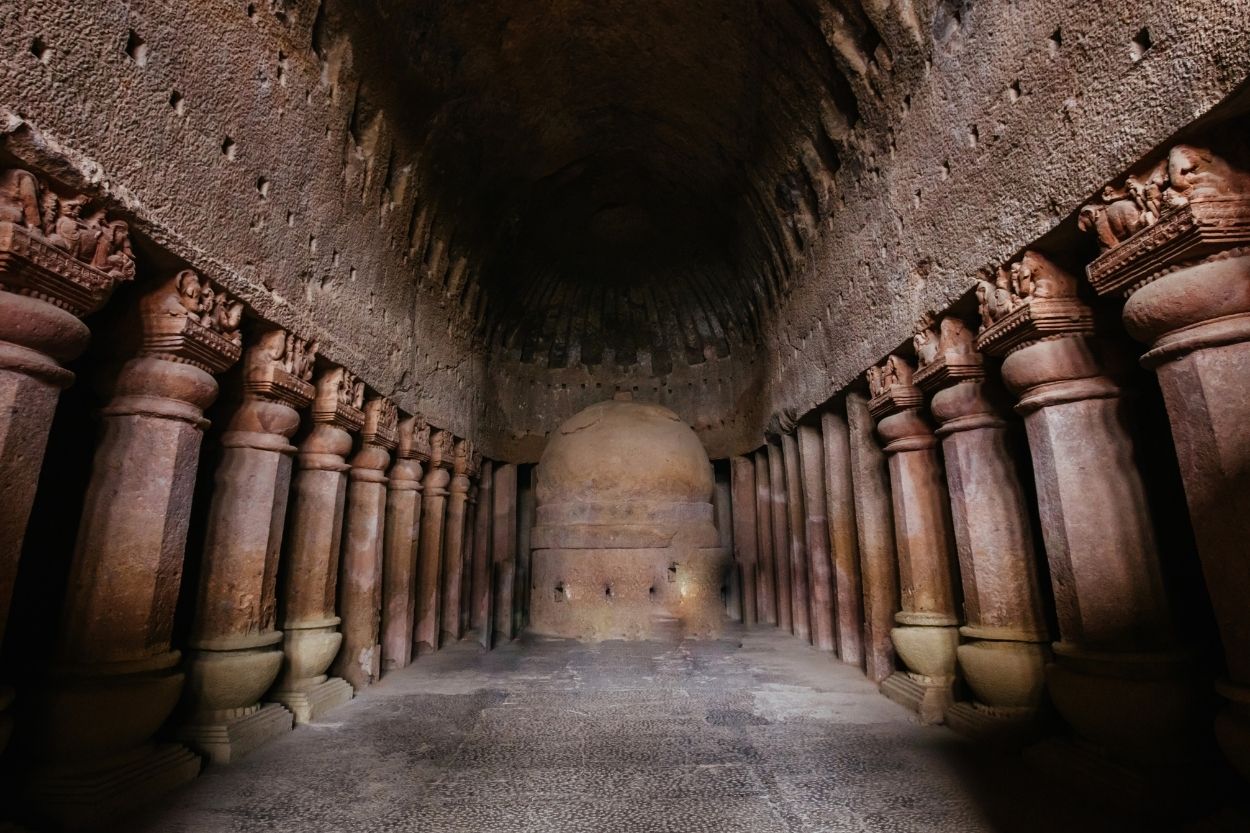
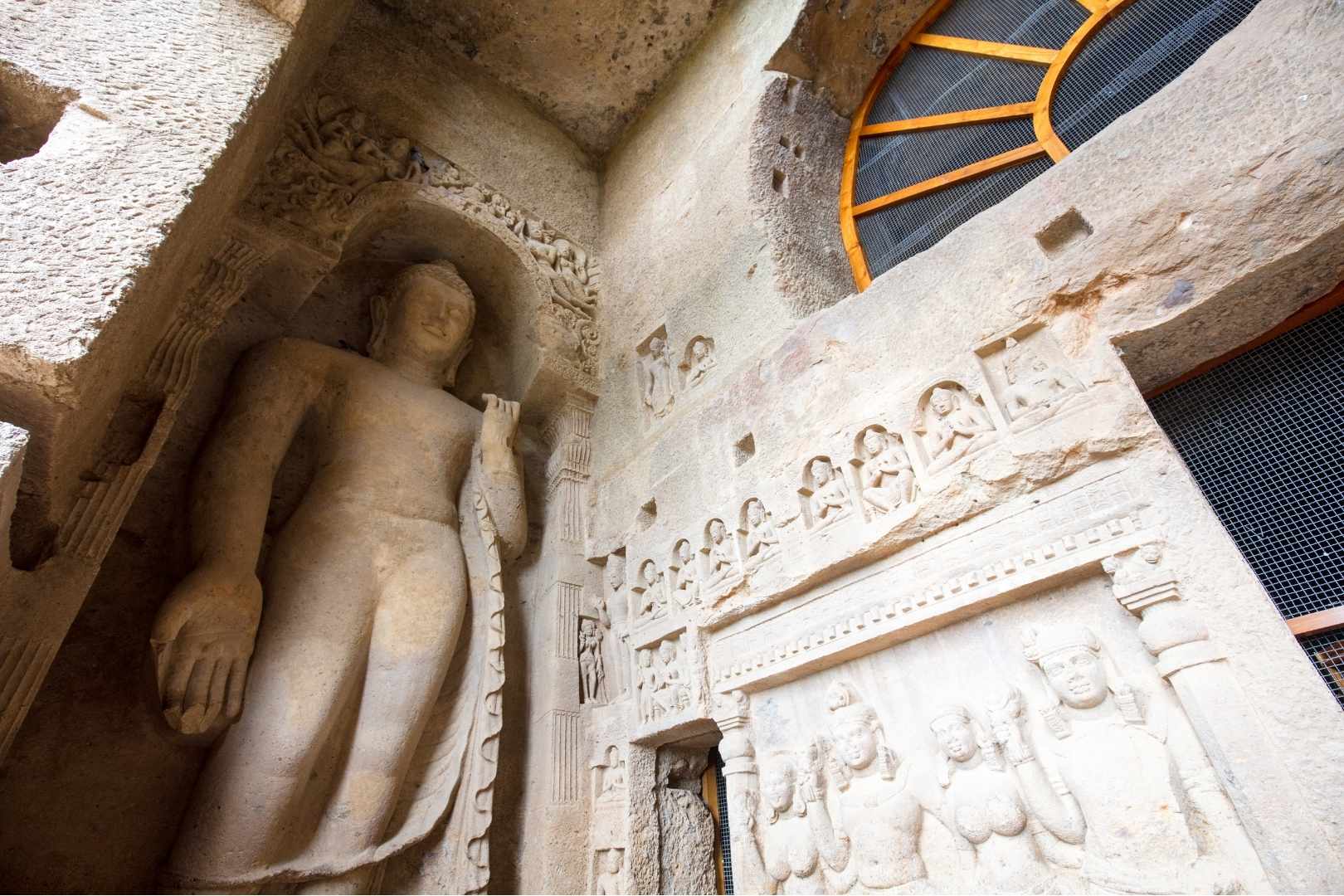
Known as the Great Chaitya, Cave 3 is without a doubt the best Chaitya at Kanheri, on par with the great cave temples at the Ellora and Ajanta Caves.
Based on an inscription at the entrance, the Great Chaitya is believed to have been carved around 170 CE and was used for prayer and worship. Inside you’ll find a large hall surrounded by rows of pillars, with a stupa at the far end.
3 | Darbar Cave
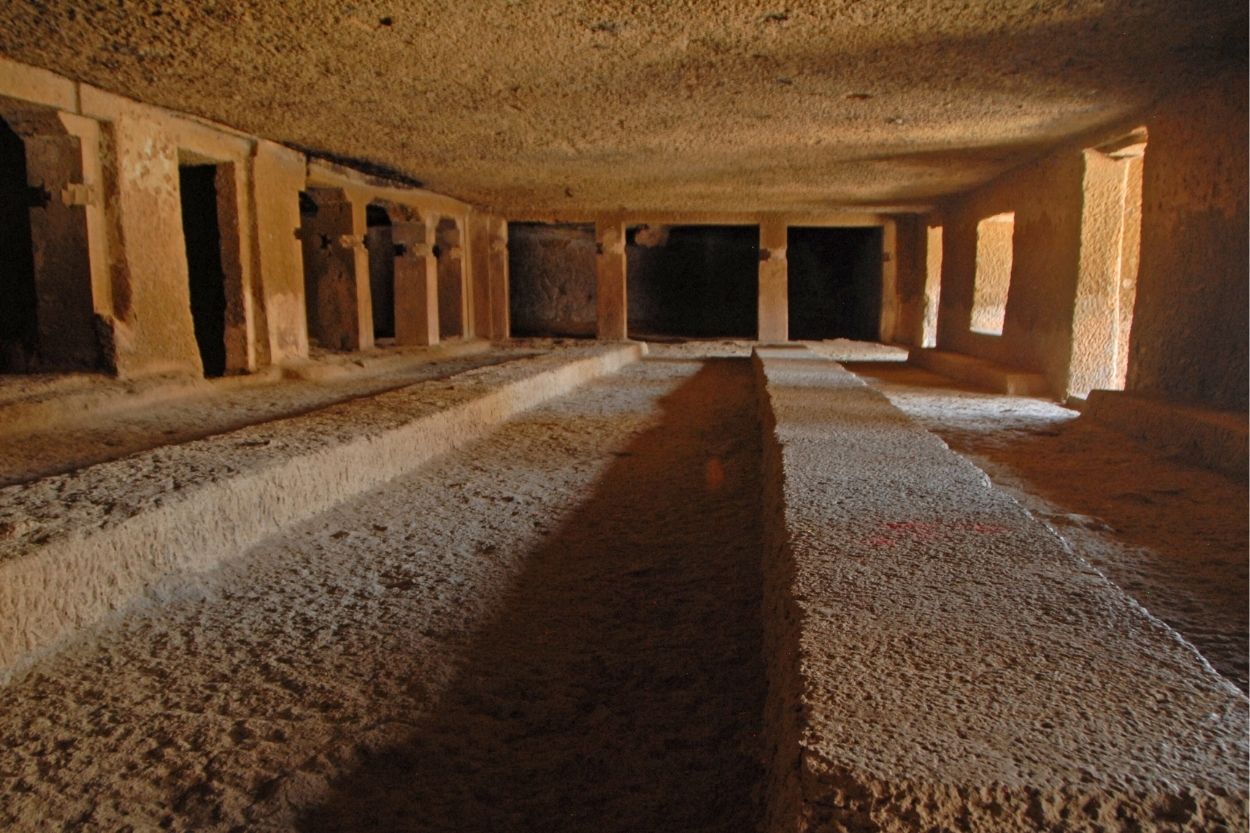
Cave 11, often called the Darbar Cave, is another of the largest caves at Kanheri.
Rather than a place of worship, its believed that the Darbar cave was an assembly hall of some kind. Likely a place where monks and pilgrims could gather for meetings, lectures or possibly for meals.
Inside the hall you can find 2 elevated stone slabs running through the wall, likely used as a table, Surrounding them are a collection of small rooms, but its unclear what they were used for.
4 | The Water System
An interesting but easy to miss feature of the Kanheri Caves is its water management system.
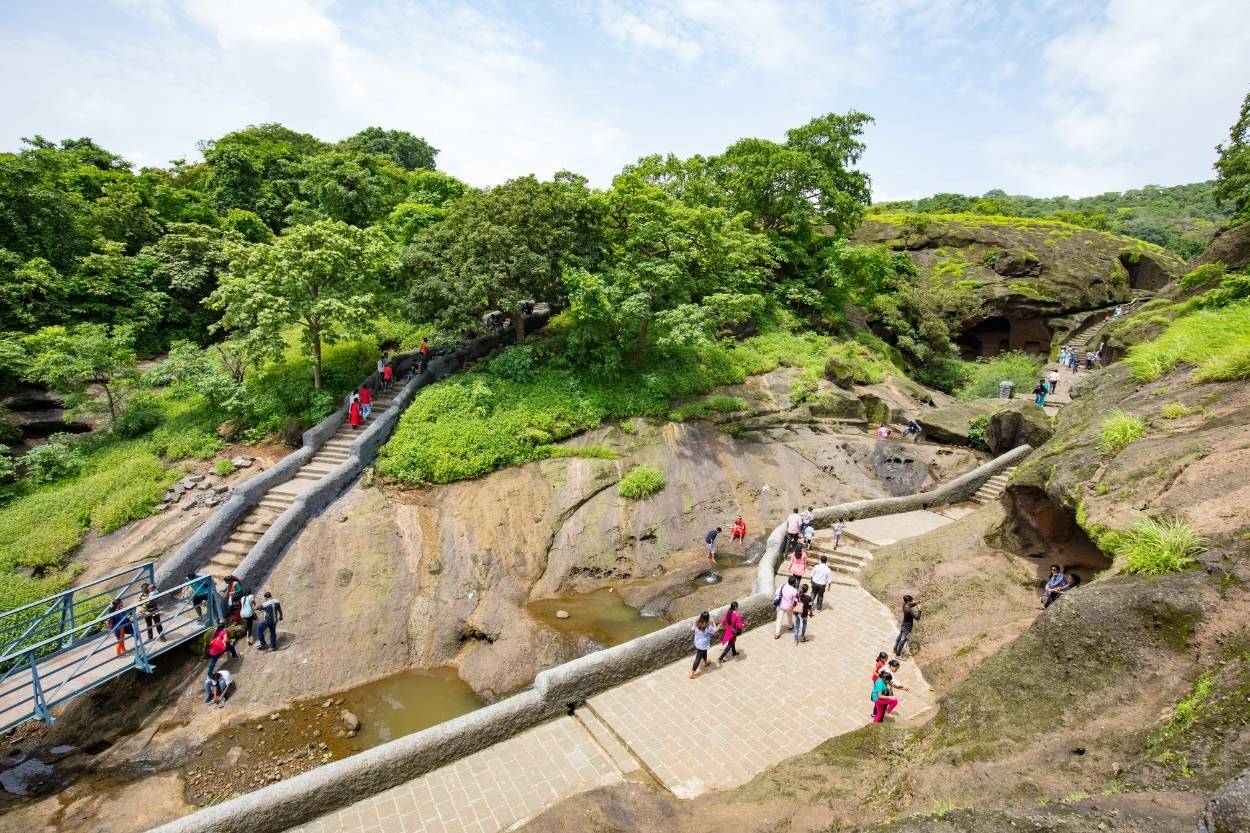
In order to ensure a consistently supply of fresh water, an intricate system of drains were carved all over the rocky hill to direct rainwater into a collection of cisterns. If look closely you’ll be able to see these carved channels all over the site, and will no doubt find cisterns still full of water.
If you visit during the wet season, you may be able to see the water system in action.
5 | The National Park
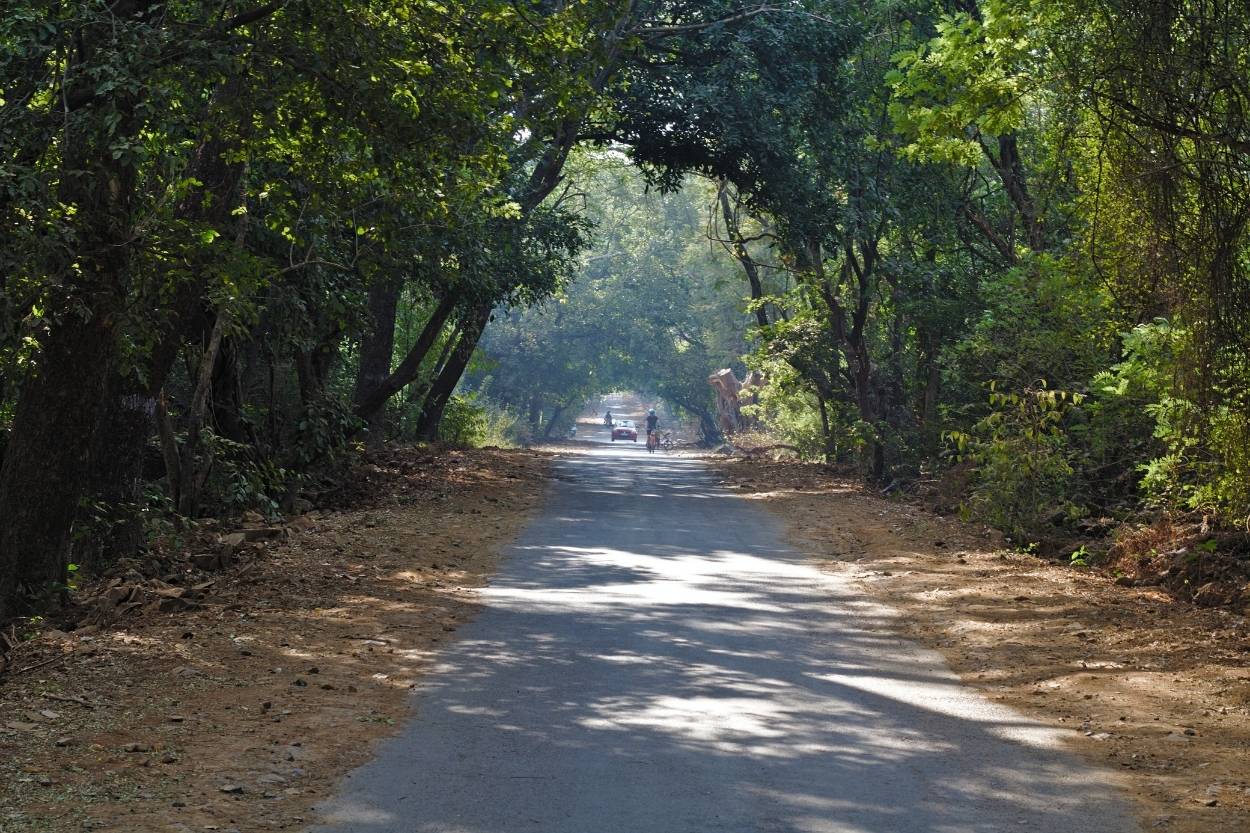
The Kanheri Caves are located deep inside Sanjary Gandhi National Park, so why not make a daytrip of it and enjoy some of the things the park has to offer, including:
- Cycle – Rent a bike and explore the park from a bicycle, spotting wildlife such as monkeys, deer, peacocks, and even leopards (though they’re notoriously rare).
- Safari – In a different enclosed area of the park, you can go on a lion or tiger safari in a caged bus.
- Hike – Go on a hike on one of the parks many trails.
Best time to visit the Kanheri Caves
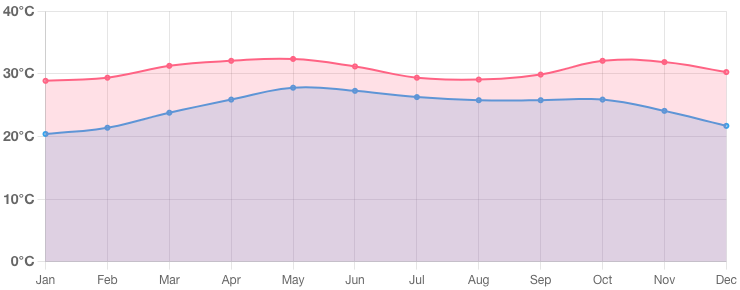
The Kanheri Caves can be visited all year round, but the time of year you visit can make a difference.
Mumbai, and the Kanheri Caves, are located in the Konkan Coast region of India, which changes drastically at different times of the year.
For the most part, Mumbai and the Kanheri Caves experience 2 different seasons:
- Wet Season (March to August) – High humidity with an increased likelihood of intense spouts of rainfall.
- Dry Season (October to February) – Dryer, cooler and much more pleasant weather.
If you visit the Kanheri Caves during the wet season, you’ll have to contend with the high humidity, but will also get the see the caves in their full glory – covered in lush greenery and with the water collection system in full swing.
If you visit the Kanheri Caves during the dry season, the humidity will be much more bearable, but the landscape will look more brown and dry.
Where are the Kanheri Caves?
The 📍Kanheri Caves are located inside 📍Sanjay Gandhi National Park on the northern outskirts of Mumbai.
The 📍entrance to Sanjay Gandhi National Park is in Borivali East, about 15km north of Mumbai airport.
How to reach the Kanheri Caves
Before you can reach the Kanheri Caves, you first need to get yourself to the entrance of Sanjay Gandhi National Park. You have a few different options for getting there:
Taxi/Uber
The simplest and most practical way to reach the National Park is to hire a taxi or uber.
Unless you’re a local who speaks the language, navigating Mumbai’s public transport system is not easy. Hiring an uber or taxi removes all the hassle – without breaking the bank.
The cheaper option is usually Uber. Taxi drivers in India will jack up their prices if they know you’re a tourist. Uber, on the other hand, works just like any other country and is the same price for locals and foreigners alike.
Train
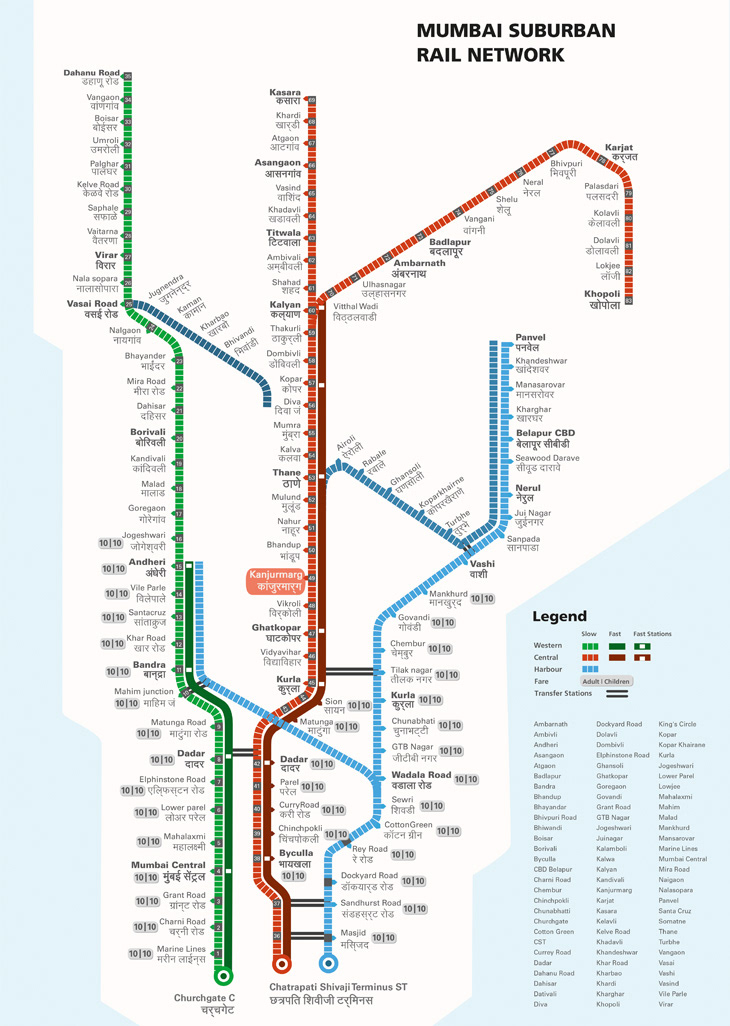
If you’re feeling adventurous and brave enough to take on Mumbai’s rail network, then you can reach Sanjay Gandhi National Park via train.
The nearest train station is 📍Borivali Station, which is about a 10min walk to the park entrance.
As for which train to catch, that’s where the ‘adventurous’ part comes in.
As a foreigner who doesn’t speak the local language, figuring out what train is going where can be difficult, and online resources are very limited.
The main thing you need to know is to get on the Western Line (which passes through Churchgate and Mumbai Central) and head north until you reach Borivali, which you can see on the map below.
Now that you’ve reached Sanjay Gandhi National Park, you now need to reach the Kanheri Caves, which are located a few kilometres inside the park.
If you arrived with a tour, you don’t need to worry about this part as transport through the park is likely covered. If you reach the park any other way, you’ll likely be dropped off at the park entrance and are on your own from here.
From here, you have 3 options for reaching the Kanheri Caves:
Shuttle Bus
There is a shuttle bus service that runs from the park entrance to the Kanheri Caves – for a small fee.
But there’s a catch – the shuttle bus only runs after enough people get on the bus. If there aren’t enough passengers, the bus doesn’t move.
You might get lucky and the shuttle bus may leave as soon as you get on it, or you might be waiting for a while for more visitors to arrive.
Bicycle
From a booth just beyond the ticket office, you can rent a bicycle and pedal your way through Sanjay Gandhi National Park to reach the Kanheri Caves.
If you’re up for a bit of physical activity, I highly recommend doing this. What better escape from Mumbai’s city chaos than a slow bike ride through a quiet and peaceful national park as you make your way to visit 2000-year-old temples.
The distance from the park entrance to the caves is about 5-6 kms. The final stretch involves going up a relatively steep hill, so you’ll probably find yourself pushing the bike for the final couple hundred metres.
TIP: Make sure you check the bike’s condition before you set off. In my experience, some had flat tires or were just in very poor condition. So make sure you choose one that’s going to get you all the way without breaking.
Walk
Lastly, you also have the option reaching the Kanheri Caves on foot.
While no one is stopping you from doing this, I don’t recommend it. The distance you need to walk is about 5km and depending on the time of year, it may be in intense heat and humidity.
But hey, it’s still an option.
Visiting the Kanheri Caves with a tour
Visiting the Kanheri caves can be quite the trek. Not only do you need to reach the national park, you then need to traverse another 5km to the top of a hill to reach the caves. This is made only more difficult if you’re a foreigner who doesn’t speak the language.
That’s why I suggest visiting the Kanheri Caves on a guided tour.
Reviewing historical tours is a big part of what I do. In fact, I wrote a whole article on the best historical Mumbai tours.
So I can already tell you which Kanheri Caves tour is the best option. It’s this one:
⭐ Kanheri Caves and The Golden Pagoda Temple
With this Kanheri Caves tour, you’ll get
- Picked up from your hotel in a private AC car.
- Driven to the Park entrance.
- Driven through the Park to the Caves.
- Guided around the site by a knowledgeable English-speaking guide who tells you all about its history along the way.
- A visit to the Golden Pagoda (not so historical but still a bonus)
- Dropped off back at your hotel (or a place of your choosing)
Even if you’re not one for guided tours and prefer to go it alone, there’s no denying how convenient it is. No need to navigate the transport system, or ride a bike 5km to the caves. Just get picked up from your hotel and drive straight to the Kanheri Caves.
Kanheri Caves Opening Hours
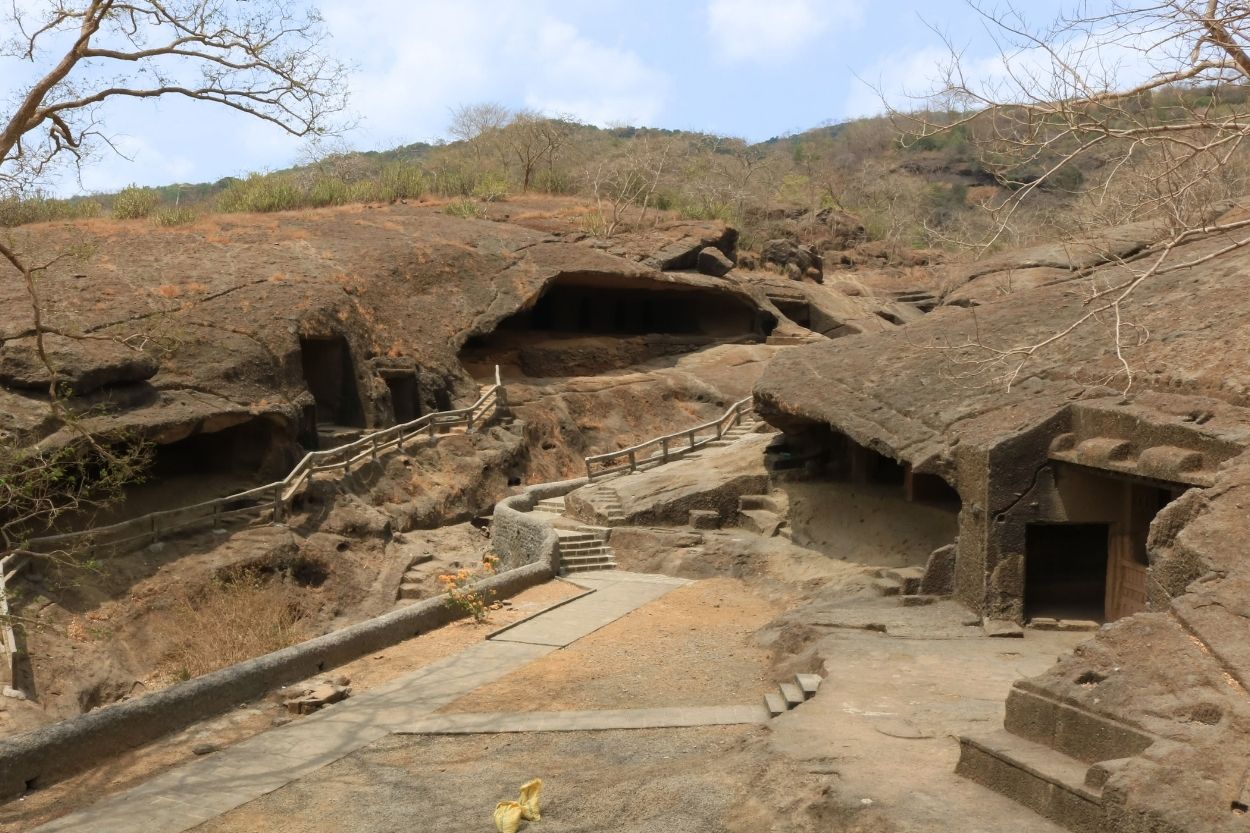
When visiting the Kanheri Caves, there are 2 different opening times you need to work around:
- The opening hours for Sanjay Gandhi National Park are 9am to 6pm daily.
- The opening times for the Kanheri Caves are 9:30am to 5:30pm, closed on Mondays.
This 30min difference allows for some travel time between the park entrance and the caves.
Kanheri Caves Entry Fees
When visiting the Kanheri Caves, there are 2 different entry fees you will need to pay.
- ₹200 – Sanjay Gandhi National Park (₹85 for Indian nationals)
- ₹200 – Kanheri Caves (₹85 for Indian nationals)
So in total your visit will cost a minimum of ₹400, which, at the time of writing, is about USD $4.40.
How long does it take to visit the Kanheri Caves?
To visit the Kanheri Caves, expect it to be a half-day trip, at the very least.
This accounts for:
- Reaching the park entrance, which will depend on where you’re coming from.
- The journey from the park entrance to the caves, which will depend on which of the above-mentioned transport options you choose. If you’re ride a bike, it might take 30 to 60min.
- Time spent at the caves. Expect to spend about 2 to 3 hours exploring the site.
- The journey back to the park exit and beyond.
If you choose to, you could also spend more time exploring the National Park itself, including wildlife spotting, hiking or going on a tiger and lion safari.
Are the Kanheri Caves worth it?
Being located a little out of the way from most other popular places in Mumbai, you’re probably wondering: are the Kanheri Caves worth it?
The Kanheri Caves aren’t the only ancient cave temples in Mumbai. Others like Elephanta Island or the Mahakali Caves are located closer to downtown Mumbai.
However, I can tell you from personal experience that the Kanheri Caves are the best of the ancient caves around Mumbai.
Not only is the site much larger than the others, it’s also much older, with some of the caves at Kanheri being up to 500 years older than those at Elephanta.
The Kanheri Caves are also a great way to escape the city chaos and get into nature.
And, because they’re located on the northern outskirts of the city, the Kanheri Caves are closer to the airport than all the other popular sites downtown. So, even if you’re only in Mumbai for a quick stopover, it’s easy to reach.
Further reading on India
Here are more guides on India to help you plan your trip:
⬤ There are more historical places to explore in Mumbai than just the Kanheri Caves. Check out: 17 Best Historical Sites in Mumbai.
⬤ For the best guided tours for Mumbai’s many historical sites, check out: 6 Best Historical Mumbai Tours to Book in 2026.
⬤ From Mumbai, you venture inland to Aurangabad, where you can visit the world famous Ellora & Ajanta Caves. Check out: Ellora & Ajanta Caves | Complete Guide to India’s Largest Cave Temples.
⬤ For more historical travel guides on India, visit our India page.
Disclosure: This post may contain affiliate links.