
Welcome to Luxor.
Once the ancient capital of Thebes, it was from here that pharaohs ruled over a unified Egypt for over 500 years during the New Kingdom. Today, it’s arguably the top historical destination in the country.
Luxor it’s all about temples and tombs. On the East Bank, you’ll find grand temples standing in the heart of the modern-day city. Cross the Nile to the West Bank, and you’ll find the vast Theban Necropolis where New Kingdom pharaohs were buried for thousands of years.
Across these 2 sides of Luxor, there’s a world of historical sites to explore. In this list, I’ve narrowed it down to the top 10 (plus a few extra).
Best Luxor Tour
I’ve done the research so you don’t have to. Here is the top Luxor historical tour, covering 5 of the sites featured on this list:
Luxor Historical Sites Map
Top 10 Historical Sites To Visit In Luxor
1 - Valley of the Kings
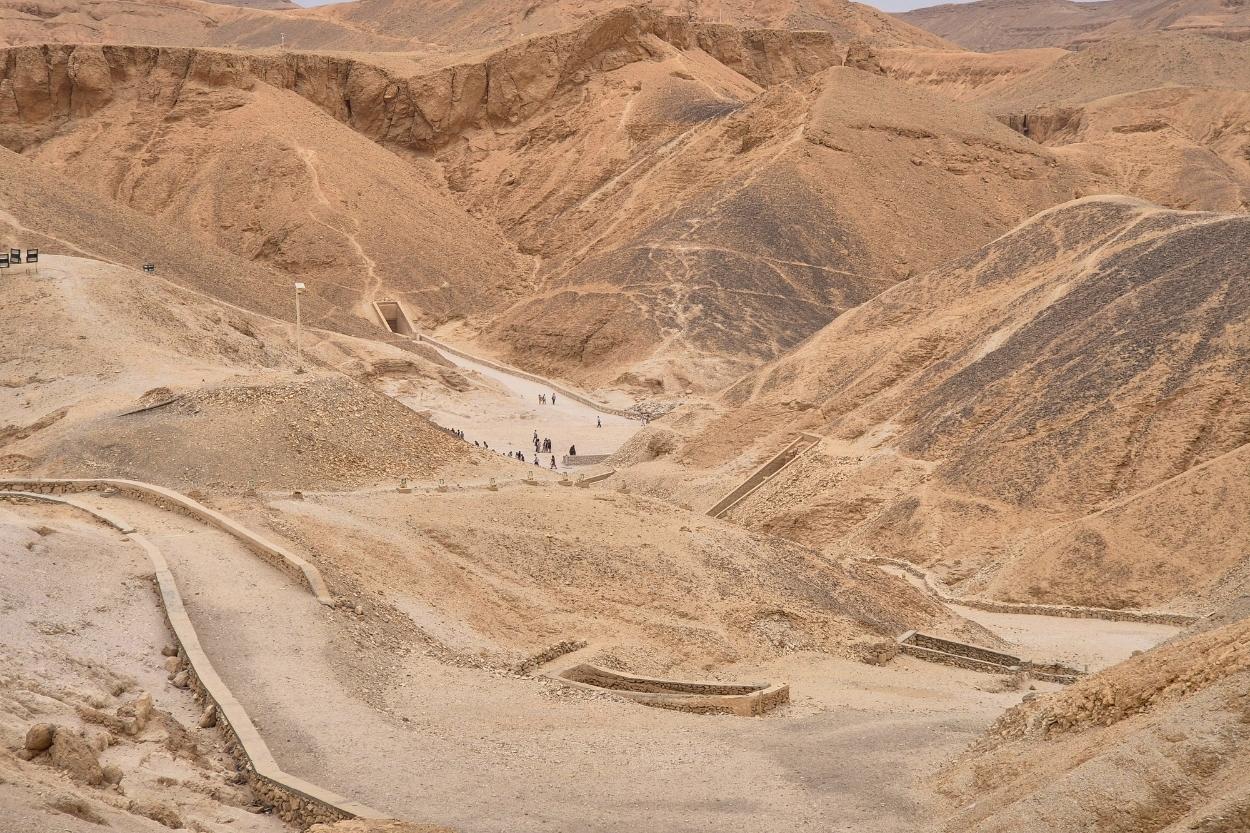
Tucked away in the rocky hills of Luxor’s west bank, the Valley of the Kings is the burial site of ancient Egypt’s New Kingdom pharaohs, and the most important part of the vast Theban Necropolis.
By this era, the Egyptians had stopped building pyramids, choosing instead to bury their rulers in tombs dug deep into these mountains, likely in hopes that hidden entrances would keep them safer from looters than a giant stone tower ever could.
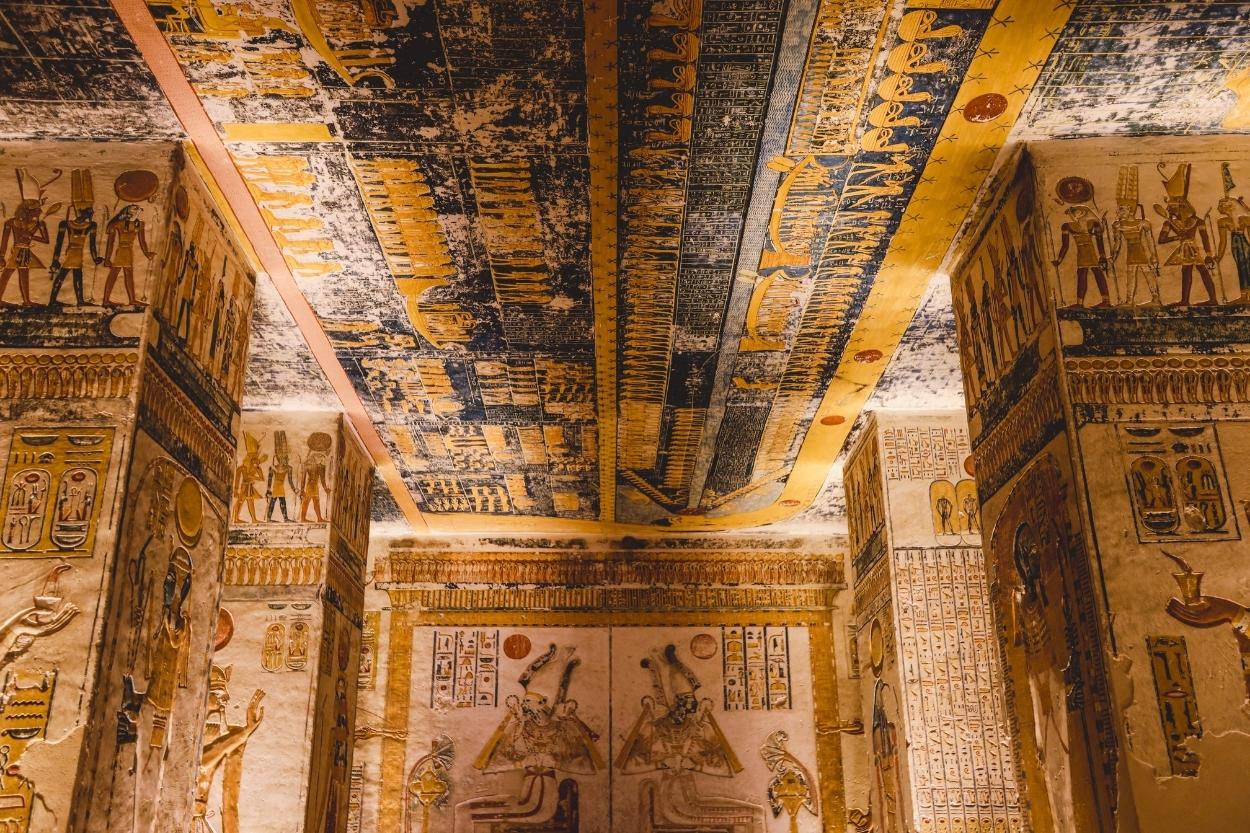
For roughly 500 years during this golden age, pharaohs were laid to rest here alongside valuables and objects believed to accompany them into the afterlife. Most tombs were plundered millennia ago, but in the early 20th century, archaeologists uncovered the sealed tomb of Tutankhamun, becoming one of the most significant discoveries in the history of Egyptology.
Today, the Valley of the Kings ranks among Egypt’s most important historical sites, right up there with the pyramids of Giza. Visitors can explore the valley and step inside many of the excavated tombs, several still holding remarkably well-preserved murals and reliefs. It’s one of the most incredible historical sites in Egypt, and it absolutely belongs on your Luxor itinerary.
2 - Karnak temple
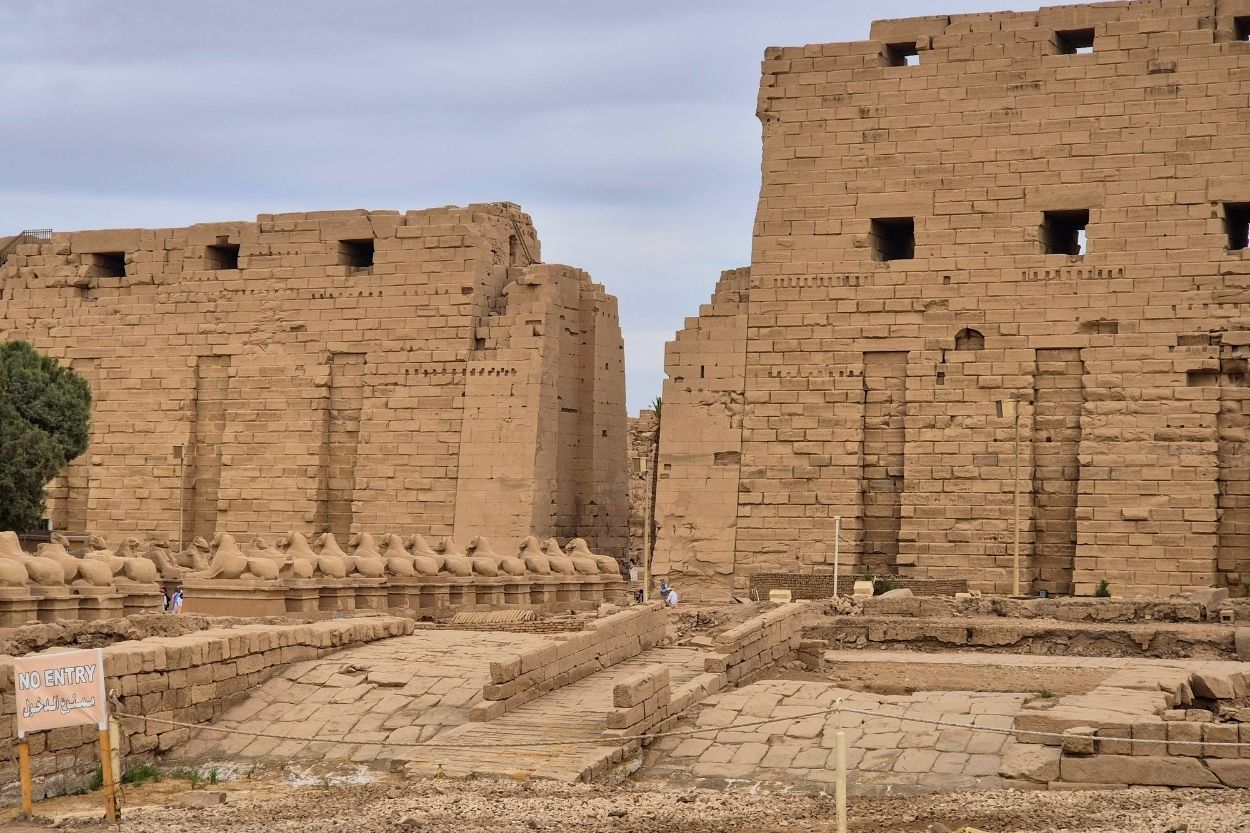
During Egypt’s New Kingdom, a wave of new temple building took place thebes Thebes (modern-day Luxor), and none were more significant than Karnak. What’s known as Karnak Temple today is actually a vast complex made up of multiple temple groups, though the section open to visitors is the Precinct of Amun.
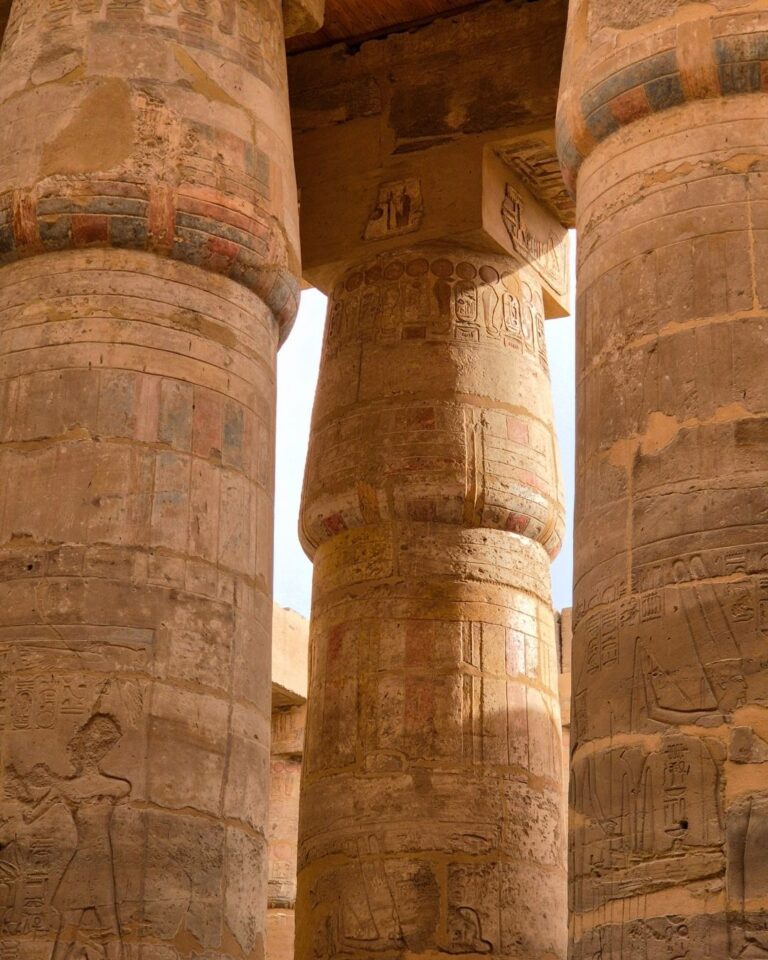
It’s considered the second most visited site in Egypt, after the pyramids of Giza, and it’s easy to see why once you’re inside. The complex is a genuine marvel of ancient engineering. In the Great Hypostyle Hall, stone pillars rise 23m high with a 3m diameter, somehow topped with massive stone slabs the Egyptians hoisted into place without modern machinery.
The rest of Karnak is just as impressive. Walk the Avenue of Sphinxes, which once connected the temple directly to Luxor Temple down the road, pass through the towering pylon gateway guarding the entrance, and take in the many colossal statues of pharaohs scattered throughout the grounds. There’s a lot to explore at Karnak Temple.
3 - Luxor temple
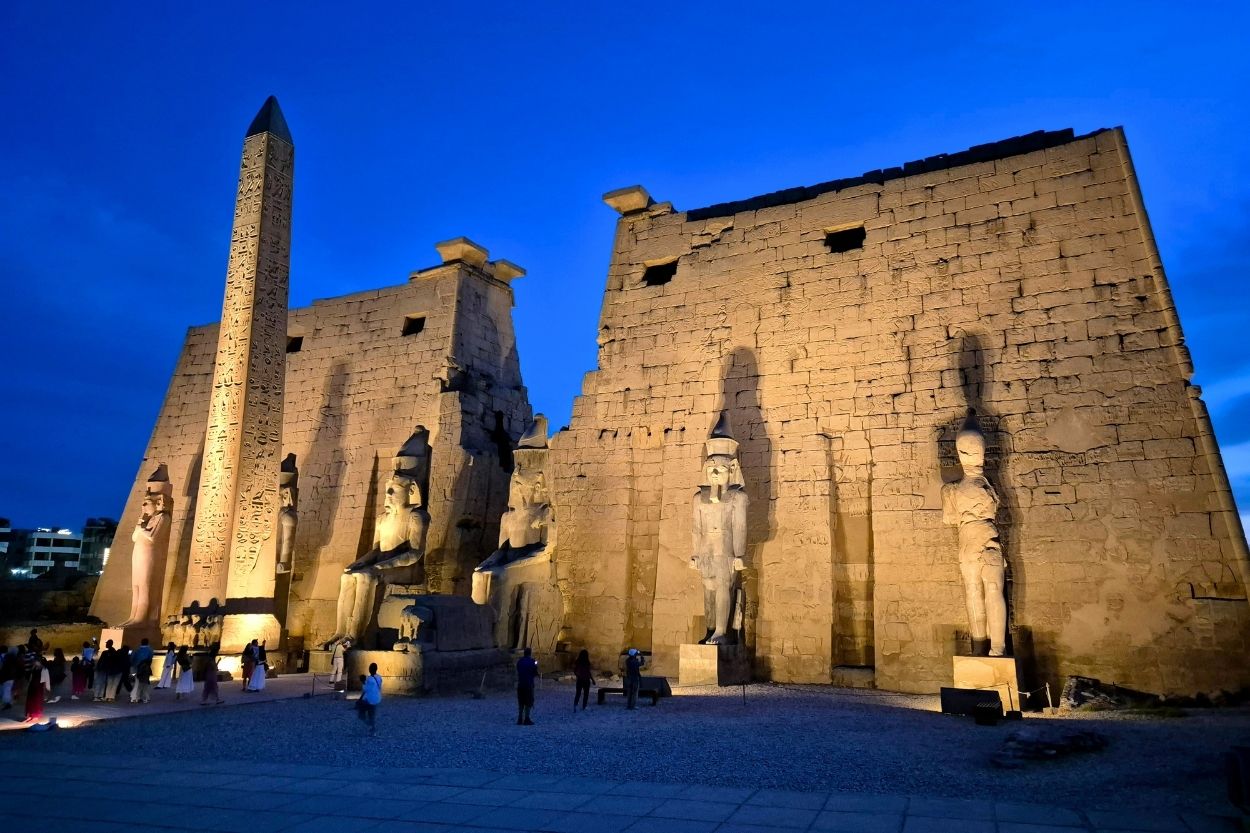
Connected to Karnak Temple via the Avenue of Sphinxes is the other most important ancient temple in Luxor. Named after the city itself, Luxor Temple was also built during Egypt’s New Kingdom, primarily under Amenhotep III but with later pharaohs each adding their own pieces.
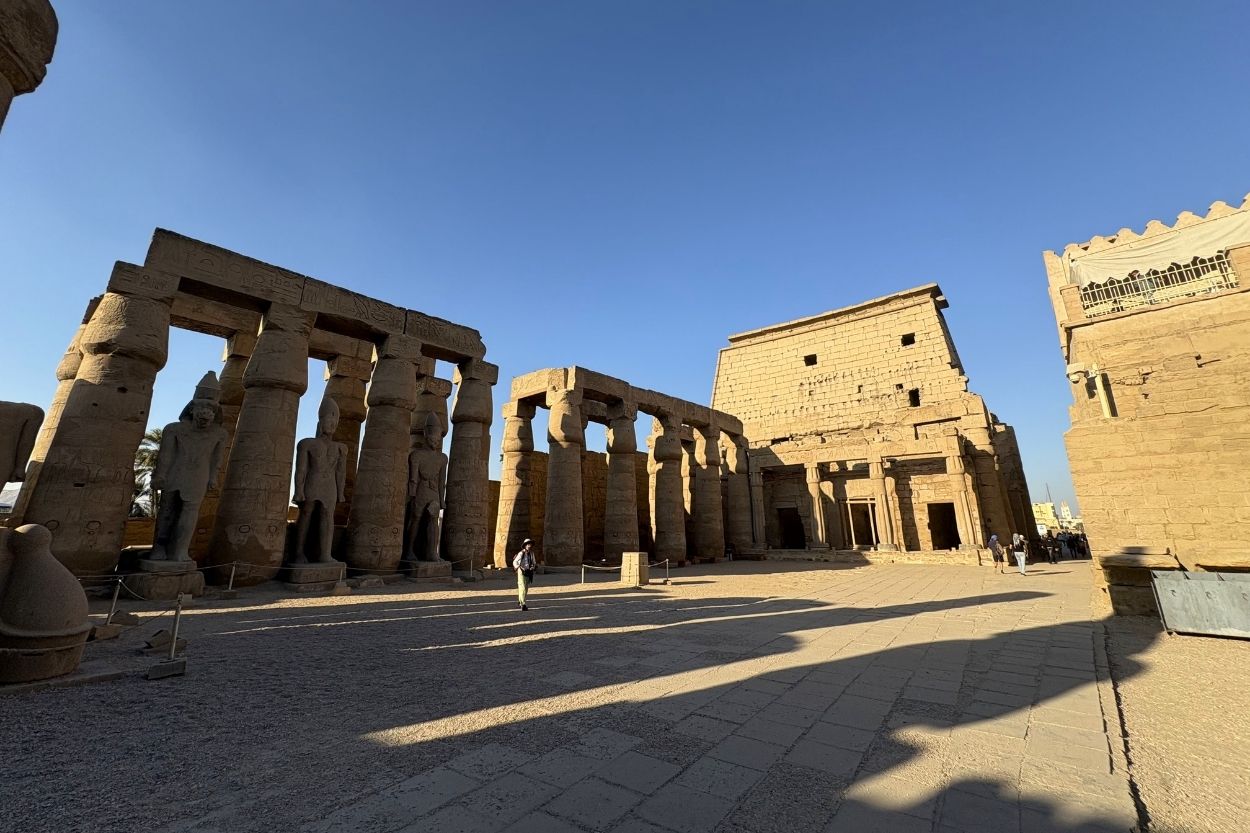
Rather than being dedicated to a single god, it was built for the Opet Festival, an annual celebration in which statues of the gods were carried along the Avenue of Sphinxes from Karnak to be reunited here.
Luxor Temple is the embodiment of ‘history in layers’. In addition to the traditional Egyptian art and architecture, you’ll find reliefs depicting Alexander the Great after his conquest, colourful Roman murals, and even a mosque built quite literally on top of the temple ruins.
4 - Hatshepsut temple
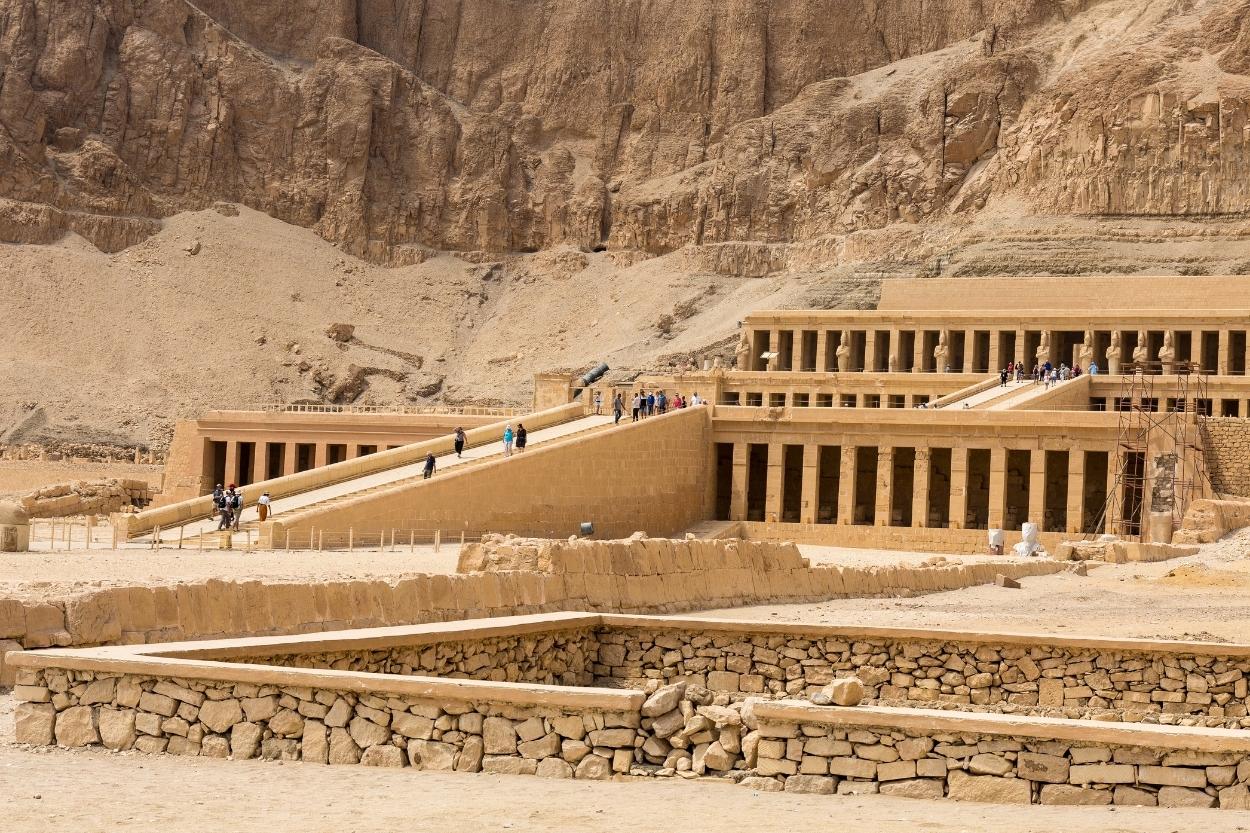
Hatshepsut was one of the most renowned rulers of Egypt’s New Kingdom period, and one of very few female pharaohs to ever rule.
Born the daughter of a pharaoh, Hatshepsut later married the next pharaoh (incest was common among Egyptian royalty). Upon her husband’s death, she declared herself ruler alongside the actual heir, beginning a legacy that is still renowned today.
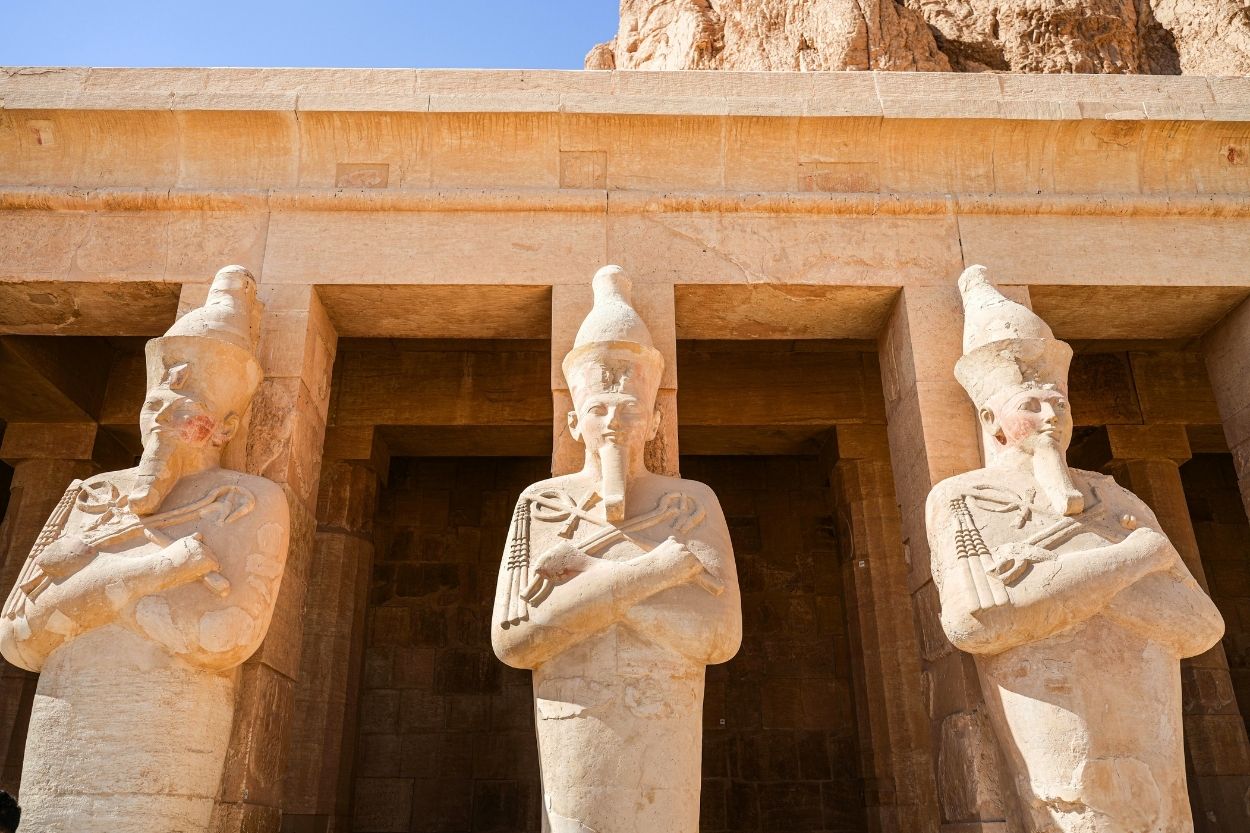
In Luxor’s Theban Necropolis, specifically an area called Deir el-Bahari, you’ll find the queen’s unique temple built into the rocky mountainside. This 3-tiered temple, connected by a long central ramp, was built both as a mortuary shrine for the queen, but also to cement her power and legacy.
Reliefs on its walls depict her as divinely ordained, while other murals show her prosperous trade expedition to the Land of Punt.
Hatshepsut Temple is one of the most uniquely designed ancient Egyptian temples you can visit.
5 - Medinet Habu
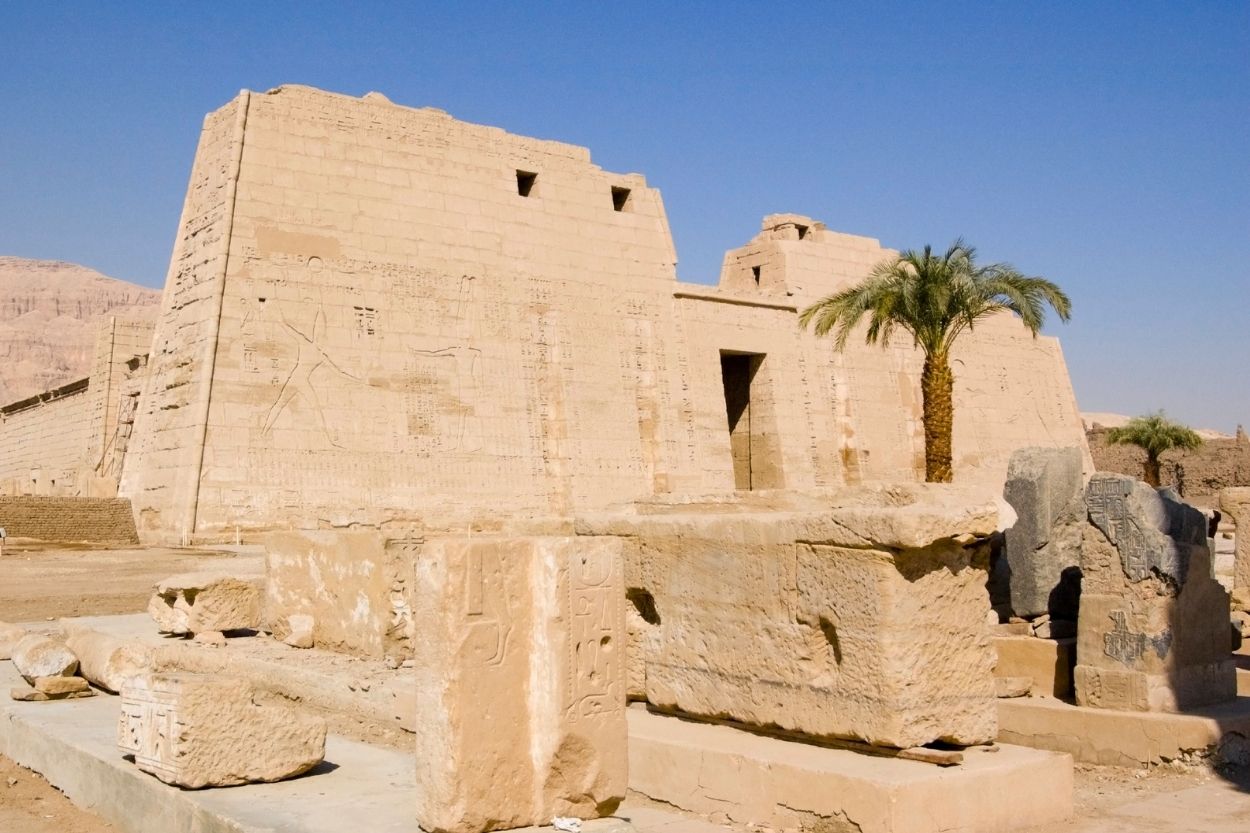
Karnak and Luxor Temple are by far the most popular ancient temples in Luxor, but there is another which often gets overlooked, despite being one of the best-preserved temple complexes in all of Egypt.
Medinet Habu was built primarily under Ramesses III during the later years of the New Kingdom, serving as his mortuary temple as well as a fortified administrative center for the surrounding area. Its outer walls are famous for their exceptionally vivid, still-colorful reliefs, most notably depicting Egypt’s naval battle against the Sea Peoples, a mysterious confederation of raiders whose origins historians still debate.
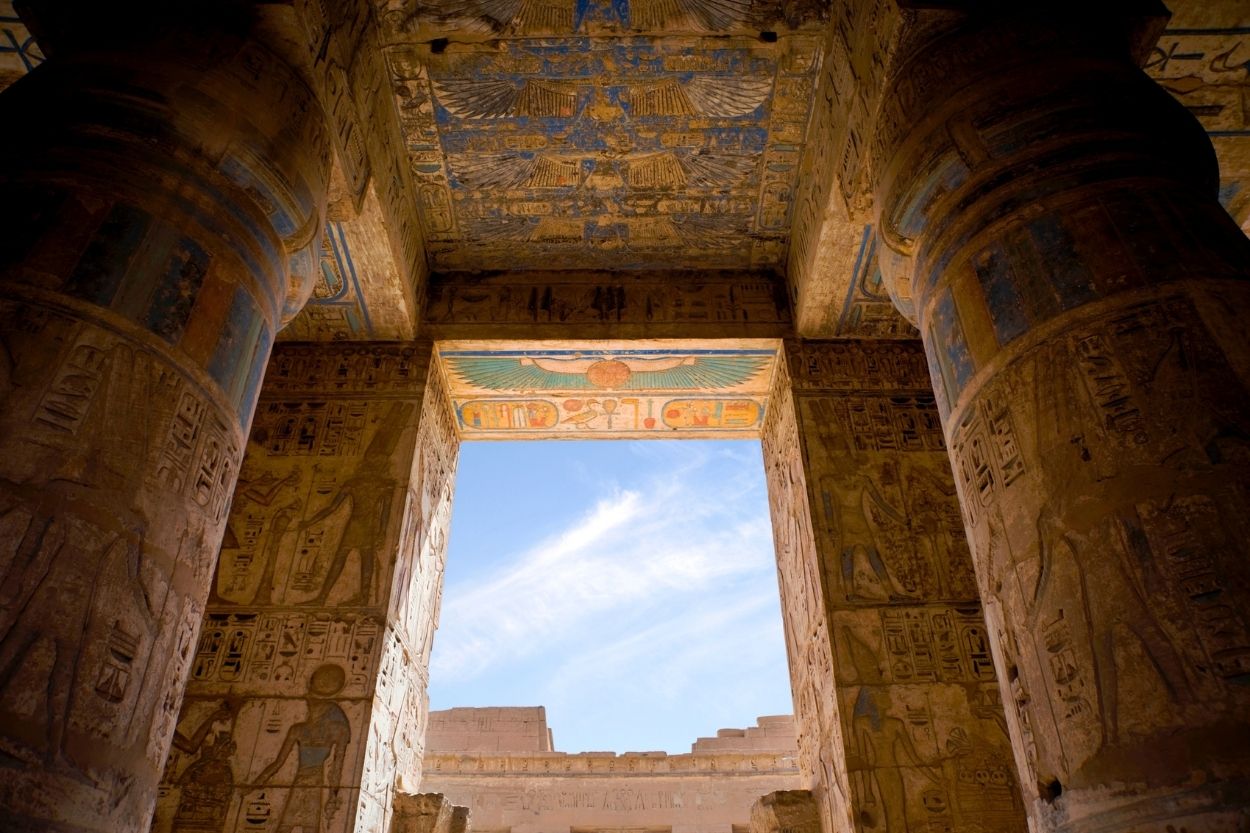
Here you can explore not just the main temple but the surrounding storerooms, a fortified gate, and administrative buildings, giving a far fuller sense of how these complexes actually functioned day to day.
Medinet Habu is a fantastic alternative to Karnak and Luxor temples, but without the crowds.
6 - Ramesseum
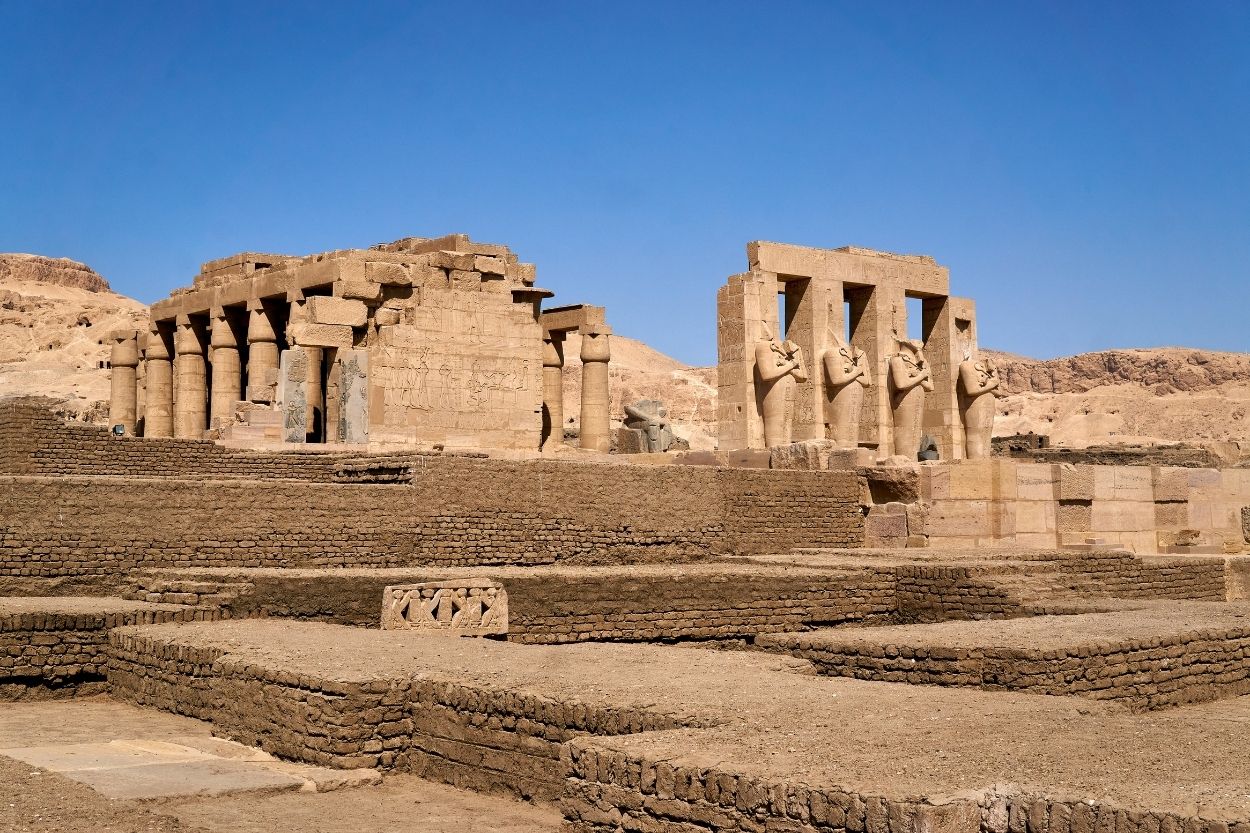
Not far from Medinet Habu lies another site that rarely makes it onto most people’s Luxor itinerary, despite being the mortuary temple of one of Egypt’s most famous pharaohs. The Ramesseum was built for Ramesses II, one of Egypt’s longest-reigning and most renowned rulers, of whom you’ll find statues all over Egypt New Kingdom sites.
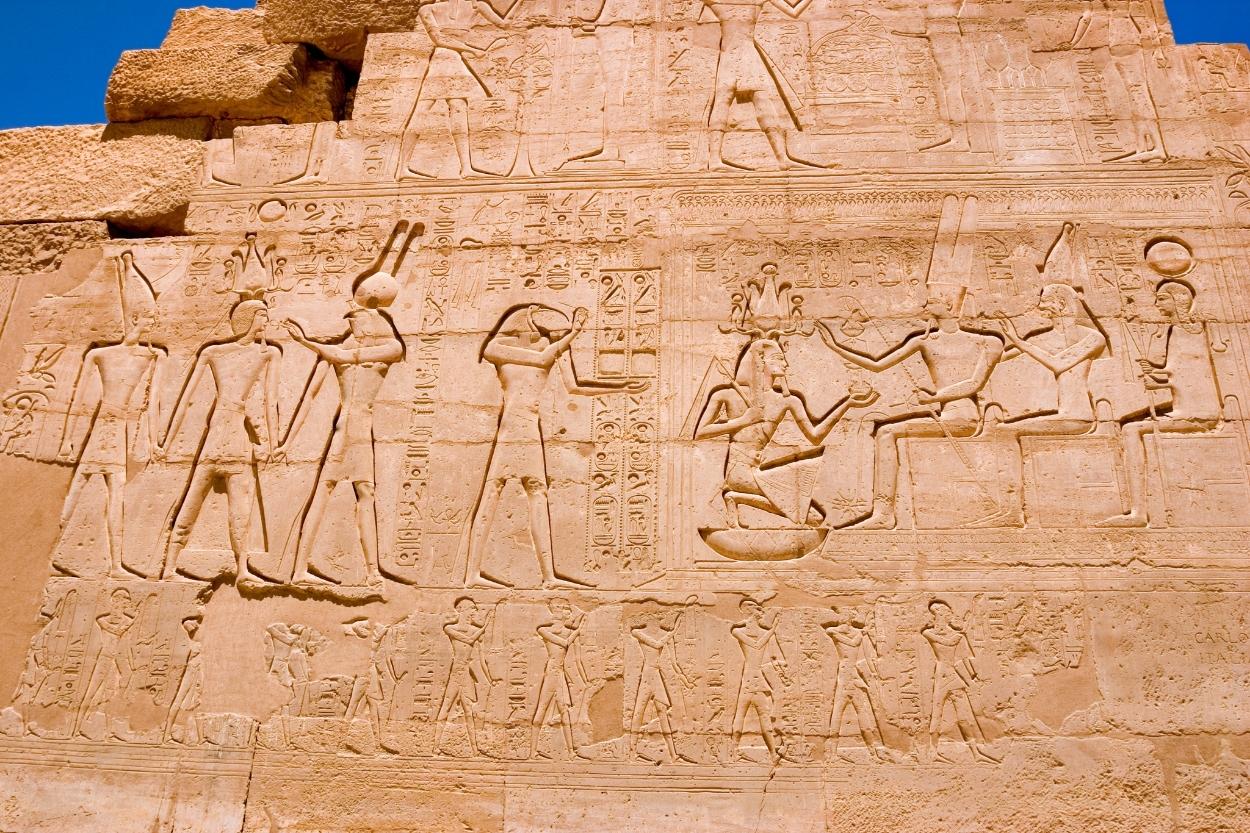
Most of his vast mortuary complex now lies in ruins, but much of the central structure still stands. Here you can explore towering statues of Ramesses, including a colossal fallen figure broken apart and half-sunk into the sand, walk through the remains of the hypostyle hall and its surviving columns, and visit a small on-site museum housing objects recovered during excavation.
The Ramesseum is another quieter alternative to Luxor’s other great temples, and a fantastic way to learn more about the famed pharaoh.
7 - Valley of the Queens
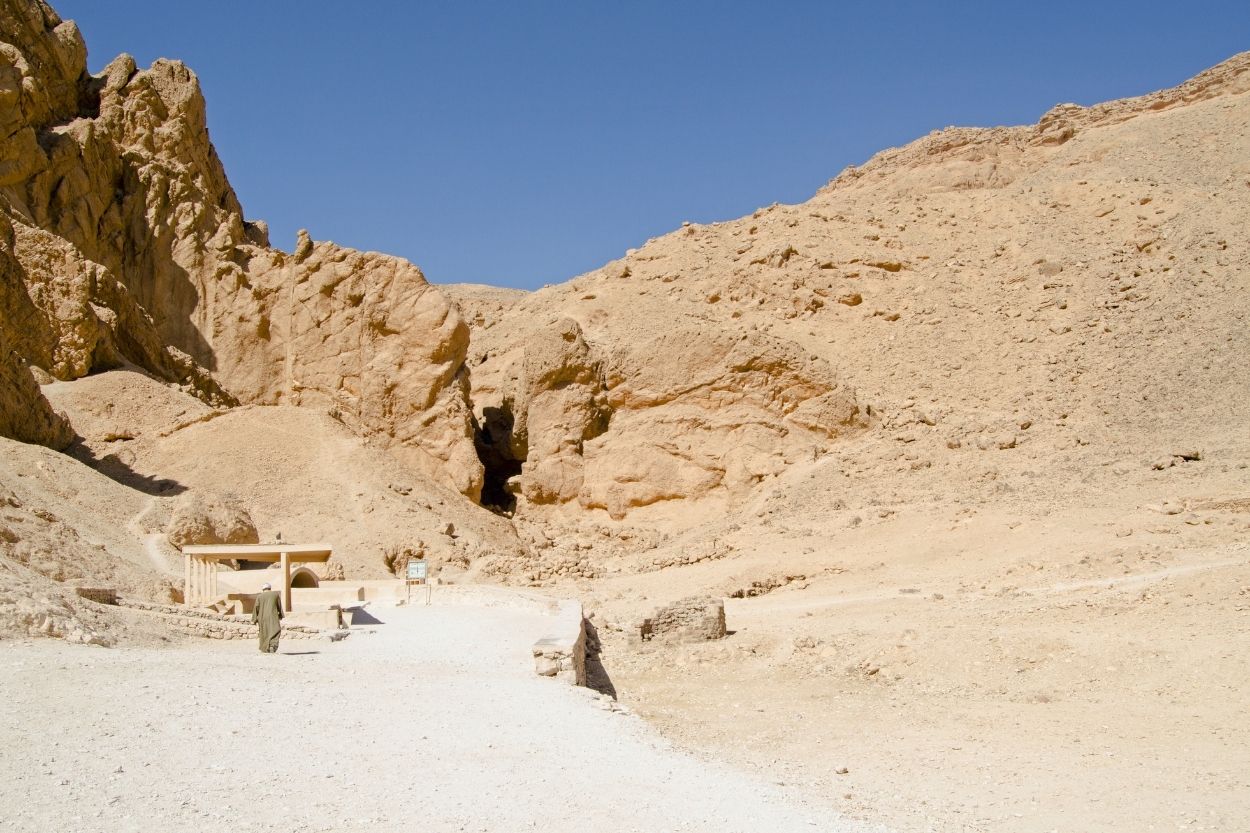
Just as the Valley of the Kings holds the tombs of Egypt’s pharaohs, its counterpart nearby, the Valley of the Queens, was built for their wives, princes, and princesses. Located a short distance south of the Valley of the Kings on Luxor’s West Bank, the valley is home to over 90 known tombs.
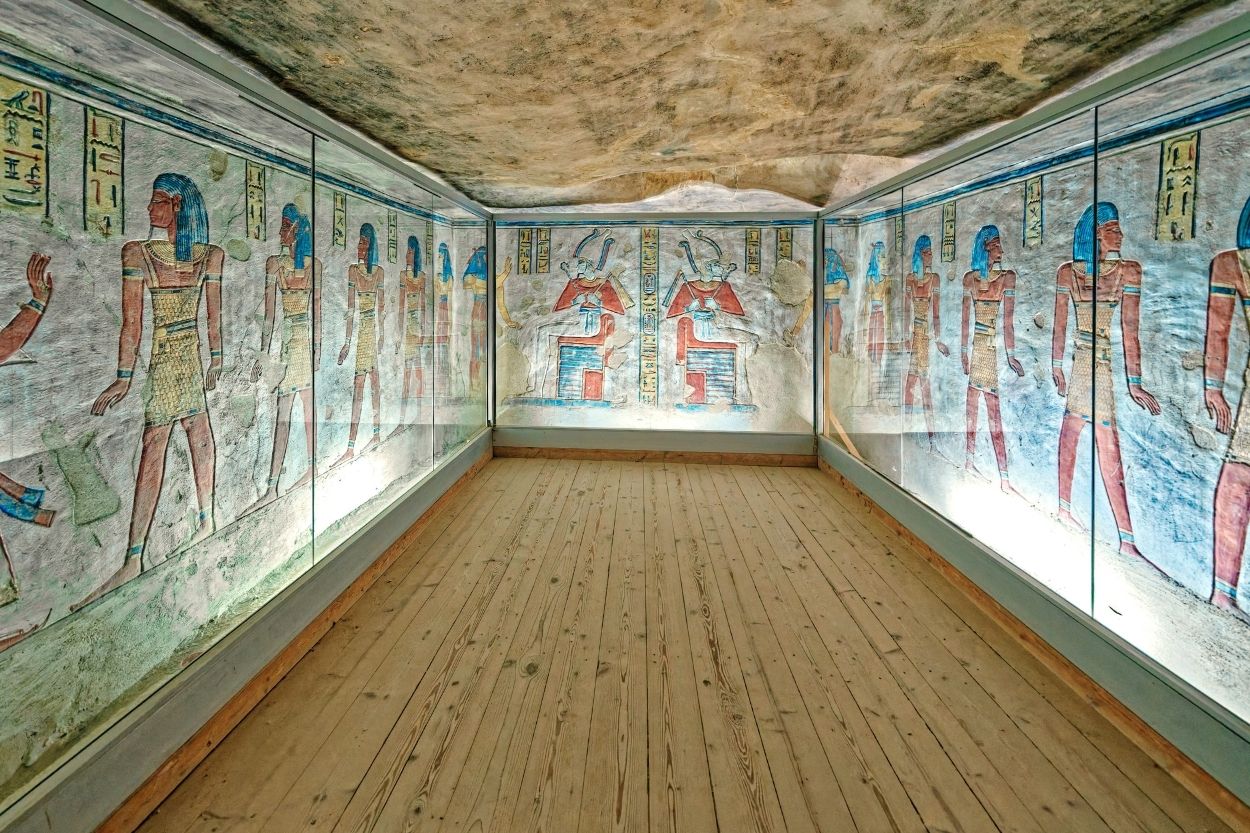
Its tombs are generally smaller and less elaborate than their counterparts in the Valley of the Kings, except for the tomb of Nefertari, wife of Ramesses II. Widely considered one of the most beautifully decorated tombs in all of Egypt, its painted scenes remain extraordinarily vivid after more than 3,000 years, favoring detailed, personal artistry over the grand battle scenes and divine claims found in many royal tombs.
8 - Deir el-Medina
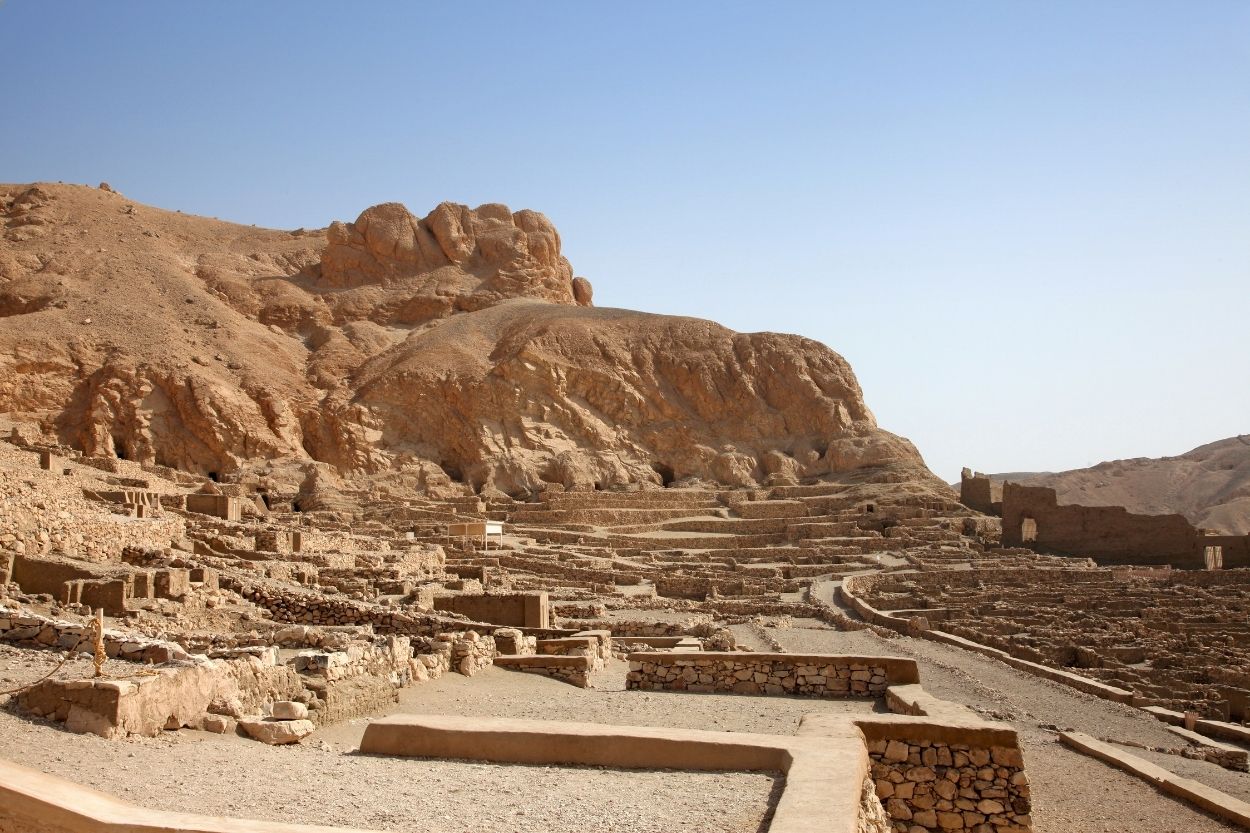
Every other site on this list was built for a pharaoh or a god, but this one was built for the people who built those sites.
Located on Luxor’s West Bank, not far from the Valley of the Kings, Deir el-Medina was the purpose-built village for the skilled workers and artisans responsible for constructing the royal tombs nearby. Unlike almost anywhere else in ancient Egypt, this was a community built for the average ancient Egyptian.
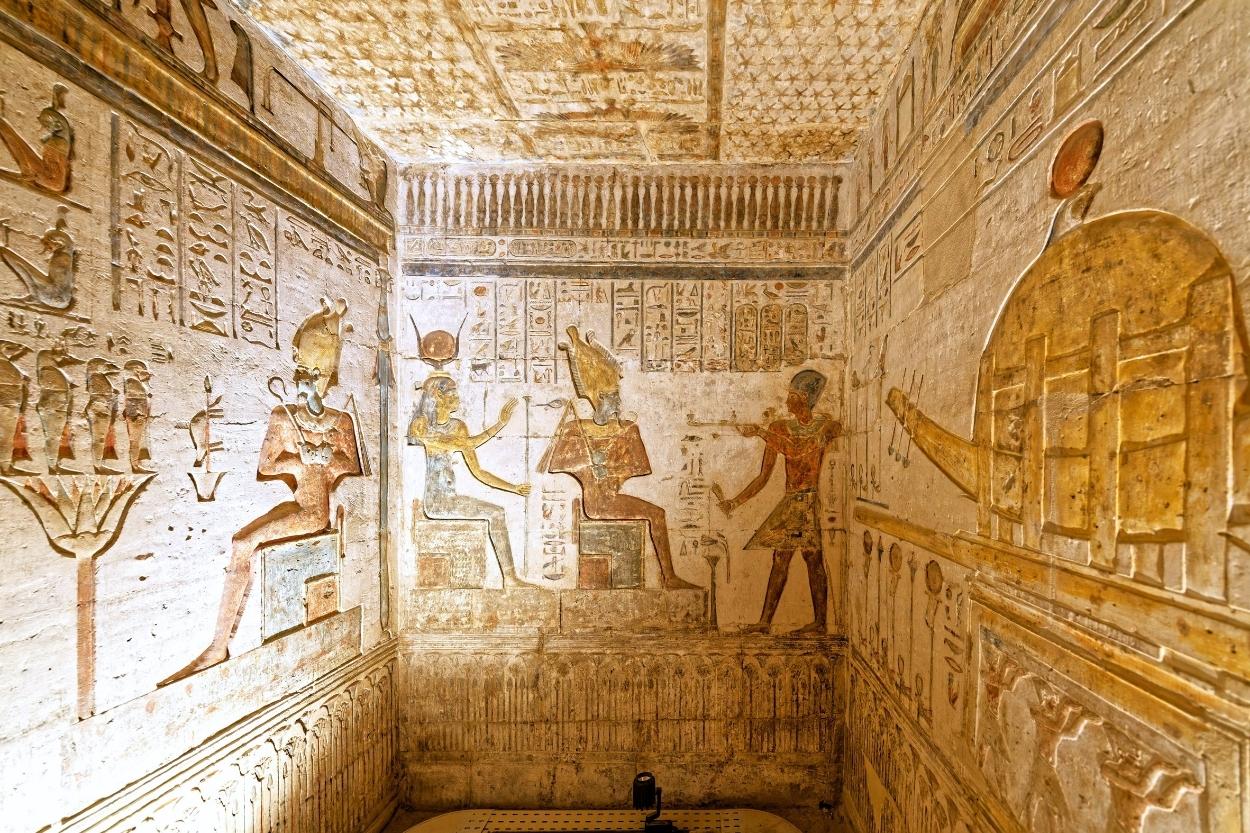
Here you can walk through the remains of the workers’ village itself, its stone foundations still tracing out individual homes and streets, and explore several of the artisans’ own tombs. Though modest in scale, some of the workers’ tombs have detailed and colourful murals that rival the tombs of the pharaohs they worked for.
The site also has a small museum featuring artifacts uncovered from the site, including day-to-day written records such as labor disputes, wage complaints, love letters and legal grievances.
9 - Mummification Museum
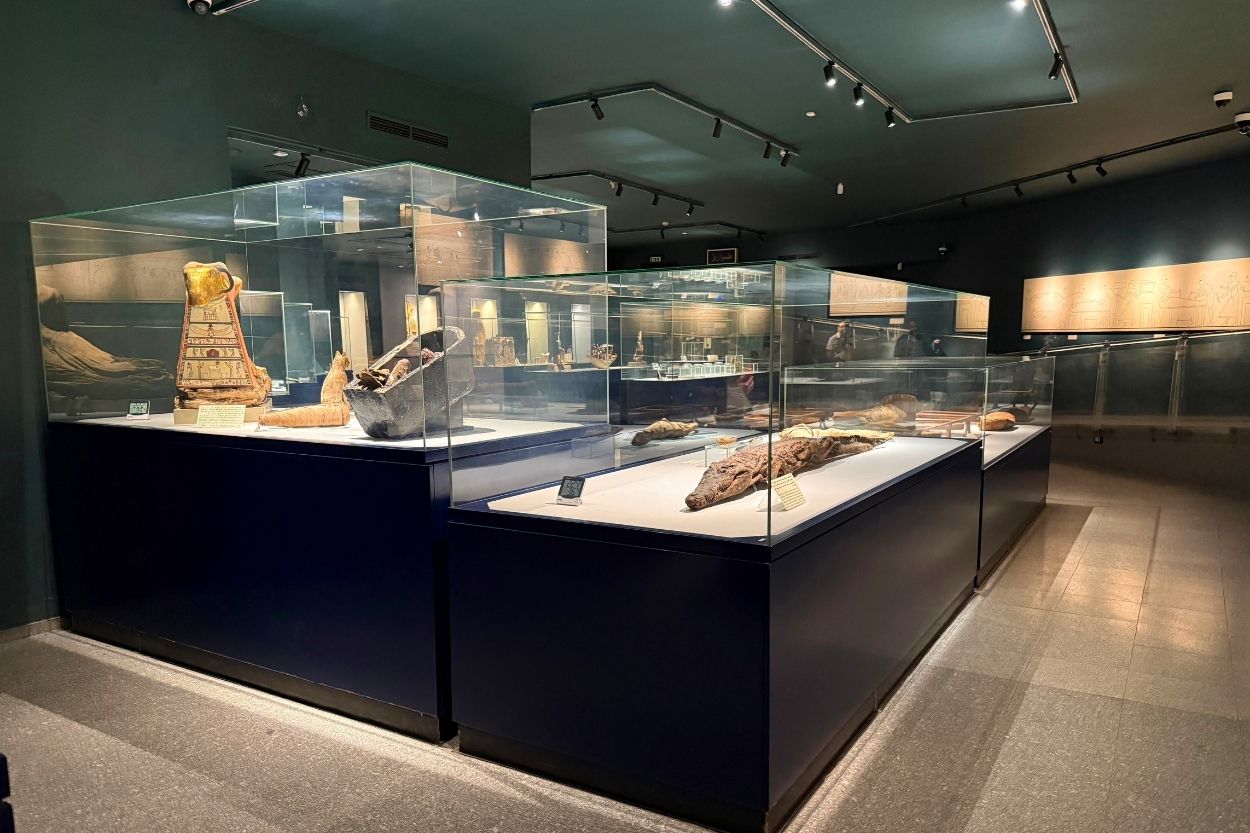
While exploring Egypt’s ancient sites, you’ll no doubt wonder about mummies. The practice of mummification is so synonymous with ancient Egypt that it’s almost a cliché, yet not something you’ll learn much about visiting ancient ruins.
It just so happens that Luxor has the perfect place to learn about the ancient practice: the Mummification Museum.
Located in downtown Luxor, not far from Luxor Temple, the museum features a step-by-step walkthrough of the roughly 70-day mummification process, displaying the tools, oils, and materials ancient embalmers actually used. Alongside human remains, including the mummy of a Late Period priest of Amun, are mummified animals rarely seen elsewhere, among them a crocodile, a ram, and a cat.
10 - Tombs of the Nobles
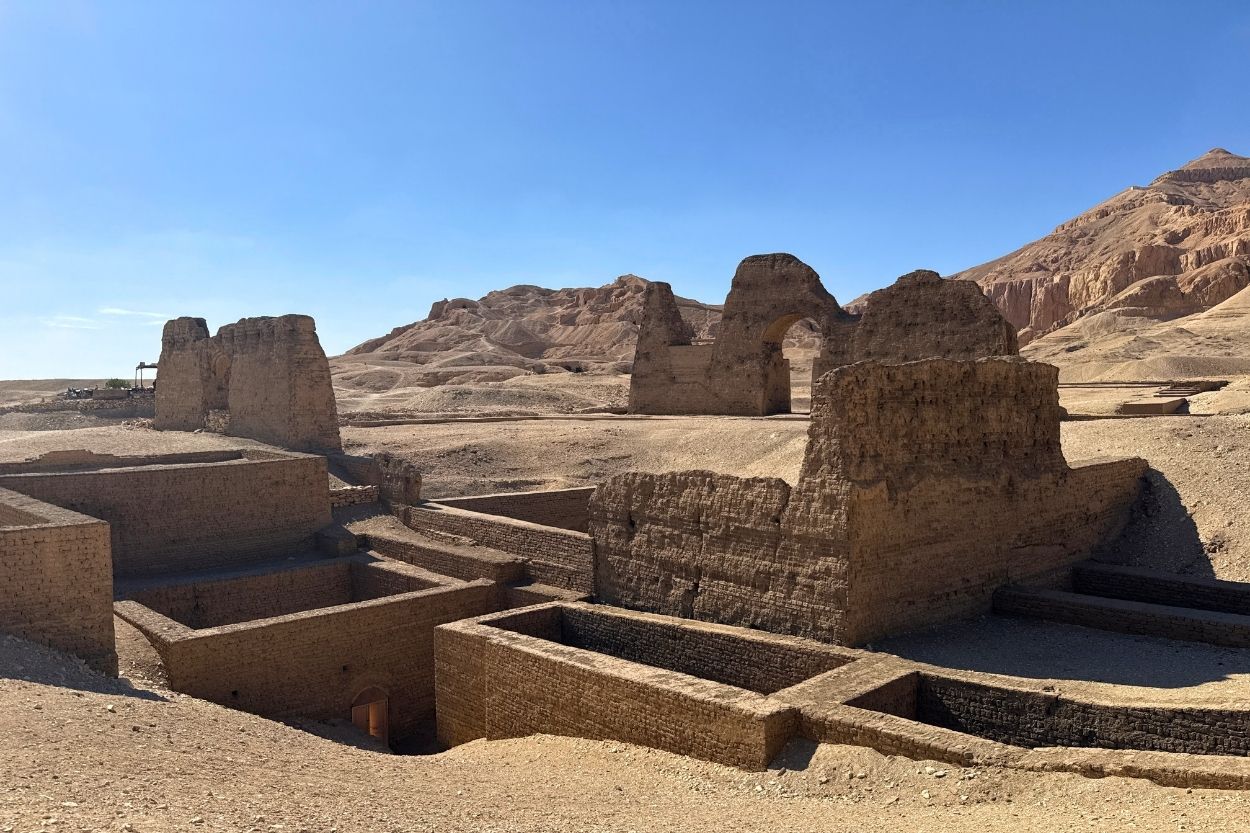
If you can’t get enough of New Kingdom tombs, then there’s another group of ancient tombs you can visit.
Located on Luxor’s West Bank, the Tombs of the Nobles belonged to Egypt’s high officials, scribes, priests, and viziers, stretching from the Old Kingdom all the way to the Greco-Roman era. Unlike the grand religious imagery found in royal tombs, these focus mostly on the daily life and achievements of the people buried within them.
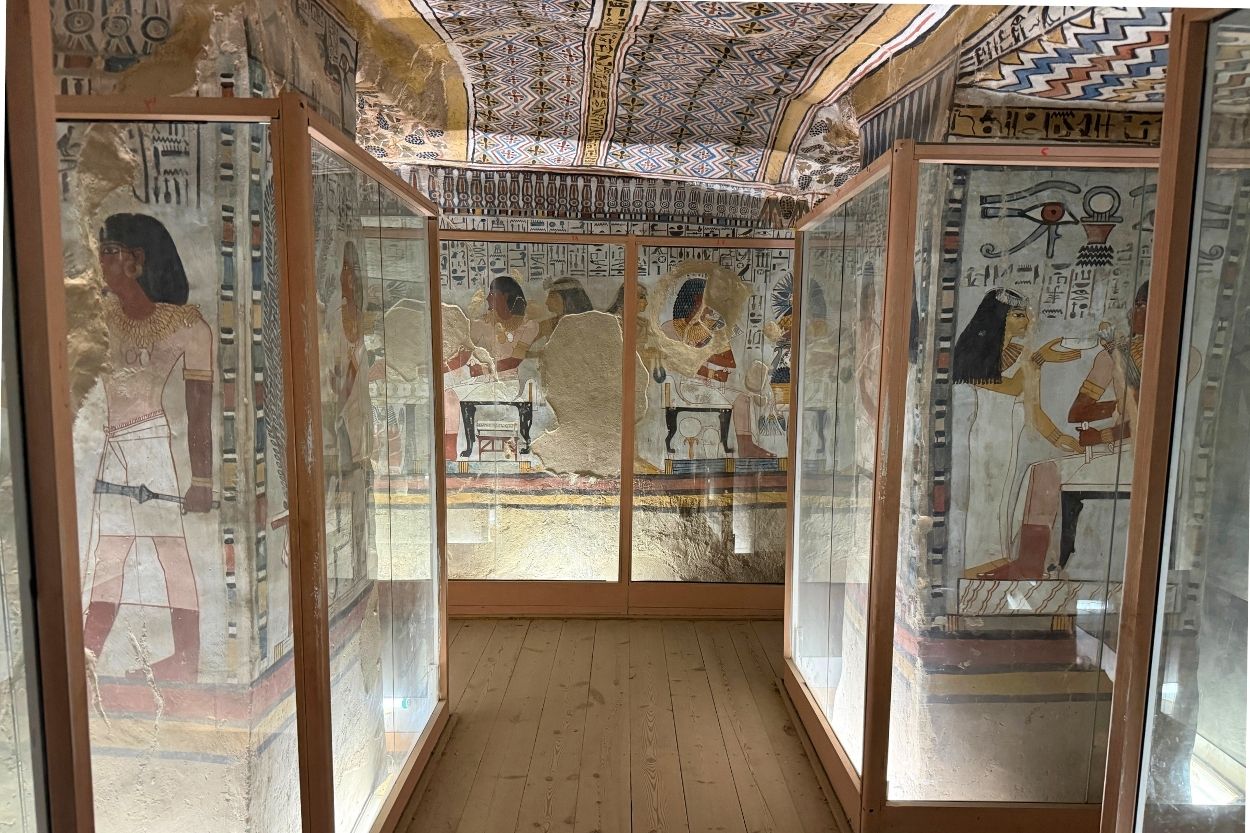
Of the hundreds of tombs scattered across the area, only a handful are open to visitors at any time, split into small ticketed groups you can mix and match depending on your interests. Each tomb offers a personal window into the life of its owner, often depicting scenes of banquets, music, farming, and family life.
Best Luxor Tour
I’ve done the research so you don’t have to. Here is the top Luxor historical tour, covering 5 of the sites featured on this list:
More historical sites in Luxor
The above list features the 10 best historical places you can visit in Luxor, but this ancient capital has so much more to see. Here are some other historical sites in Luxor that may interest you:
- Colossi of Memnon – Two 18m statues of Amenhotep III, all that remains visible of what was once his massive mortuary temple.
- Luxor Museum – A small museum on the East Bank showcasing pieces from Luxor’s sites.
- Carter House – The preserved home of archaeologist Howard Carter, complete with his original tools and a full-scale replica of Tutankhamun’s burial chamber.
- Deir El-Shelwit Temple – A small, remote Roman-era temple dedicated to Isis.
- Mortuary Temple of Seti I – A well-preserved but often overlooked temple at Qurna, known for its finely carved reliefs.
For more historical sites in Egypt, check out our Egypt home page.
Disclosure: This post contains affiliate links.