Vietnam has become one of the most popular destinations in South-East Asia, renowned for its rich culture and natural wonders. But Vietnam is also a perfect destination for those interested in history, with massive citadels, Vietnam War sites, ancient city ruins and so much more.
If you’re the kind of traveller who is always looking for the top historical sites at your destination this itinerary is for you.
This guide will take you on a historical-themed journey from one end of Vietnam to the other, and includes all the top sites along the way.
Contents
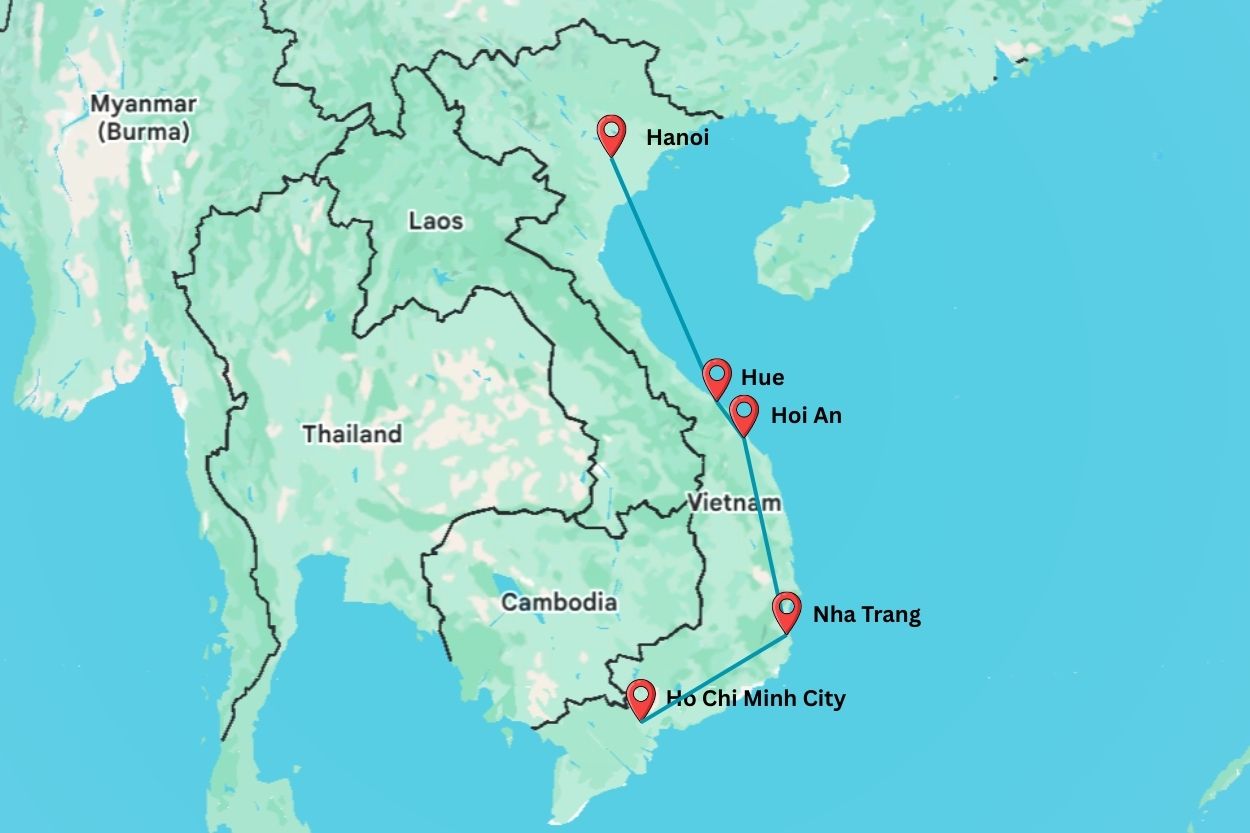
10 Day Historical Vietnam Itinerary - Map
10 Day Historical Vietnam Itinerary Overview
Day 1 – Ho Chi Minh City
Day 2 – Ho Chi Minh City
Day 3 – Nha Trang
Day 4 – Nha Trang
Day 5 – Hoi An
Day 6 – Hoi An
Day 7 – Hue
Day 8 – Hue
Day 9 – Hanoi
Day 10 – Hanoi
This 10 day Vietnam itinerary begins in Ho Chi Minh City, in the country’s south. This is the starting point for most travellers in Vietnam, but this itinerary works just as well if you’re starting from Hanoi, in which case you’d visit the destinations in reverse.
From Ho Chi Minh City, we’ll follow a straight path north towards Hanoi. Our first stop will be Nha Trang, where we’ll see Vietnam’s best preserved ancient Cham ruins.
We’ll then catch an overnight sleeper train to the charming and historic town of Hoi An, which will also serve as our base as we visit Vietnam’s largest group of Cham ruins at My Son Sanctuary.
From here it’s only a short distance to the historically-rich city of Hue. As Vietnam’s former imperial capital, this city has a number of incredible historical sites to see, including the massive Hue Citadel.
We then reach the final leg of our journey as we arrive in Vietnam’s historic capital of Hanoi.
Day 1 - 2: Ho Chi Minh City
Welcome to Ho Chi Minh City.
Formerly called Saigon, Vietnam’s largest city has had an eventful history. It played an important role during the French period, serving as the original capital of French Indochina.
During the Vietnam War (the 2nd Indochina War) it served as the capital of South Vietnam, before falling to the North Vietnamese forces in 1975. The city played an important part in this war and today has a number of important historical sites from this period.
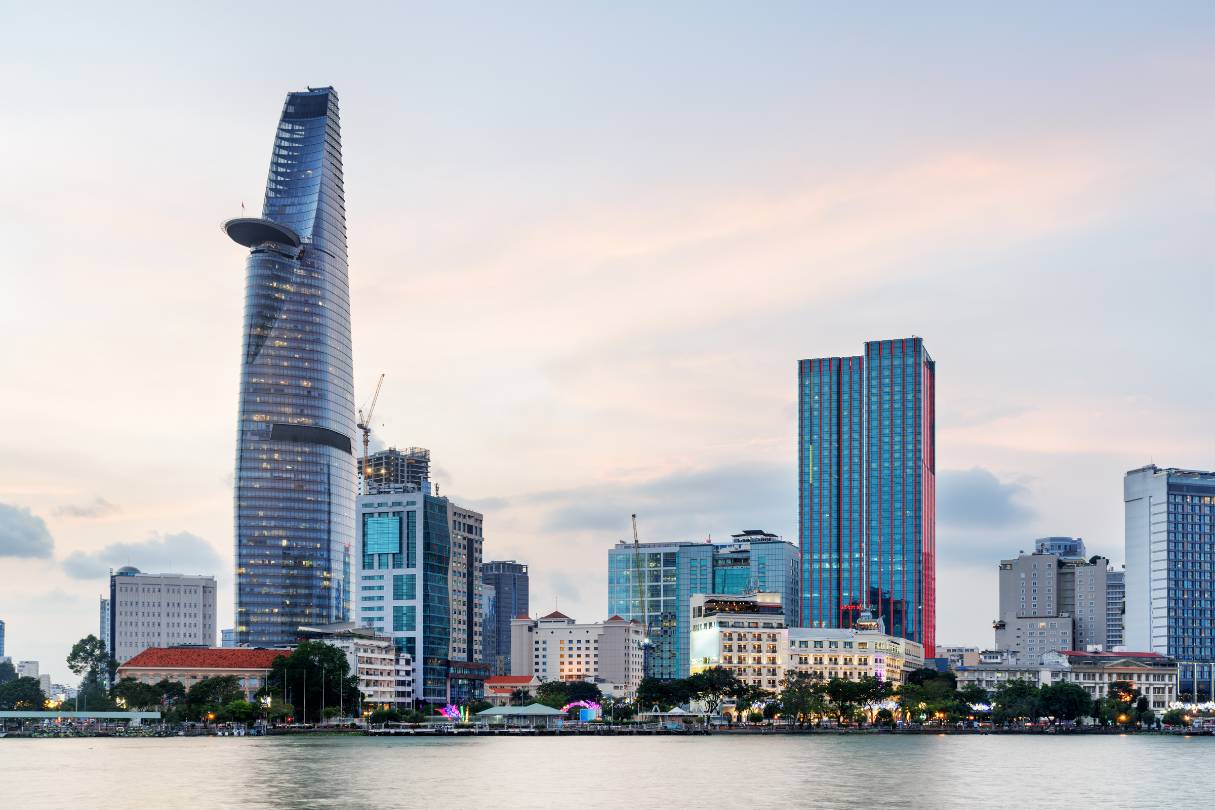
Spend your first day in Ho Chi Minh City exploring the downtown area, where there are a bunch of historical sites within walking distance from each other. A good place to start is with the old but beautiful French buildings on the eastern side of the city centre and gradually making your way west.
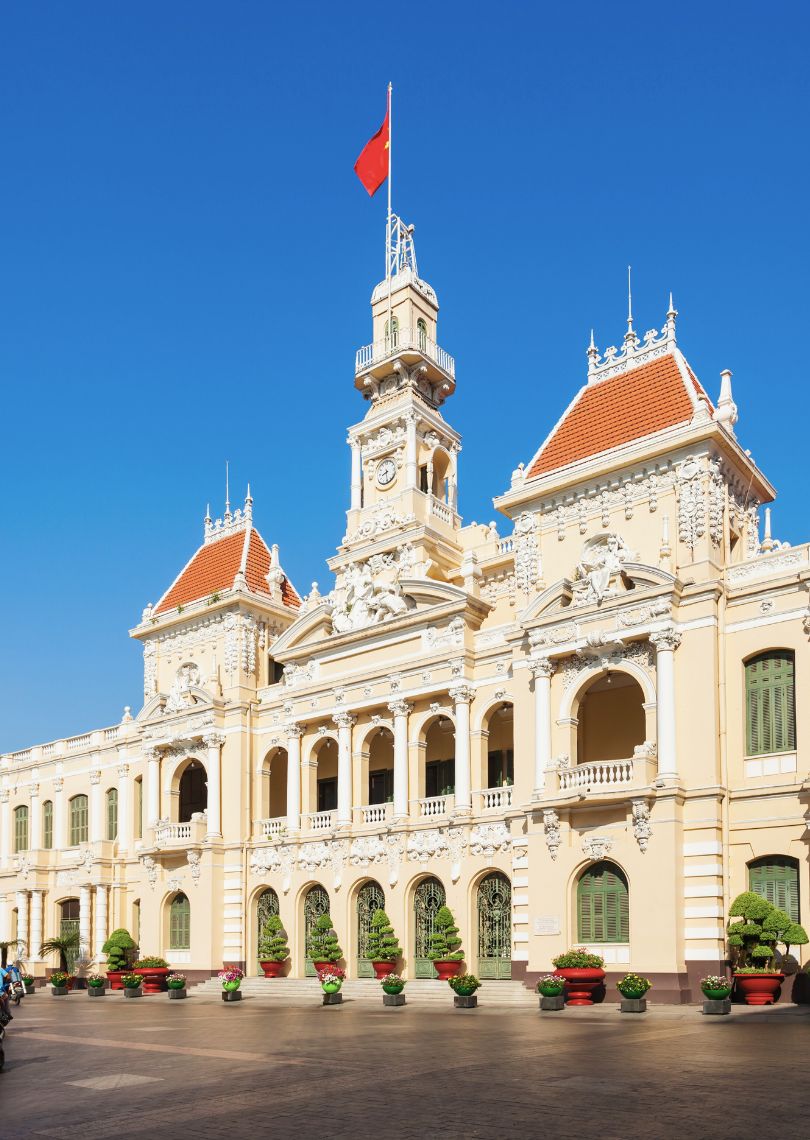
I recommend starting with the 📍People’s Committee Building, a former French government building constructed in 1909 that now serves as the city hall. Since 2024, the free tours are on offer but only on the last weekend of each month. If your visit doesn’t align with this, you can still admire the architecture from the outside.
Just down the street opposite the Committee Building you’ll find the 📍Central Post Office, another French colonial building. This one still serves its original purpose as a post office, so you can enter it for free.
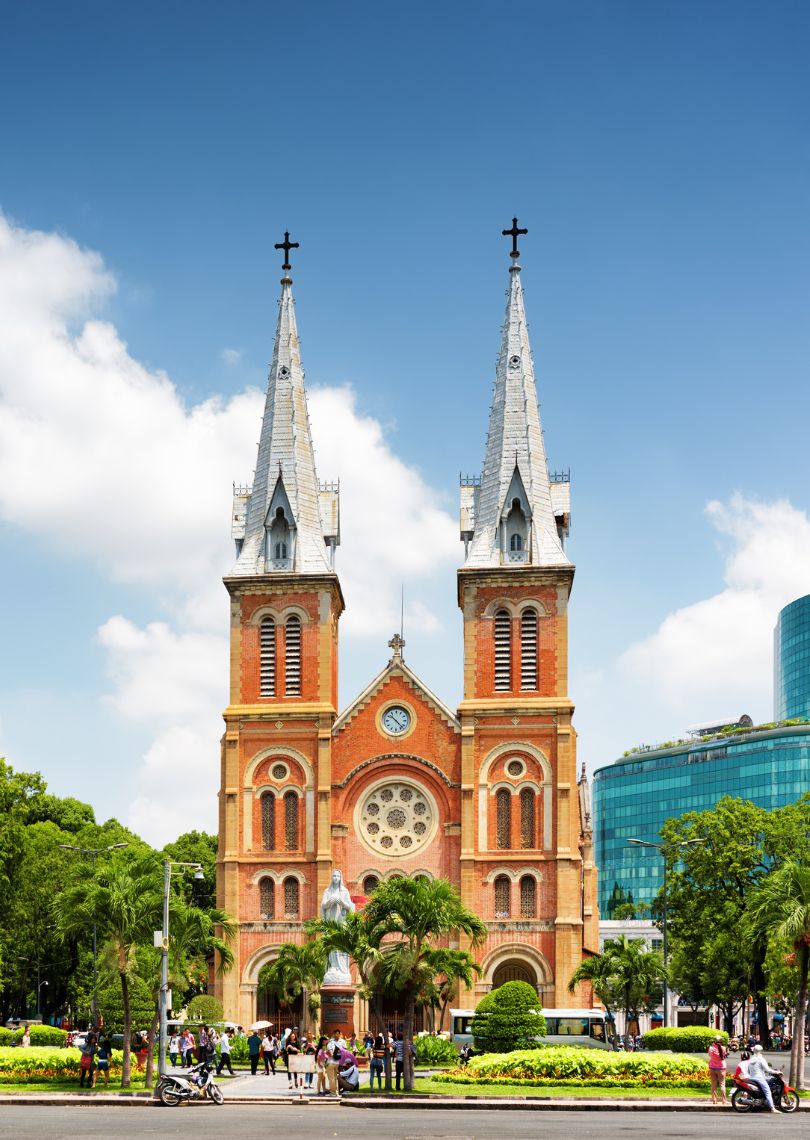
Just opposite the Post Office you can also visit the 📍Saigon Notre-Dame Basilica, built by the French in 1880.
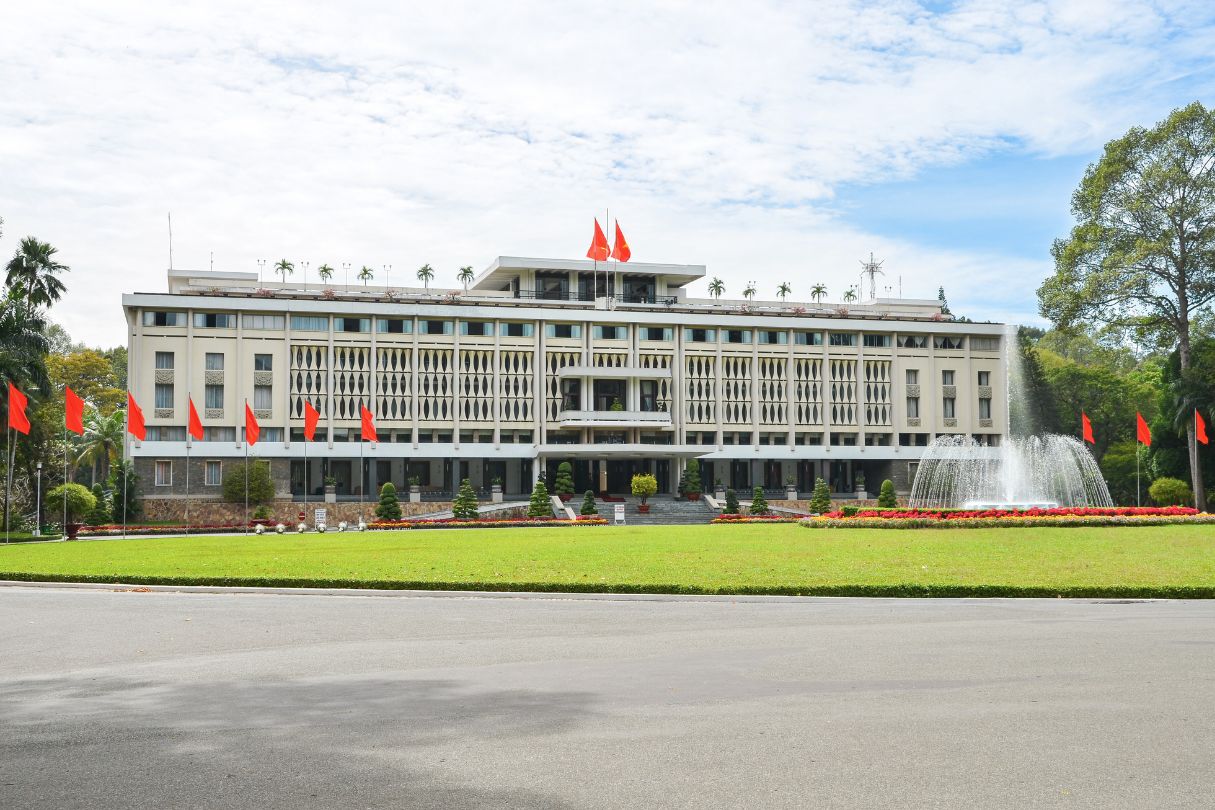
Then step back in time to 1970s Saigon by taking a tour of 📍Independence Palace, the preserved residence of the former president of South Vietnam. As the story goes, when the North Vietnamese tanks charged through the front gates in 1975, the war officially came to a close and Vietnam was once again unified. It’s a fantastic way to learn more about this period in Vietnam’s history.
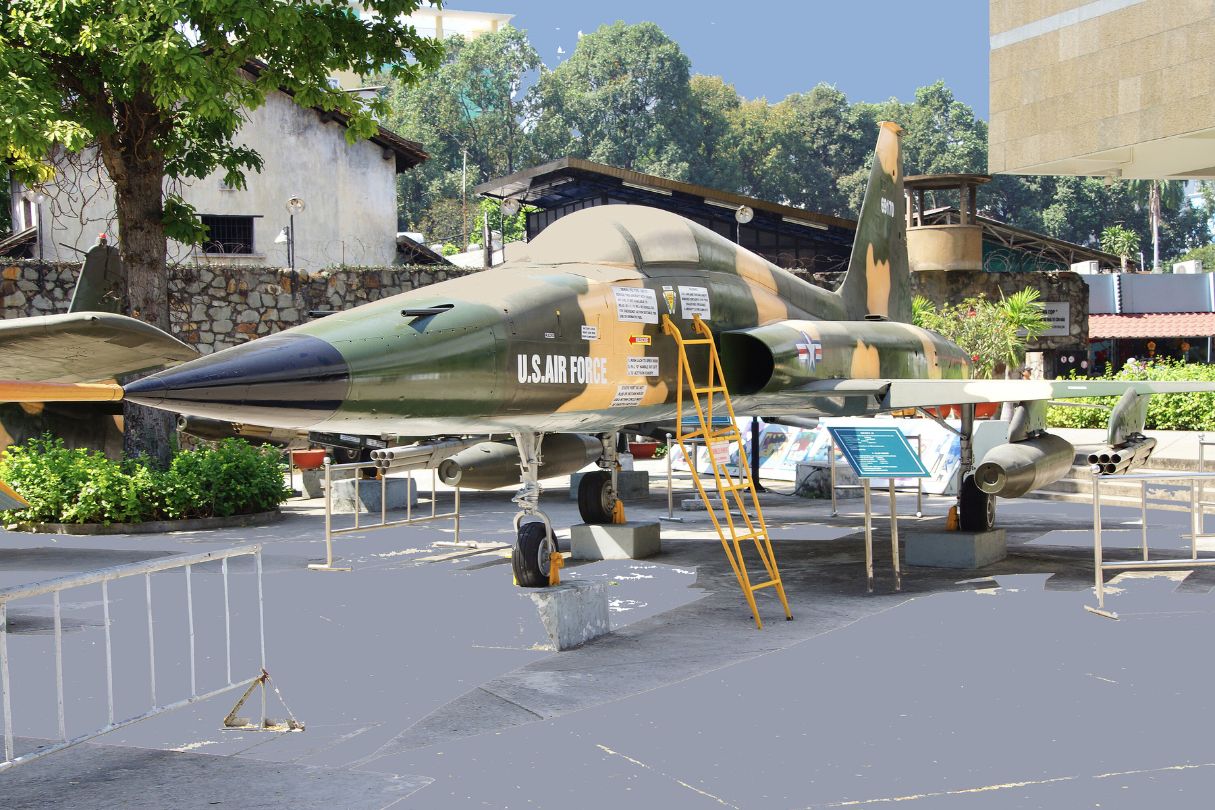
For a more confronting but essential insight into the Vietnam War, visit the 📍War Remnants Museum. Considered the best museum in the world relating to the Vietnam War, it takes you through the build up, peak and aftermath of the conflict through various artefacts, photos and recreations. It offers an unfiltered (can’t stress this enough) insight into the War from the perspective of the Vietnamese. If you visit the War Remnants Museum, be prepared to see the brutal realities of war.
If you’ve got time in your afternoon, you could consider visiting the lively 📍Ben Thanh Market where you can try some authentic Vietnamese food and browse the endless market stalls.
Later in the evening you could visit 📍Bui Vien Street, Ho Chi Minh City’s most popular party area. Even if you’re not looking to party, it’s worth going for a walk down the street just to check out its lively atmosphere.
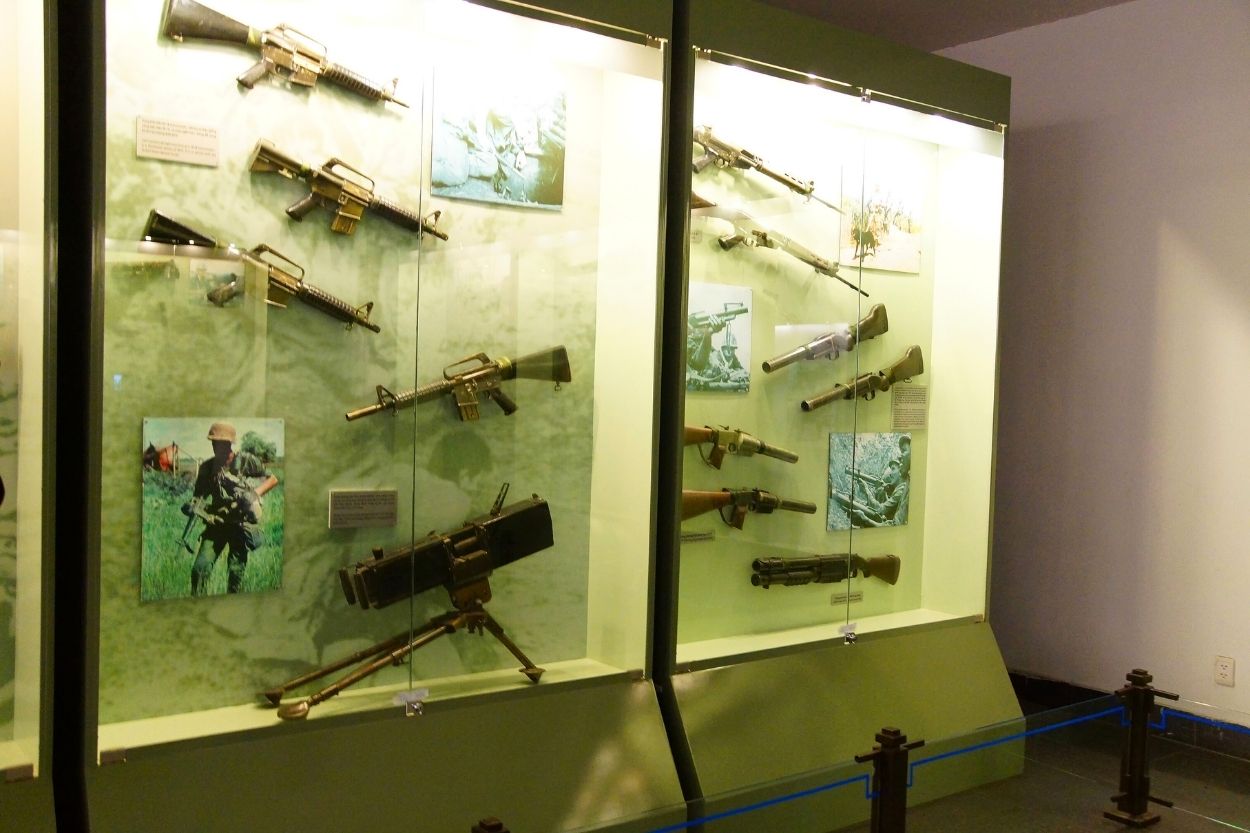
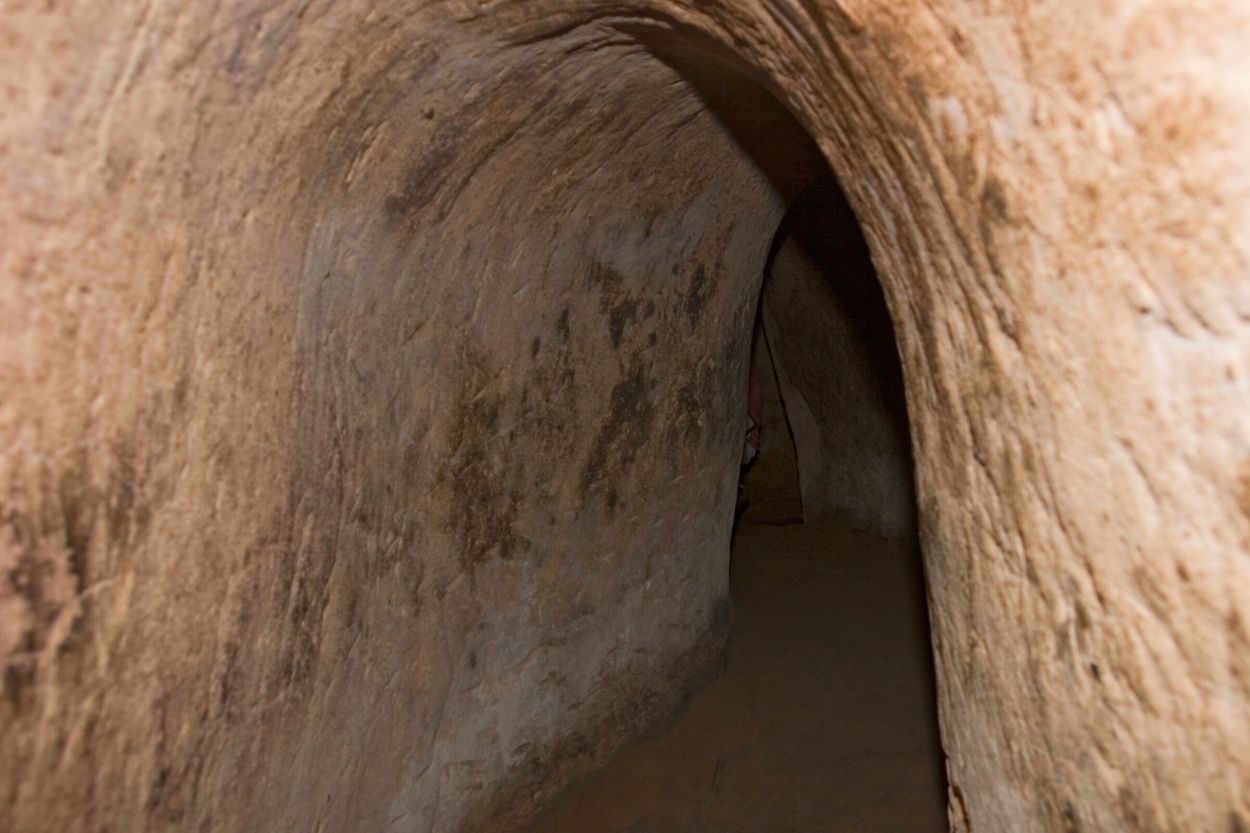
On our second day in Ho Chi Minh City, we’re going on a daytrip outside the city to visit the famous Cu Chi Tunnels.
Tunnels like this were famously used all across the country during the Vietnam War. They were used by the Viet Cong and North Vietnamese forces to move troops and supplies without being noticed.

The tunnels are extensive, covering a distance of over 250kms in total, but there are 2 areas of the tunnels you can visit. The closest and most popular is 📍Ben Dinh, while 📍Ben Duoc is slightly less crowded but further away.
The nearest group of tunnels are about a 90min drive from downtown Ho Chi Minh, so this will be a half-day trip from the city. There are a lot of things to see and do at the site, but the key attraction is getting to climb into and explore the tunnels.
There are buses that run from the city to the tunnels, but the most convenient way to get there is to just book a guided tour.
Ho Chi Minh City to Nha Trang
The journey from HCMC to Nha Trang takes about 9 hours. The best way to make the journey is by catching a train from Saigon Station. You can book your ticket on 12Go Asia.
I recommend taking advantage of the overnight sleeper trains. You can book a train that leaves in the evening and arrives early the next morning, combining your accommodation and transportation.
Alternatively you can fly to Nha Trang, with the flight taking about an hour and being relatively cheap. You can find cheap flights on Skyscanner.
Day 3 - 4: Nha Trang
Welcome to Nha Trang.
This coastal town is popular among tourists for its beaches and scuba diving, but for those interested in history there’s an amazing site you won’t want to miss. That’s because this place was once a major settlement within the lost Champa Kingdom and one of their best ancient ruins can be found downtown.
After you’ve arrived and settled in, let’s waste no time and head straight for the best historical attraction in Nha Trang.
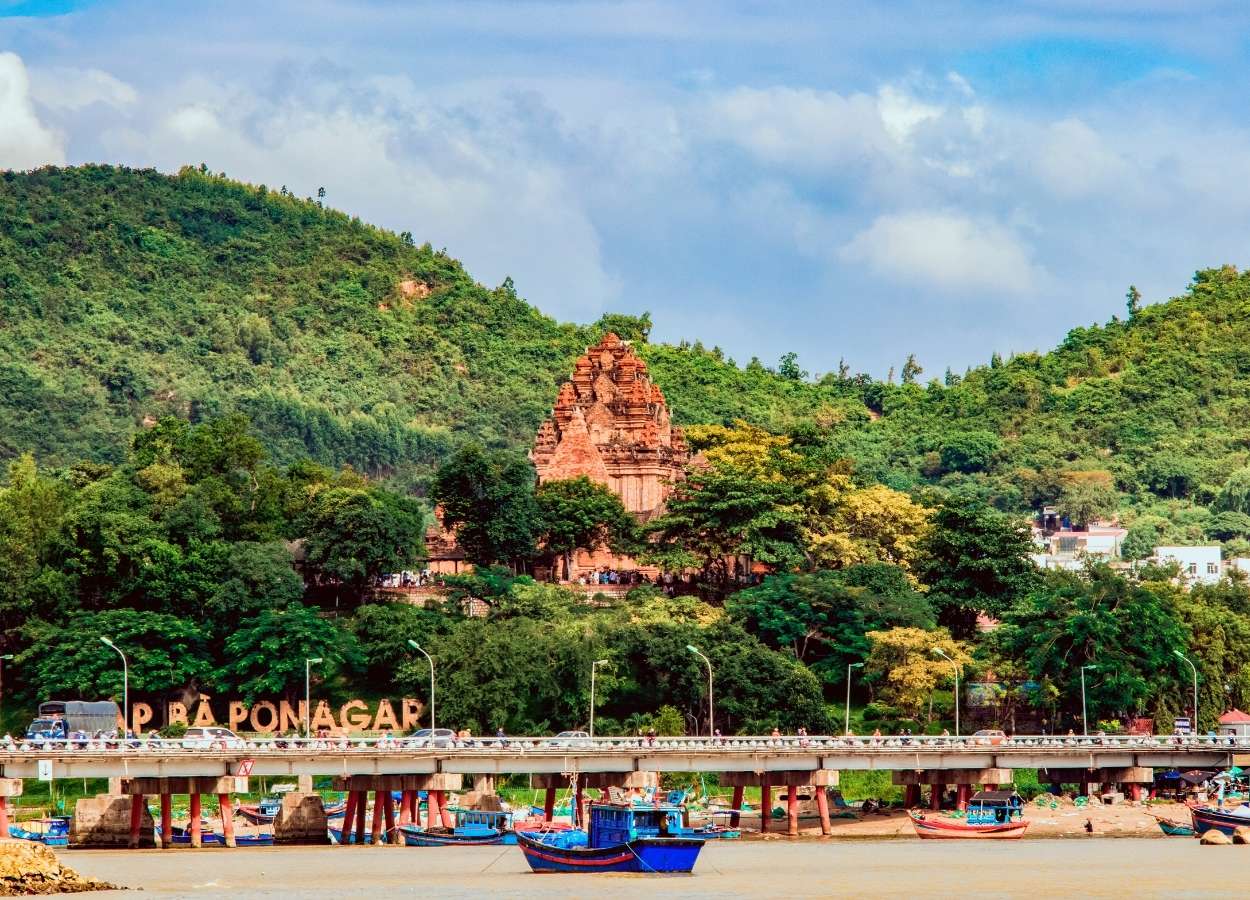
The 📍Po Nagar Towers are a collection of 8th century Cham temple towers, and are found on the north side of the river in central Nha Trang. Any local taxi driver can take you there. Or you can visit the Towers as part of a guided tour, which will cover your transport.
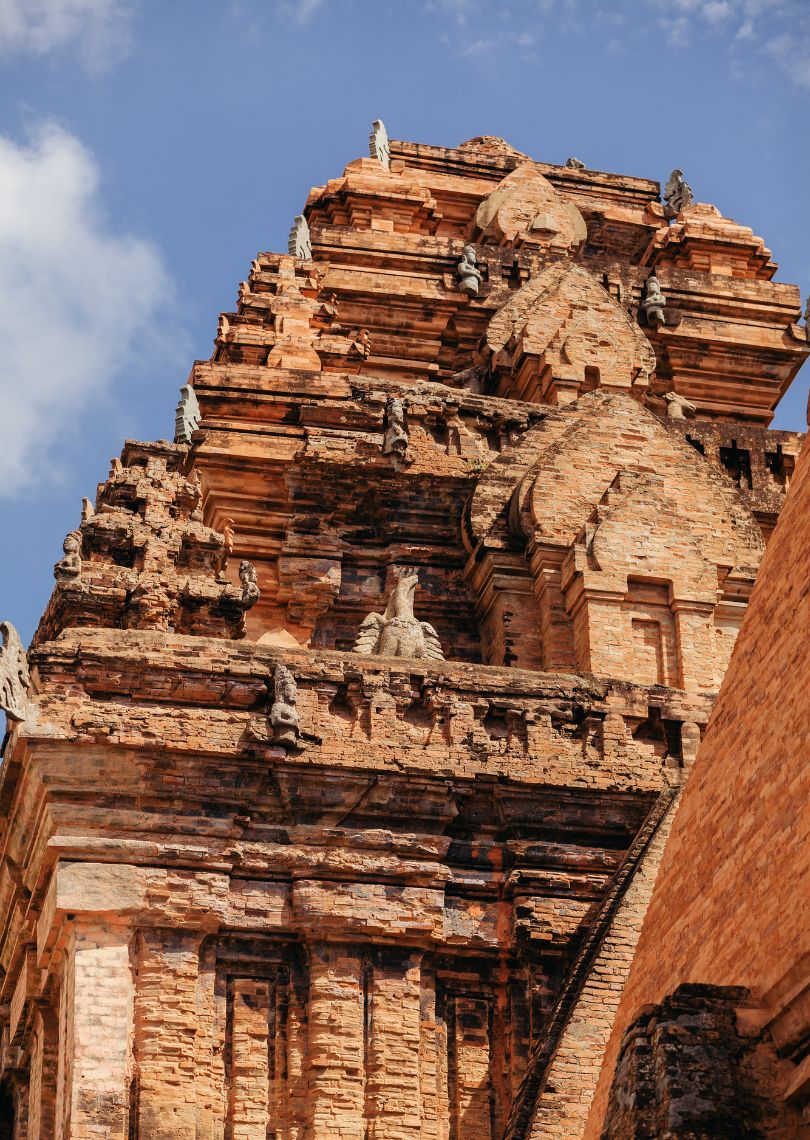
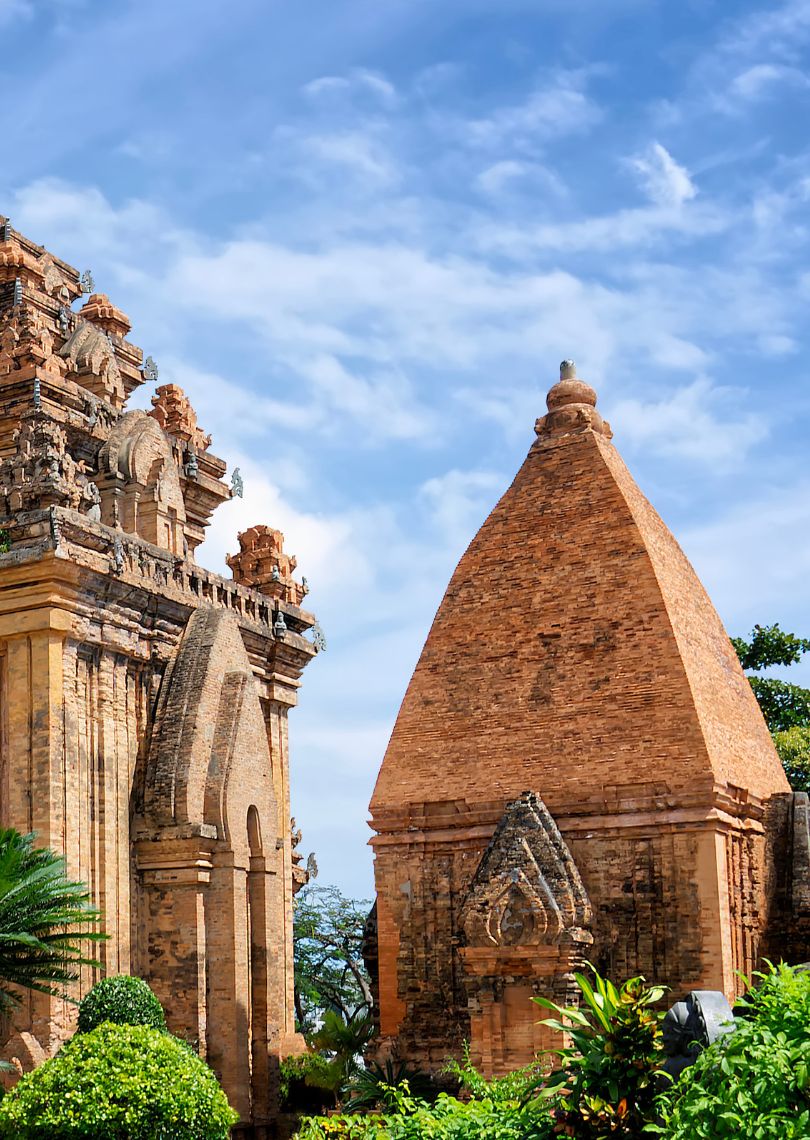
Unlike many other Cham sites in Vietnam, these towers avoided US bombing. Thanks to that, plus their perfect restoration, you get to see them just as they were 1300 years ago.
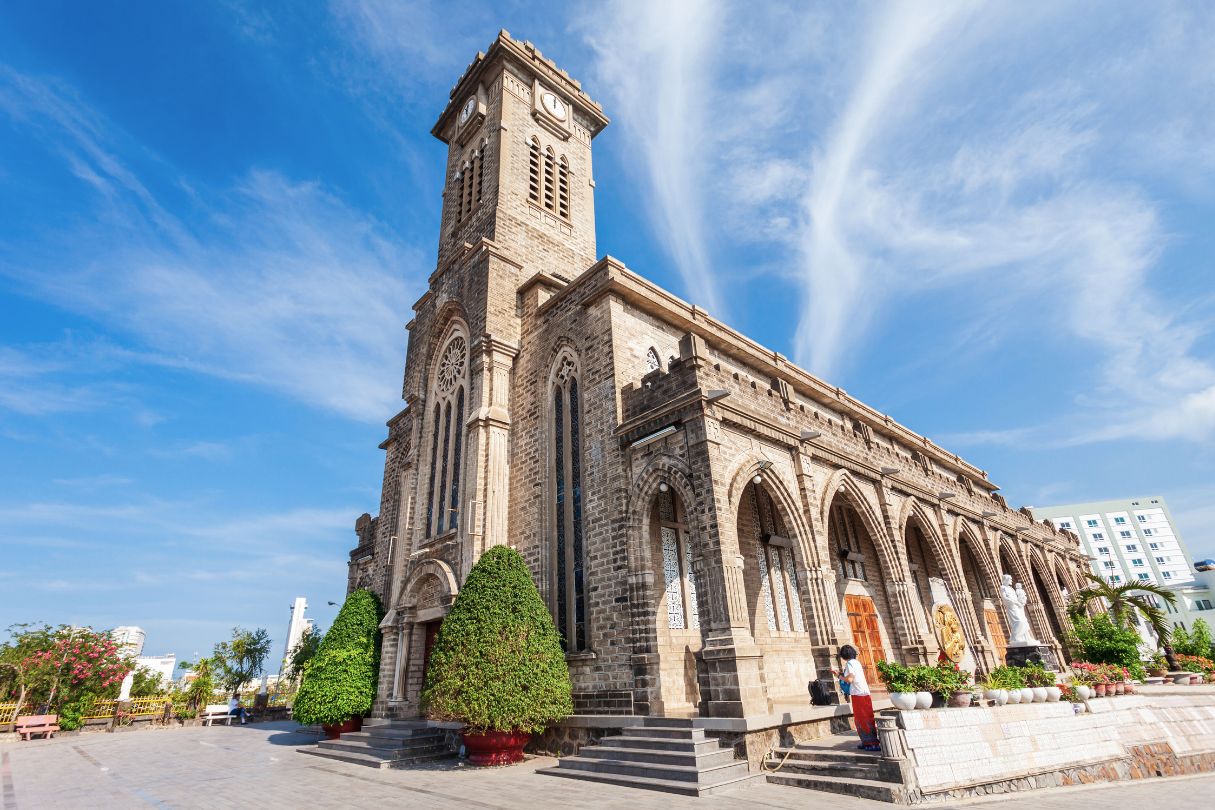
After the ruins, head back into town and visit 📍Nha Trang Cathedral, also known as the Stone Church. This massive church was built 100 years ago and is a unique example of French gothic architecture in Vietnam.
If it interests you, there’s also the 📍National Oceanography Museum. Nha Trang is a global centre for marine science and this museum was one of the first scientific research centres in Vietnam.
You can combine all 3 of these places in a guided tour of Nha Trang, which covers both your transport and entry tickets to all locations.
In terms of historical sites, Nha Trang doesn’t have much more to offer. You could move on after the 1st day and get a headstart in Hue, but I recommend using your 2nd day in Nha Trang to experience the outdoor activities the city is known for.
Consider using your 3nd day to relax at one of Nha Trang’s renowned beaches, like 📍Nha Trang Beach or 📍Doc Let Beach.
You could also check out the serene 📍Long Son Pagoda, or get out of town and hike to 📍Ba Ho Waterfall.
Nha Trang to Hoi An
The best way to get from Nha Trang to Hoi An is via train.
The journey takes 10 hours, which is another great chance to take advantage of the overnight sleeper trains. Book yourself an evening train on 12Go and wake up in Hoi An tomorrow morning, ready to go.
Day 5 - 6: Hoi An
Welcome to Hoi An.
This historic town originated as a Champa settlement, becoming a thriving coastal trading hub during the middle ages. During its peak it was incredibly multicultural, attracting traders particularly from China, Japan and Portugal, who have all left their mark on the town’s culture and architecture.
These days the town itself is one of Vietnam’s UNESCO Cultural World Heritage Sites and one of the most popular tourist destinations in the country.
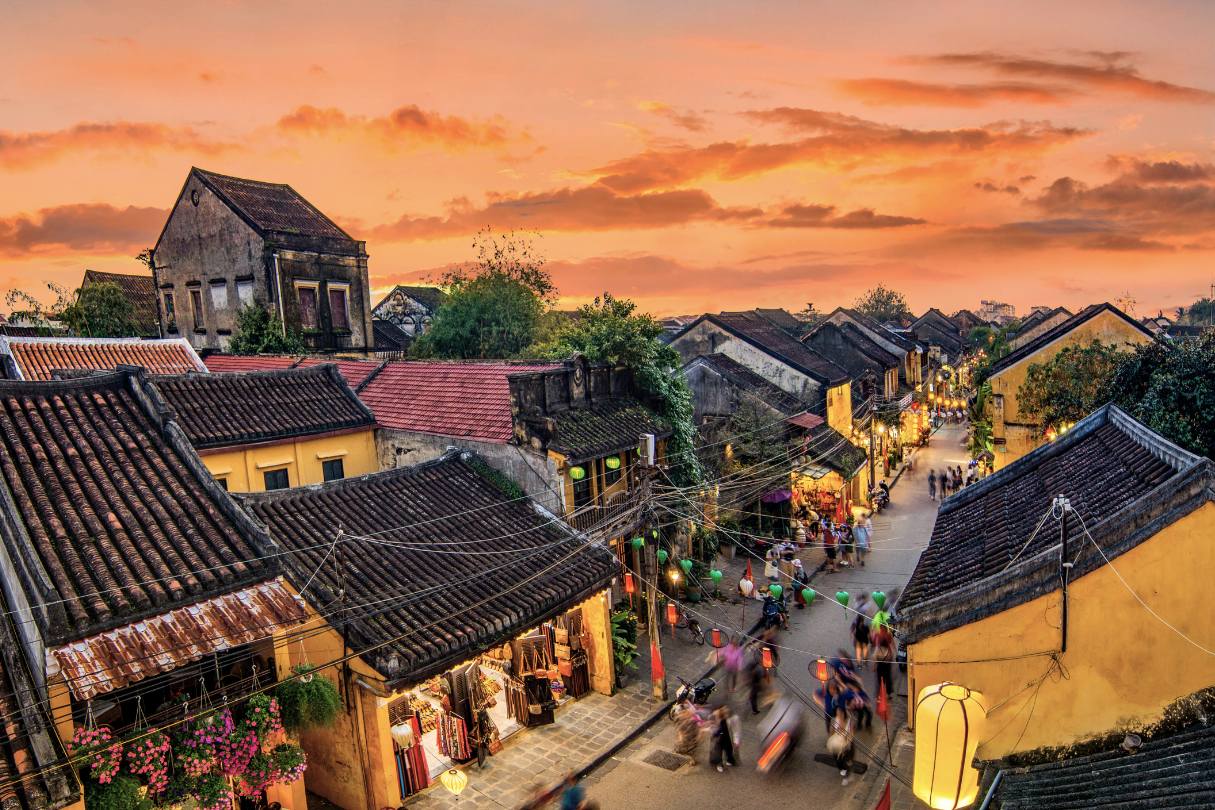
After you’ve arrived and settled into your accommodation, it’s time to get out and explore the historic town of Hoi An.
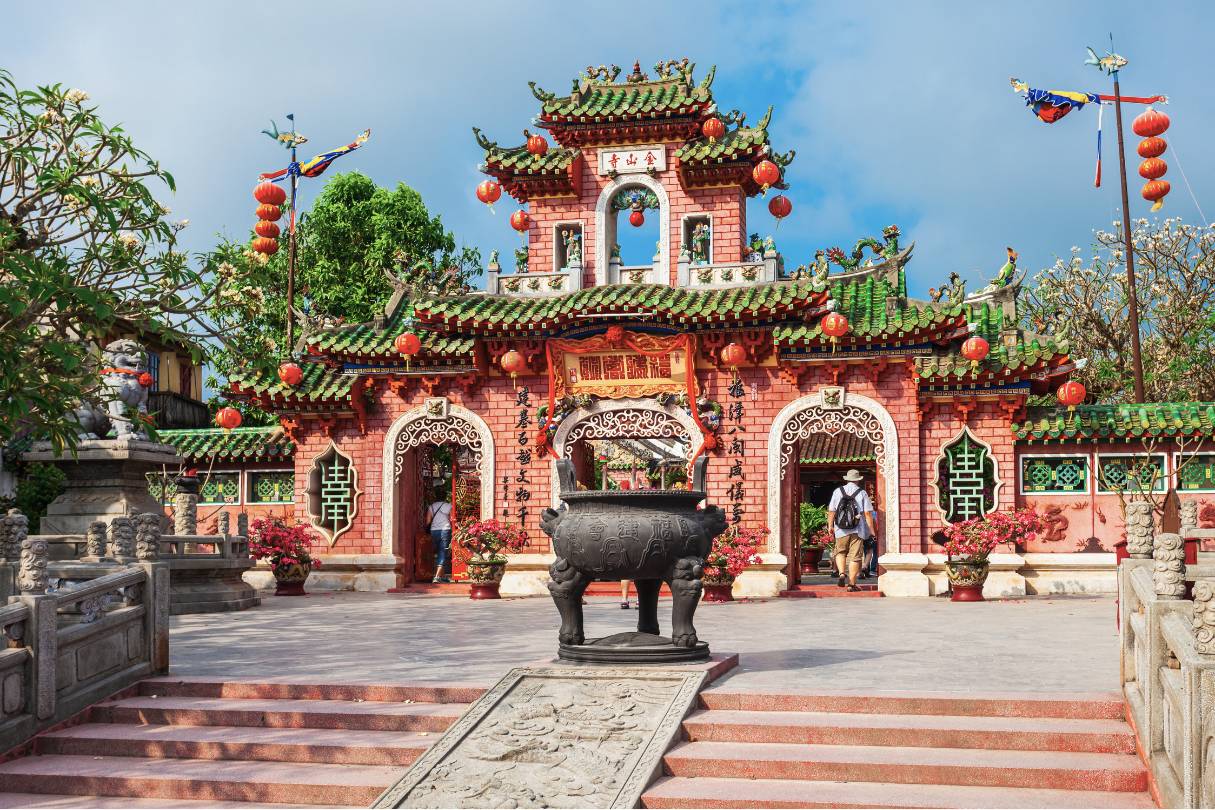
You could start with the 📍Fuijan Assembly Hall, a former meeting place for the Chinese residents in Hoi An. The impressive gateway you enter through was only built in 1975, so don’t be fooled by this, but the site itself dates back to the 17th century.
Then there’s the 📍Tan Ky Old House, said to be one of the oldest houses in Hoi An. Built in 1741, this tiny home has seen several generations come and go. Today, it’s preserved as a ‘living museum’, and is like stepping back in time to Hoi An’s colonial era.
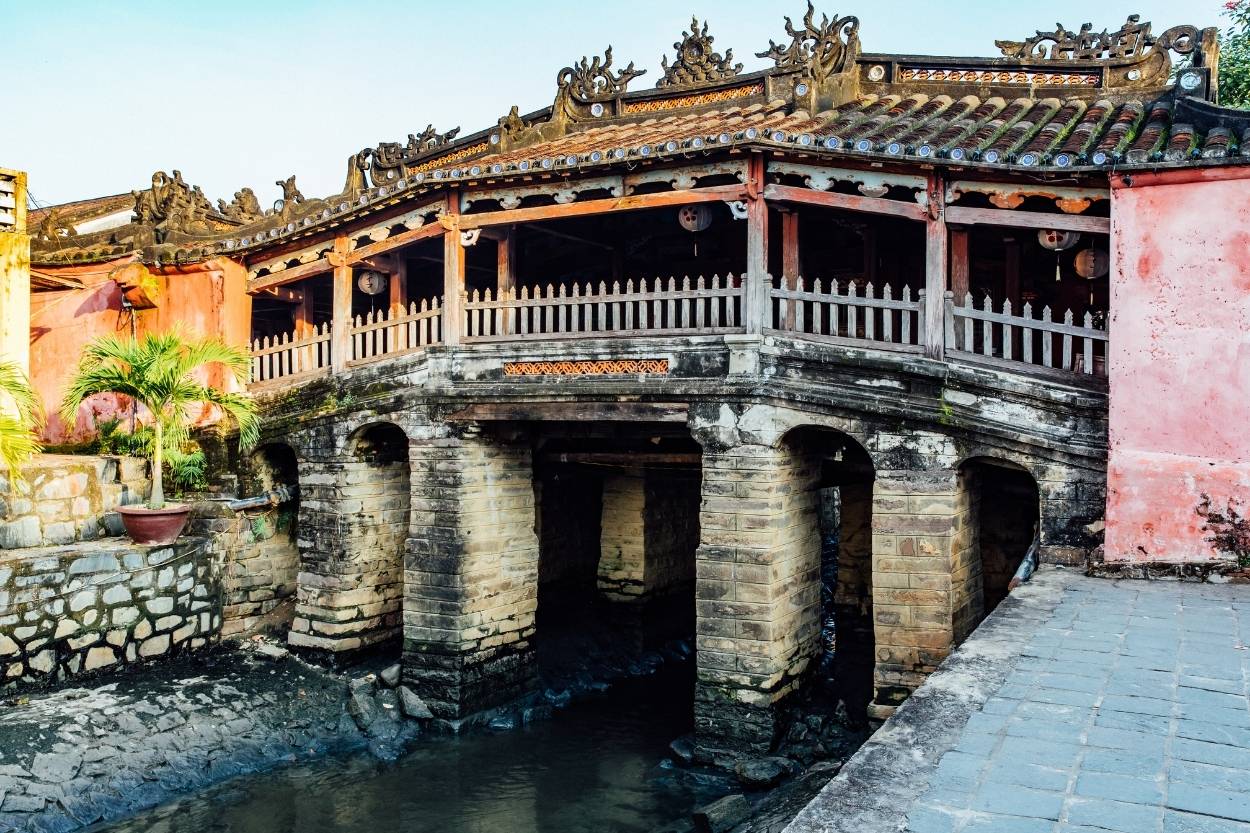
Not far from the old house is the 📍Japanese Bridge. Built in the 17th century, this bridge was named as such because it connected the Japanese part of town to the rest, and was built in their traditional architectural style. It’s a famous landmark in Vietnam and even features on the 20,000 VND banknote.
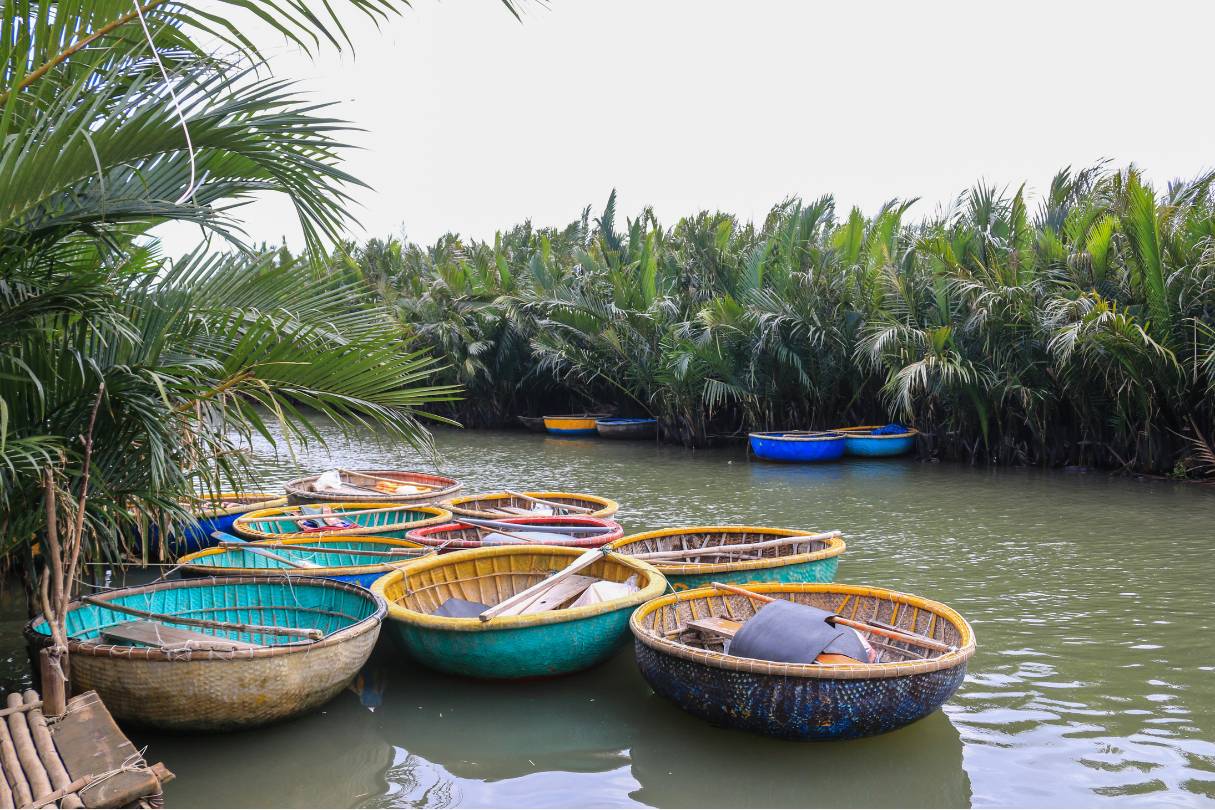
While you’ve still got a couple of hours of sunlight left, consider going for a ride on one of the famous basket boats. It may not seem very historical, but it’s a popular tourist activity that has roots in Hoi An’s history.
During French rule, the locals were taxed heavily for owning a boat. So they avoided these taxes by using these circular baskets instead. If the French officials came by trying to tax them, they could simply claim ‘that’s not a boat, it’s just a basket’.
To anyone else, they’d be almost impossible to use on the water. But the locals have become experts at using them, and make a good living by taking tourists such as yourself out onto Hoi An’s waterways.
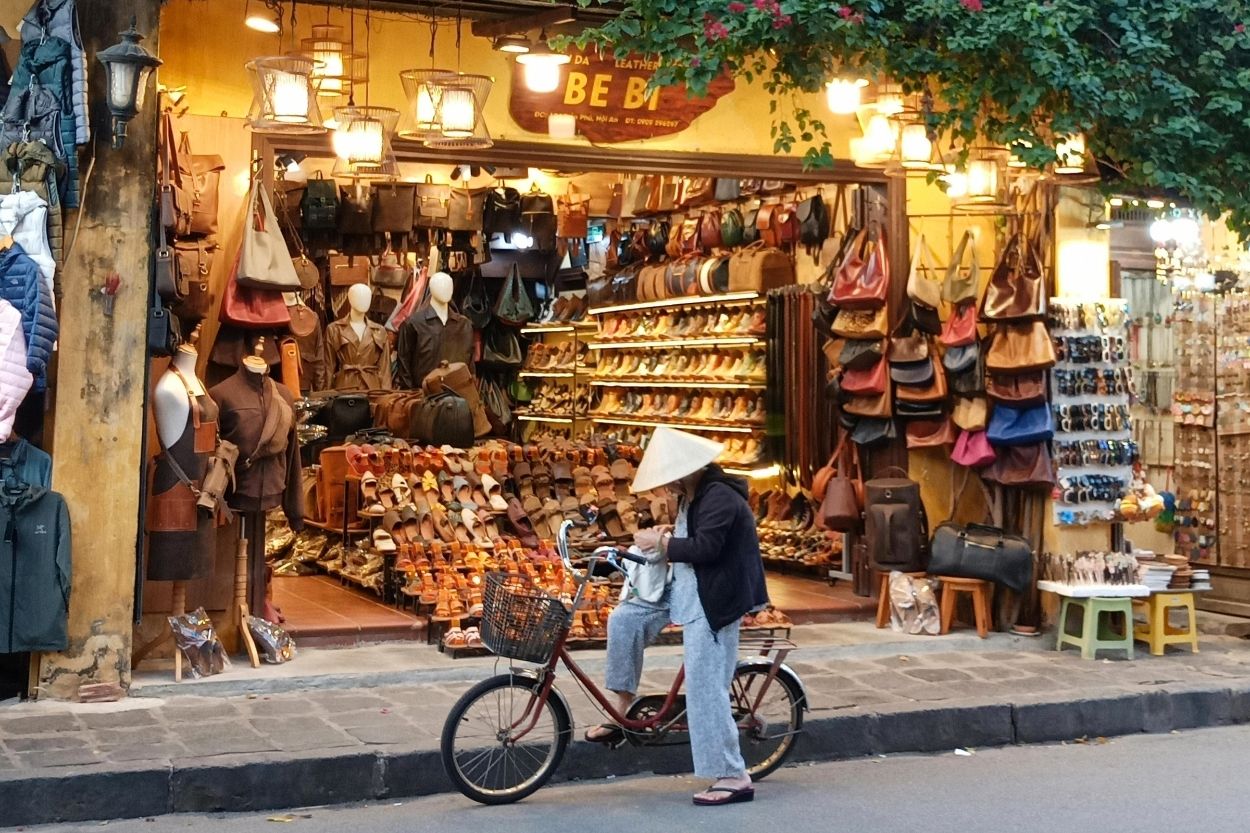
The evening is the perfect time to head back to Hoi An’s ‘Ancient Town’ and experience it properly. As the day comes to an end, this area comes alive.
On our 2nd day in Hoi An, we’re going on a day trip (more a half-day trip) to one of Vietnam’s best historical sites.
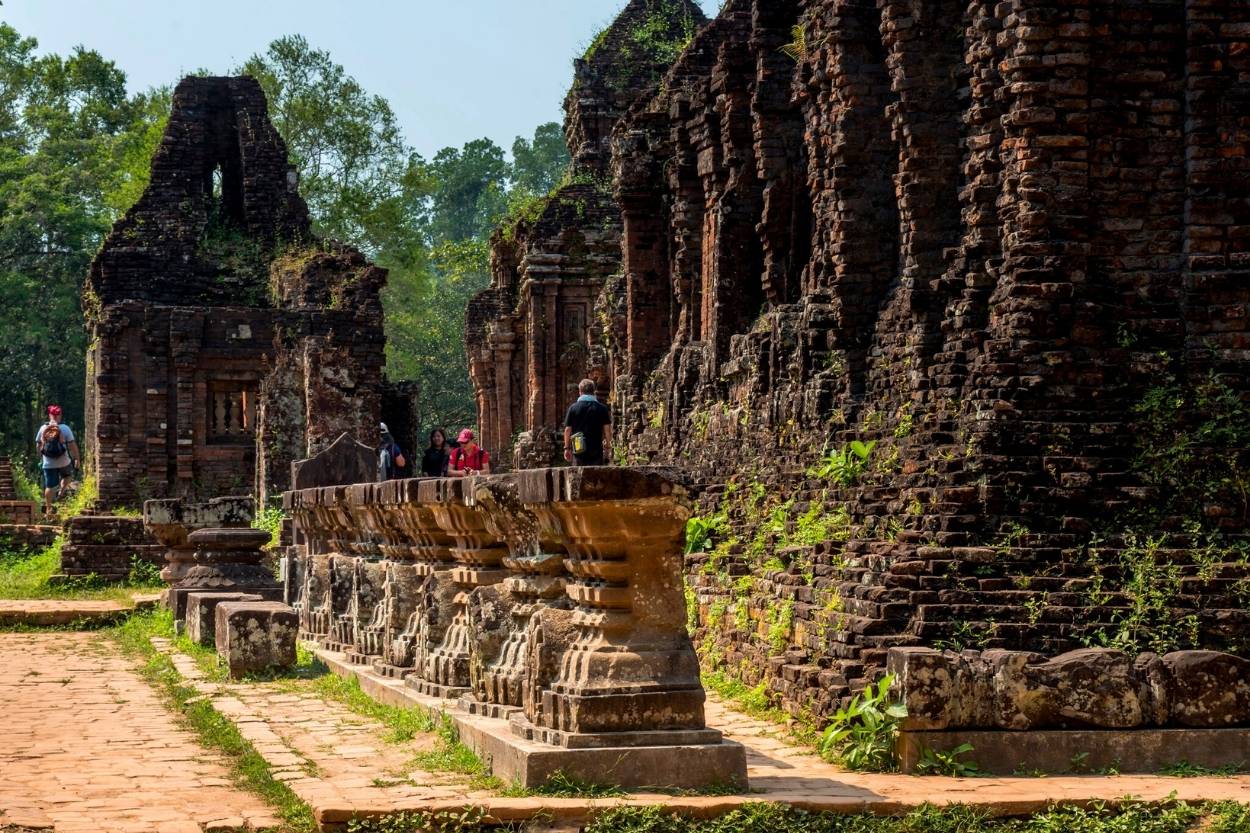
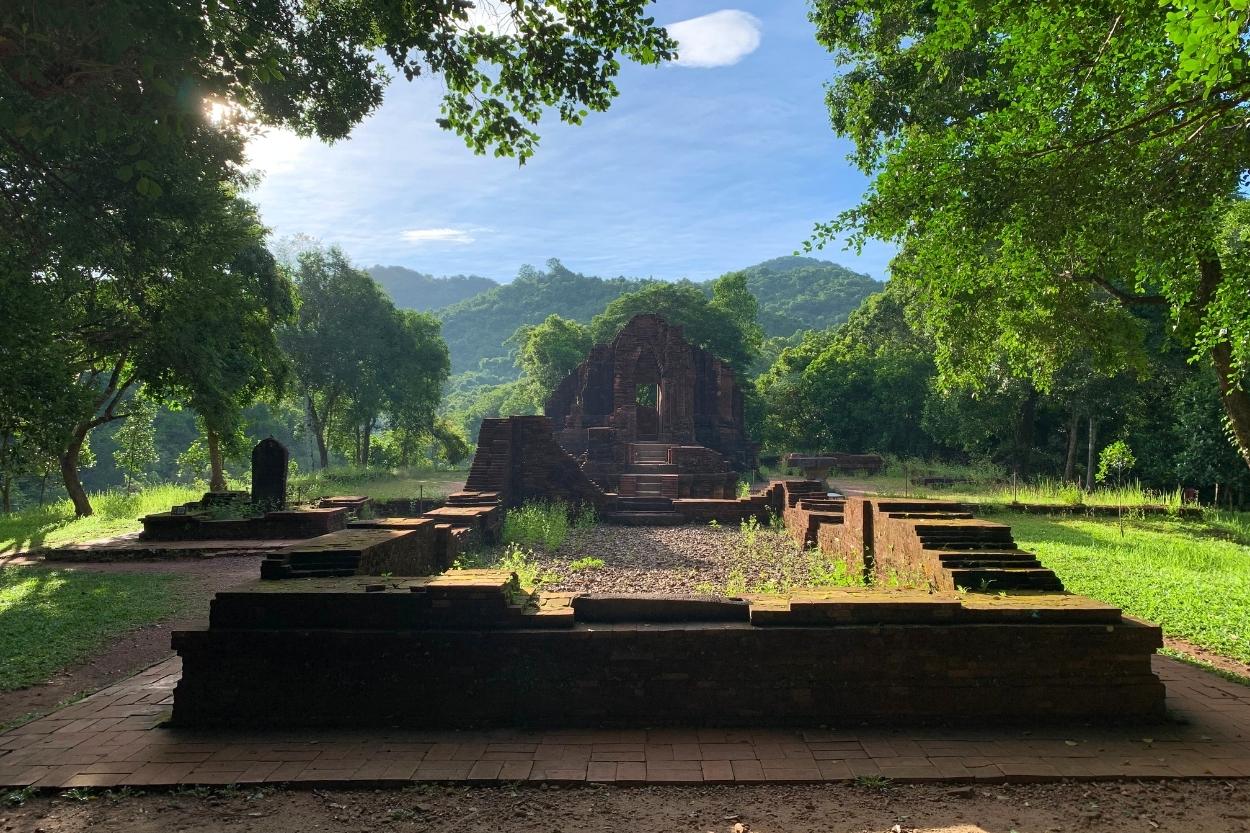
📍My Son Sanctuary is a set of ancient ruins leftover from the lost Champa Kingdom. Another of Vietnam’s UNESCO Cultural World Heritage Sites, this place dates back to as early as the 4th century CE. For over 1000 years it served as the Cham royal holy site, located within the same region as their former capital.
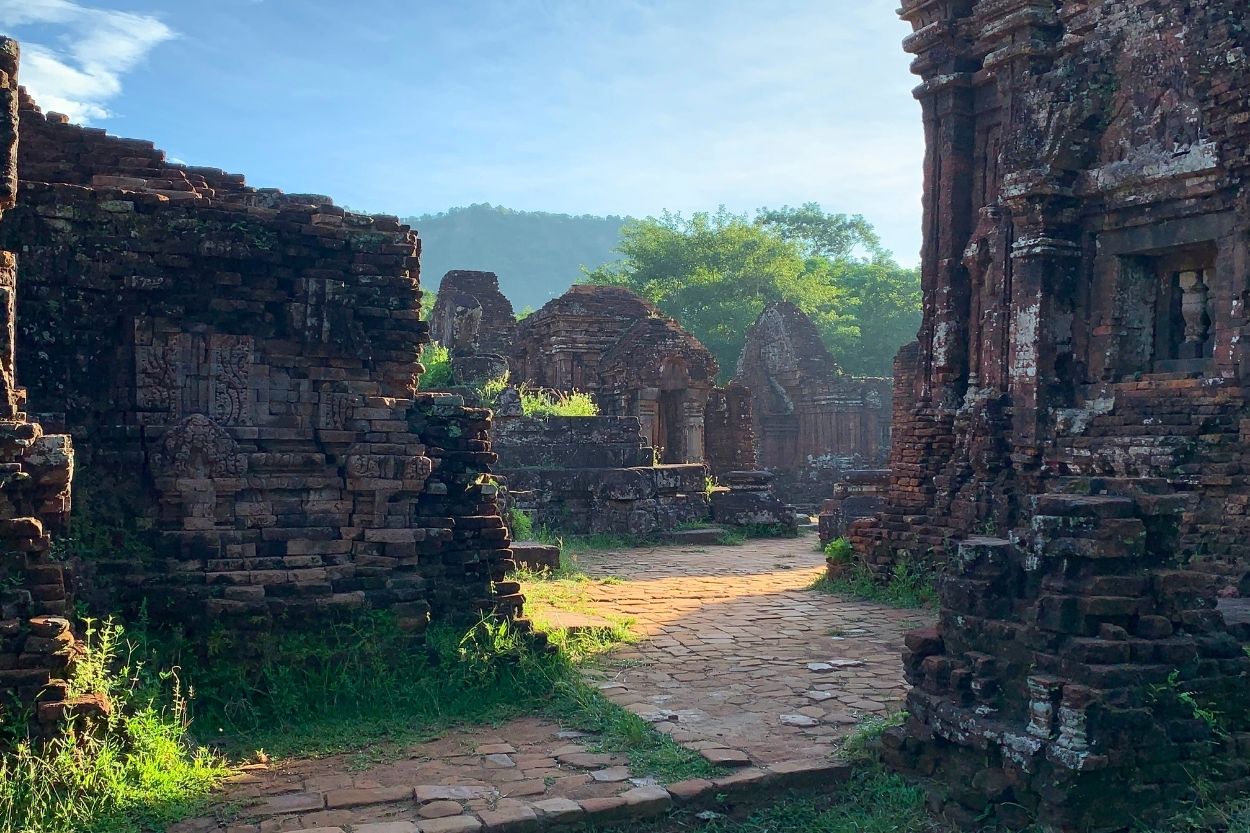
The site was heavily damaged during the Vietnam War, but extensive restoration efforts are underway and soon it will be in perfect condition just like the Po Nagar Towers. Even in its current state, it’s still one of the best historical places in the country and a must-visit for history buffs.
My Son Sanctuary is located about 25 kms inland from Hoi An. There are 2 main ways of getting to My Son Sanctuary.
You could rent a motorbike or scooter and go on a 1 hour road trip through the scenic hills of central Vietnam.
Or you could book a guided tour, which will also cover your transport and entry ticket.
For more info on My Son Sanctuary, check out my guide below:
Day 7 - 8: Hue
Welcome to Hue.
This central Vietnamese city is one of the country’s most historically important areas. Almost 2000 years ago it was a Champa settlement, but this heritage is all but gone now.
These days, Hue is known for being the capital of Imperial Vietnam from the 18th century until 1945. Though its time as capital may have been cut short by the French, they still managed to build a number of incredible historical sites.
Hue, being located near the former demilitarised zone (DMZ) between North and South Vietnam, is also a great spot for Vietnam War historical sites.
Use your morning to catch a train from Hoi An to Hue. It’s only a 3 hour journey so it shouldn’t take up much of your day, but the earlier the better.
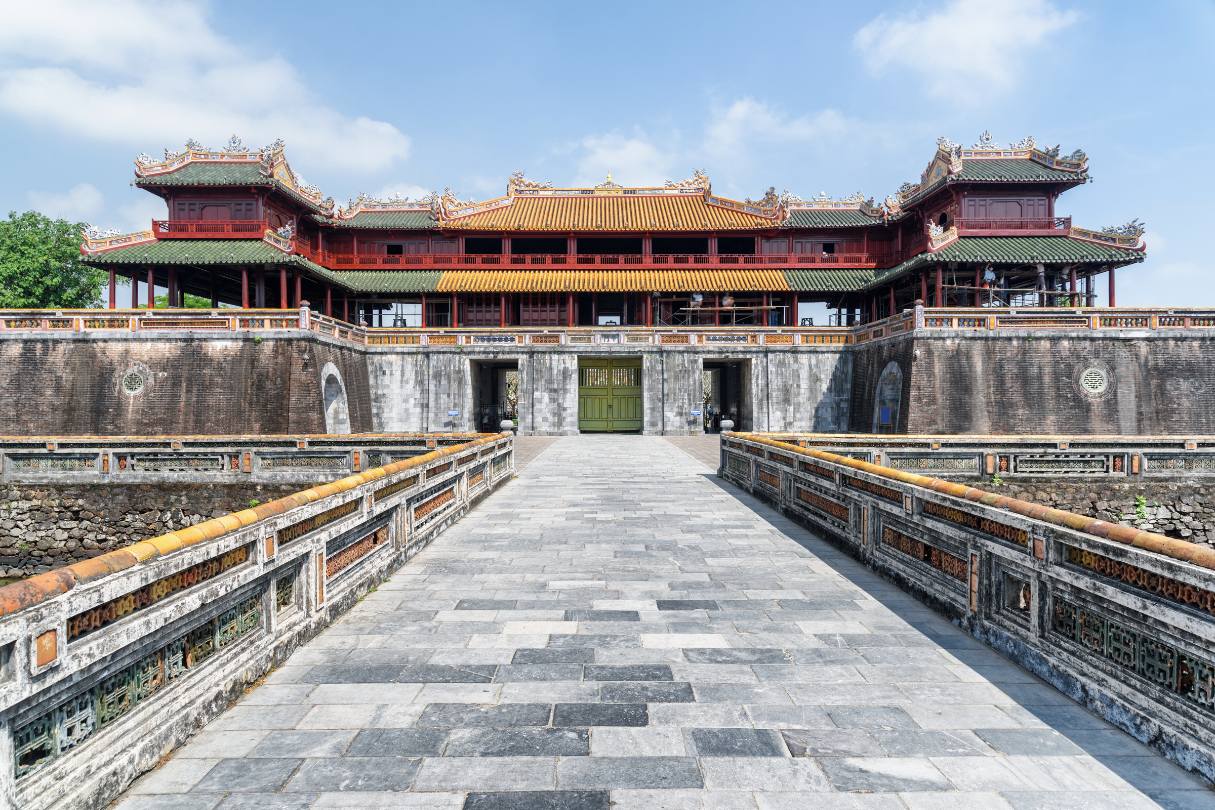
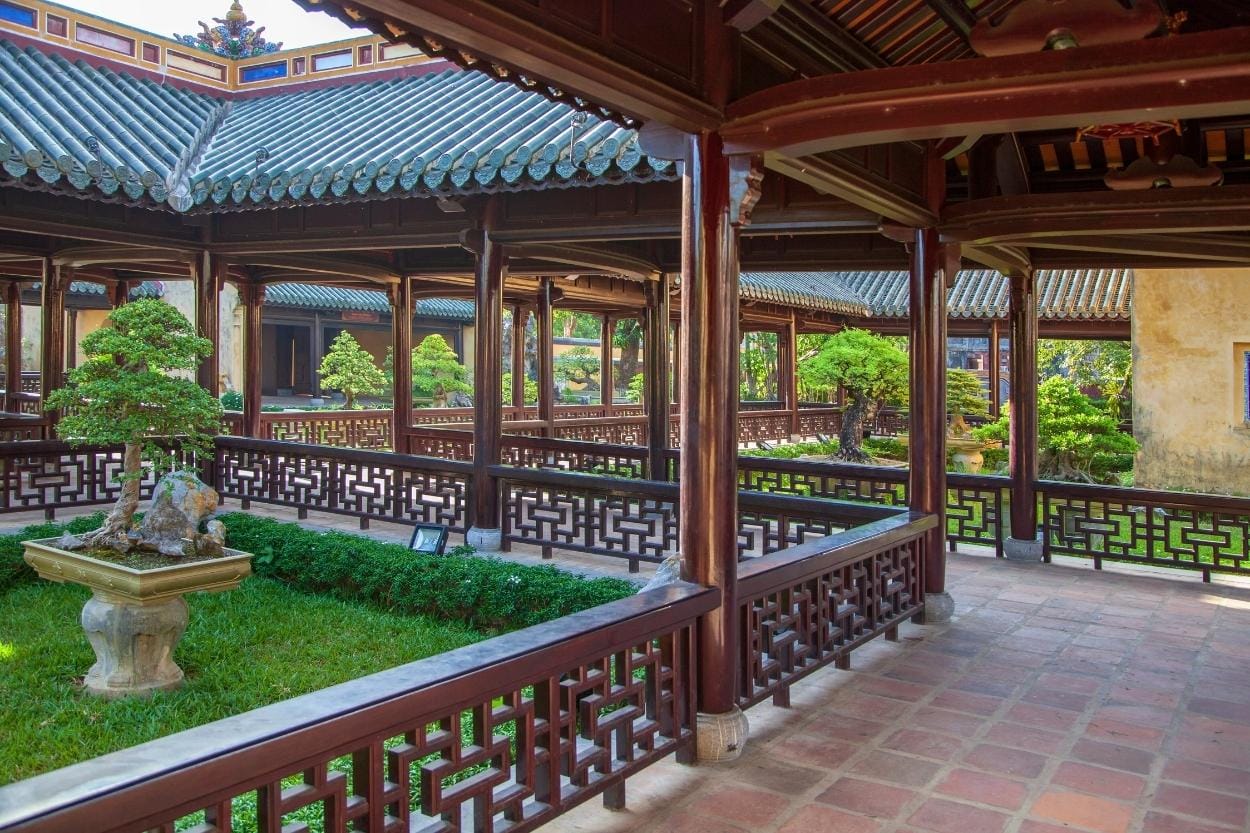
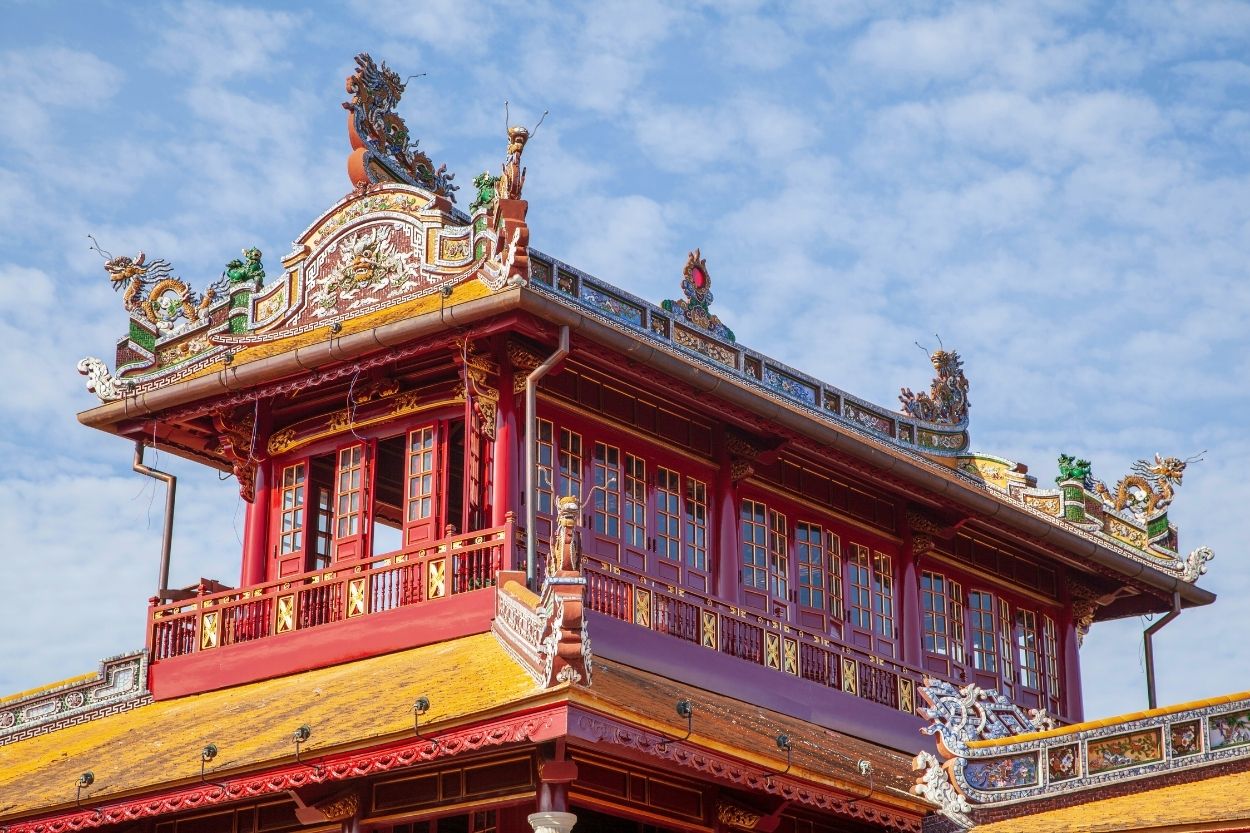
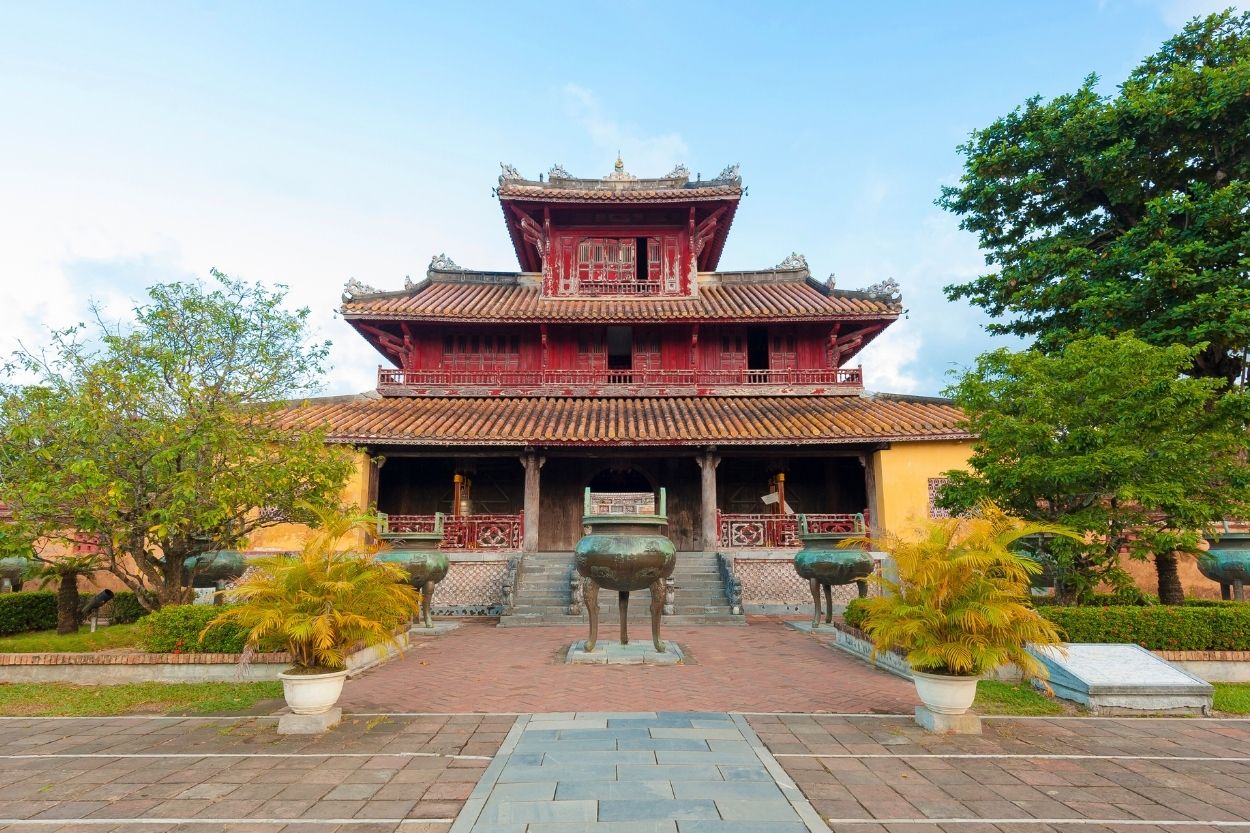
After you’ve arrived and settled in, I recommend starting with the first historical site in Vietnam to be dubbed a UNESCO World Heritage Site: 📍Hue Imperial Citadel. Built in 1803, the so-called ‘Forbidden Purple City’ was modelled after the original Forbidden City in Beijing, and served as the home of the emperor until 1945.
For more information on visiting Hue Citadel, check out the following guide:
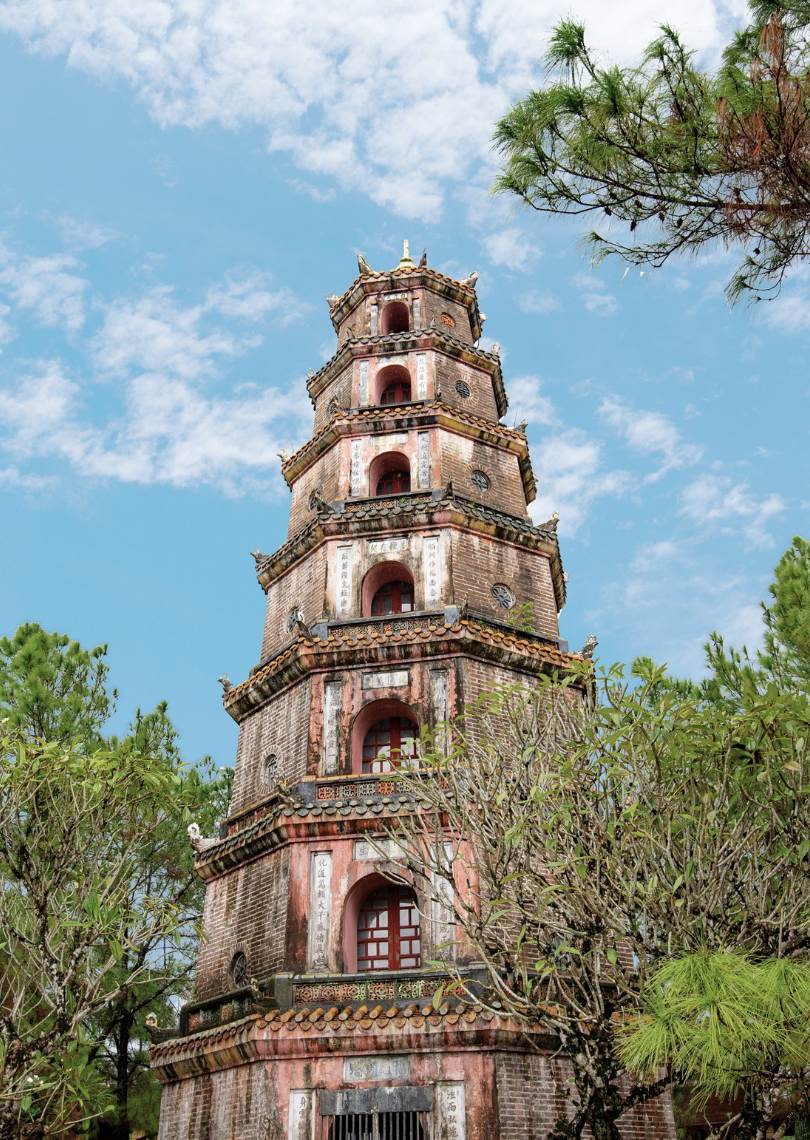
After the Citadel it’s only a 10min taxi ride to 📍Thien Mu Pagoda. One of the oldest historical sites in Hue, Thien Mu Pagoda was built in the early 17th century during Vietnam’s early imperial era, and is known for its iconic 7-story tower.
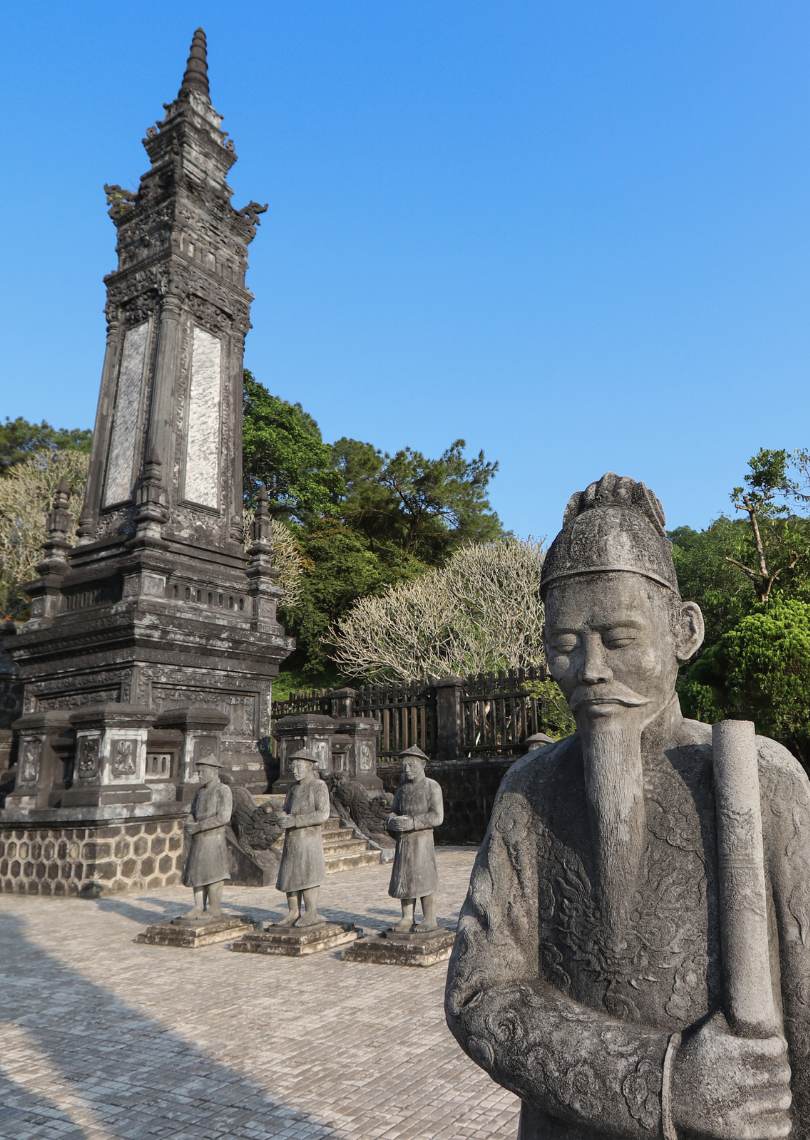
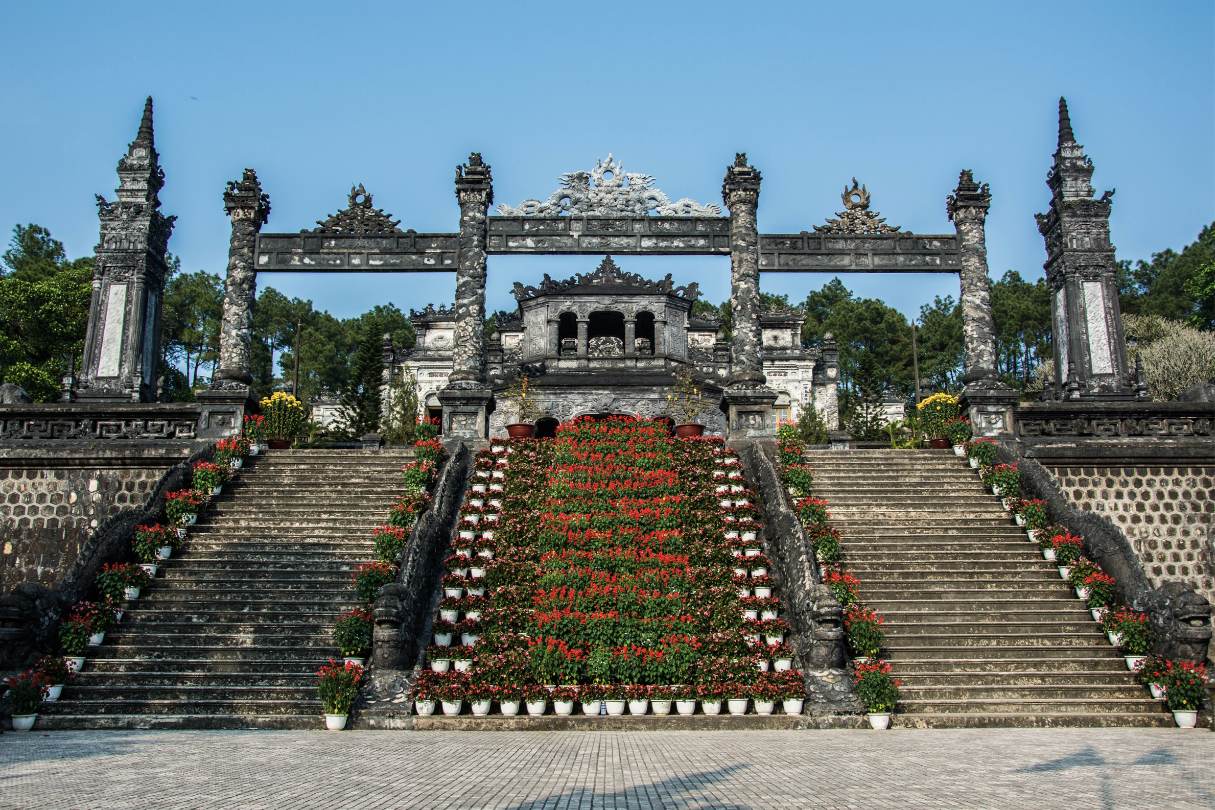
If you have time in your afternoon, you could grab a taxi to the 📍Mausoleum of Emperor Khai Dinh before it closes at 6pm. From the Pagoda the ride should only take about 20min.
Here you can see the incredible architecture at another of Vietnam’s UNESCO World Heritage Sites, which was built about a century ago in honour of the second-last imperial emperor of Vietnam.
While our first day in Hue was all about Imperial Vietnam, day 2 is all about the Vietnam War.
During the Vietnam War, Hue was caught in the middle, being located just south of the DMZ and seeing one of the bloodiest battles of the conflict. Today, the city is one of the best places to learn more about this period in the country’s history.
The former DMZ covers a wide area, with multiple sites to visit:
Firstly, there’s Hien Luong Bridge, which once connected the North & South. Here you can walk the historic bridge, and visit a memorial and small museum. It’s a great way to get a sense of this period in history and learn more about it.
Then there’s 📍Khe Sanh Combat Base, a former US military base that was abandoned in 1971. These days the base still has a number of old military vehicles, aircraft and artillery from the war, as well as a small museum.
Finally there’s the 📍Vinh Moc Tunnels. This extensive tunnel network was built during the Vietnam War when an entire village moved underground to escape intense US bombing. They brought their entire village with them, with the approximately 60 families building everything from living spaces, to kitchens to hospitals – all underground.
All these places are located in the region just north of Hue, and are all very spread out. Unless you have your own transport, the only way to visit them is on a guided tour. Thankfully there are multiple tours you can book from Hue, which visit all or some of the above sites.
Hue to Hanoi
The last leg of this 10 day Vietnam itinerary is the longest, taking about 14 to 15 hours via bus or train.
The cheapest option as always is a bus, but it’s also the least comfortable. If you’re on a tight budget, getting an overnight sleeper bus to Hanoi is your best option, and can cost as little as $15 USD.
A train to Hanoi will set you back more, costing around $40, but will be a bit more comfortable.
But if you’ve got the budget for the train, you might as well book a flight, which can cost as little as $50 and get you there in a couple of hours.
Day 9 - 10: Hanoi
Welcome to Hanoi.
Vietnam’s capital is one of its most historical cities. It was from here, in the Red River Delta, that the Vietnamese people originated, with Hanoi being the capital of the first Vietnamese state, Dai Viet.
Because it was also the capital of the victorious North Vietnam, Hanoi is also the best place to learn more about the founding of the modern-day nation, and its revolutionary leader, Ho Chi Minh.
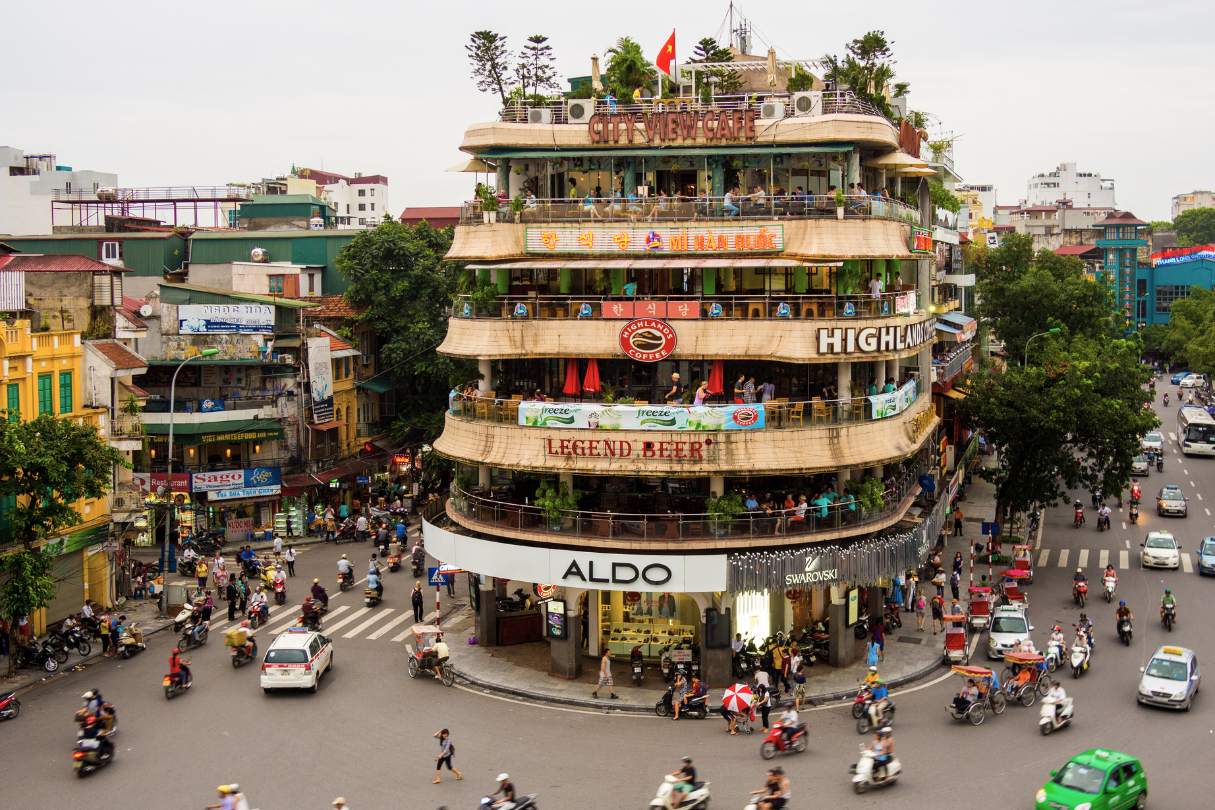
Your first morning in Hanoi is going to be all about Uncle Ho, as we start off with the Ho Chi Minh Complex. This large area in the city centre is among the country’s most culturally significant sites, and commemorates the leader of revolutionary Vietnam and the father of the modern-day nation, Ho Chi Minh.
Start with the 📍Ho Chi Minh Mausoleum, which is only open from 7am to 10:30am, so should be visited first. Here you can see the embalmed & preserved body of the former leader on display.
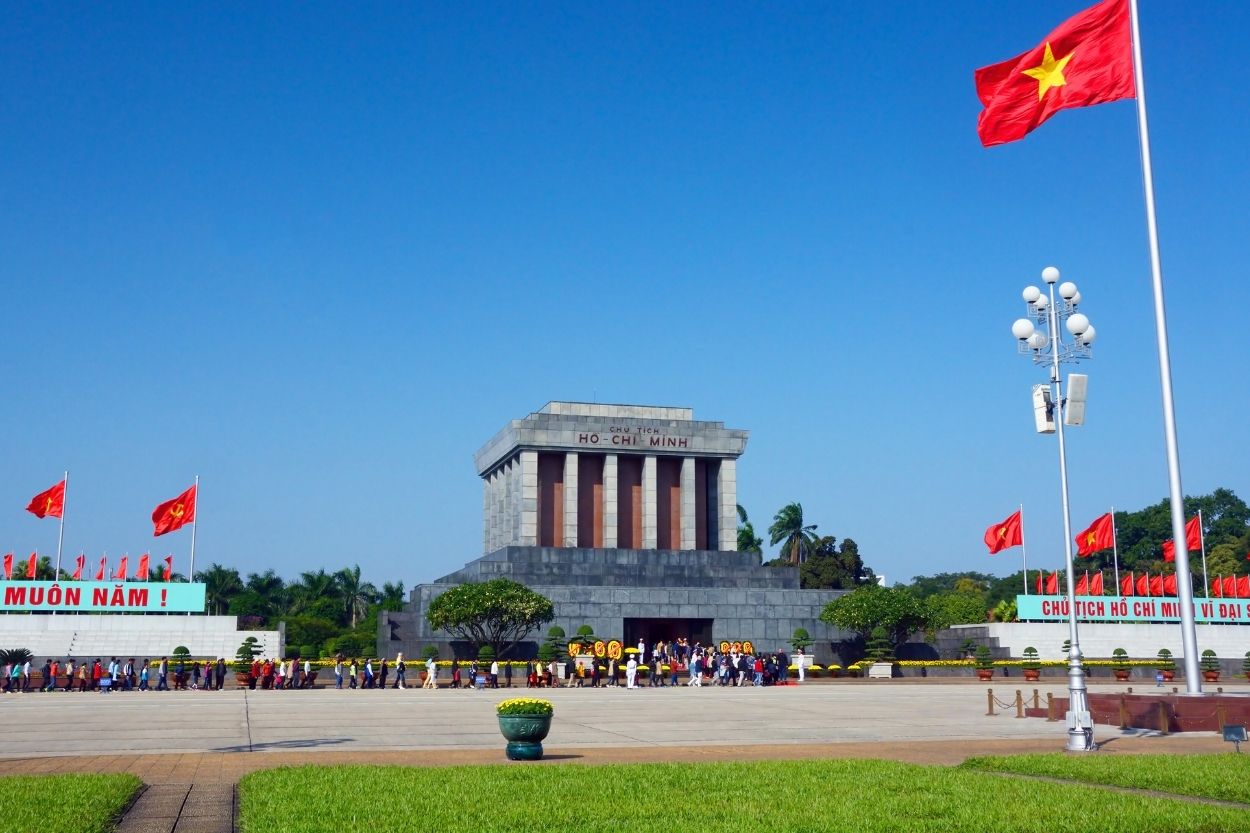
You can then walk through the gardens just behind the Mausoleum, passing by the 📍One Pillar Pagoda, and visit the 📍Ho Chi Minh Museum. Here you can learn all about the life of the influential leader.
Then, after you’ve learned all about Uncle Ho’s life, you can see some of this history for yourself by visiting the 📍Stilt House, where he used to live. The Stilt House is located just north of the museum, and is preserved as a ‘living museum’.
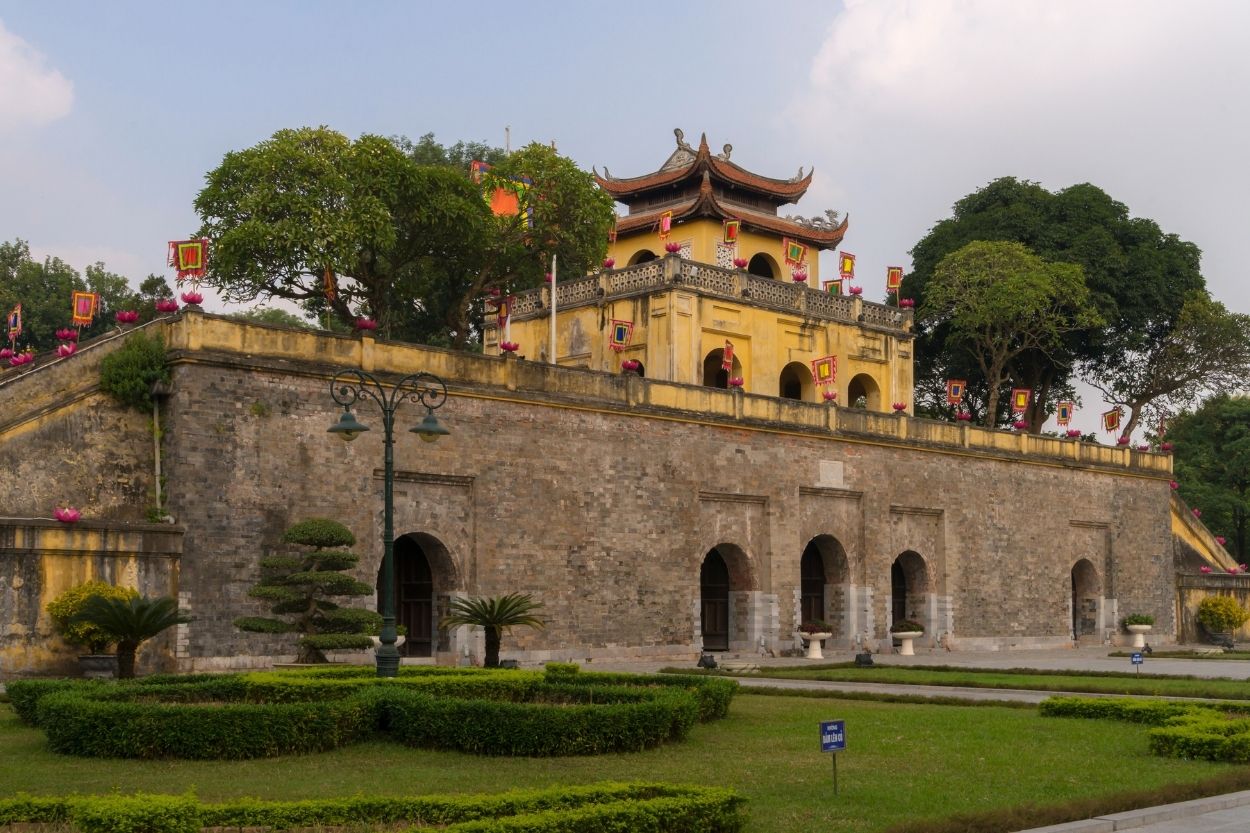
After spending your morning at the Ho Chi Minh Complex, I recommend an afternoon visit to 📍Thang Long Imperial Citadel. This site was the centre of power in Vietnam for a long time. The earliest structure built here was a Tang Chinese fortress, sometime around the 8th century CE. Then, after the kingdom of Dai Viet was established in the 11th century, a new palace was built.
Most of the citadel was destroyed by the French. What remains today is the well-preserved North Gate, and an archeological site from the original Chinese fortress.
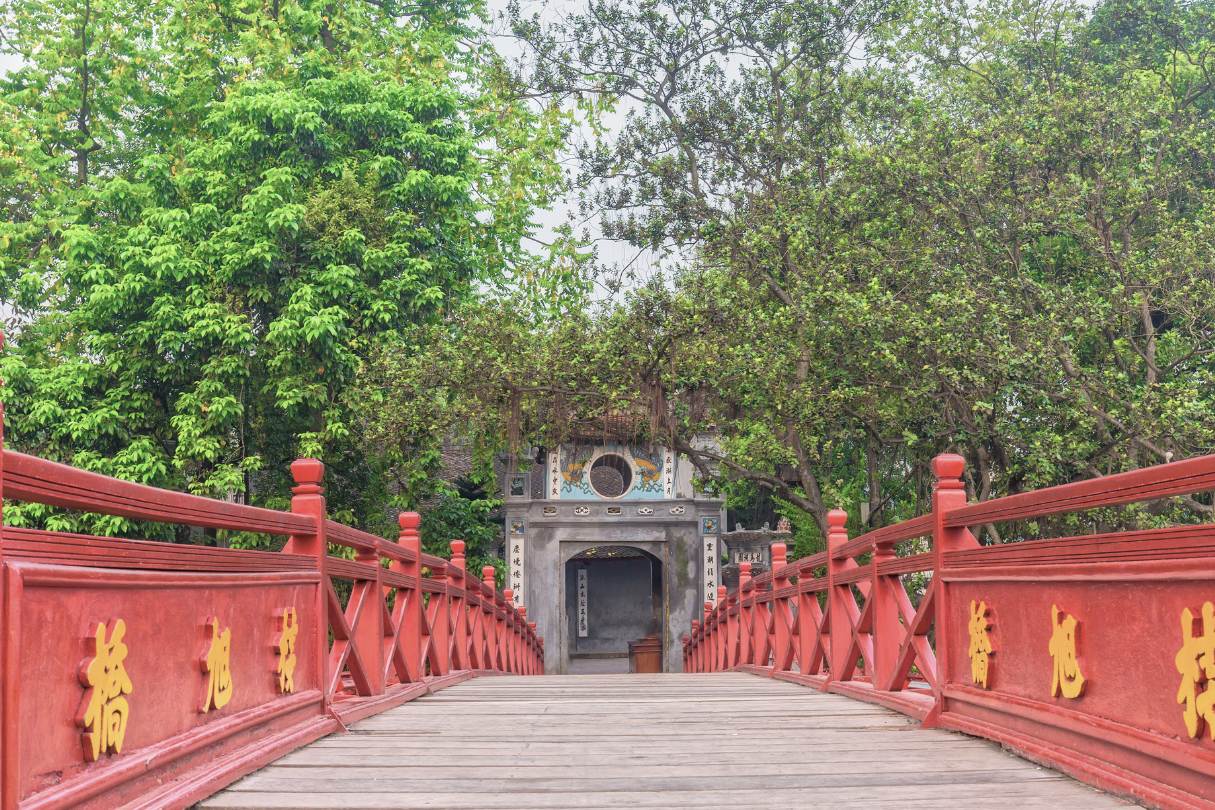
If you still have some time left in the day after your visit to the Citadel, you could walk through the streets of the Old Quarter to Hoan Kiem Lake and check out 📍Ngoc Son Temple. This is one of Hanoi’s most renowned religious sites, built in 1841.
For the final day in this 10 day Vietnam itinerary, we’ll visit a couple of historical sites in the southern part of the city centre, before heading Hanoi’s outskirts to visit one of the oldest historical places in Vietnam.
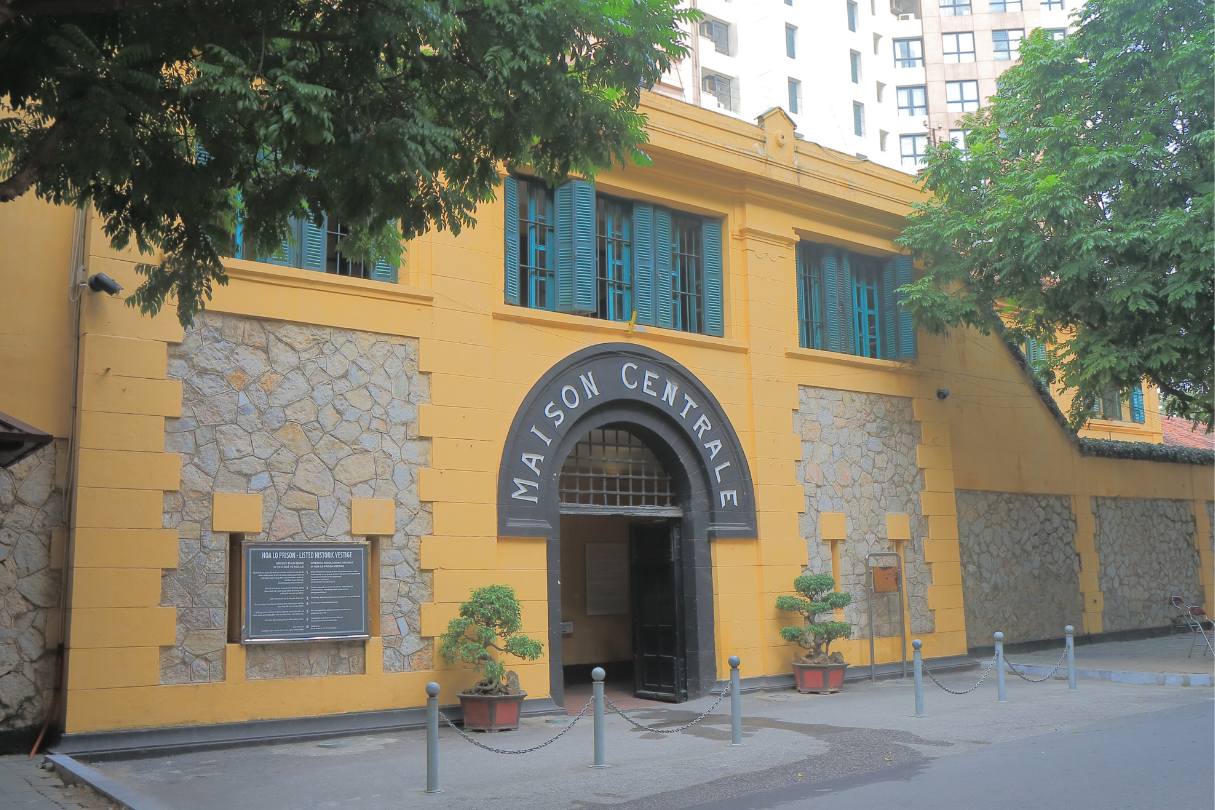
Start day 2 with a visit to 📍Hoa Lo Prison, a rather confronting place where you can learn more about Vietnam’s modern history.
The prison was first built by the French in the late 19th century, and was used for political prisoners – anyone who stood up to French rule. After the French left, it was then used by North Vietnam to hold American prisoners of war. Most of the prison has been demolished, but what remains has been turned into a museum.
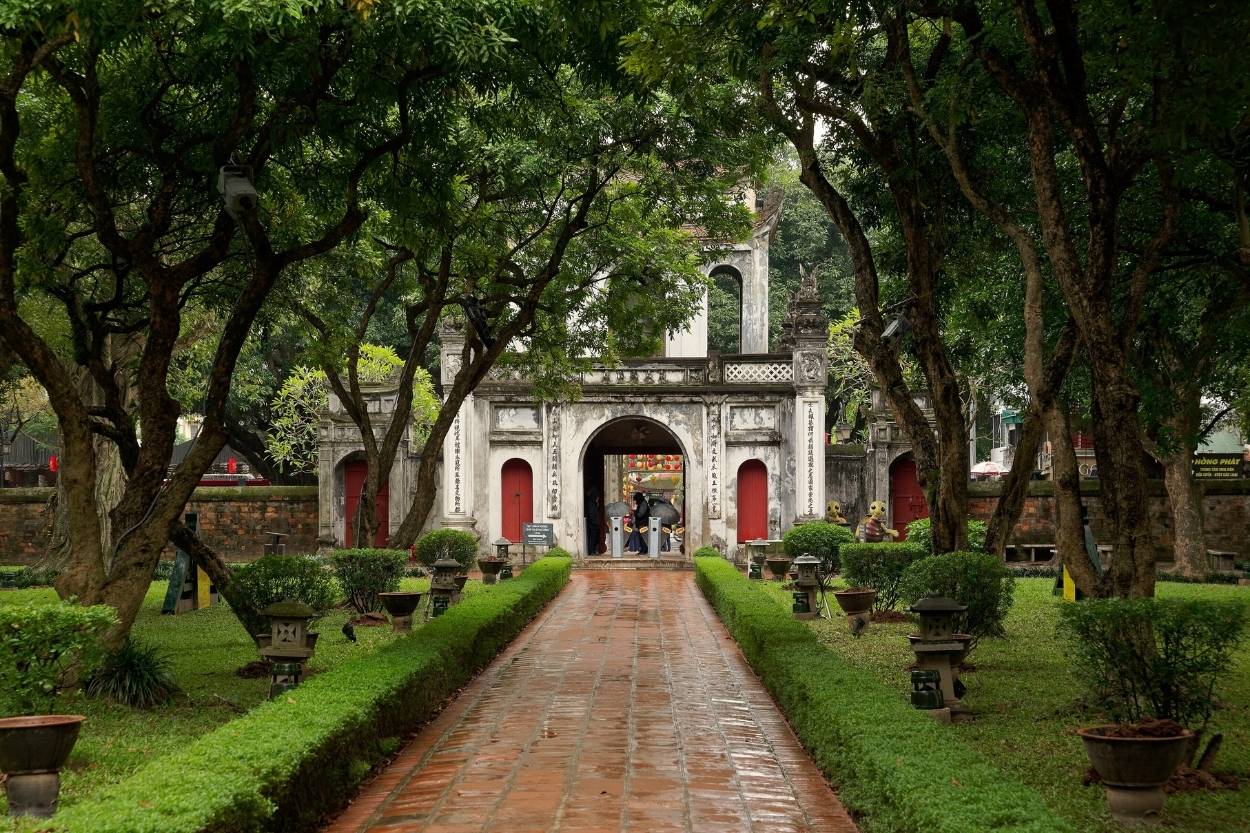
About a 20min walk from the prison you’ll reach the 📍Temple of Literature. This complex was originally built as a temple to Confucious in the 11 century CE, but soon became Vietnam’s first university. It was still used as a university until the 17th century.
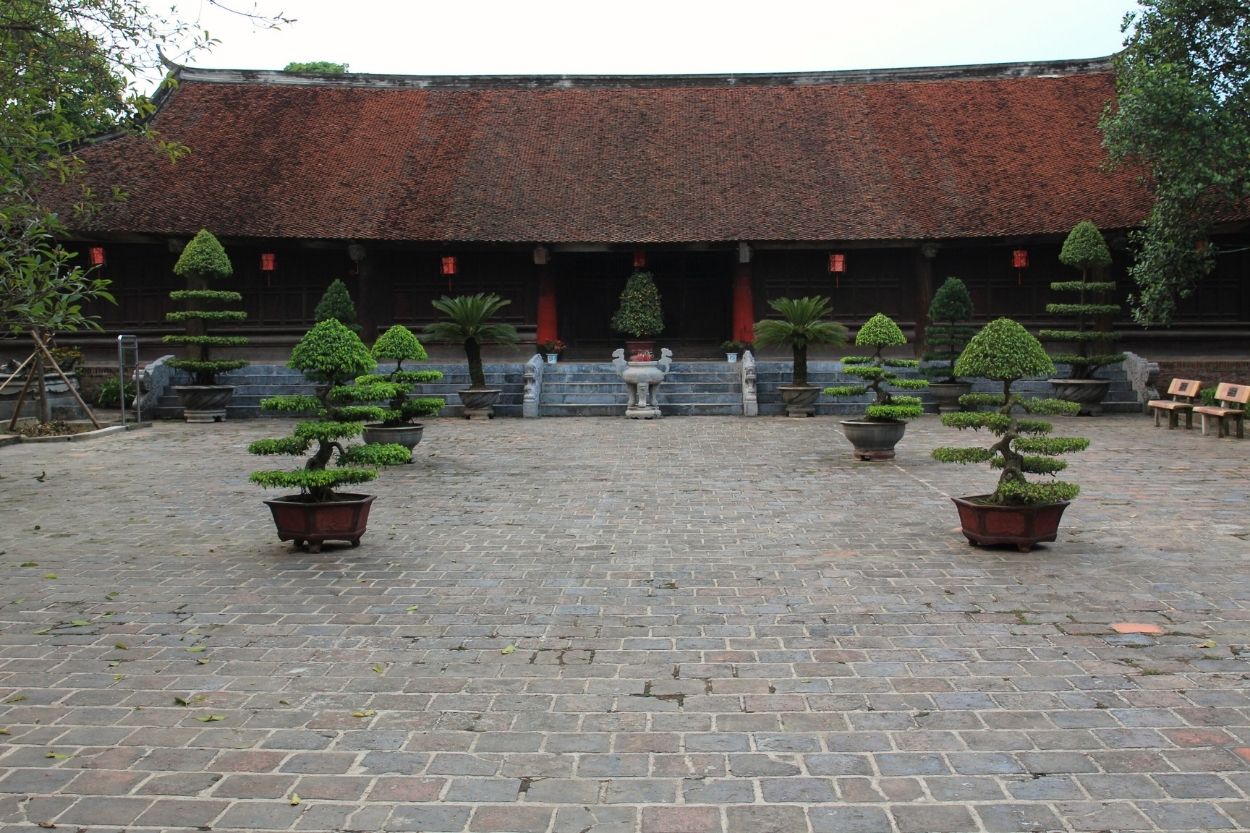
For your final afternoon in Vietnam, catch a bus from My Dinh Bus Station, or book a Grab, and head to the city outskirts to visit 📍Co Loa Citadel, one of the oldest historical places in Vietnam.
This site was once the capital of an ancient kingdom, with a fortress being built here during the 3rd century BCE. Little remains of the original structure, but there are still a few things to see, including artefacts that were dug up at the site.
Planning your trip to Vietnam
Best time to visit Vietnam
Choosing the best time to visit Vietnam can be tricky. The country stretches over such a vast distance that the different regions experience their rainy seasons at varying times of the year.
The rainy seasons across the country are generally:
- South Vietnam – May to November
- Central Vietnam – September to December
- North Vietnam – May to August
Overall, the best time to visit Vietnam is between either February and April or October and November. This offers the best balance between the seasons, when the weather is mostly pleasant across the country and the likelihood of rain is at its lowest.
Visa
While citizens of some countries can enter Vietnam without a visa, most will need to apply for one before arriving. Thankfully Vietnam makes this very simple with their e-visa program.
The e-visa grants you entry to Vietnam for up to 90-days, which is plenty of time to see all the country has to offer.
The Vietnam e-visa cost:
- $25 USD for single entry.
- $50 USD for multi entry.
A single entry visa should be all you need. The exception to this would be if you plan to cross into Laos and back into Vietnam again, as some travellers do.
Budget & Money
CURRENCY: Vietnamese Dong (VND).
Here’s a quick rundown of how much you should expect to spend while travelling Vietnam 2026:
- Budget – Vietnam is very affordable for budget travellers. Basic guesthouses and hostels can be easily found at any of the destinations included in this 10 day Vietnam itinerary, with dorm beds starting around $5–$10 USD. Private rooms can be found for as low as $15 USD. Street food is incredibly cheap and delicious, so you can easily get by on as little as $20 to $30 USD per day if needed.
- Mid-range – For a mid-range budget, that includes only private rooms, dining at restaurants rather than street food, and the occasional guided tour, expect to spend between $35 to $60 USD per day.
- Luxury – If money is no issue, Vietnam has plenty to offer. If your style of travel includes staying in nice hotels or resorts, dining at the best restaurants, hiring private drivers, etc., then you should expect to spend at least $100 USD per day.
Getting around Vietnam
Vietnam is a very elongated country that stretches over 1600km North to South. This is roughly the same distance from Copenhagen to Rome, or from NYC to Miami. So naturally you’re going to have to cover some long distances.
Thankfully, there are a number of convenient ways to get around Vietnam…
Train
Vietnam may only have a couple of different train routes, but thanks to the narrow shape of the country these can take you almost anywhere you need to go.
Especially popular are the overnight sleeper trains, which are great for covering long distances. Rather than wasting a full day on an 8-hour train ride, you can book the overnight ticket, which gives you a small bed, and combine your transportation with your accommodation.
I’d personally recommend catching a train over a bus wherever possible because they’re much more comfortable and roughly equal in price. There is a route that runs between Ho Chi Minh City to Hanoi, which should be all you need to get between all the destinations in this 10 day Vietnam itinerary.
You can check for train routes and timetables on this website.
Bus
Buses are another convenient way of getting around Vietnam. Wherever a train can’t take you, a bus can.
Just like trains, you can book overnight sleeper buses to avoid wasting time during your days. Although if you’re going to book any overnight transport, I’d recommend choosing a train if possible, as it’s much less bumpy and easier to sleep.
The best place to book bus tickets in Vietnam is on 12Go.
Taxi
Taxis are the best way to get around within each destination.
They come in various forms. There’s the classic green & yellow cars, which are common in major cities. They’re reasonably priced, just make sure the driver uses the meter to avoid getting ripped off.
There’s also the pedal-powered ‘cyclos’. They’re slower, and can only just fit 2, but are incredibly cheap.
There is no Uber or Lyft in Vietnam, but there is Grab, which works the same way. It’s handy to have the app on your phone for when you can’t find a taxi.
Fly
Because of the long distances travellers need to cover in Vietnam, domestic flights are another popular option.
They’re also very cheap. For example you find flights on Skyscanner from Ho Chi Minh City to Da Nang for as low as $40 USD. This is slightly more than a train or bus, but a bargain considering the time you save.
Domestic flights are a great option if you’re jumping from between North, Central and South Vietnam. Flying isn’t really worth it if you’re planning to stop at all the places in between.
Scooter/Motorbike
Renting a scooter or motorbike is a popular way of getting around Vietnam.
In fact there are several routes in which it has become a popular tourist activity, such as the scenic Ha Giang Loop, or when travelling between Hue and Hoi An.
If you’re confident in your ability to navigate the sometimes chaotic roads of Vietnam on the back of a motorbike, it’s an amazing experience and highly recommended.
How to alter this itinerary
With less time
This 10 day Vietnam itinerary is already very rushed, so I’d certainly hope you aren’t visiting the country in less time than this. But if you absolutely must, and still want to see all the best historical sites you can, we can make it work.
If you have to cut out 1 destination from this itinerary, choose Nha Trang. While the Po Nagar Towers are spectacular, the town doesn’t have much else going in the way of history. Cutting out Nha Trang will save you a couple of days.
You can also save time by flying from place to place, rather than catching a train or bus. Domestic flights in Vietnam are relatively cheap. You can fly across half the country for as little as $60 USD.
With more time
A 10 day Vietnam itinerary is just enough time to see the country’s top historical attractions, but there’s so much more to see in this country, especially in terms of natural wonders.
There are so many places to choose from, it’s hard to even know where to start, but here are a few ideas to consider:
- See the natural beauty at UNESCO World Heritage Ha Long Bay.
- Or visit the so-called ‘Ha Long Bay on land’ at Ninh Binh.
- Taste the street food in Da Nang.
- Explore the world’s largest caves at Phong Nha.
- Experience some outdoor adventure at Dalat
- Visit the former French mountain retreat of Sapa.
- Rent a motorbike and ride the Ha Giang Loop.
Further reading on Vietnam
⬤ For more historical sites in Vietnam, check out: 15 Best Historical Places in Vietnam.
⬤ To explore more ancient Cham ruins across Vietnam, check out: Travel Guide to the Cham ruins in Vietnam – All 20+ Sites.
⬤ For more historical travel guides on Vietnam, check out our Vietnam page.