Sri Lanka is known for its tropical beaches, tea-covered hills and exotic wildlife, but it’s also the most underrated country in Asia for history. Often overshadowed by other historical Asian destinations like India and Cambodia, this island may surprise you with its impressive number of historical sites.
If you’re the type of traveller who arrives at new destination asking ‘where are the best historical sites?‘, this guide is for you.
This 10 day Sri Lanka itinerary will take you on a historical-themed journey across the island, visiting all the top historical sites on offer, from ancient ruins, to holy Buddhist relics, to colonial forts, and more.
Contents
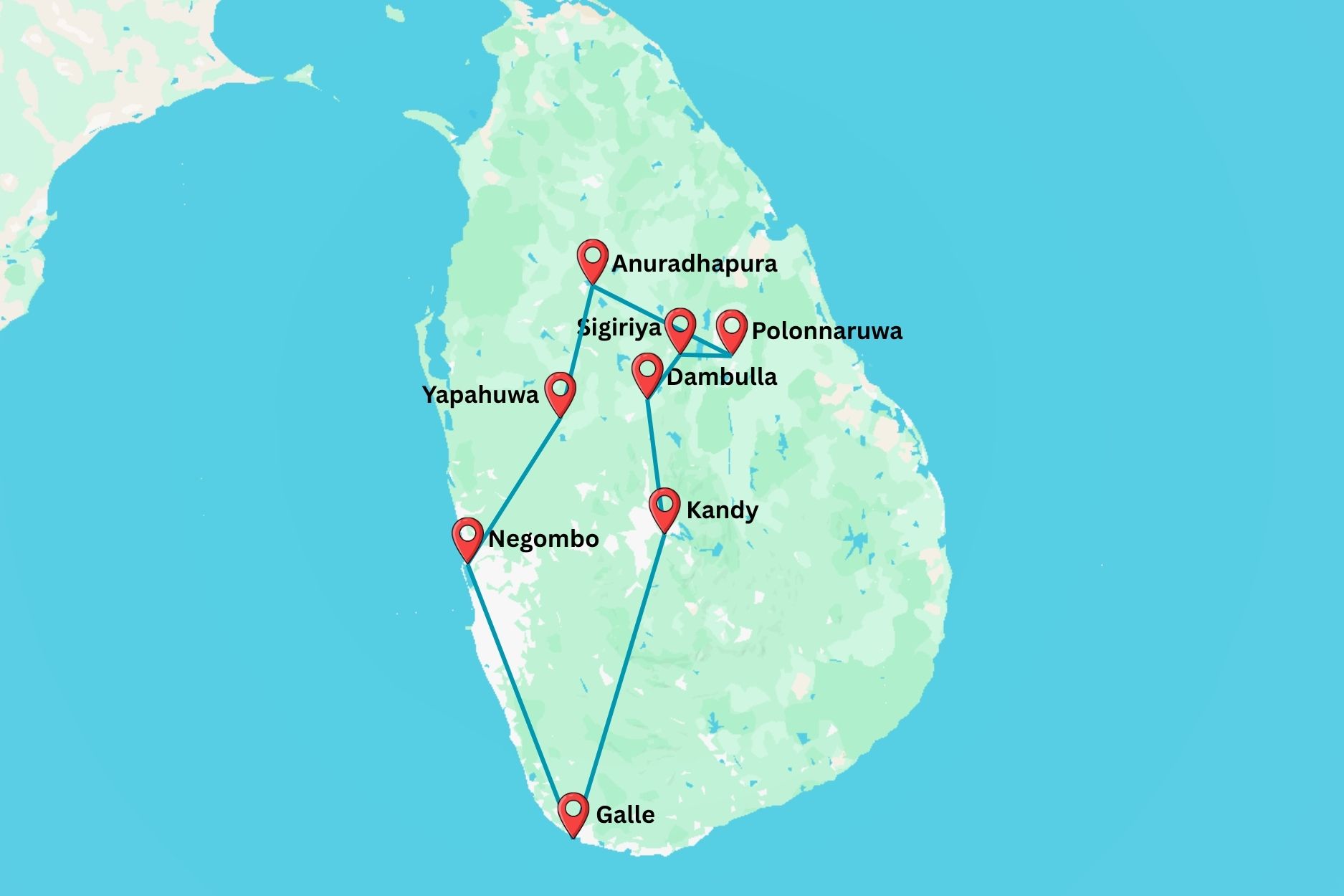
10 Day Historical Sri Lanka Itinerary - Map
10 Day Historical Sri Lanka Itinerary Overview
- Day 1 – Galle
- Day 2 – Galle
- Day 3 – Kandy
- Day 4 – Kandy
- Day 5 – Dambulla
- Day 6 – Sigiriya
- Day 7 – Sigiriya
- Day 8 – Anuradhapura
- Day 9 – Anuradhapura
- Day 10 – Yapahuwa and beyond
All international flights into Sri Lanka arrive at Negombo, just north of the capital of Colombo. While Colombo has its fair share of historical sites, they’re nothing compared to other parts of the country, so we’ll just be passing through the capital on this itinerary.
From Negombo/Colombo, you’ll take a scenic coastal train south to Galle, where you’ll get your first look at Sri Lanka’s Portuguese and Dutch colonial heritage.
Next, you’ll head inland to Kandy, the country’s cultural capital and home to some of its most important religious sites, including one of the most sacred places in Buddhism.
The second half of the itinerary focuses on Sri Lanka’s ancient heartland in the north-central region. Highlights include the cave temples of Dambulla Cave Temple and the iconic rock fortress of Sigiriya.
From Sigiriya, you’ll visit the ancient city of Polonnaruwa before continuing to Anuradhapura, the island’s original capital.
Before wrapping up, there’s one final stop at the Yapahuwa rock fortress before heading back toward Negombo.
Day 1 - 2: Galle
Welcome to Sri Lanka.
You’ll be flying into the country at 📍Negombo Airport, which is located just north of the capital, but we won’t be sticking around. To start off this 10 day Sri Lanka itinerary we’ll be exploring the island’s Dutch history at the fortress town of 📍Galle.
Negombo to Galle
The journey to Galle comes in 2 parts and should take about 4 hours.
The first step is to get from Negombo airport to Fort Railway Station in Colombo. There are multiple ways to get there including a bus, uber, or arranging a taxi at the airport, but I’d recommend catching a train from 📍Katunayake Railway Station which is located right next to the airport.
Once you reach 📍Fort Station, you’ll need to catch a different train to Galle. You can check the times on this website. They rarely run on time but there’s around 10 trains to Galle every day so you can just turn up and catch whichever is next.
You’ll arrive at 📍Galle Railway Station, which is conveniently located just opposite 📍Galle Fort – exactly where we want to be.
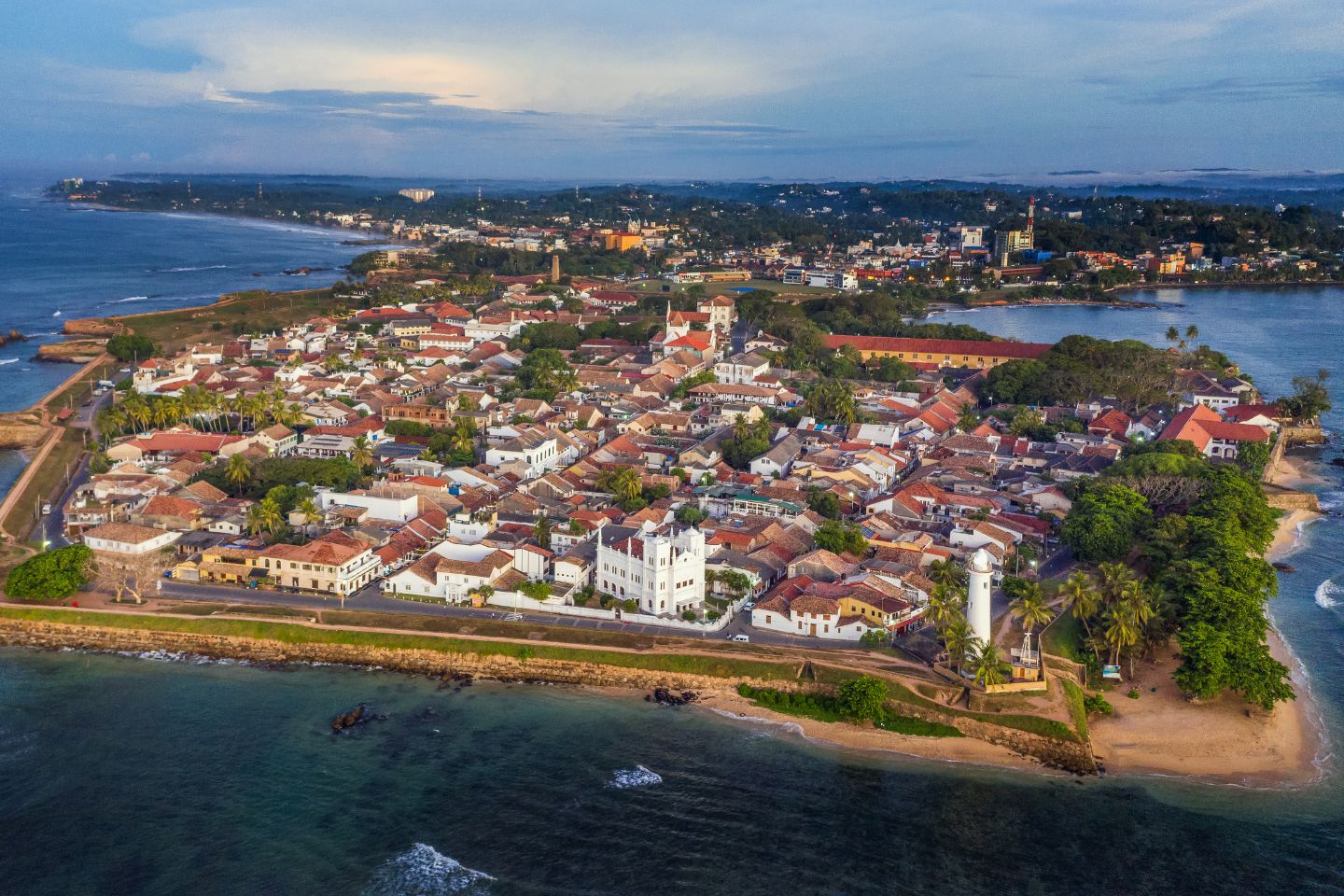
This fortified town is one of many built across Asia by the Portuguese during the 16th century. The fort was captured by the Dutch in 1640 which gives it the unique architectural style it still maintains today.
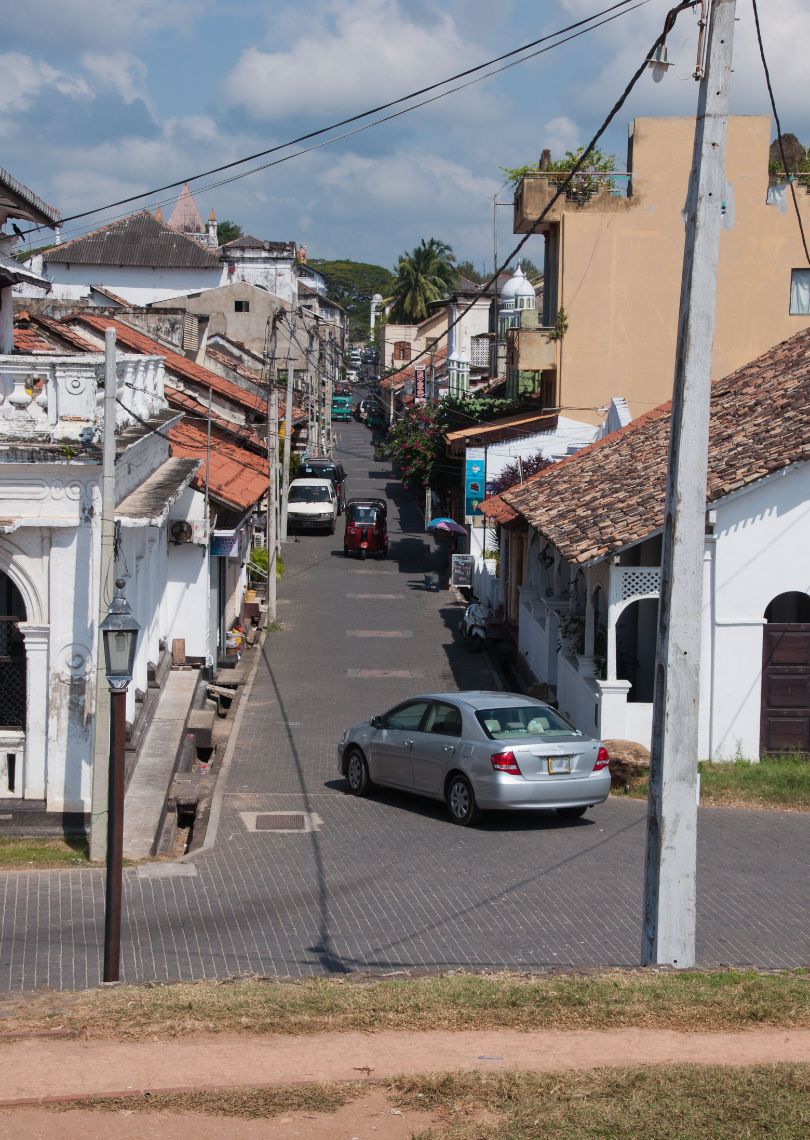
Depending on what time you flew in, you’ll likely arrive in Galle early or late in the afternoon, so we won’t try to fit in much sightseeing on this first day. I recommend using what time you have left in the day to walk around the interior of Galle Fort, exploring the narrow streets, perhaps dining at one of its many restaurants, and save the majority of the sightseeing for tomorrow.
Alternatively you could tick off some of the historical attractions from tomorrow’s itinerary, found below.
Unless you added an extra day to your itinerary to arrive, day 2 is our first & only full day in Galle, so its going to be jam-packed with things to see. Thankfully, everything is close together inside the fort, so it’s certainly possible to see all of the below in one day.
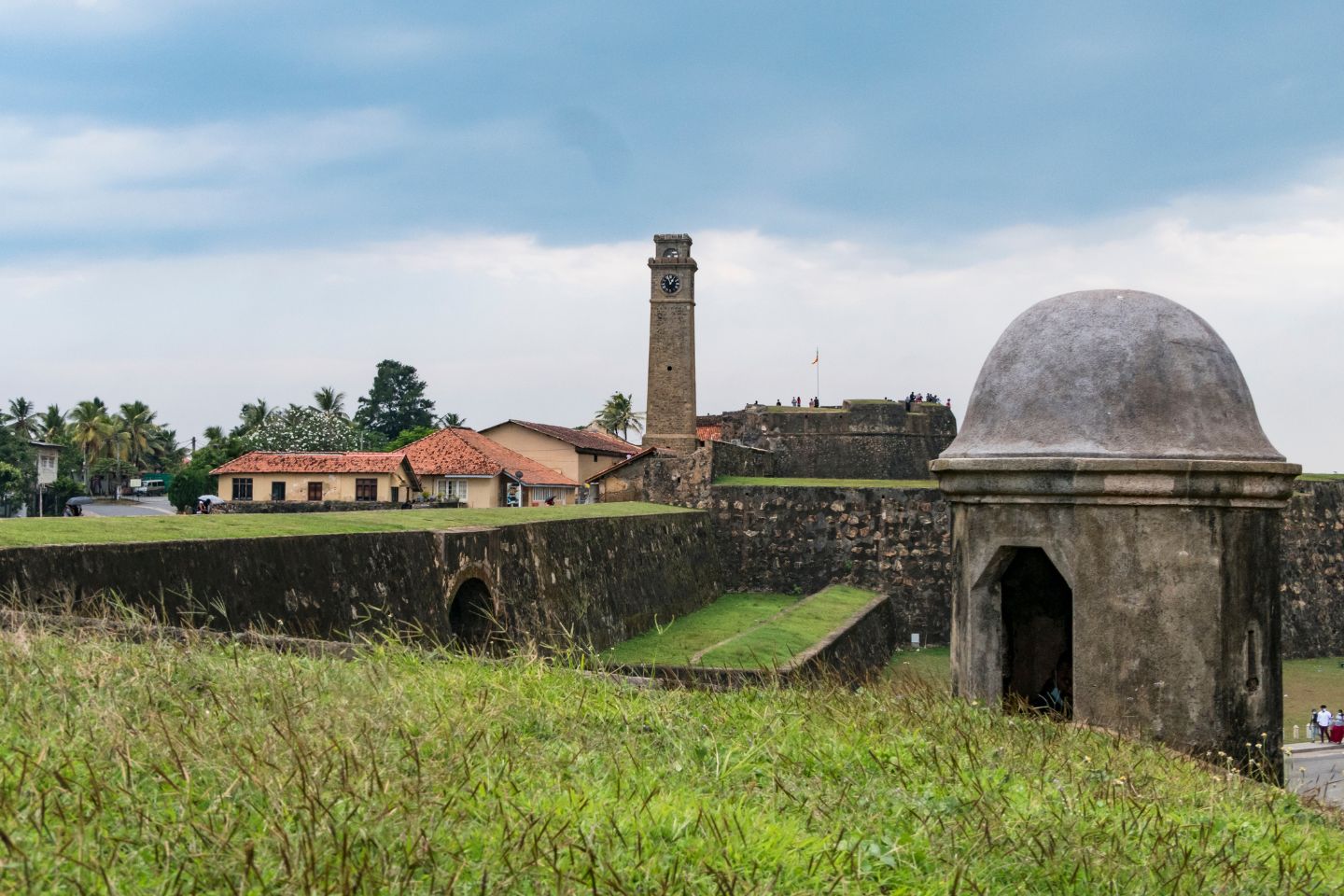
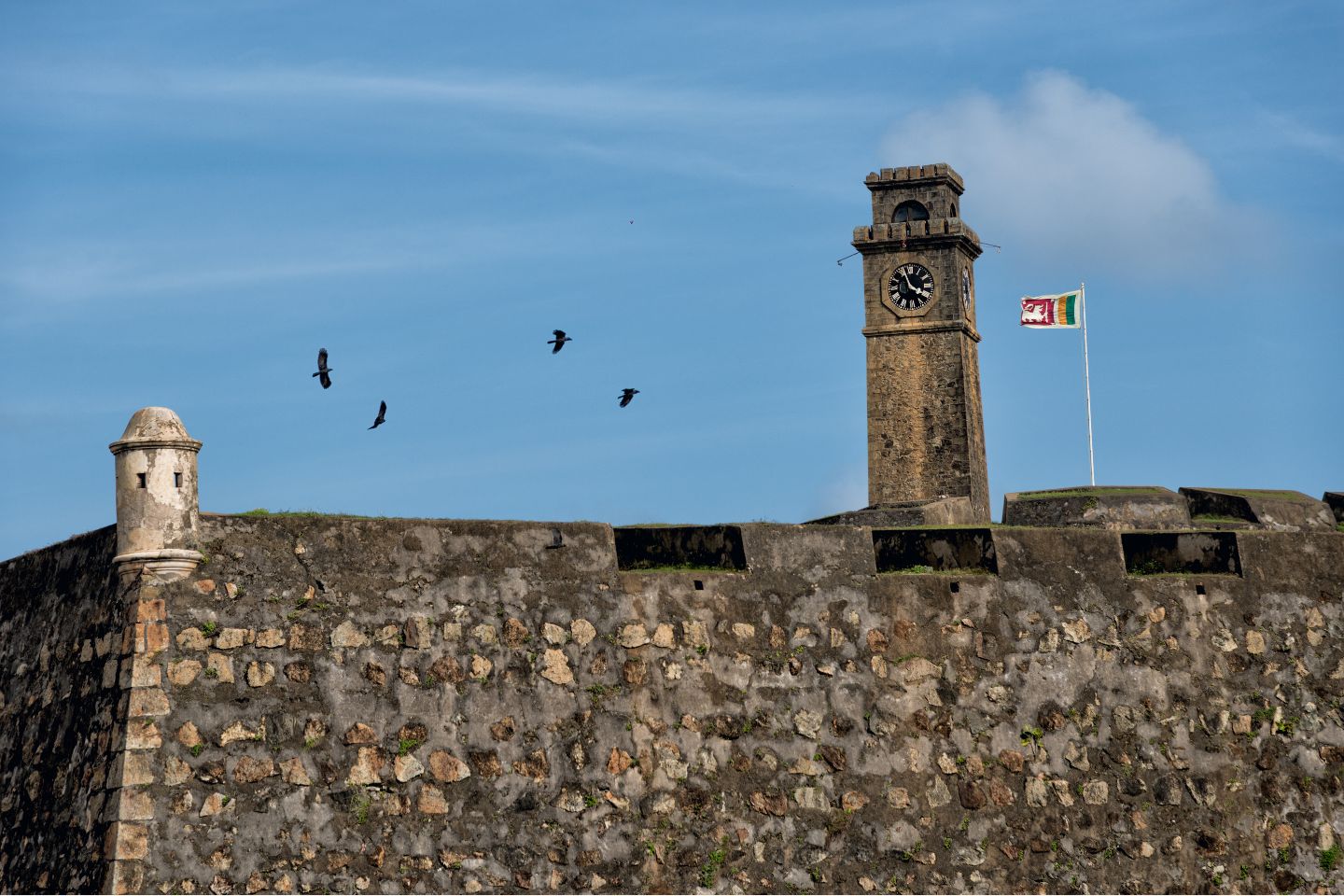
I recommend beginning at the 📍Moon Bastion, which comprises the fortifications around the fort’s entrance gate. Here you can explore the ramparts, which offer decent views over the town itself, and check out the 📍Galle Clock Tower which was built under British rule in 1883 – separate from the fortifications which were built by the Dutch.
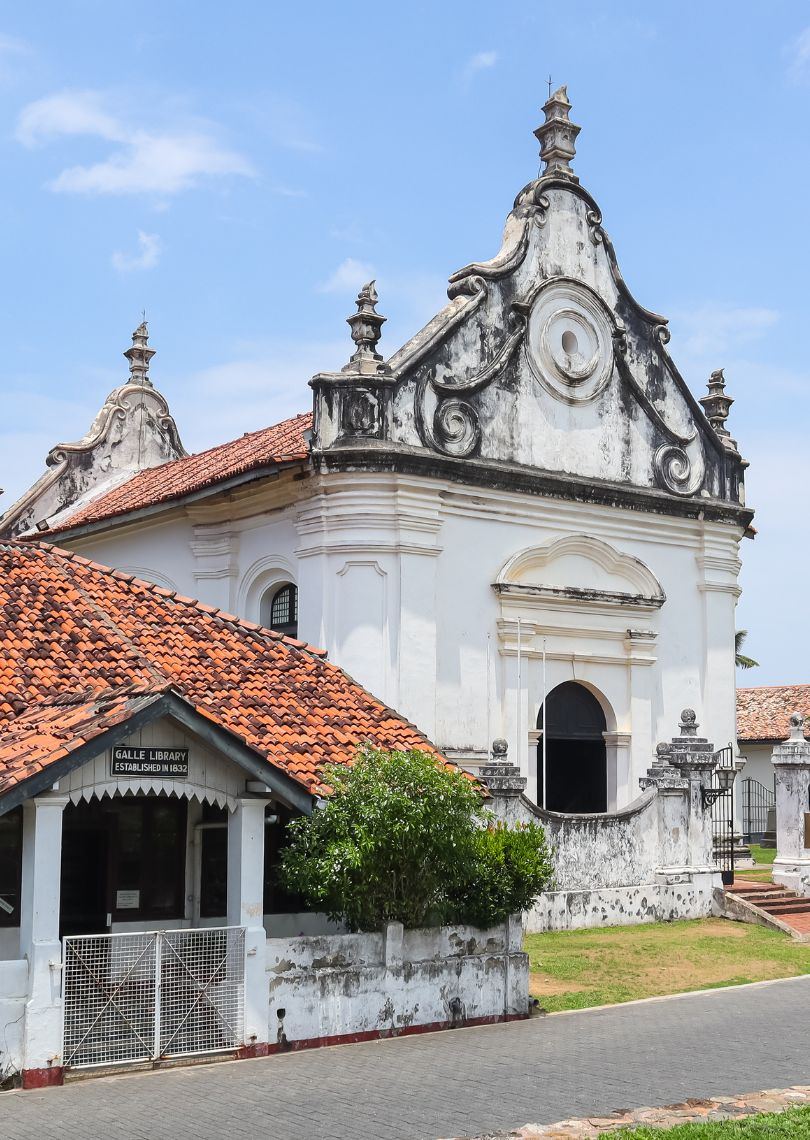
From here the most efficient way to go is clockwise around the edge of the fort, which will first take you past the old 📍Dutch Reformed Church – said to be the oldest church in Sri Lanka.
Just around the corner from the church you’ll find the 📍National Maritime Museum, located inside an old Dutch warehouse built in 1671. While its collection is supposedly not what it was before the 2004 tsunami, which destroyed most of it, you’ll still find an impressive collection of naval-related artefacts from Sri Lanka’s past.
Keep following the street past the museum and you’ll find yourself at the 📍Black Fort, the bastion which makes up the North-East corner of the fort.
As you make your way towards the lighthouse you’ll pass by the old 📍Dutch Hospital building, one of the most historic buildings in Galle. It was among the first buildings the Dutch built here during the 17th century, before being turned into a barracks and government building for the British. These days it serves as a shopping and dining precinct, but it’s still interesting to check out.
One street over from the Dutch Hospital you’ll find the 📍Historical Mansion Museum, which houses an extensive collection of small artefacts from Sri Lanka’s colonial era, such as weapons, pottery, old electronics and more.
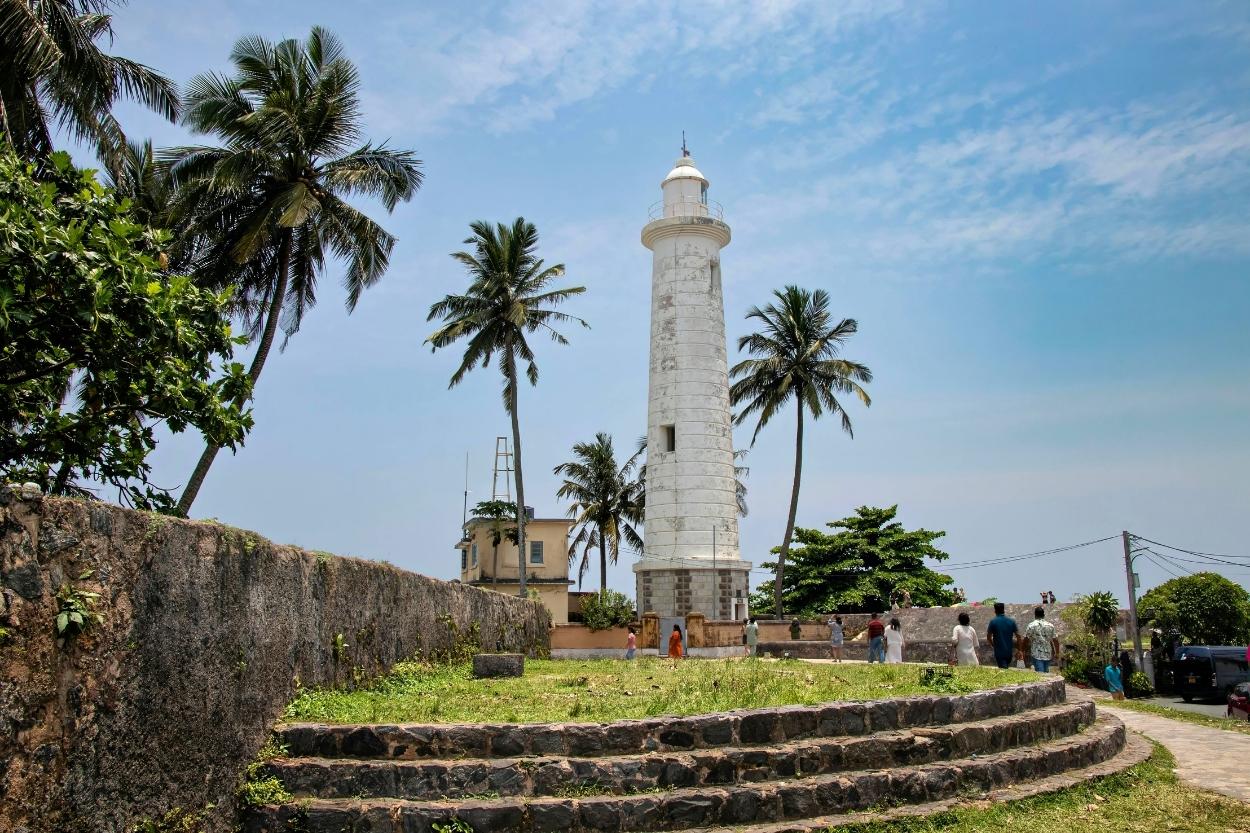
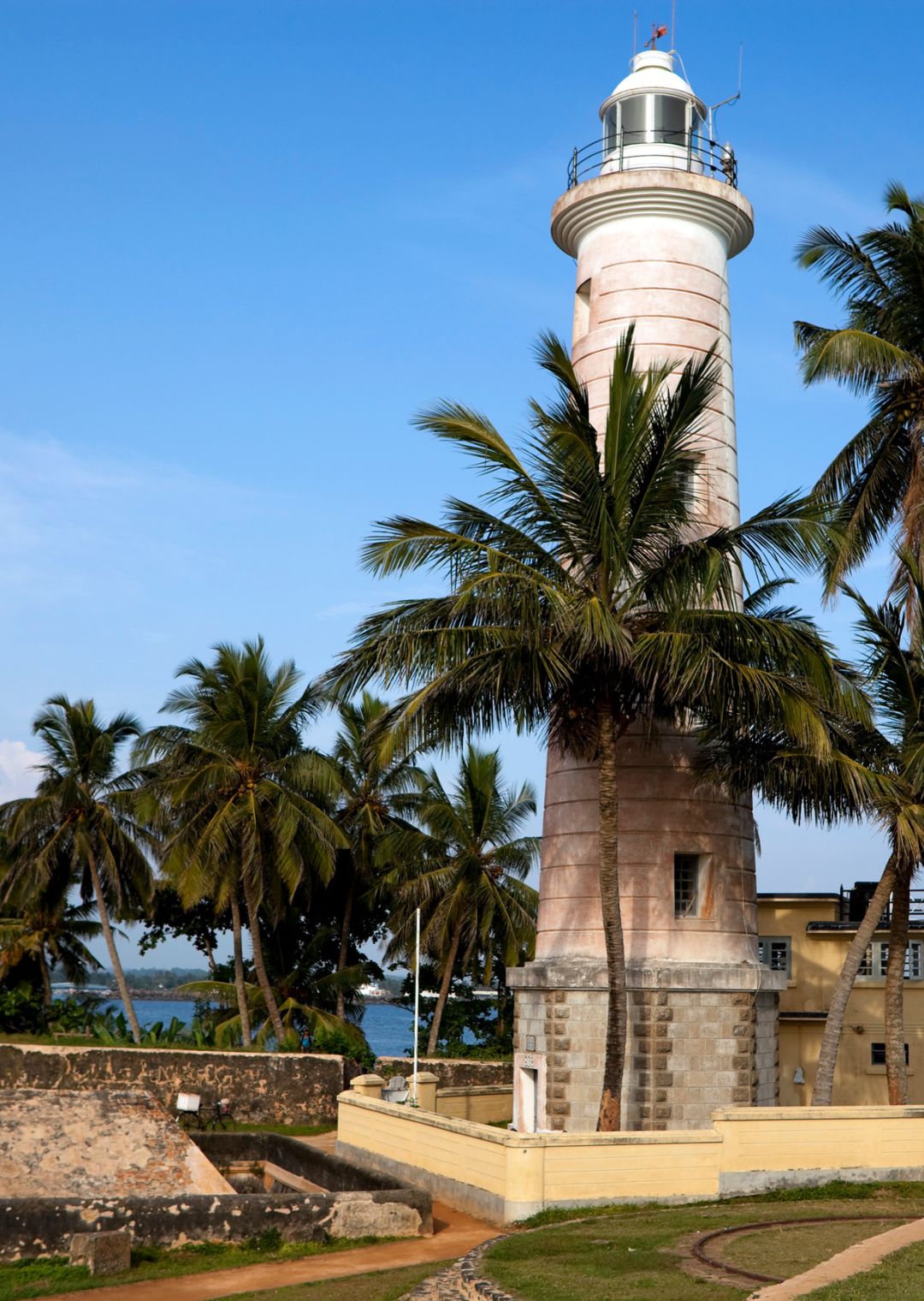
Continue down the street and you’ll find yourself at 📍Galle Lighthouse. The most popular tourist attraction in Galle, the original lighthouse was built here by the British in 1848, but was destroyed in a fire. The one you see today was built in 1939.
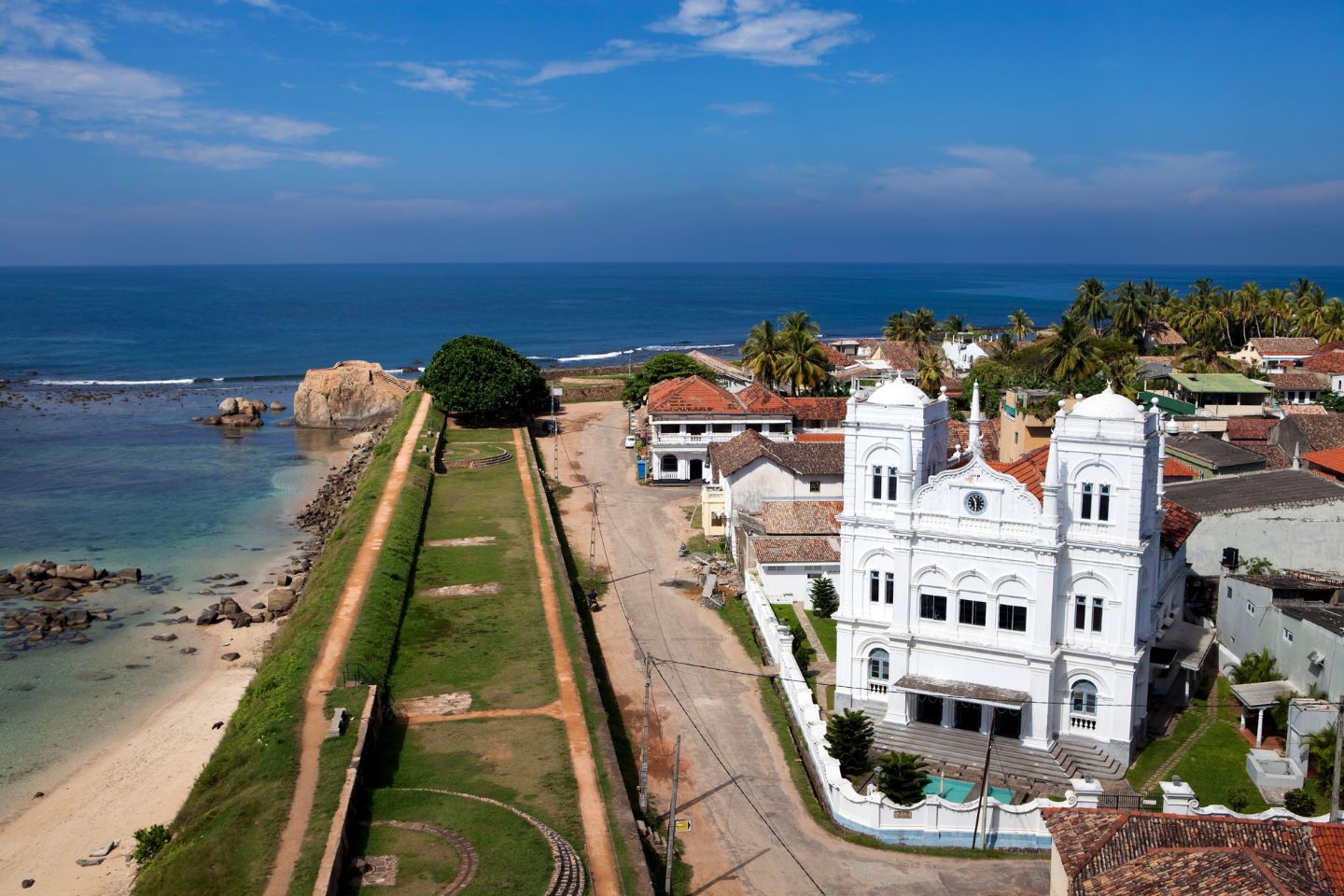
Just west of the lighthouse you’ll spot what appears to be another Catholic church, but this is actually 📍Meeran Mosque, built in 1904. Why the mosque is built in the style of a church is unclear, but it makes for a unique mix of architecture. Men are allowed to enter, but ladies I’m afraid you won’t be permitted.
By the end of the day, I recommend making your way to 📍Flagrock Bastion to watch an unforgettable sunset. If this area is too crowded, you could continue along to the western area of the fort wall, which is far more open with plenty of space.
Day 3 - 4: Kandy
Today we’ll be moving on to 📍Kandy.
Today the city of Kandy is known as Sri Lanka’s ‘cultural capital’ but for centuries it served as the actual capital. For a long time, the so-called ‘Kingdom of Kandy’ ruled over all parts of Sri Lanka not controlled by the Dutch, which meant any land that wasn’t near the coast. But its time came to an end when the British took over the whole island in the early 19th century.
You’ve got the option of either spending the morning in Galle, perhaps exploring more of the fort or relaxing at one of the many nearby beaches, before spending the afternoon on the train. Alternatively, you can leave Galle in the morning and have an extra afternoon in Kandy. Choice is yours.
Galle to Kandy
I recommend making the journey from Galle to Kandy by train, because the route through the central highlands is highly touted as one of the most scenic train rides in the world.
You’ll need to do this in 2 parts. First, you’ll need to catch a train from Galle back to Fort Station in Colombo. From here you’ll switch trains to Kandy (any train headed to Badulla).
This should take around 5 to 6 hours, depending on how long you have to wait for a train at Fort Station.
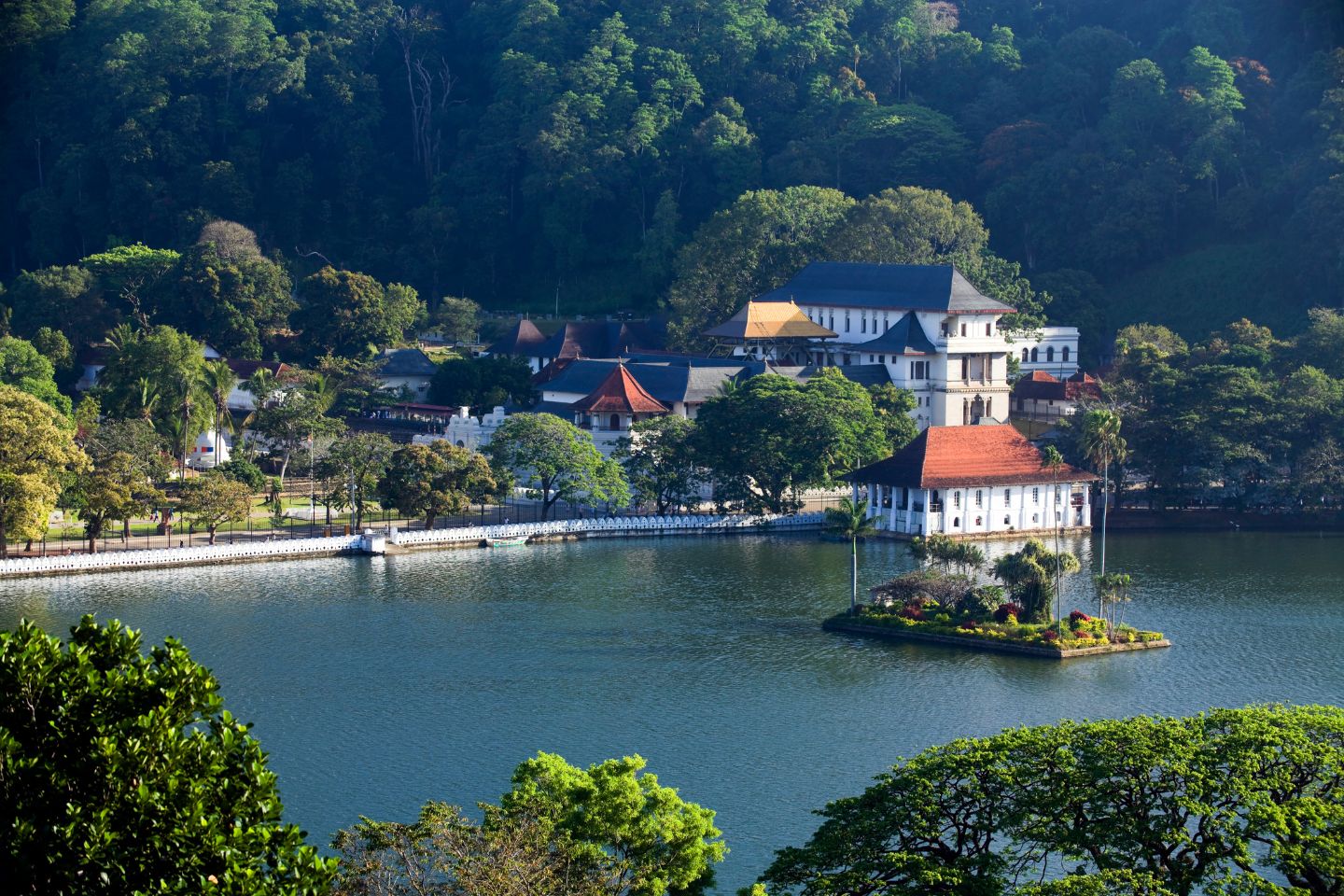
If you chose to leave Galle in the morning and have the afternoon in Kandy, I recommend using this time to explore the downtown area and get your bearings. Consider going for a stroll around 📍Kandy Lake, a man-made lake built in 1807 and one of the most scenic places in town. Along the lake you can explore the 📍Ulpange (the ‘Queen’s Bathing Pavilion’), a building which historically was a part of the nearby Royal Palace but is now open to the public for free.
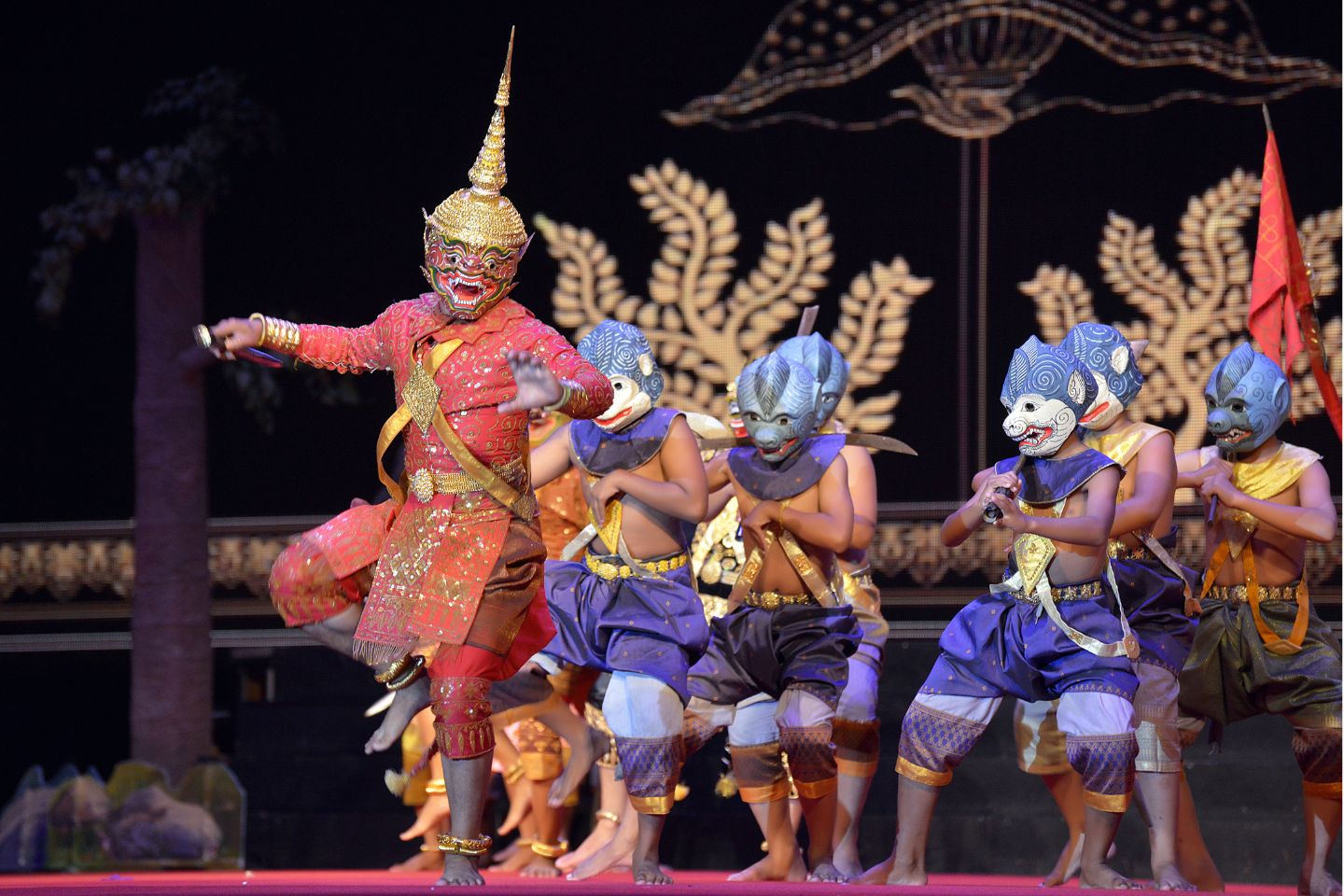
You might also be just in time to see the daily Cultural Show, a performance which showcases the city’s cultural heritage. It takes place every evening at the Kandyan Cultural Centre.
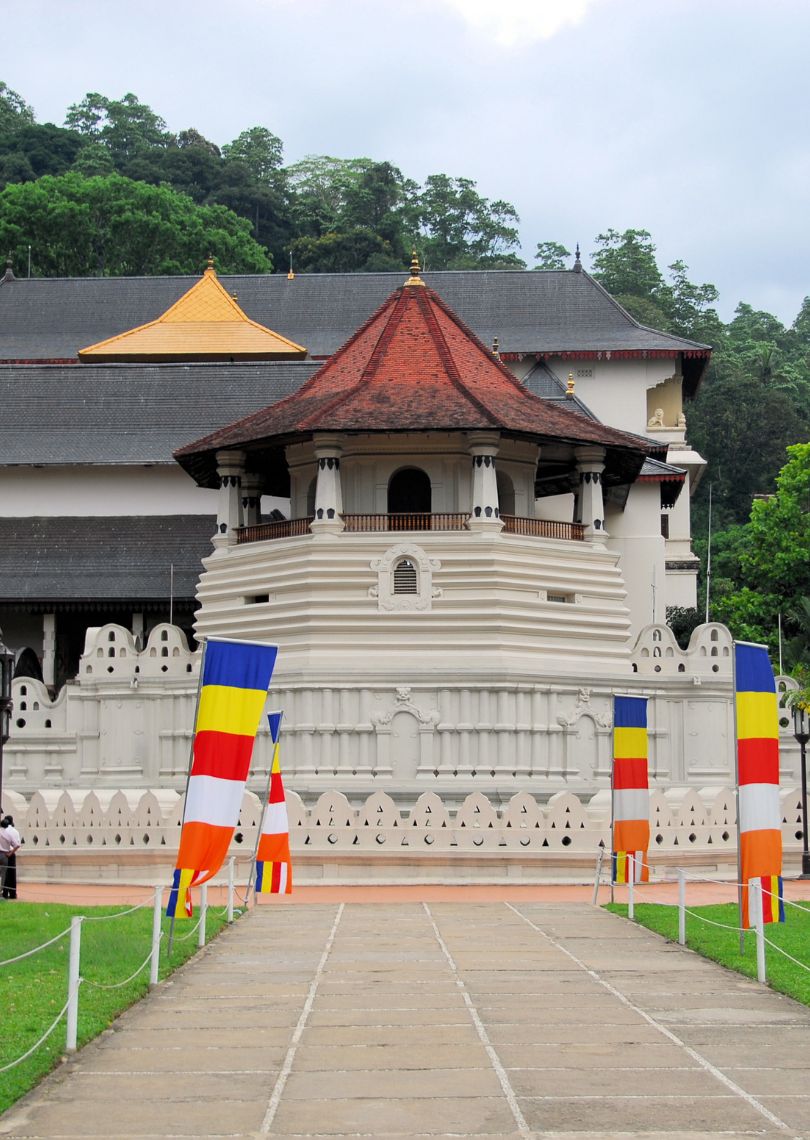
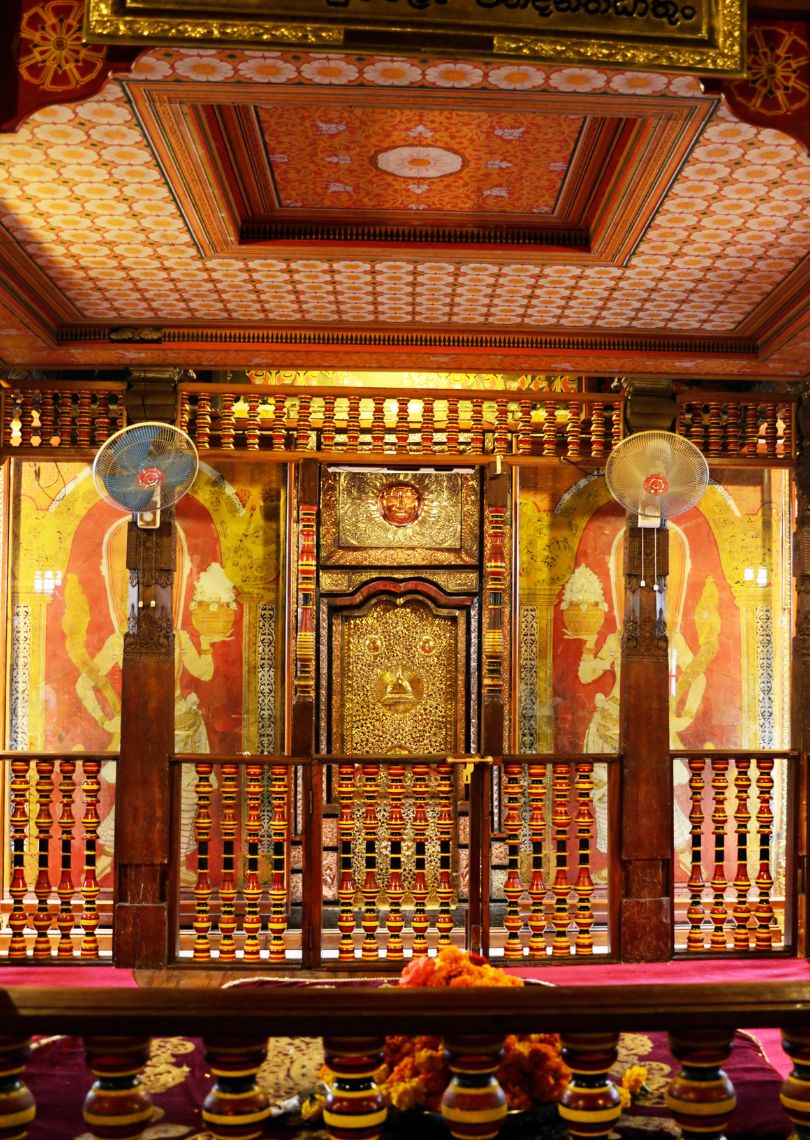
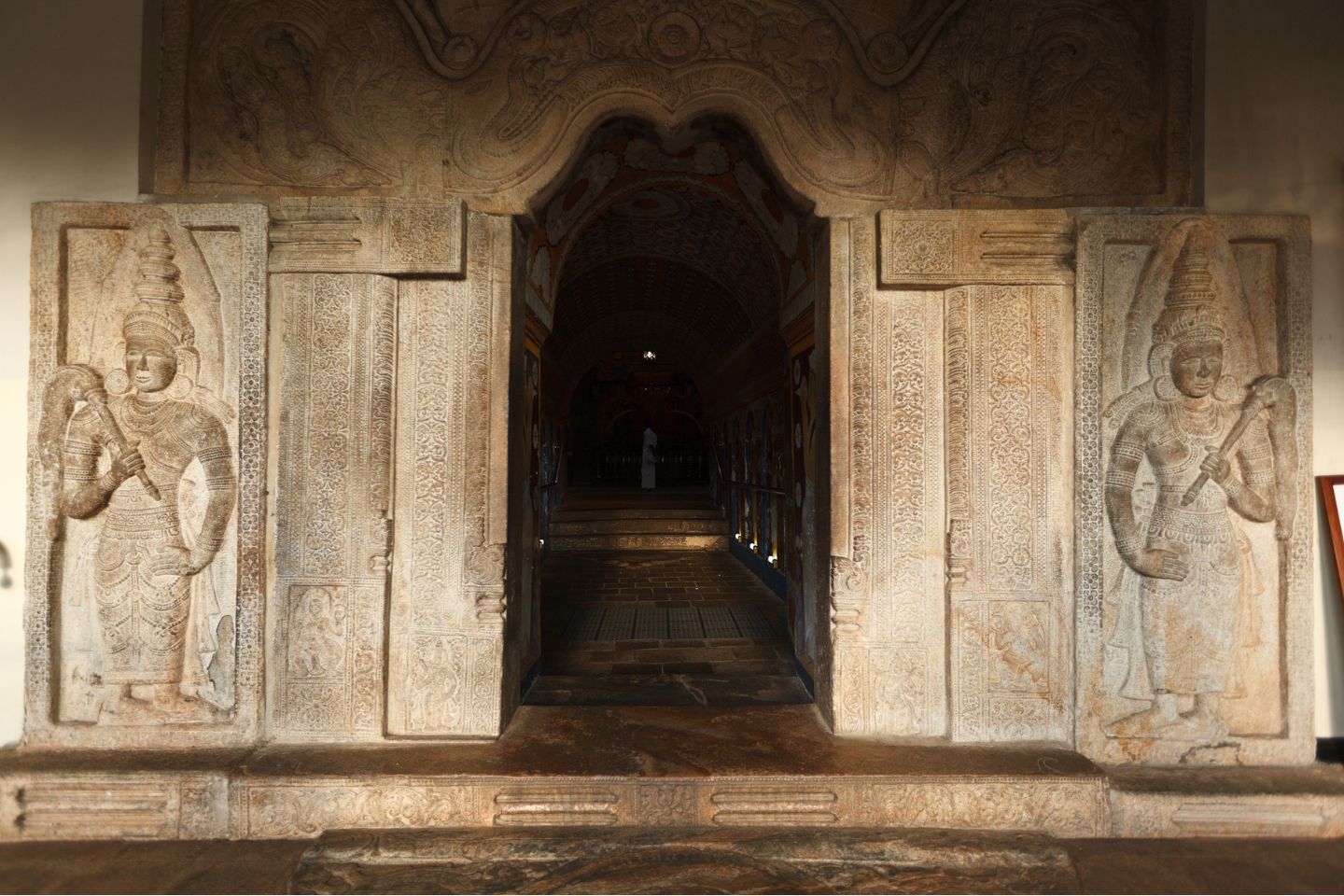
To start off your 2nd (and first full) day in Kandy there’s no better place than the 📍Temple of the Tooth. Located in the centre of town by the lake, this is Kandy’s star attraction and houses the ‘relic of the Tooth of the Buddha’.
It’s hard to explain just how important this relic is in Sri Lanka’s history. It’s shaped the island’s political history for thousands of years. In essence, it was believed that whoever possessed the relic held the right to rule the country.
There are many ‘tooth temples’ across the island, with others at Polonnaruwa, Anuradhapura and Yapahuwa, so this won’t be the last you’ll see in this 10 day Sri Lanka itinerary, but it’s by far the most popular and revered.
Next door to the Temple of the Tooth you can visit the 📍Royal Palace, known as Magul Maduwa. Built in the traditional Kandyan architectural style, the oldest parts of the palace were built in the 16th century and it remained the official residence of the Sri Lankan monarchs until the early 19th century.
Close by the Royal Palace you’ll also find the 📍Kandy National Museum. It’s only a small museum, but it has an extensive collection of Sri Lankan artefacts from the Kingdom of Kandy, and is a great way to learn more about the island’s history over the previous few centuries.
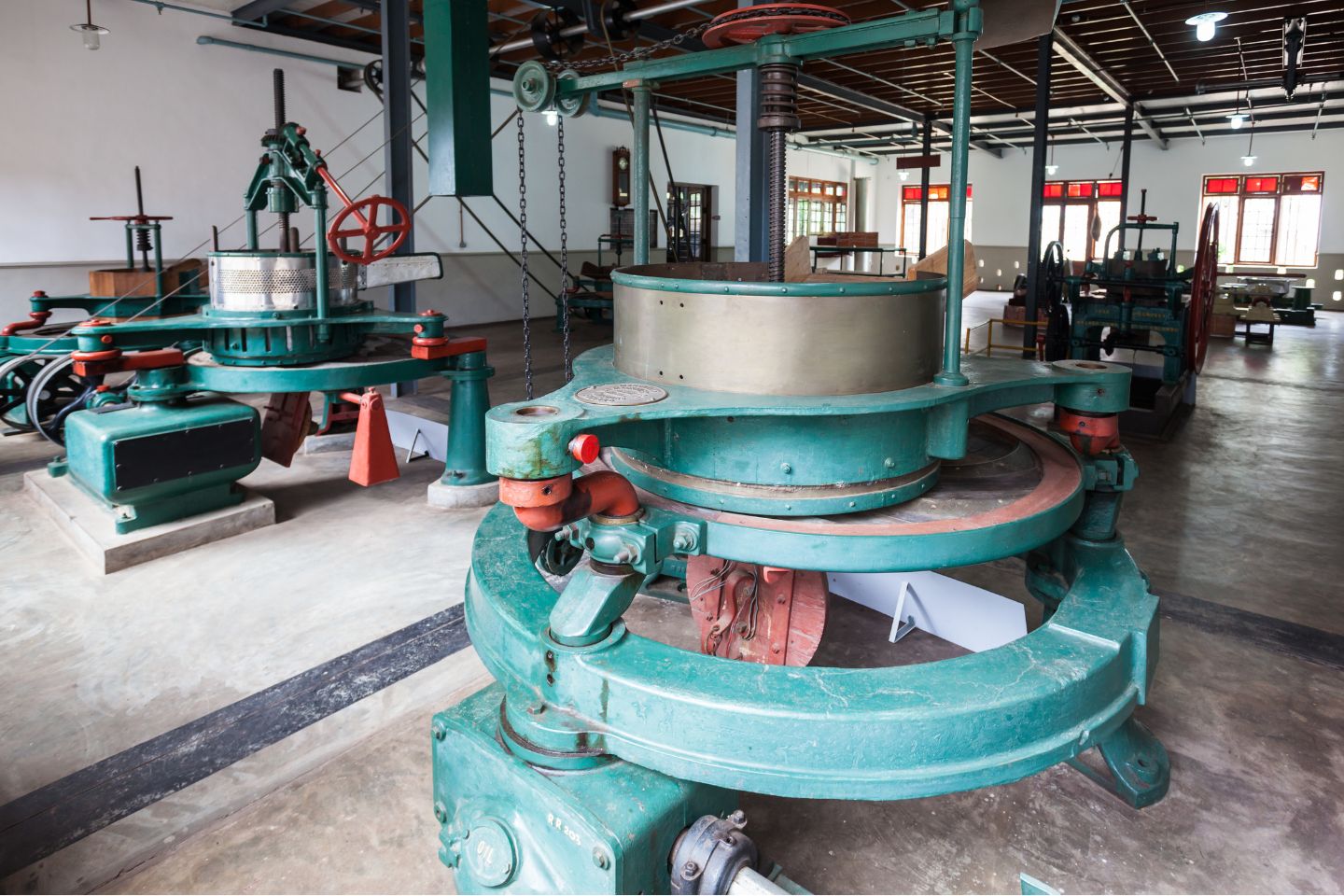
If you’re interested in learning about a whole different side to Sri Lanka’s history, consider spending your afternoon in the rolling hills just outside the city and visiting the 📍Ceylon Tea Museum. You might not think much of a ‘tea museum’ but considering the major role tea cultivation played in Sri Lanka’s modern history, it’s more significant than it sounds.
Day 5: Dambulla
We now head down from the Central Highlands and into the historically rich plains of the North Central region of Sri Lanka.
We’re headed for the popular hilltop fortress of Sigiriya, but along the way we’re going to stop at the Cave Temples of 📍Dambulla.
Kandy to Dambulla
The journey from Kandy to Dambulla only takes about 2 hours via bus. You can catch a bus to Dambulla from the Good Shed bus station, which is located next to the train station you arrived at.
Once you arrive in Dambulla you should have no issue finding a tuk tuk driver at the bus station to take you to the Cave Temple.
The town of Dambulla is itself not too interesting, but it’s home to more than one significant historical site, which makes it a popular stopover for tourists on their way elsewhere.
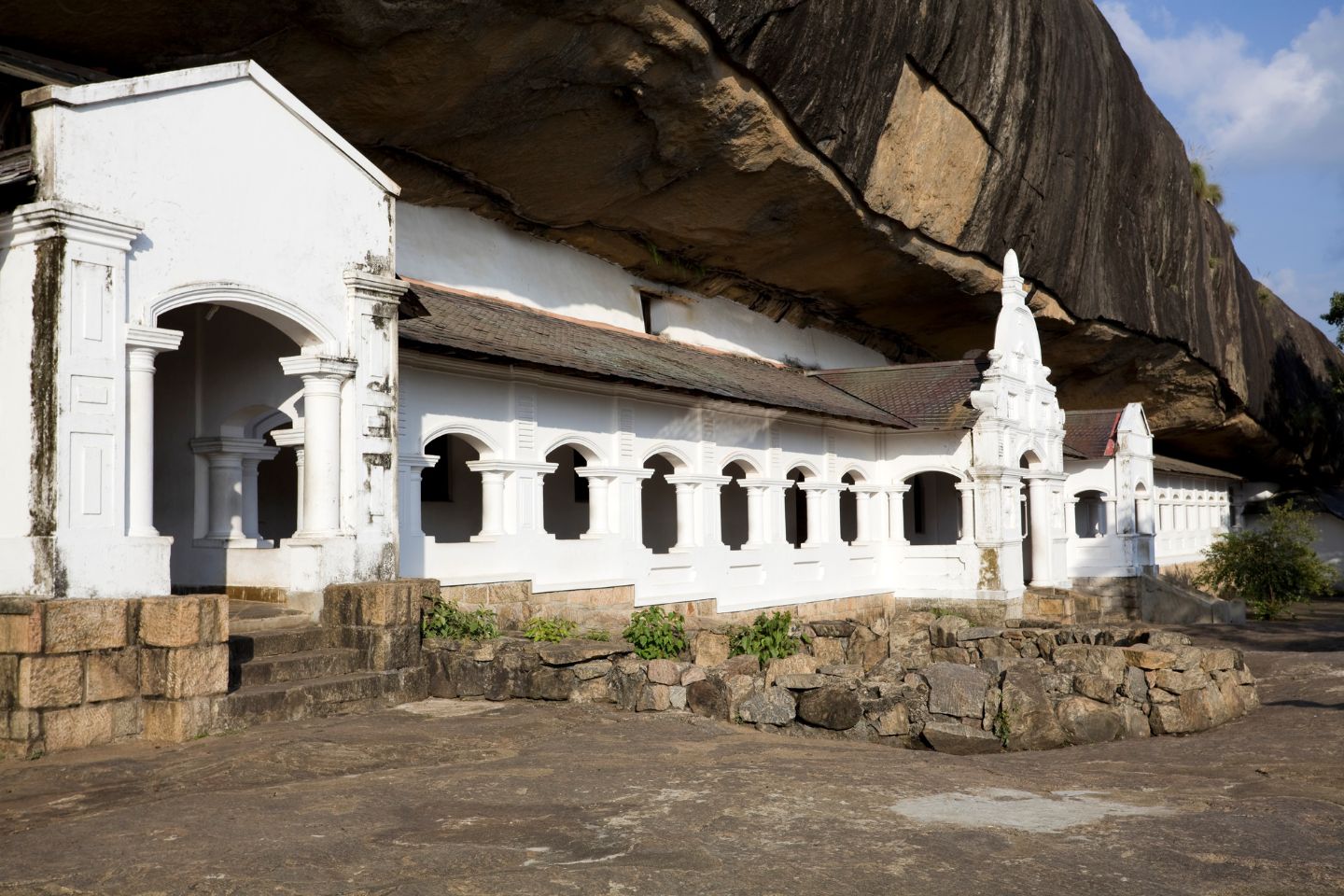
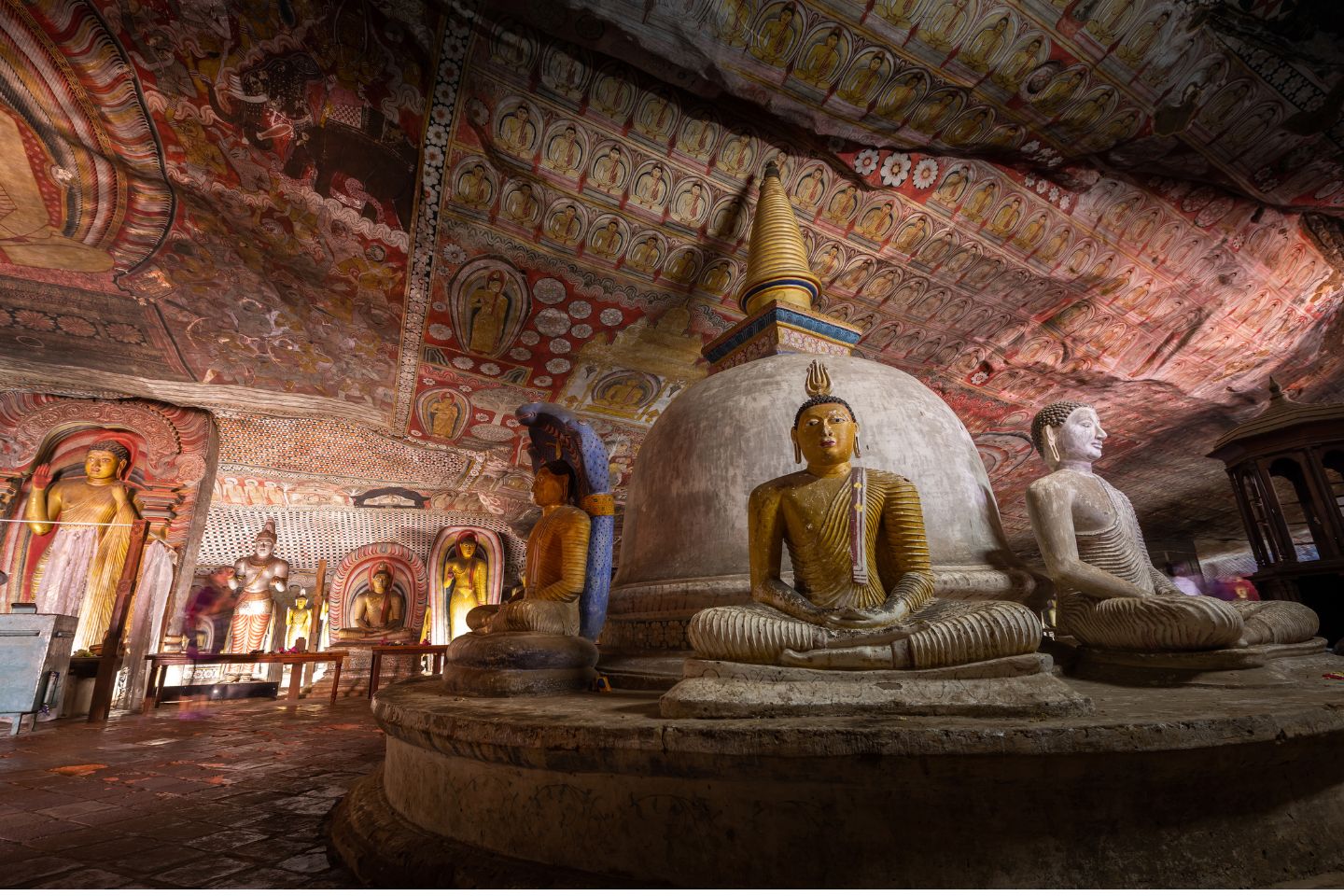
The star attraction here is the 📍Dambulla Cave Temple. As the story goes, the cave traces its origin back to the 1st century when the king of Anuradhapura was exiled. He found refuge in this cave with the local Buddhist monks and after regaining his throne, to show his appreciation, had this amazing temple built at the site.
Inside the cave you’ll find many incredible statues, carvings and murals, which have been repainted throughout the centuries so they haven’t lost their original splendour.
For an added bonus while in Dambulla, catch a tuk tuk and head a few kms south of town to see one of the oldest sites in Sri Lanka: the Ibbankatuwa Megalithic Tombs. These ruins date back to at least 700 BCE, making it among the oldest historical sites in Sri Lanka.
It’s worth noting that the site isn’t much to look at. To some it will seem little more than a pile of rocks on the ground, but if you’re a hardcore history buff then its worth a quick visit.
After you’re finished in Dambulla, its only a 30min drive to Sigiriya. There are buses, but for a short trip like this I recommend getting an Uber.
Day 6 - 7: Sigiriya
Welcome to 📍Sigiriya.
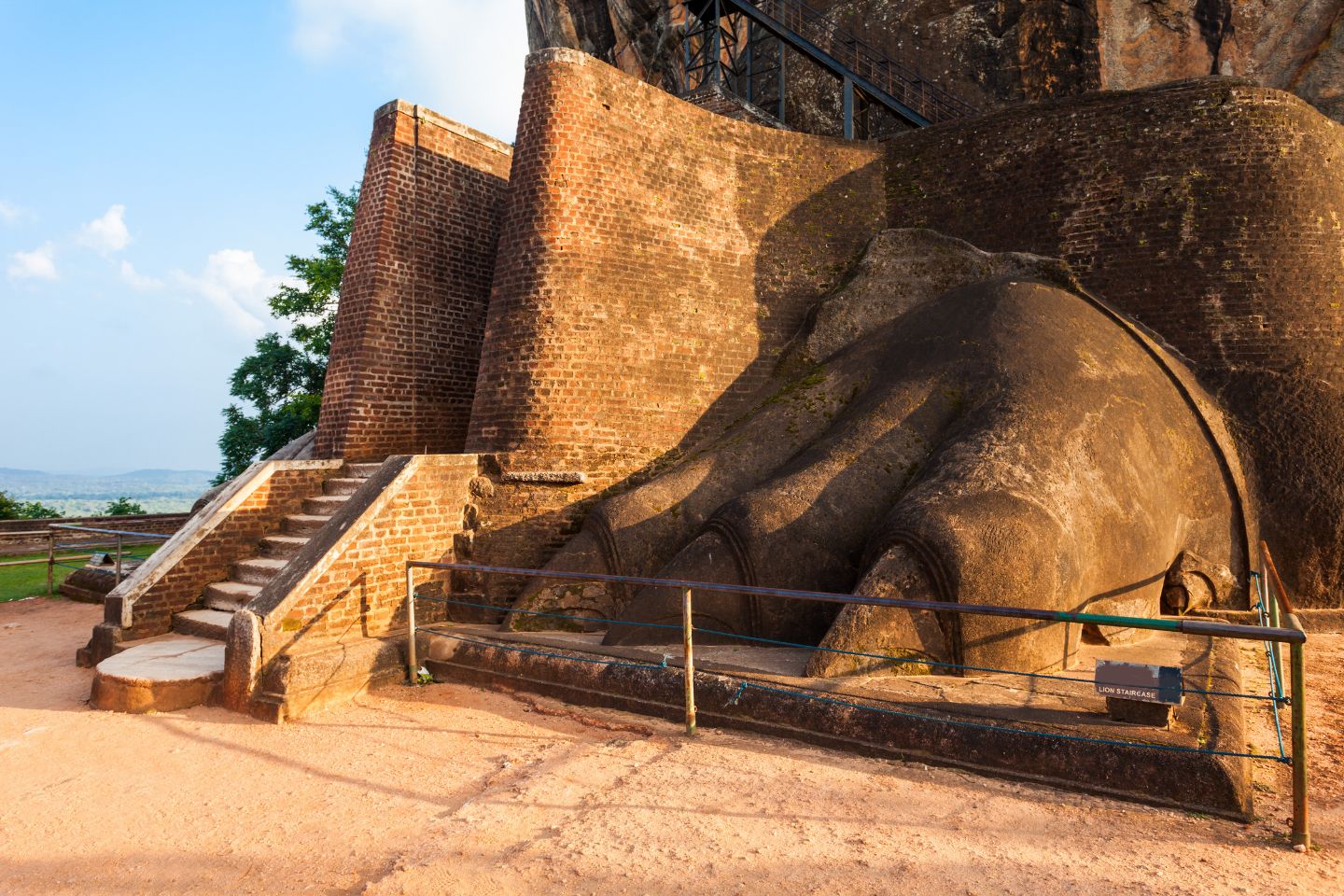
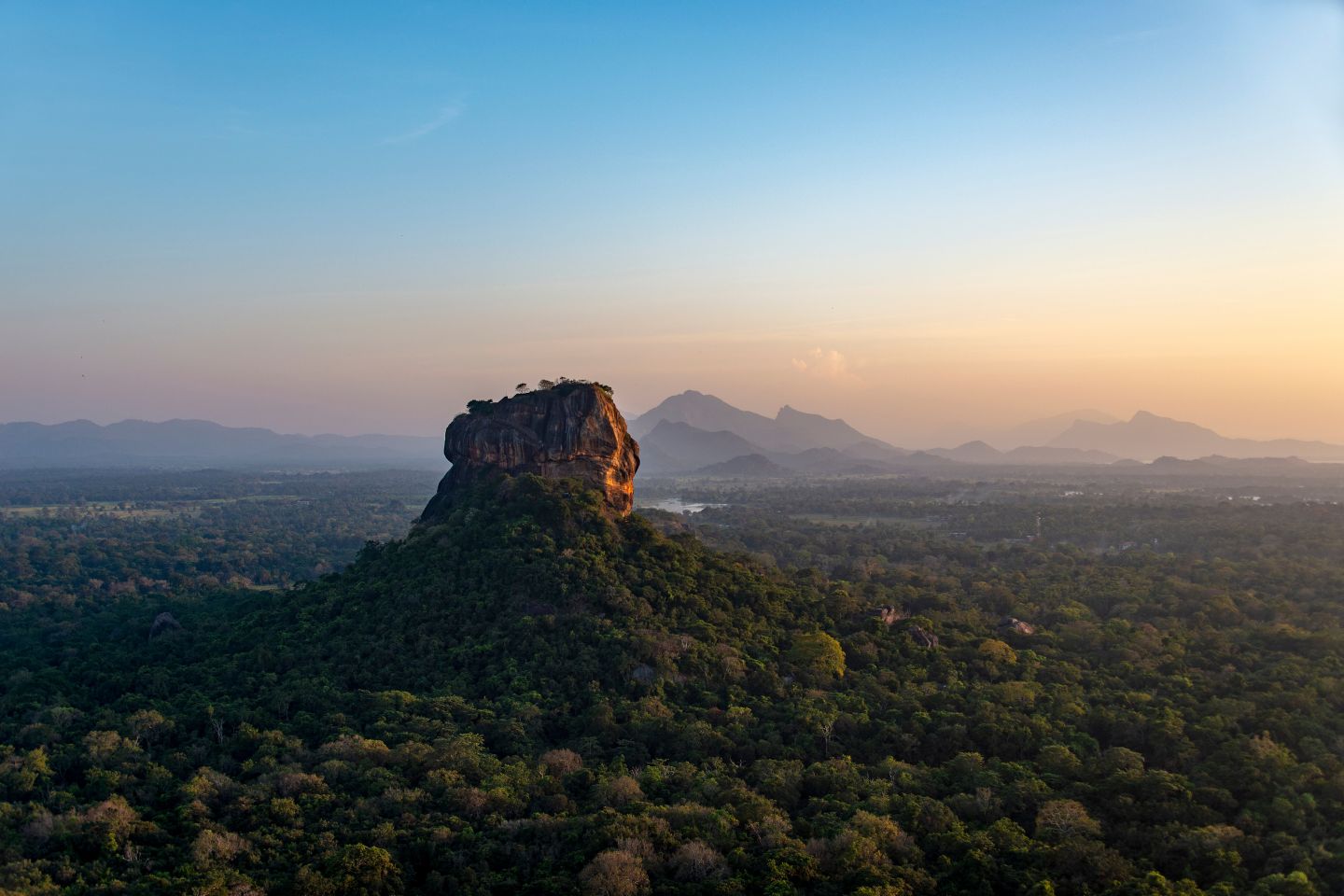
This small town is one of the most popular destinations for tourists in Sri Lanka. In addition to seeing the wild elephants that freely roam the surrounding jungle, what draws people here is Lion Rock, a 1500-year-old ancient fortress built atop a 200 metre tall rock.
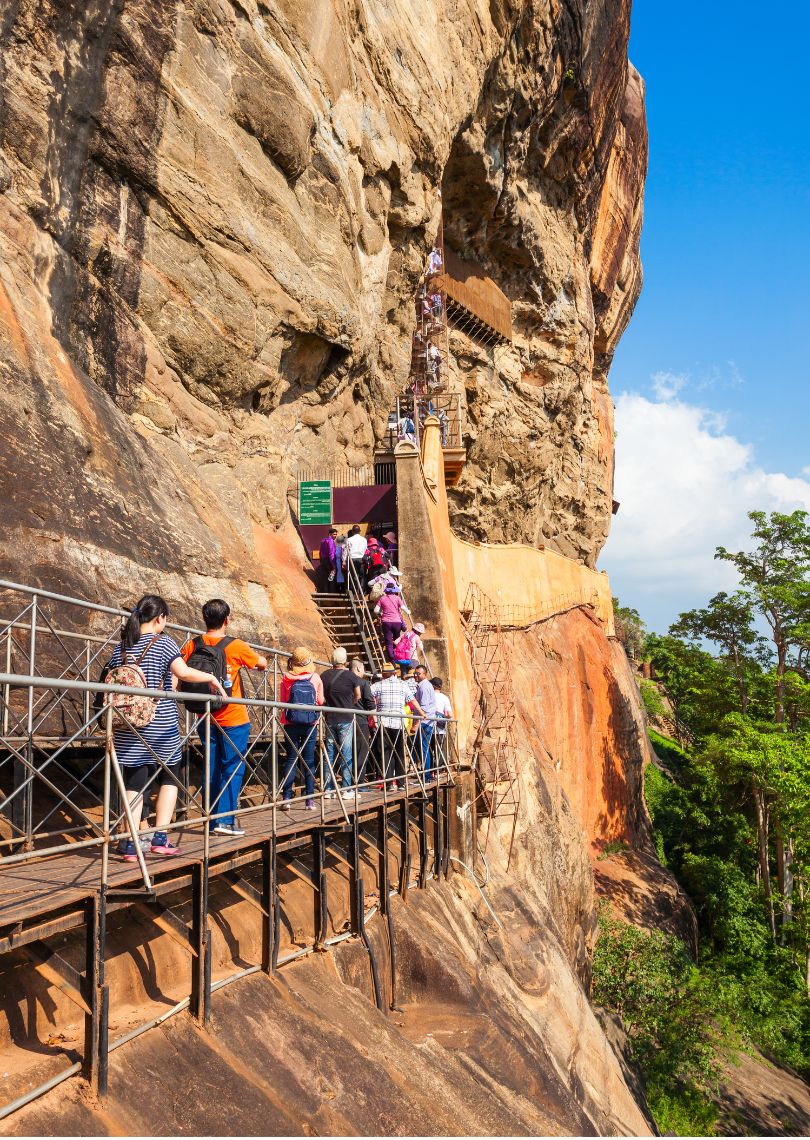
There’s no better way to start your first day in Sigiriya than to visit 📍Lion Rock, the star attraction. The entry fee to this UNESCO World Heritage Site may seem a little steep by Sri Lankan standards, but it’s worth every cent.
Before you enter the site you can first visit the 📍Sigiriya Archeological Museum to learn more about what you’re about to see. It’s a rather basic museum, but still very informative.
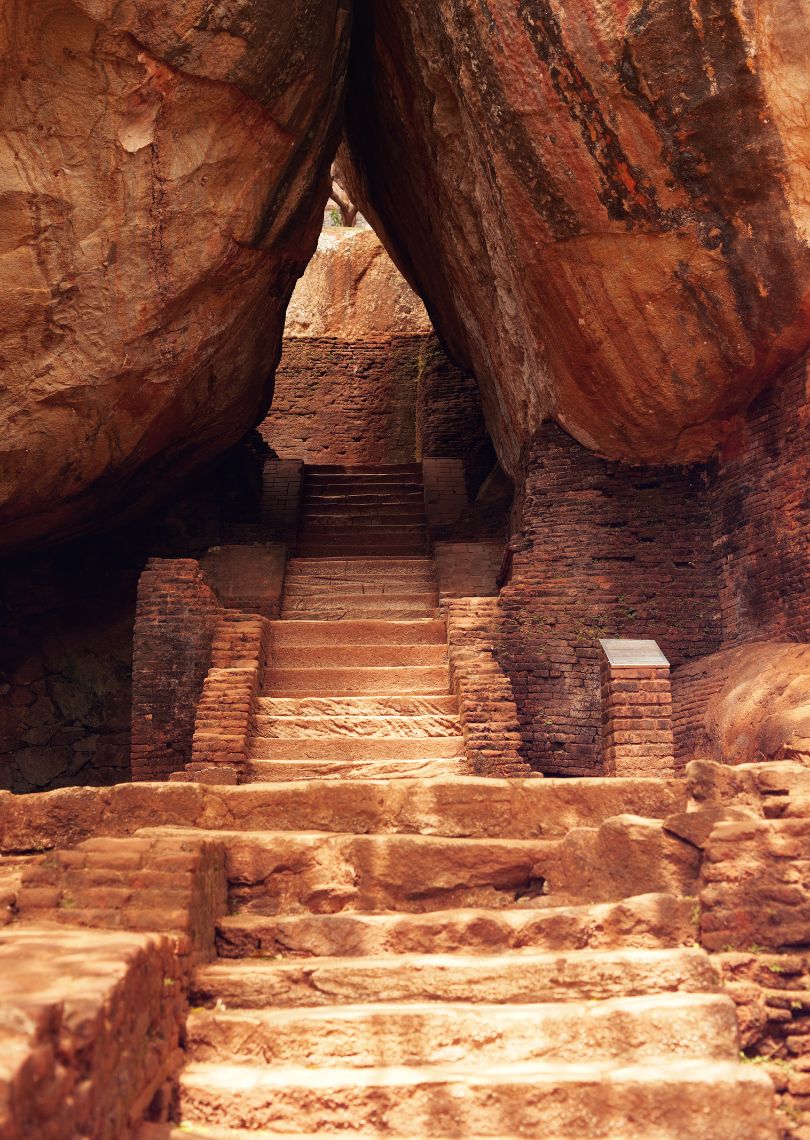
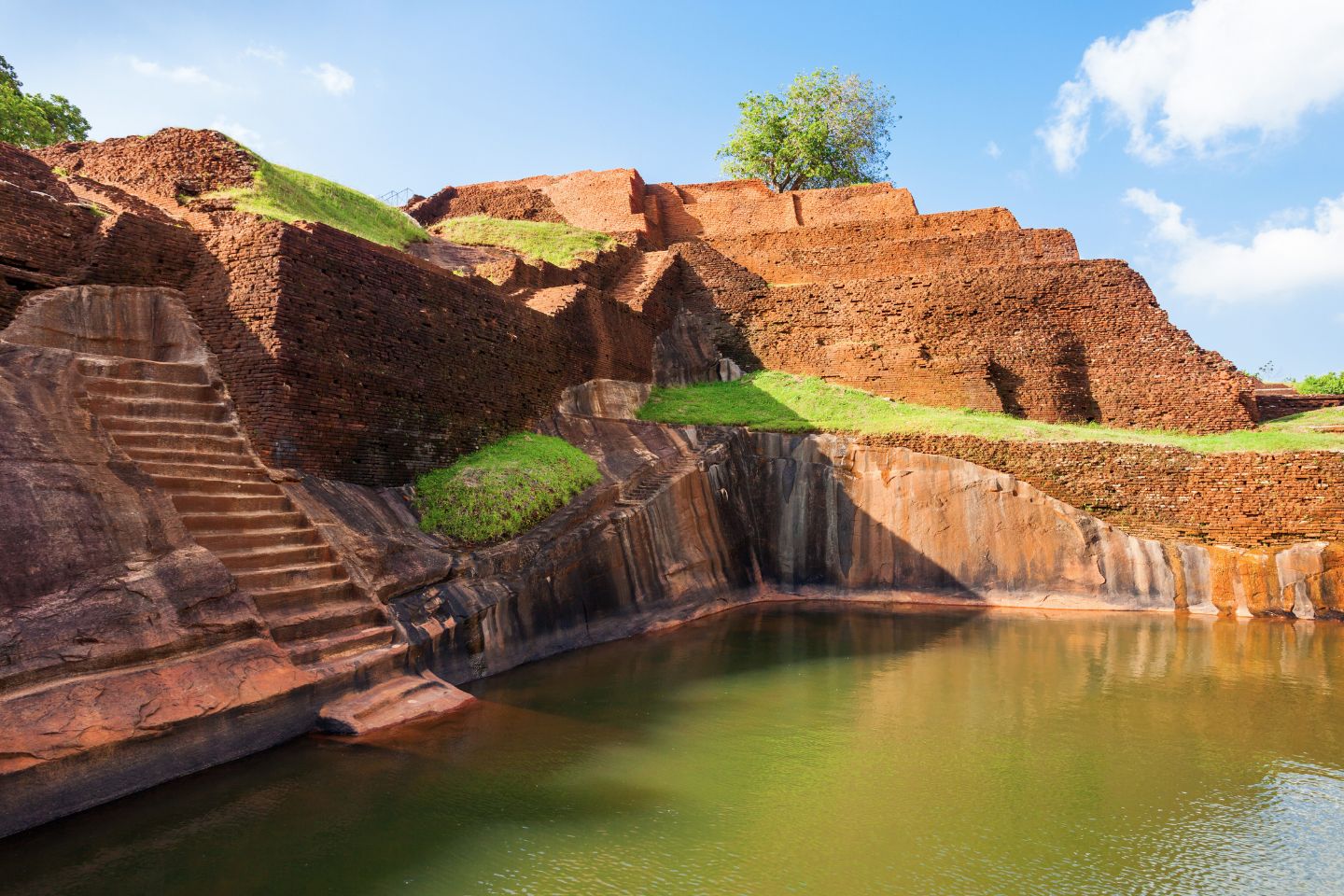
After walking through the gardens at the base of the rock, you’ll climb the long staircase to the top, passing by incredible sculptures and murals along the way. At the top you’ll get to explore what remains of the royal palace that once stood here.
Between visiting Lion Rock, and our next activity (watching the sunset over the rock), consider another of Sigiriya’s most popular activities and go on an elephant safari, where you’ll get to see them up close in their natural habitat.
Just make sure you leave enough time before sunset to climb 📍Pidurangala. Also called ‘sunset rock’, Pidurangala is another large rock located near the ancient fortress. It’s a bit of a challenging hike to the top, requiring a bit of rock climbing ( nothing too dangerous). Along the way you’ll pass an old buddhist temple and at the top you’ll be rewarded with an amazing view over Sigiriya and Lion Rock – no better place to watch the sunset.
For our 2nd day at Sigiryia we’re going on a daytrip to the ancient city of 📍Polonnaruwa.
Located about a 90 min drive from Sigiriya, there are multiple ways to reach Polonnaruwa, such as catching a bus, hiring a tuk tuk driver for the day, or renting a scooter and driving there on your own (highly recommended).
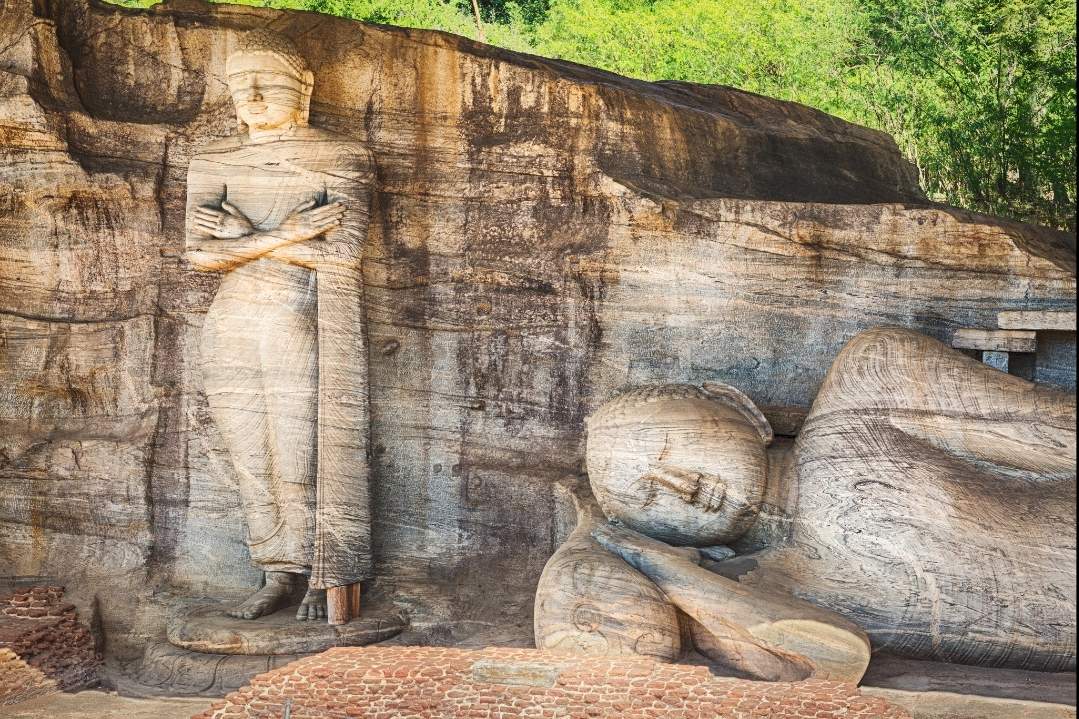
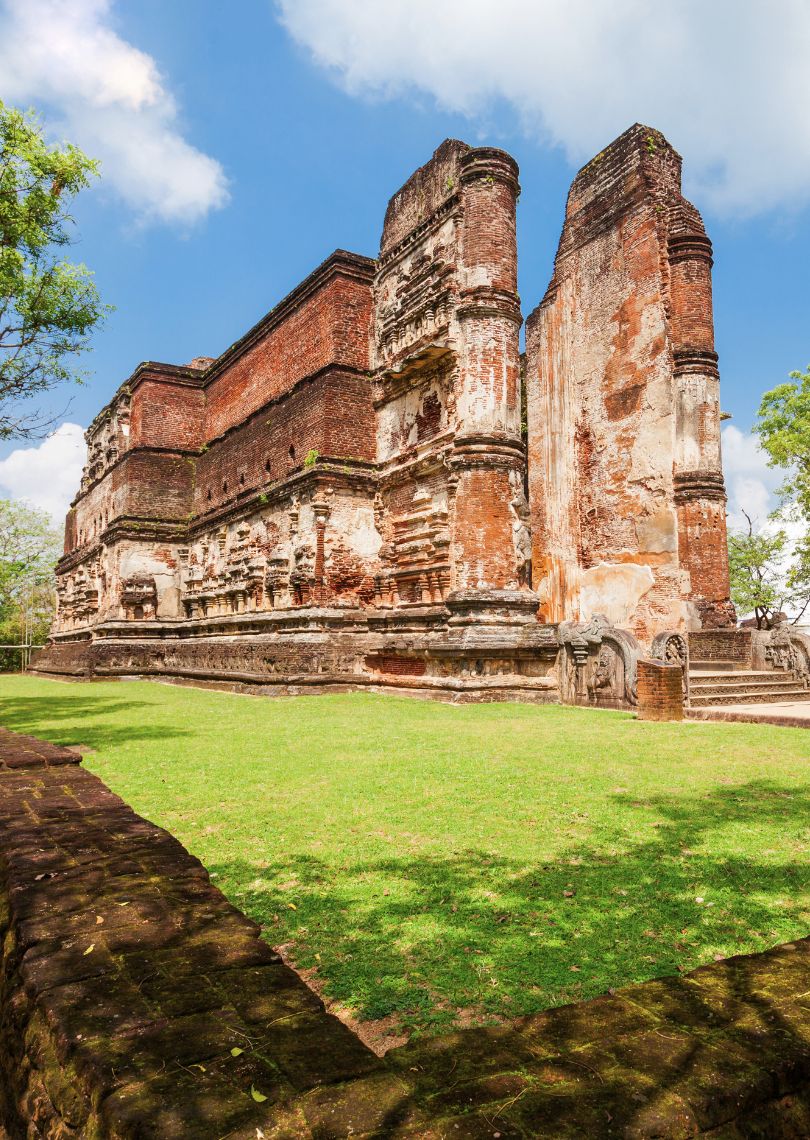
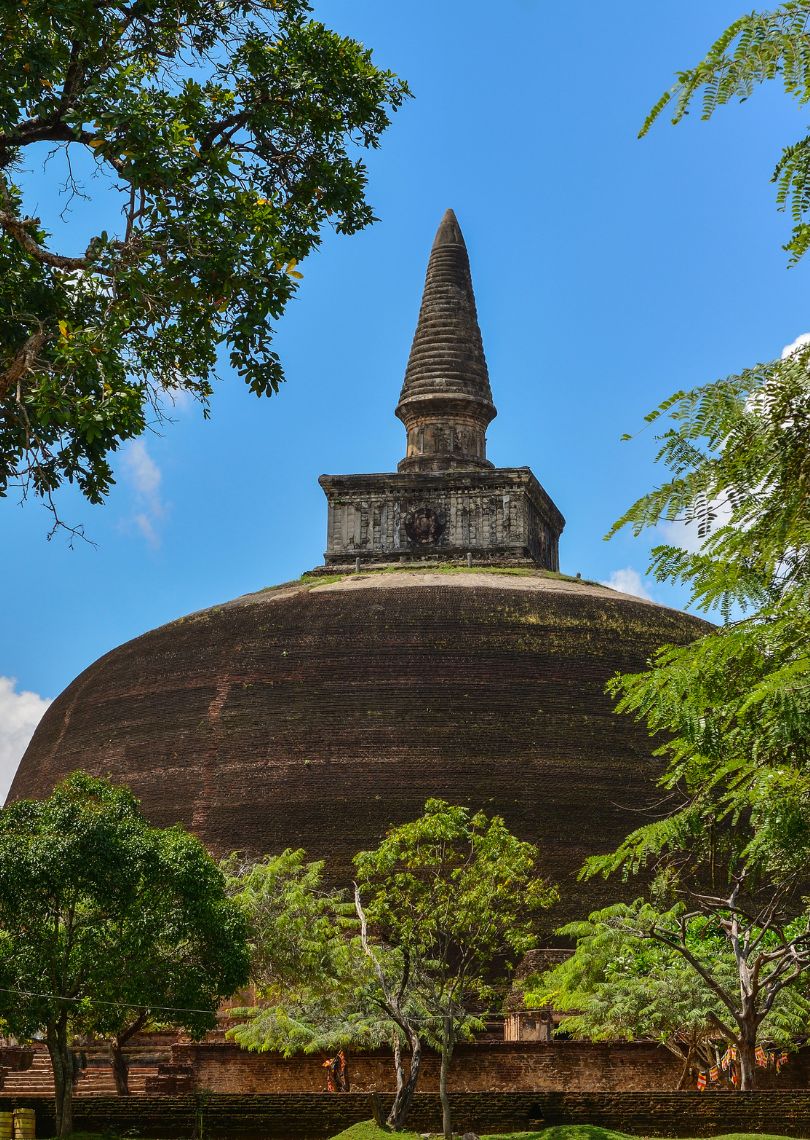
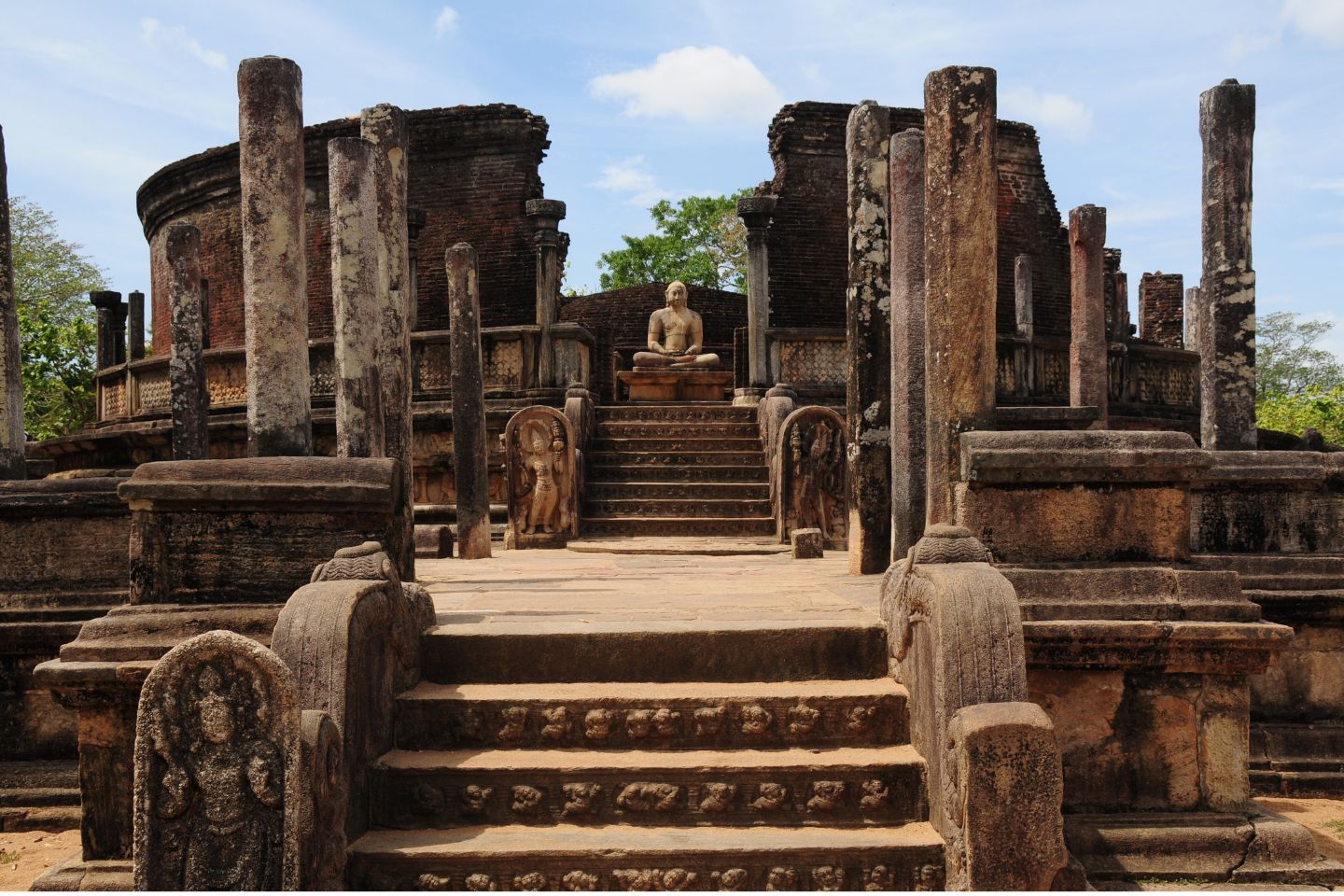
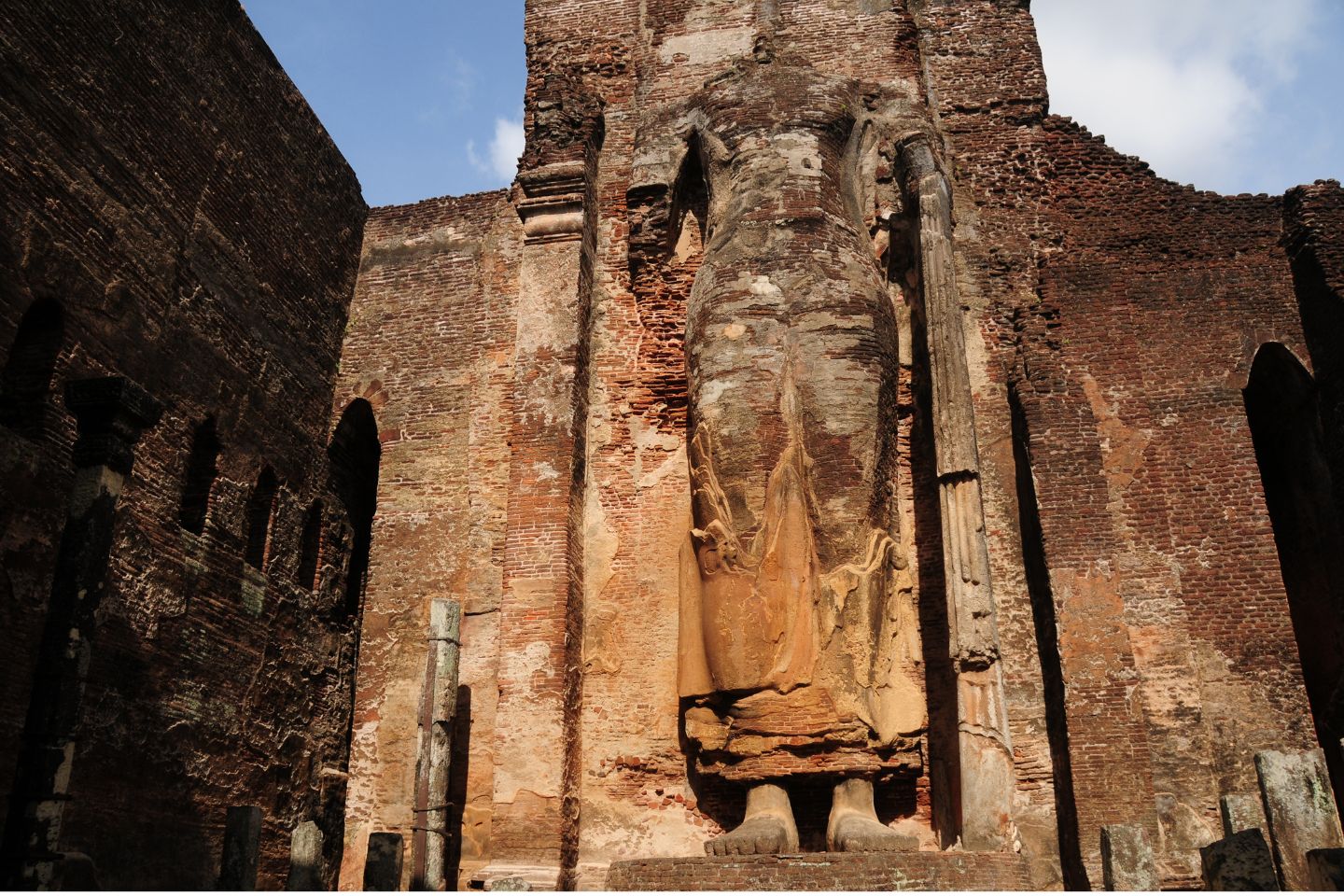
At Polonnaruwa you’ll find the remains of Sri Lanka’s 2nd oldest capital, founded after Anuradhapura was destroyed in 993 CE.
Considered the ‘Angkor Wat’ of Sri Lanka, the many ruins of Polonnaruwa are sprawled out over a long area, so you’ll need the full day to explore them on your own. If you drove yourself there on a scooter then you’ve got this covered. If not, you can rent a bike or hire a tuk tuk driver from the front entrance.
Polonnaruwa is a massive archeological site, and there’s a lot of things you need to know before going there. I recommend you read more about it in the guide below:
Day 8 - 9: Anuradhapura
Welcome to 📍Anuradhapura.
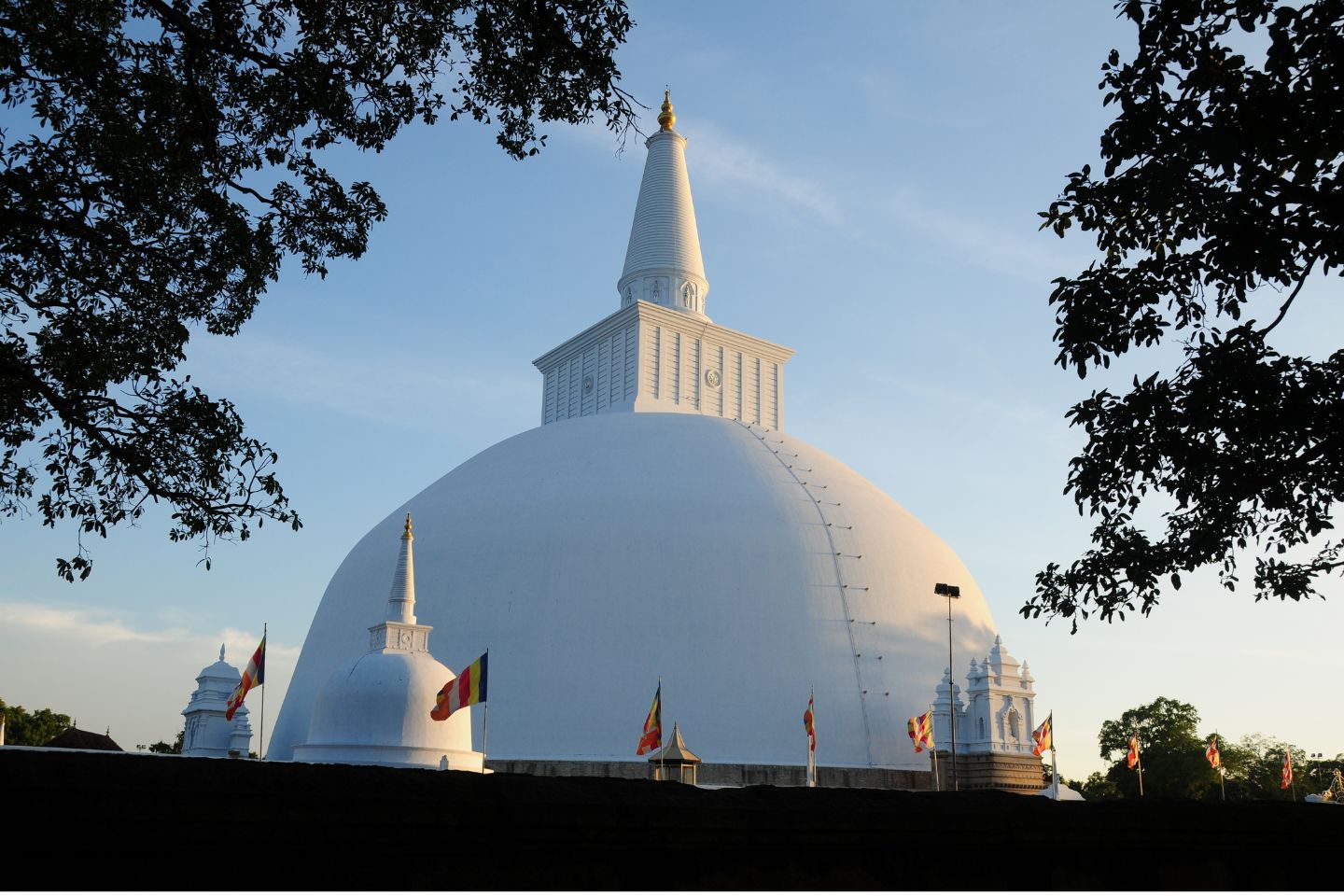
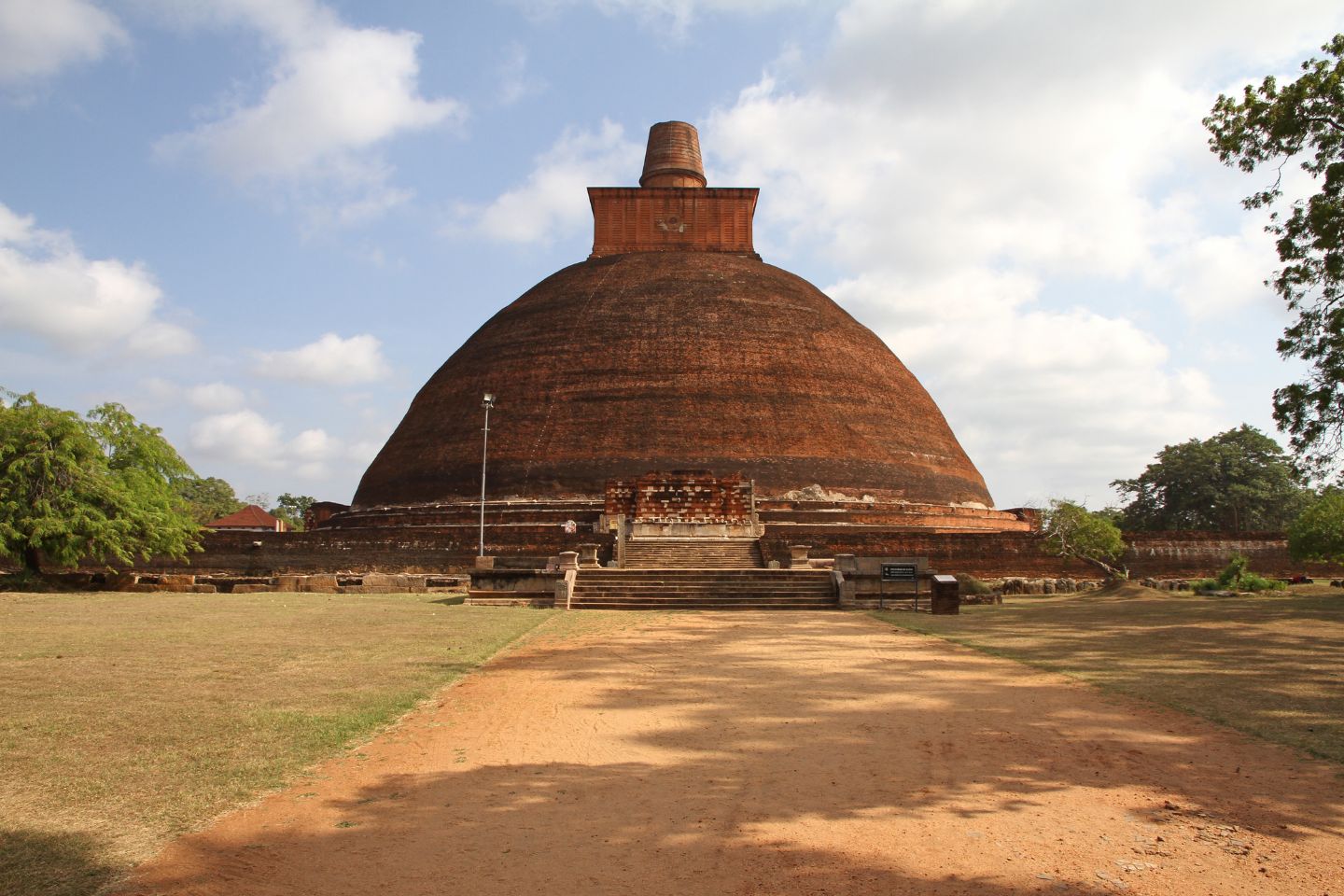
Considered the most significant historical place in Sri Lanka, this city is believed to have been founded in the 5th century BCE, making it one of the oldest continuously inhabited cities in Asia.
For about 1500 of those years, it served as the capital of the island, in the form of various different kingdoms and empires. With such a storied history, it’s no surprise that there’s a lot of things to see and do at this UNESCO World Heritage Site.
Sigiriya to Anuradhapura
The journey from Sigiriya to Anuradhapura only takes about 90min.
If you’ve got room in your budget, consider hiring an uber (if there are any available in the area).
Otherwise, the bus is always an option, although it will only take you as far as Dambulla, where you’ll need to switch to another bus headed for Anuradhapura.
How much time you have on this first day in Anuradhapura depends on what time you left Sigiriya. If you have plenty of time in your afternoon, you could start seeing some of the historic city.
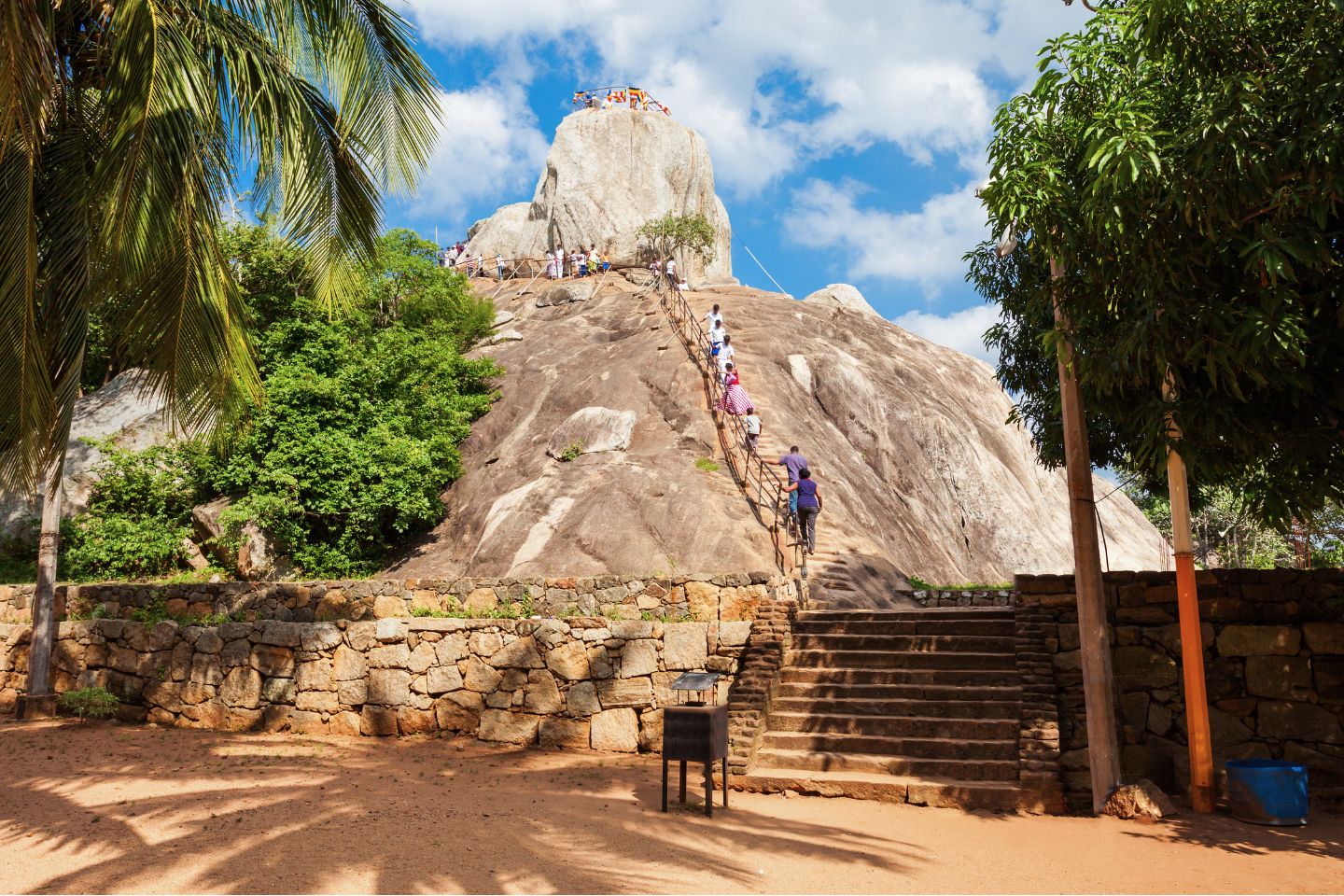
Regardless, I highly recommend you save time around the end of the day to catch a tuk tuk about 10km east of town to hike 📍Mihintale Rock. This mountain peak is believed to have been the meeting place between the king of Sri Lanka and a renowned Buddhist monk in the 3rd century BCE, signalling the start of the Buddhist era. It’s also the best place in Anuradhapura to watch the sunset, with amazing views of the surrounding region.
What’s known as the ‘historic city’ of Anuradhapura is located right next to the modern day city of Anuradhapura. It’s a massive site, with the many ruins of this once great city sprawled out over a large area.
You’ll need a full day to explore it all, and it’s too much to do on foot. One of the most popular ways for tourists to get around is by renting a bicycle. Most hotels/hostels in town can arrange this for you – it’s a very common activity in Anuradhapura.
Alternatively, you could hire a tuk tuk driver for the day, or rent a scooter/motorbike to drive around on your own.
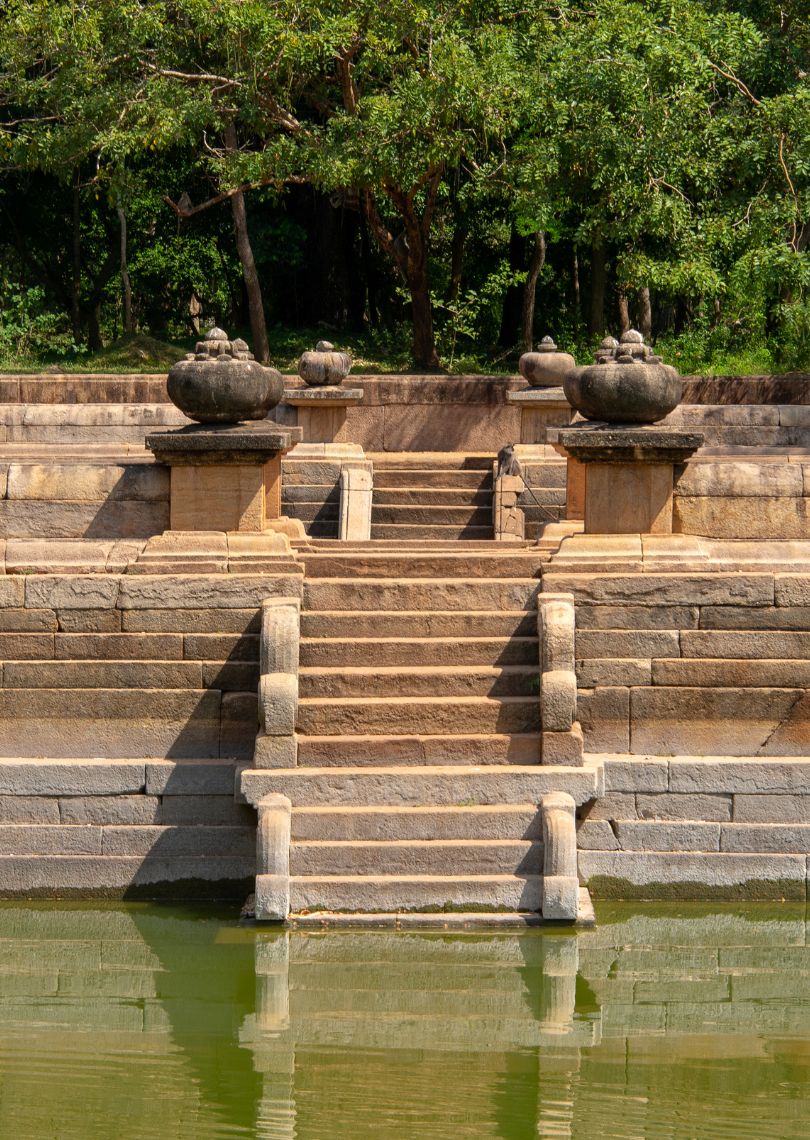
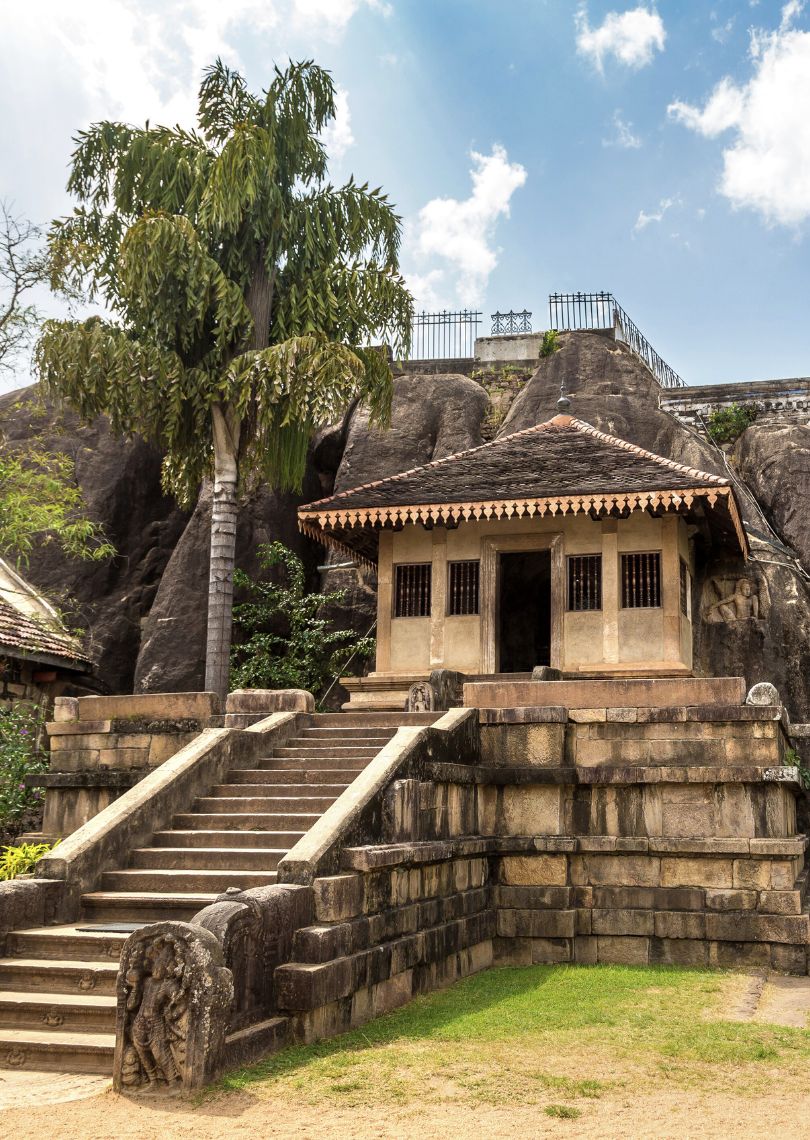
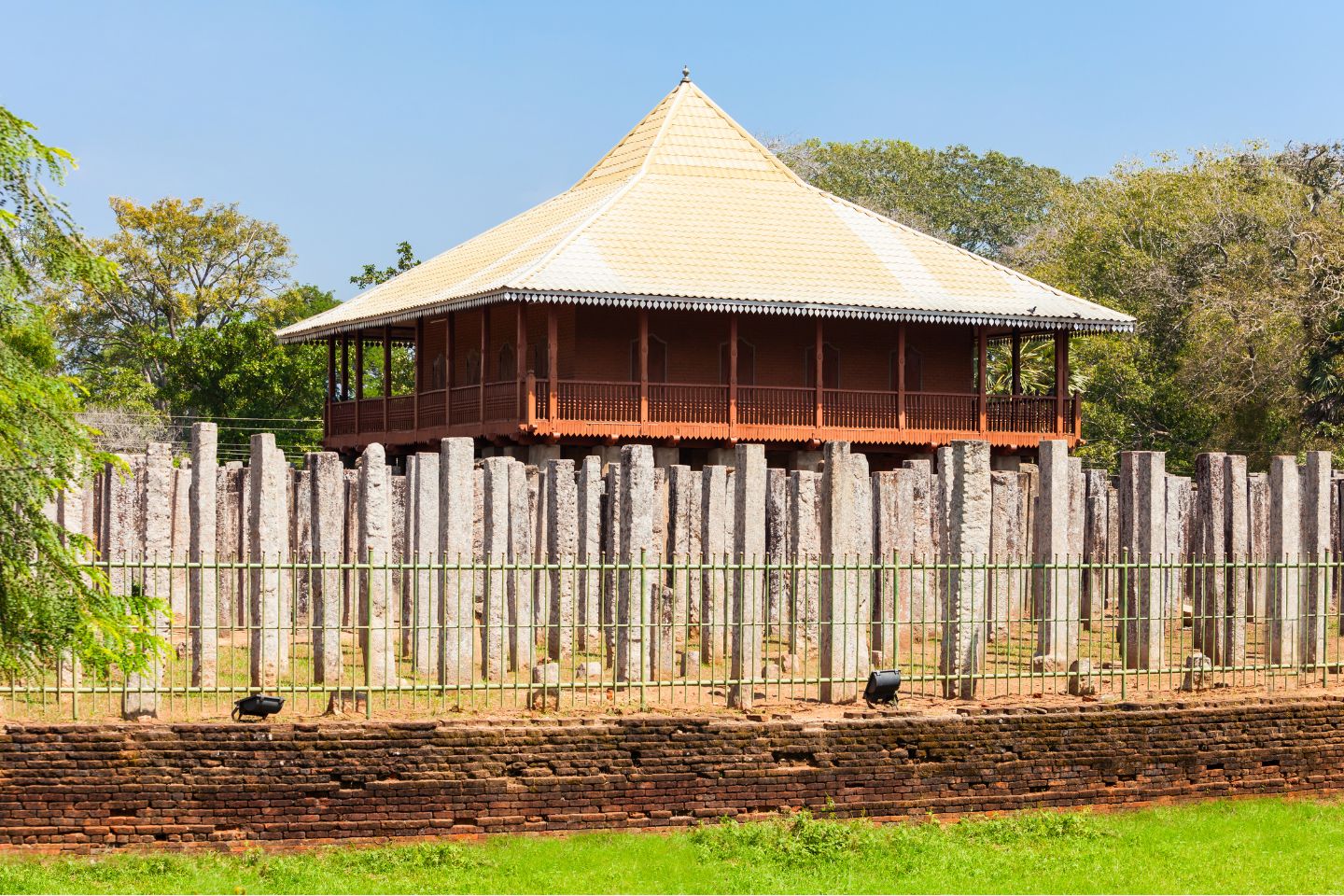
There’s so many historical sites to see within the ancient city of Anuradhapura, such as:
How to get to Yapahuwa
Yapahuwa is located about half way between Anuradhapura and Negombo – where we’re headed.
If you’ve got room in your budget, you could simply get an Uber or taxi.
Alternatively, you could catch a train from Anuradhapura to Negombo as normal, but get off at Maho Junction. From here it’s only a 10min tuk tuk to the site.
When you’re done, you can simply tuk tuk back to Maho Junction, jump back on a train and continue to Negombo.
Day 10: Yapahuwa and Beyond
Our 10 day historical adventure around Sri Lanka is sadly coming to an end, but as we make our way back to Negombo, or wherever else you might be headed, we have one more ancient capital to visit along the way.
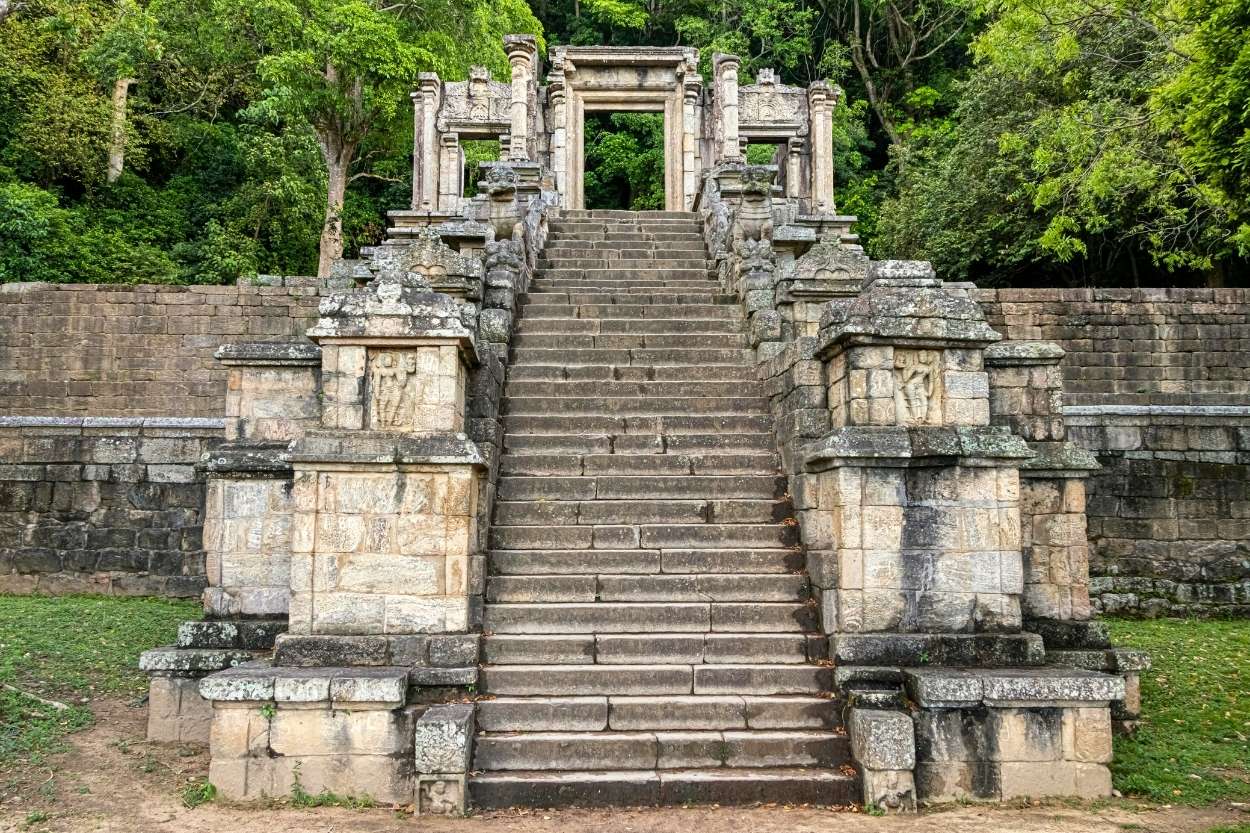
The rock fortress at 📍Yapahuwa became the capital of Sri Lanka for about 60 years after Polonnaruwa was attacked by invading Indian forces in the 13th century. Here the king began building a more defensible capital, bringing the Sacred Tooth Relic with him, making this the 4th and final ancient Tooth Temple you’ll see in this itinerary.
Yapahuwa is one of the most picturesque historical sites you’ll visit in Sri Lanka. It’s a bit of a hike as you climb to the top of the rock, but it’s undoubtedly worth it as you pass ancient ruins along the way.
That’s the end of this 10 day Sri Lanka itinerary for history buffs, but it doesn’t have to be the end of your travels on the island. There’s still so much more to see and do in this country – historical sites or otherwise.
Read on below for ideas on how to add more to this Sri Lanka itinerary.
Planning your visit to Sri Lanka
Best time to visit Sri Lanka
Choosing the best time to visit Sri Lanka can be tricky on account of it having 2 different monsoon seasons in separate parts of the country. These different monsoon seasons are roughly split between the North-Eastern and South-Western halves of the country. This means the best time to visit depends on where in the country you’re going.
Here’s an oversimplified summary of the different times of year you can visit Sri Lanka:
- December to March – The best time to visit the South-West and central parts of the country, where most of the top tourist sites are.
- May to August – The rainy season in the South-West half of the country. Generally a bad time to visit Sri Lanka unless you’re there for the surf season on the country’s East coast.
The months in between are considered ‘transitional’ seasons, where occasionally rainfall is experienced across the different regions.
For this itinerary, the best time to visit Sri Lanka is December to March.
Visa
You can get a tourist visa to Sri Lanka very easily thanks to their Electronic Travel Authorization (ETA).
The ETA is essentially an e-visa, and is open to everyone. It grants you 30 days entry to Sri Lanka, with the option to apply for an extension if you want to stay longer.
You can apply for the ETA on this website.
Budget & Money
CURRENCY: Sri Lankan Rupee (LKR)
Here’s a quick rundown of how much you should expect to spend while travelling Sri Lanka:
Budget
Sri Lanka is a dream destination for those on a budget. There are great backpacker hostels all over the country, and a decent private room can cost as little as $20 USD. On a tight budget, you can get by on as little as $20 to $30 USD per day.
Mid-range
For a more flexible budget, that includes staying only in private rooms, dining out often, and going on the occasional guided tour, you should expect to spend between $30 to $60 USD per day.
Luxury
If money is no object, and you want to stay in high-end resorts and dine at the finest restaurants, Sri Lanka still has what you’re looking for. Although, it’s limited mostly to the popular tourist destinations along the South coast, or in Colombo. On this type of budget you should expect to spend $80+ USD per day.
Getting Around Sri Lanka
Sri Lanka is a relatively small island, roughly the same size as Tasmania or Ireland. The whole country can be crossed in a single day, but in this itinerary you’ll never need to journey more than a few hours in one go.
Train
Catching a train in Sri Lanka is somewhat of an iconic experience and another popular method of getting around, though certainly not the fastest or most reliable.
You can get a train to most major locations around the country, but there are only 2 situations where I’d recommend choosing a train over any other option:
- When travelling along the South coast – Not only does the route pass through all the top tourist destinations up until Matara, it’s also incredibly scenic.
- When travelling through the Central Highlands – While catching a train can sometimes take longer than
Bus
Buses in Sri Lanka are just as iconic as the trains, although for different reasons. They’re colourful, loud and drive like madmen. If you see a bus coming down the road, stand clear.
But they’re also a very cheap and convenient way of getting around, with the bus network covering almost anywhere. Where a train can’t take you, a bus can.
It can be hard to find information on bus times and routes in Sri Lanka, so I’d recommend speaking to the locals or to your accommodation staff about how to catch a bus to wherever you’re headed.
Uber
Yes, Sri Lanka has Uber and it’s a great way to cover medium-length distances.
It’s going to cost you more than a public bus, but in many cases it may be just as cheap as a tuk tuk. Personally I used Uber for situations where I needed to be certain when and where I was going, like to the airport, or when I wasn’t able to locate a tuk tuk or bus. It was a great back up option.
One of the great things about using Uber in a country like Sri Lanka is it removes any risk of getting ripped off. Unlike tuk tuks, where the driver often jacks up the price for foreigners, Uber charges the same rate for all users.
How to alter this itinerary
With more time
If you have more time and want to see more of Sri Lanka’s historical sites, some ideas include:
- Hike to 📍Ritigala Forest Monastery
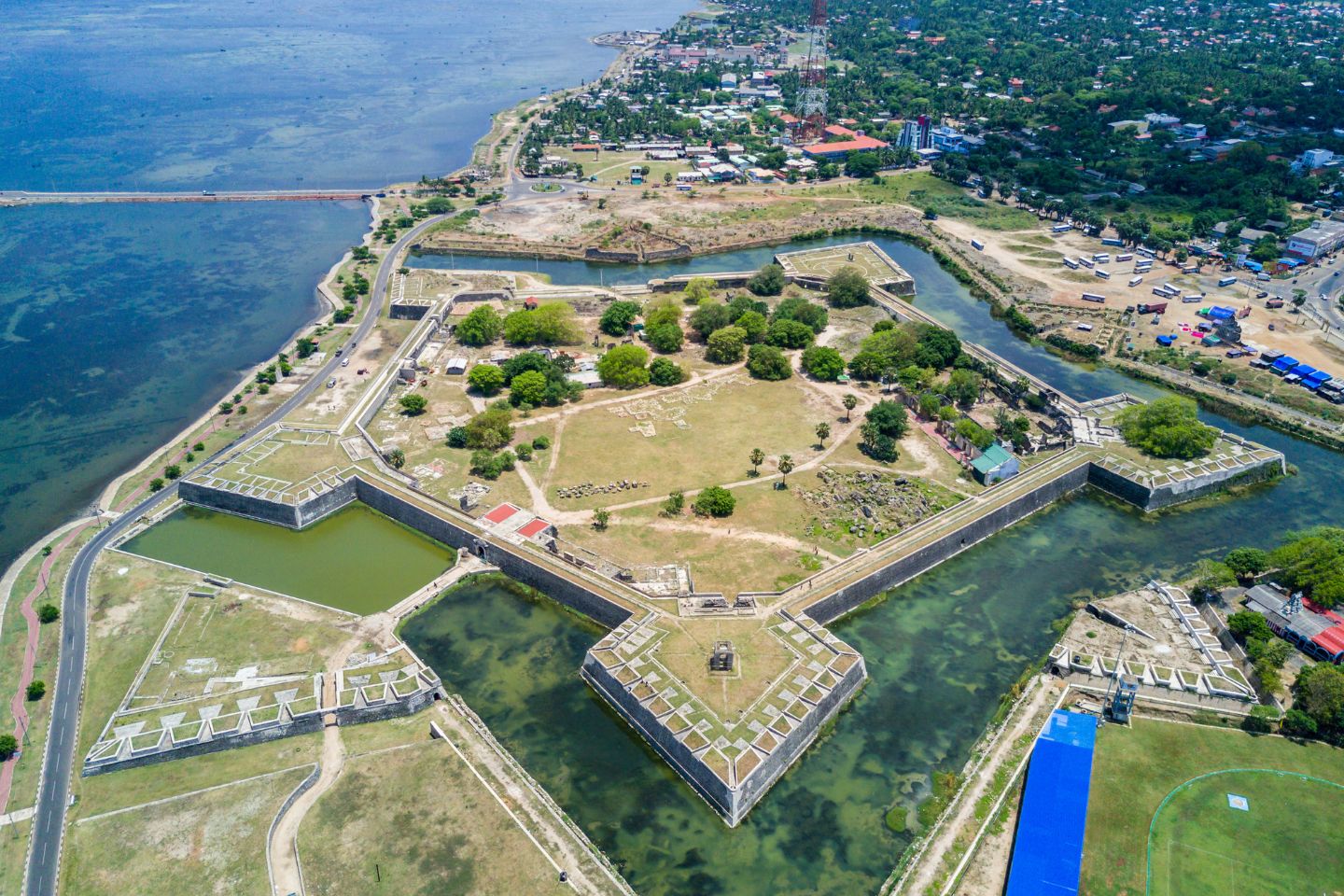
- See the colonial history at 📍Jaffna.
- Visit the historic 📍Delft Island, off the coast of Jaffna.
- Explore the many colonial buildings and temples in 📍Colombo, Sri Lanka’s capital.
- Hike to the top of 📍Adam’s Peak, Sri Lanka’s highest mountain and one of its most sacred places.
If you want to broaden your options and see more than just Sri Lanka’s historical sites, you’re in luck because there are so many other things to see and do, especially if you like beaches and hiking.
Some ideas include:
- The South Coast – Rather than only visiting Galle and then heading back north, you could instead take your time and stop at the many tropical beach towns along the south coast, such as 📍Hikkaduwa, 📍Unawatuna, 📍Weligama and 📍Mirissa.
- Explore the Central Highlands – There’s more to see in Sri Lanka’s mountainous centre than just Kandy. 📍Ella is a popular tourist hotspot, situated amongst the tea-field hills. 📍Nuwara Eliya is another popular destination, which is also the perfect launching-off point to hike 📍Adam’s Peak or 📍World’s End.
- The East Coast – While the rest of the country is in its rainy season, the east coast comes alive. Destinations like 📍Arugam Bay and 📍Trincomalee become very popular during this time of year, particularly with surfers.
With less time
With so many things to see and do in Sri Lanka, 10 days isn’t much time. It would be a real shame to visit the island with less time, but if this is the case, you can still see some of the top historical sites.
So how would one shorten this 10 day Sri Lanka itinerary?
At the very least you should keep Sri Lanka’s ‘cultural triangle’, which includes Sigiriya, Polonnaruwa and Anuradhapura. These make up the best of the best historical sites in Sri Lanka and should be considered essential if you’re a history buff. If you only visit these 3 destinations then you could cut this itinerary down to 5 days.
Dambulla is only a quick stopover, and a place you’ll be passing through anyway, so it should never take up more than a couple of hours of your time. But if you’re really in a rush you can skip this.
If you have to cut out 1 location from this itinerary, it should be either Galle or Kandy. Which one depends on your preference.
Galle is all about the colonial history, so if this side of Sri Lanka’s heritage is not particularly interesting to you, then consider skipping this, and instead heading straight to Kandy after you fly in. This will save you about 2 days.
As for Kandy, while it’s an interesting and culturally rich city, the main historical attractions are the Temple of the Tooth and Royal Palace. Aside from these 2 sites, it doesn’t compare to the other places in this 10 day Sri Lanka itinerary. These places are great to learn about the Kingdom of Kandy period, but if this doesn’t interest you then you won’t gain much from visiting these places.
Sri Lanka Travel Resources
Now that you have all the information on visiting Sri Lanka’s historical sites, it’s time to start planning your trip. Here are some resources to help you get started:
✈ Flights: Trip.com and Skyscanner are the best resources for finding cheap flights to Sri Lanka.
🚅 Transport: 12Go is the best online platform for booking trains and buses in Sri Lanka, and across Asia.
🏨 Accommodation: Booking.com is the best resource for finding amazing hotels in Sri Lanka, while Hostelworld is the best for finding hostels.
🏥 Travel Insurance: Heymondo covers all the essentials in Sri Lanka, including theft, medical and cancellations.
🛜 Internet: To stay connected in Sri Lanka, you can use Airalo. They offer an eSIM, meaning all you need is a smartphone and and the app.
🌐 VPN: To stay connected and access service that may not be available in Sri Lanka, use NordVPN.
🏄 Tours & Day Trips: Get Your Guide and Viator are the top platforms for tours and activities in Sri Lanka.
Further reading on Sri Lanka
Here are more guides on Sri Lanka to help you plan your trip:
⬤ To find more historical sites in Polonnaruwa, check out: The 10 Best Historical Sites in Sri Lanka.
⬤ For more info on the ancient city of Polonnaruwa, check out: Polonnaruwa | Complete Travel Guide to Sri Lanka’s Ancient Capital.
⬤ For more historical travel guides on Sri Lanka, check out our Sri Lanka page.