From 500 year old forts, to colonial cathedrals and old Spanish street, Manila has a lot of historical attractions to explore.
Manila is one of South-East Asia’s most historically significant cities. Under Spanish rule it became a major colonial capital and one of the world’s first global cities, forming part of the network with Madrid and Mexico City. Today, city’s unique mix of Filipino and Spanish culture is alive and well through its heritage attractions.
In this guide, you’ll find the top 12 historical sites in Manila.
Contents
A Brief History of Manila
Before the Spanish arrived, this area was part of the local Kingdom of Maynila, from which the modern city takes its name. At the time, much of the region was influenced by Islam, which had spread through trade networks across maritime South-East Asia.
The Spanish established Manila as the capital of their new colony in the 16th century and ruled it for more than 300 years. During this period, Catholicism became deeply embedded in Filipino society, while the city grew into one of the most important colonial centres in Asia.
The Spanish faced regular resistance, with local uprisings and independence movements continuing throughout the colonial period. That era ended in 1898 during the Spanish-American War, when Spain lost control of the Philippines and the country came under American rule instead.
The next major turning point came during the Second World War, when Japan occupied the city. Much of Manila was destroyed during the fighting in 1945, especially in Intramuros, where many historic buildings were heavily damaged or completely lost.
The Philippines became fully independent soon after the war, ending centuries of foreign rule. What remains today is a city shaped by all of these periods, which is why Manila contains some of the country’s most important historical landmarks.
The 15 Best Historical places in Manila
1 | Intramuros
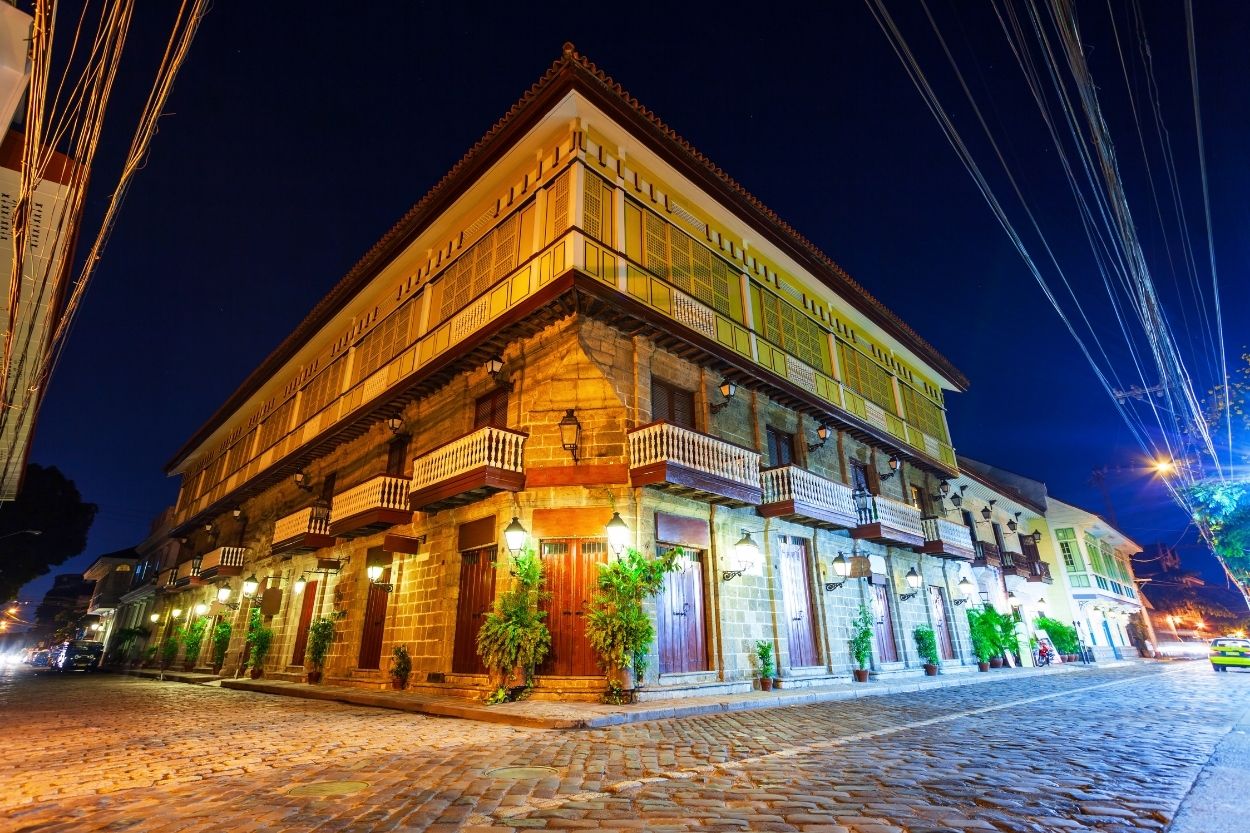
📍Intramuros is the historic heart of Manila and the centre of the city’s colonial heritage.
Its name means “inside the walls” in Spanish, referring to the fortified town established after the Spanish conquest in the late 16th century.
For centuries, Intramuros contained the political, religious, and administrative centre of Spanish rule in the Philippines. Many of Manila’s most important historical buildings were built inside these walls, including churches, government buildings, and military structures.
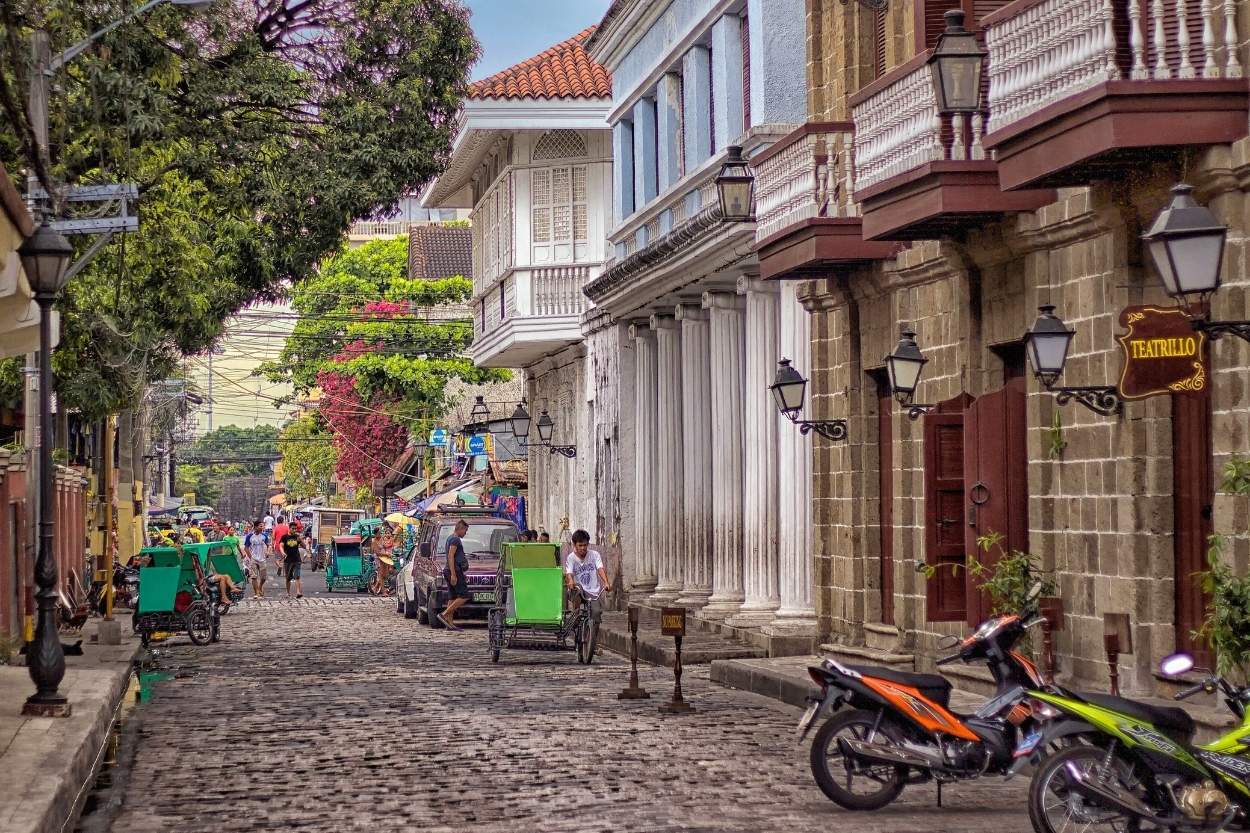
Although originally built along the shoreline, later land reclamation during the American period now leaves the walled city further inland.
Intramuros was heavily destroyed during the fighting of 1945, when it became the scene of the final major battle for Manila in the Second World War. Much of what you see today has been rebuilt, but the district still preserves the layout and appearance of the old colonial city.
2 | Fort Santiago
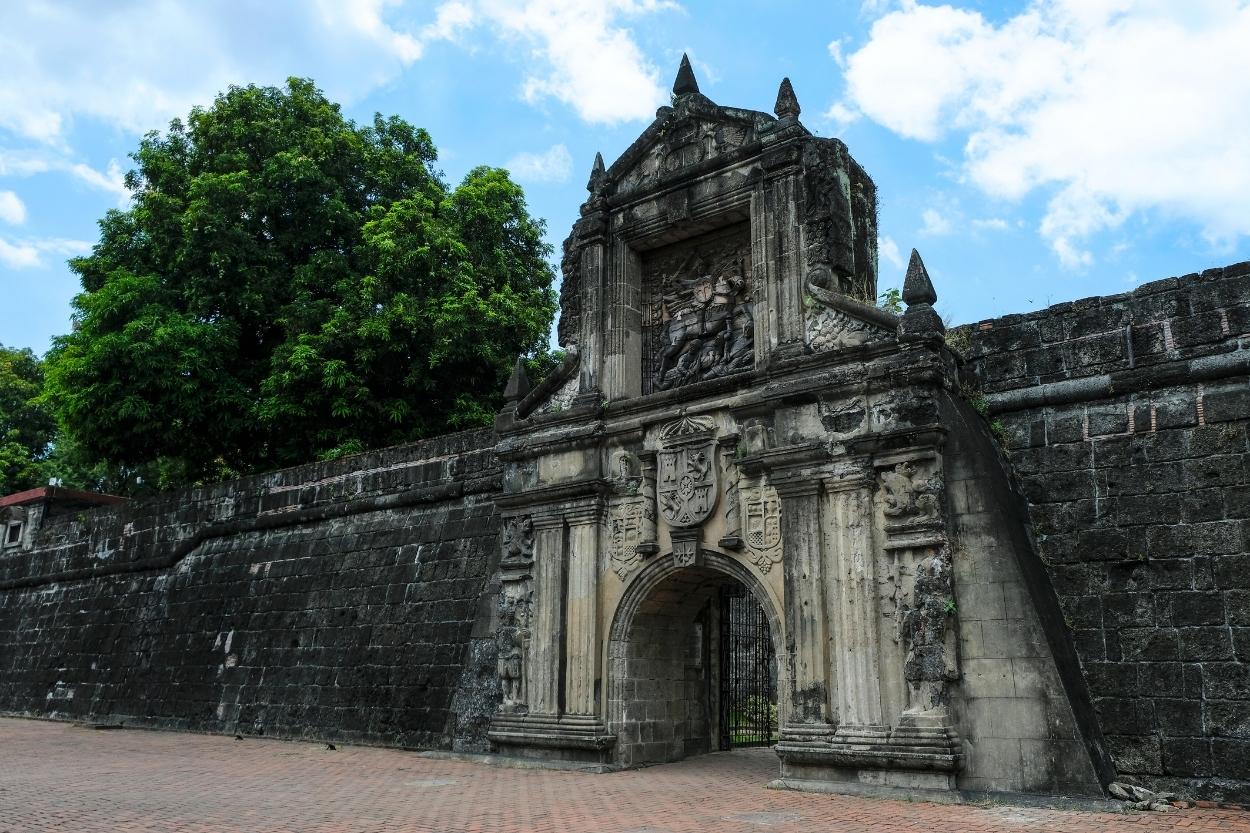
Located within Intramuros, 📍Fort Santiago is one of the country’s most important colonial landmarks.
The fort was built in 1571, shortly after the Spanish established Manila as the capital of their new colony. Before that, the site had already been used as a defensive stronghold by the local Kingdom of Maynila.
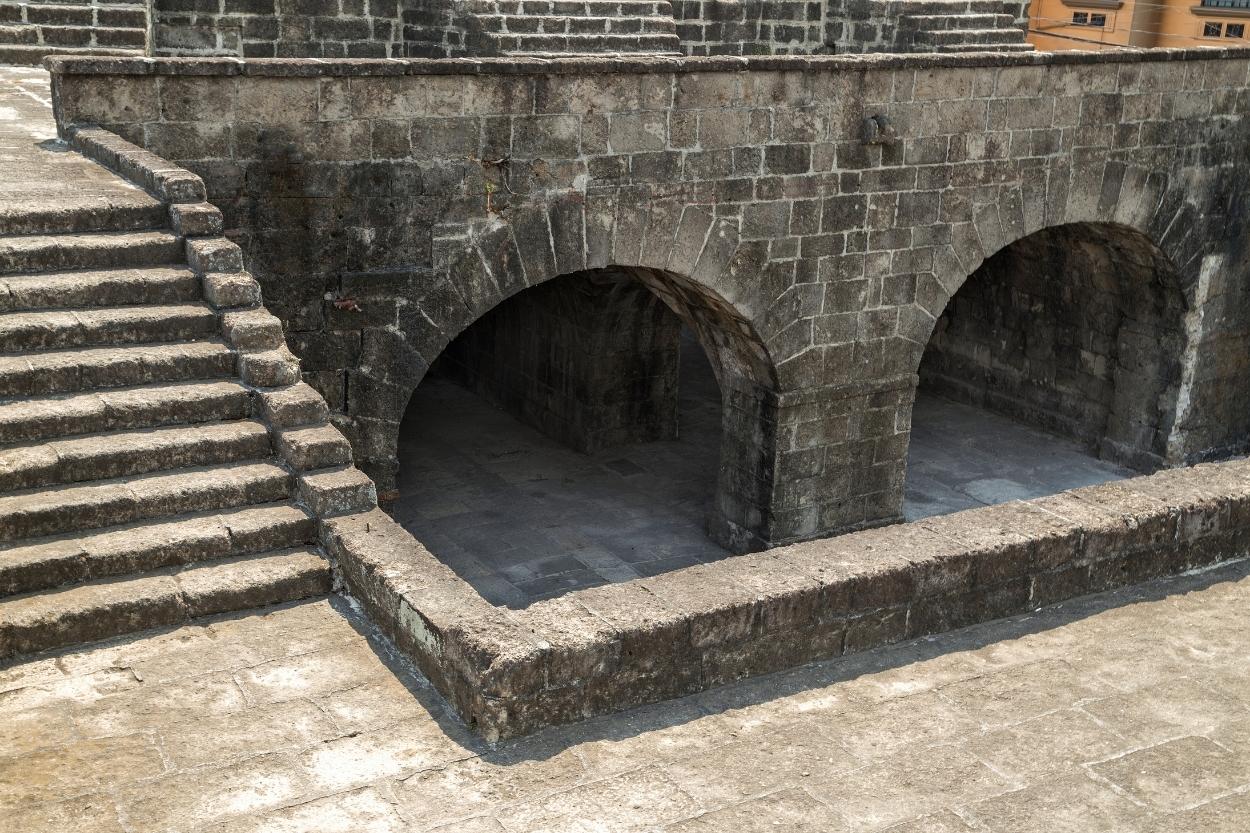
For centuries, control of Fort Santiago was closely tied to control of the Philippines. It changed hands several times, including during the brief British occupation of Manila in the 18th century, before later passing to American and then Japanese control.
The fort also played an important role during the Second World War, where it was used as a prison by the Japanese, and their final holdout during the battle of Manila.
Today, Fort Santiago is open for visitors to explore its grounds and learn more about some of the key events that shaped Manila.
3 | San Agustin Church
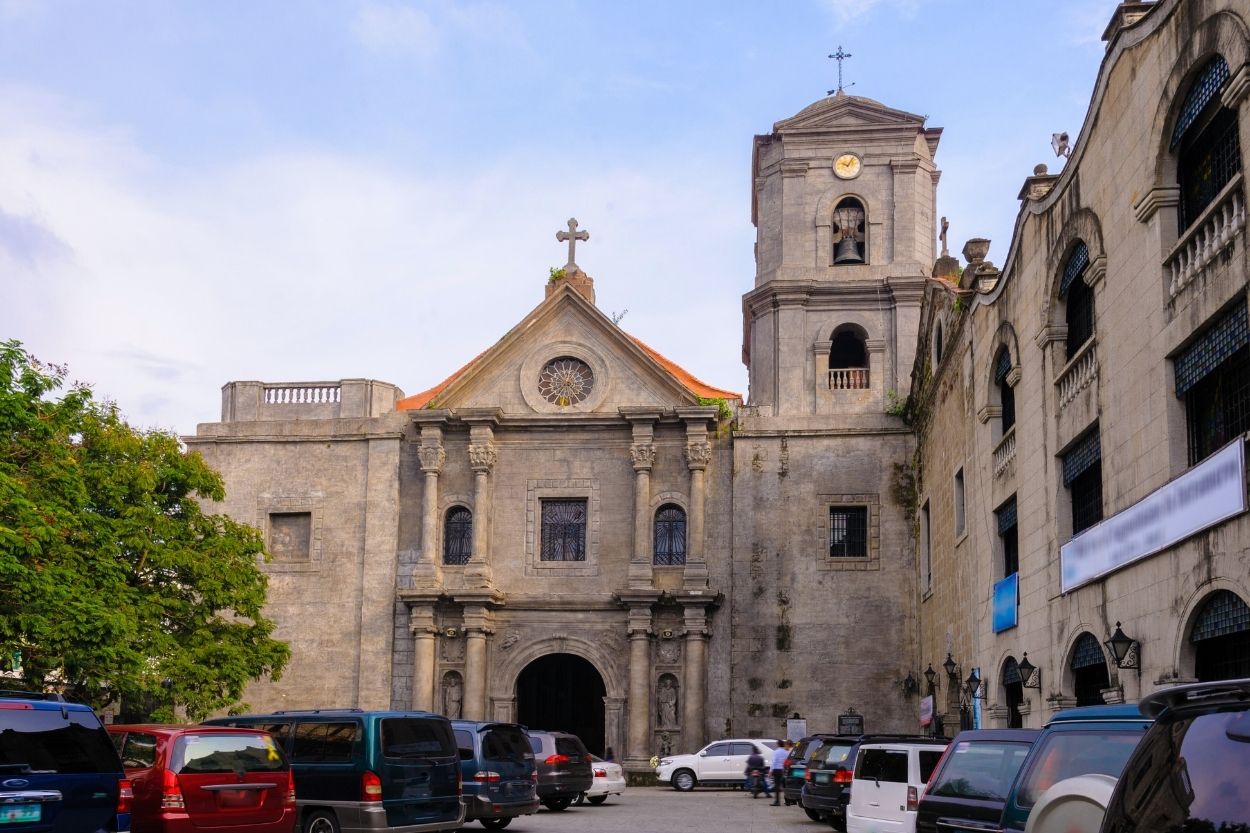
When Intramuros was destroyed during the 1945 battle of Manila, 📍San Agustin Church was the only major building inside the walls left standing.
It is the oldest church in the Philippines and one of the oldest surviving buildings in the country.
The church was first built in 1571 using bamboo and nipa, but was destroyed by fire just a few years later. A second wooden version also burned down, before the present stone structure was completed in the early 17th century.
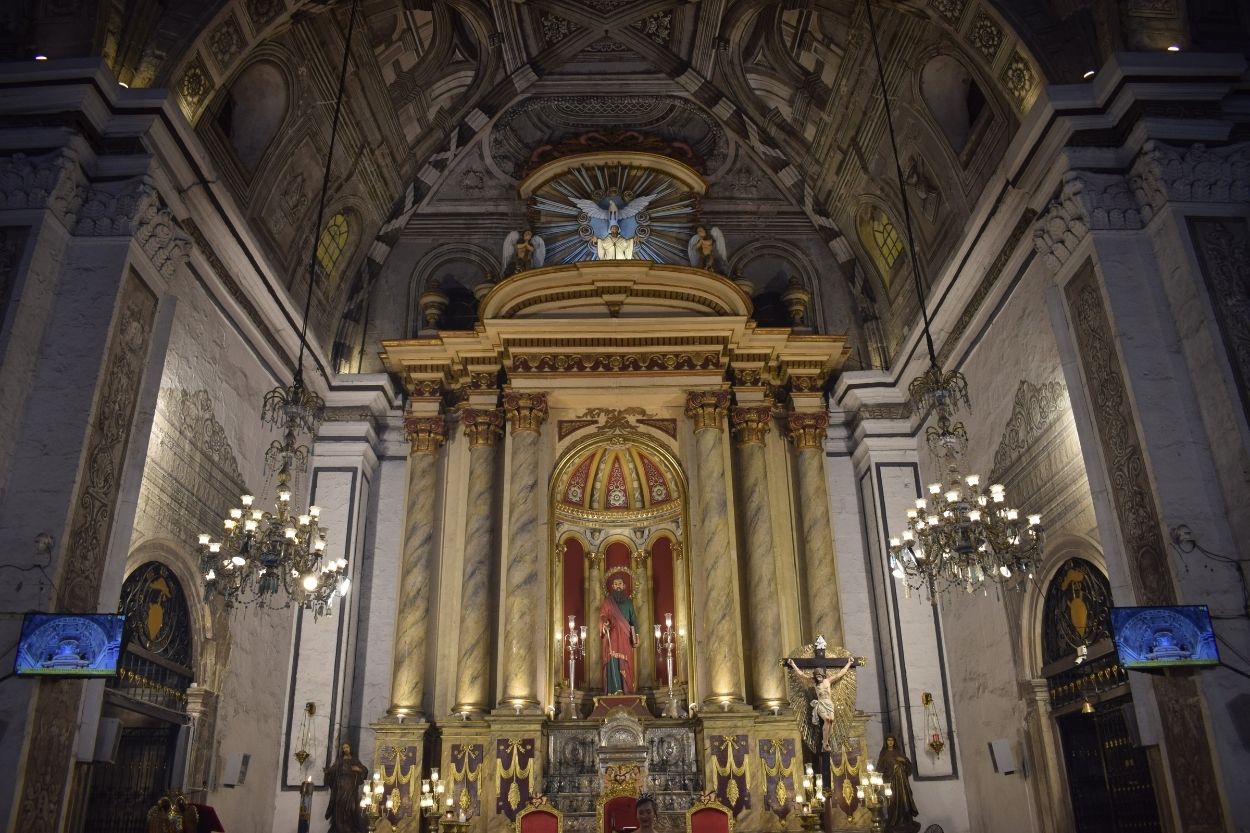
Despite centuries of earthquakes, war, and occupation, San Agustin Church has survived remarkably well and remains an active place of worship today. Visitors can also explore the adjoining museum, which contains religious artwork, statues, and artefacts from Manila’s colonial past.
4 | Casa Manila
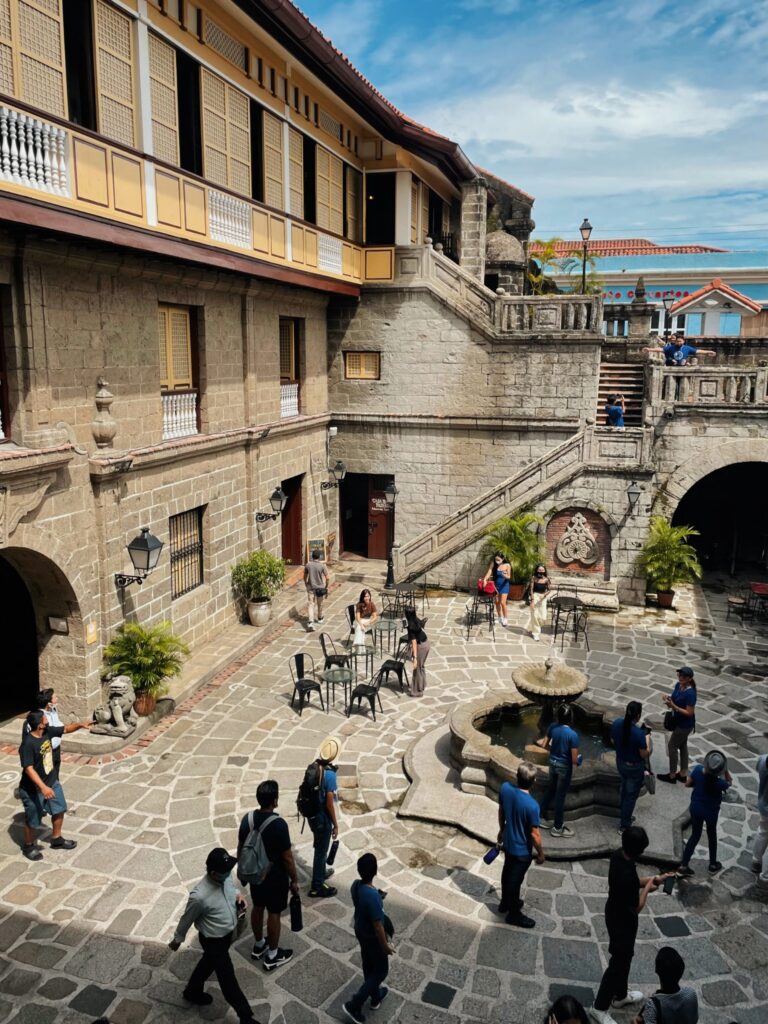
If you want to see what life was like for an affluent Filipino family during the Spanish colonial period, visit 📍Casa Manila.
Located opposite San Agustin Church inside Intramuros, the museum was built in the 1980s as a reconstruction of a 19th-century colonial house once found elsewhere in Manila.
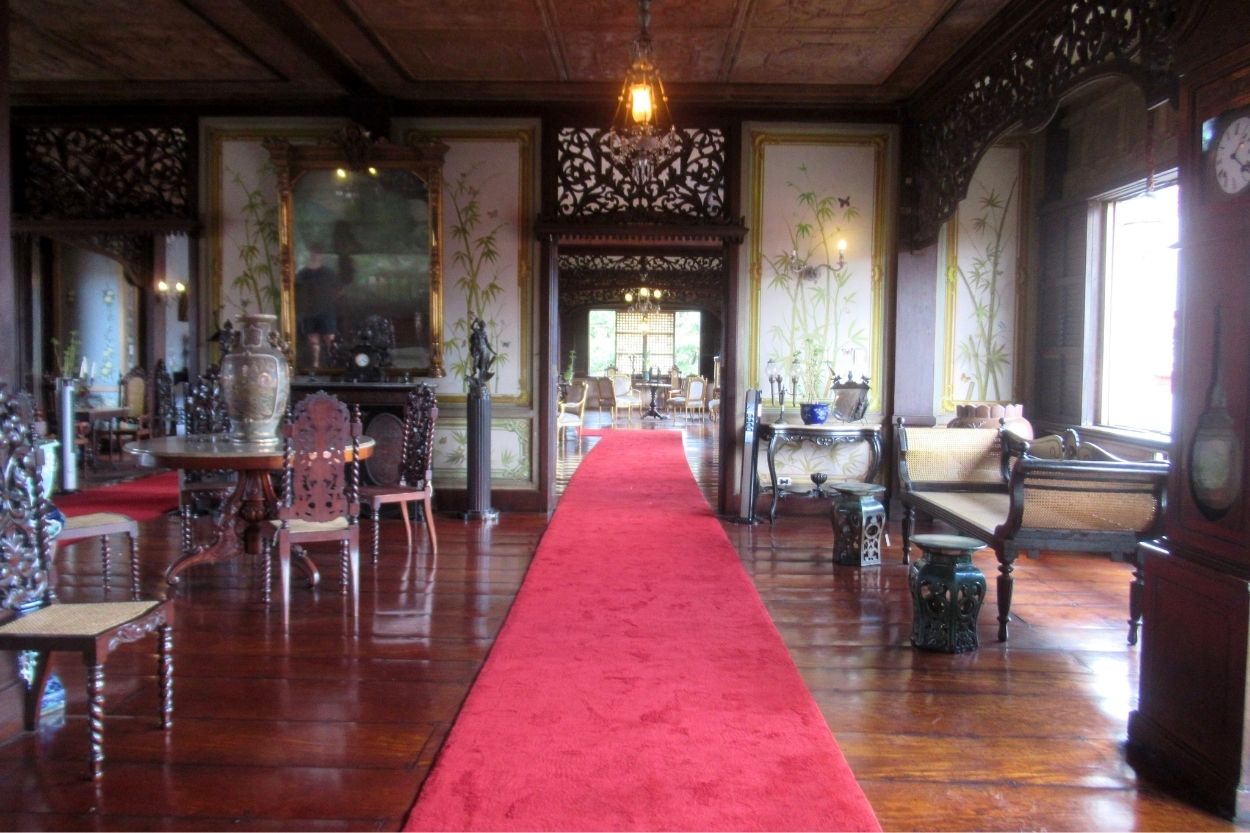
The three-storey building is arranged around a central courtyard and furnished to reflect how a wealthy merchant family would have lived during the 1850s.
Inside, visitors follow a set route through rooms filled with period furniture, household objects, and decorative pieces from the Philippines, Spain, and China, offering an interesting insight into upper-class colonial life.
5 | Quiapo Church
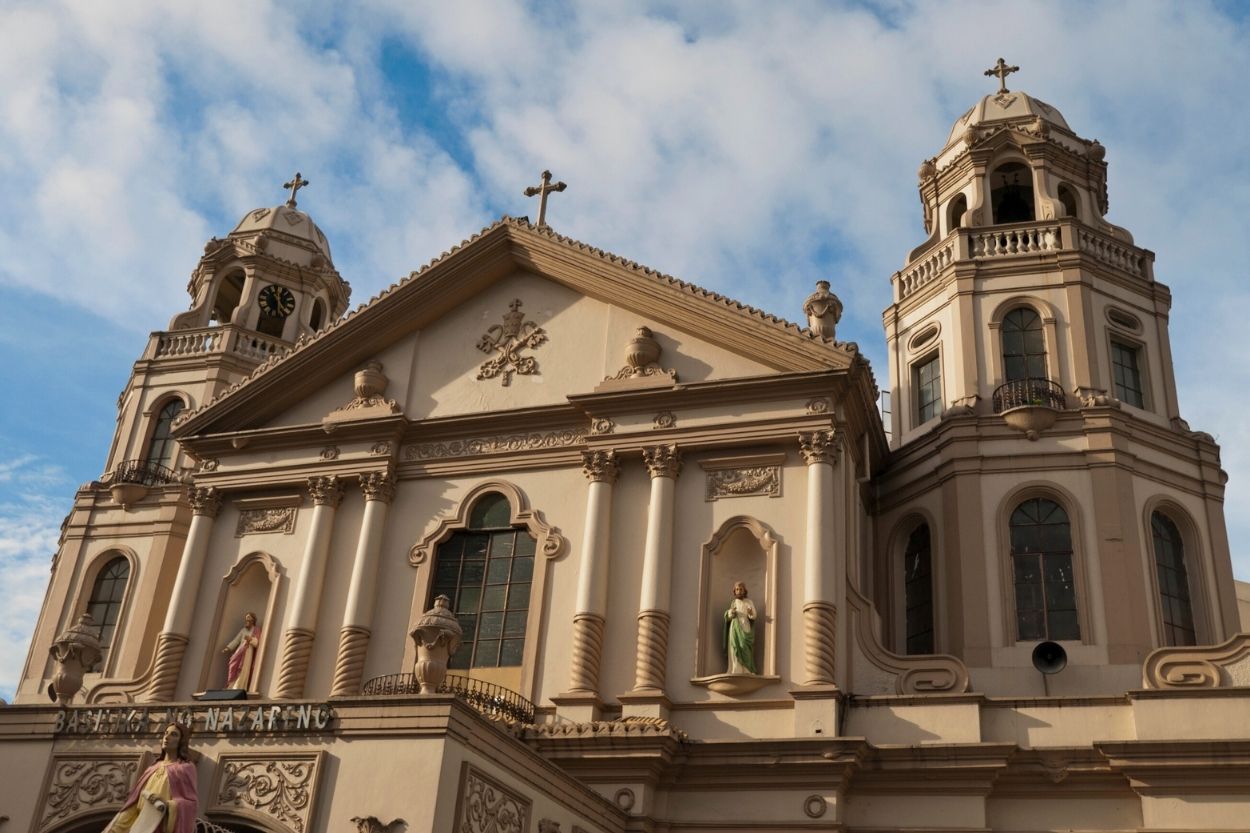
📍Minor Basilica and National Shrine of Jesus Nazareno, also known as Quiapo Church, is one of the most visited churches in the Philippines.
It is best known for housing the Black Nazarene, a life-sized image of Jesus that many locals believe has miraculous powers, especially when touched during religious processions.
Like many historic churches in Manila, the building has been destroyed and rebuilt several times. The original structure dates back to the 16th century, while the present concrete church was completed in the 1930s after a major fire.
The Black Nazarene itself has also been damaged and restored more than once, but its religious importance has remained unchanged. Today the basilica continues to attract large crowds throughout the year, especially during major Catholic festivals.
6 | Manila Cathedral
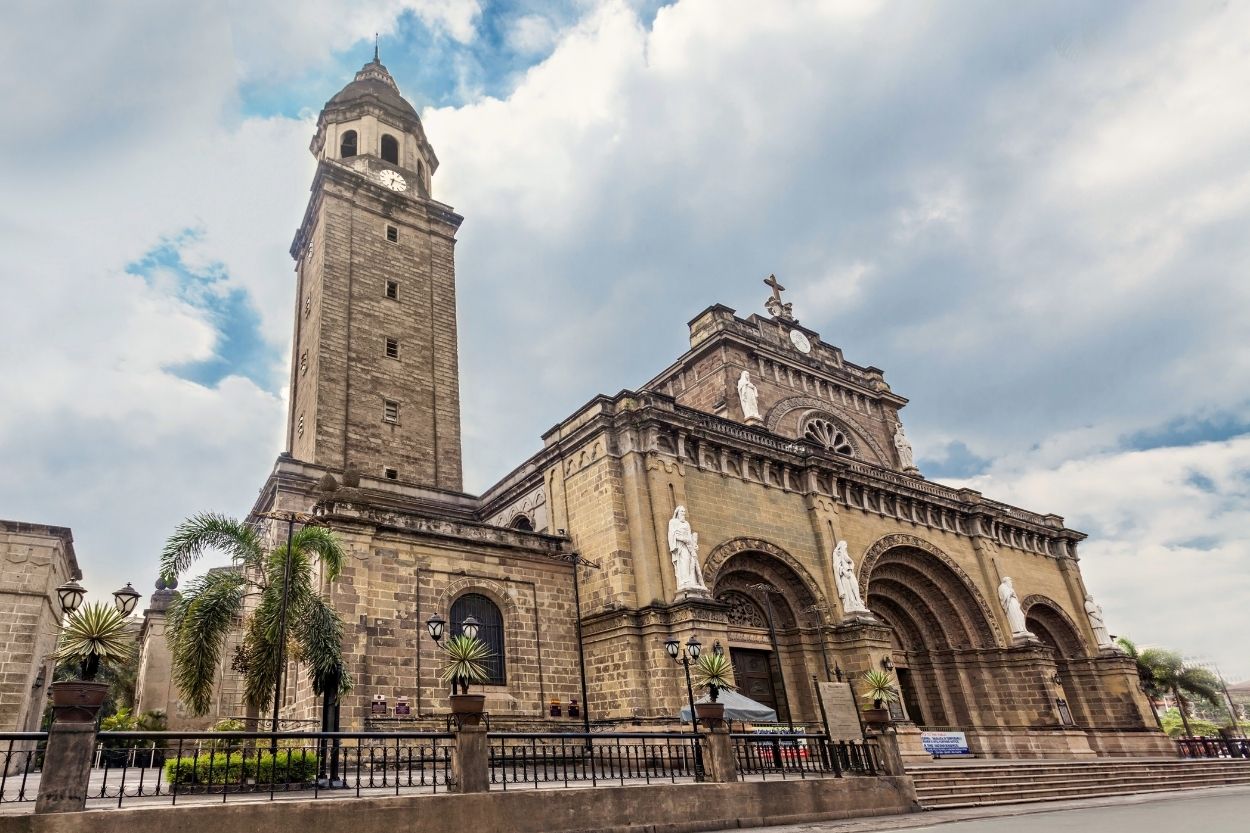
📍Manila Cathedral is the most prominent church within Intramuros and one of the city’s most important religious landmarks.
The site dates back to 1571, when the first parish church was built shortly after the Spanish arrived. Since then, the cathedral has been destroyed and rebuilt multiple times due to fires, earthquakes, typhoons, and war, with the present structure being the 9th version.
The current building was completed in the 1950s after being destroyed in the Battle of manila, and was designed to match the cathedral’s earlier appearance.
Today, Manila Cathedral remains one of the main landmarks inside Intramuros and is difficult to miss when exploring the old town.
7 | Rizal Park & Monument
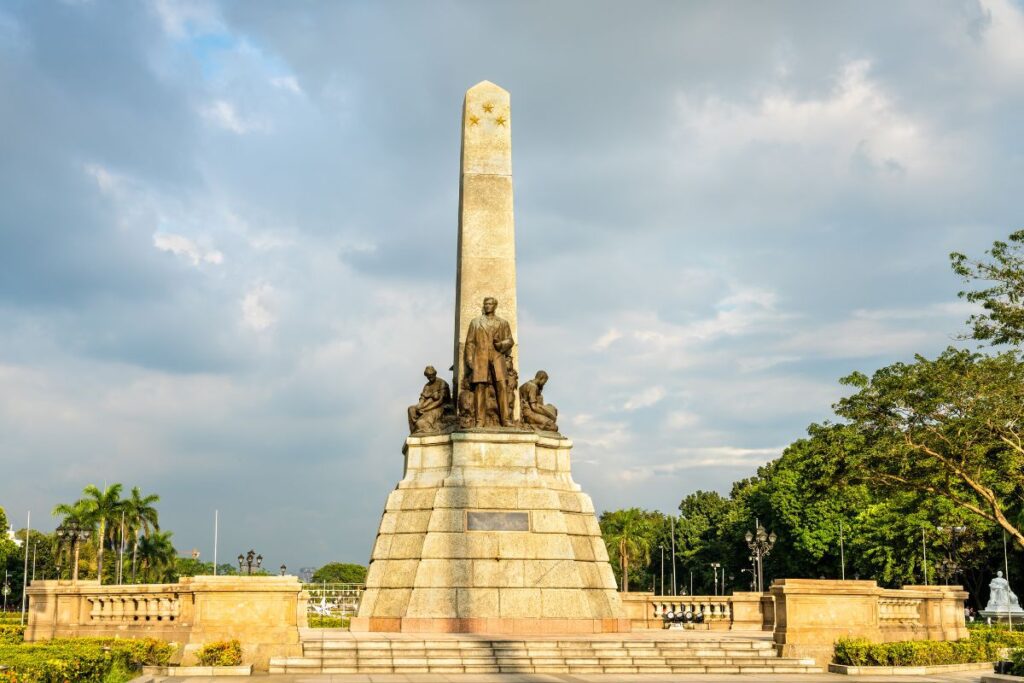
Just outside Intramuros lies 📍Rizal Park, one of the largest public spaces in the city and one of the Philippines’ most important historical landmarks.
At its centre stands the Rizal Monument, dedicated to José Rizal, a national hero and a name you’ll see a lot around the country on street signs and buildings.
Rizal was a writer and reformist whose work helped ignite the Philippine independence movement. Although he was not a military leader in the 1896 revolution, his execution by the Spanish became a major turning point in the fight against colonial rule.
Today, his remains are kept beneath the monument, and the park is used to host major national events, ceremonies, and public gatherings.
Its also a great place to simply escape the city chaos and relax in the parkland.
8 | Malacañang Palace
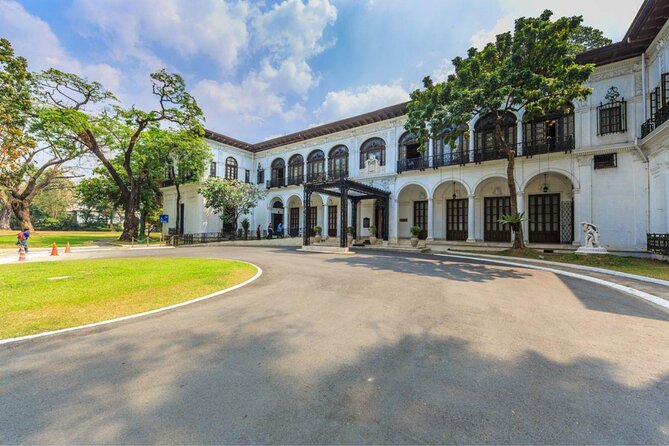
📍Malacañang Palace is the official residence of the Philippine president and the country’s main seat of executive power. In more than just appearance, its the Philippines’ White House.
The building dates back to the 18th century and was originally built as a riverside residence for a wealthy Spanish merchant before later being acquired by the colonial government.
By the 19th century it had become the official residence of the Spanish governor-general, a role it continued under American rule and later under independent Philippines.
Today the complex also includes the Presidential Museum and Library, which showcases the country’s political history from the colonial era through to the modern day.
Although it sits further from the main cluster of historical sites around Intramuros, it is one of Manila’s most important landmarks for anyone interested in Philippine political history.
9 | Chinese Cemetery
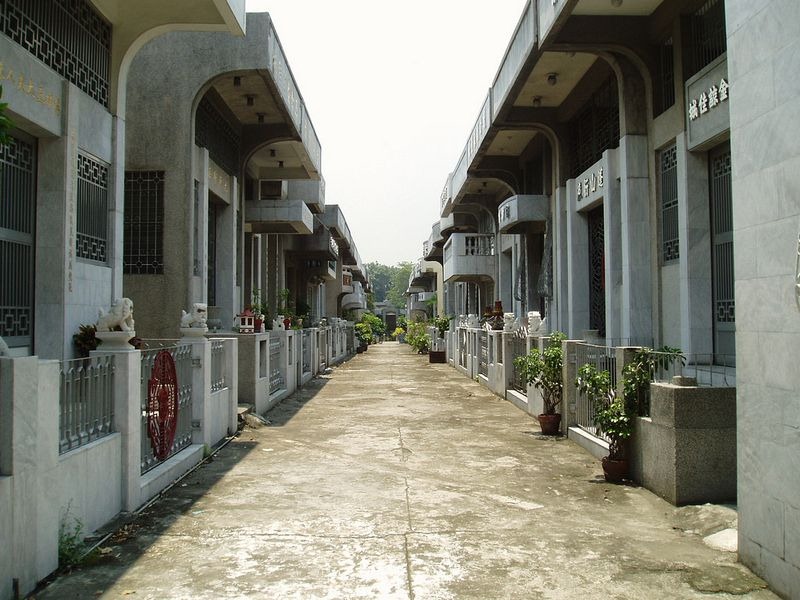
Manila’s prominent Chinese heritage is not just limited to Chinatown because adjacent to Rizal Park is another important piece of the city’s cultural heritage.
By the 19th century, Manila had a large and wealthy Chinese merchant community. Many were excluded from Catholic burial grounds unless they converted, which led to the establishment of the separate 📍Chinese Cemetery for their community in the 1850s.
Because many of the families buried here were quite wealthy, the cemetery developed with unusually elaborate tombs and mausoleums, some as large as a small house.
Today, the wide streets and grand family mausoleums give the cemetery a distinctive character that feels closer to a quiet residential district than a traditional burial ground, making it one of the city’s most unique heritage sites.
10 | National Museum Complex
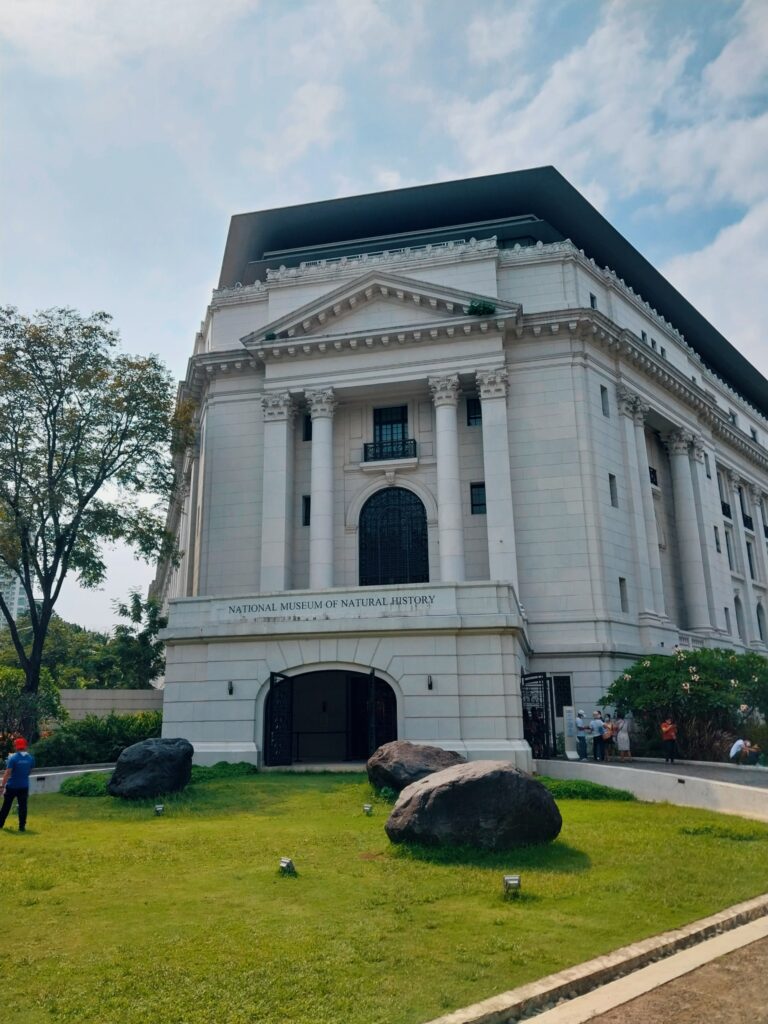
A visit to the National Museum of the Philippines is one of the best ways to add some context to the other historical sites you’ll be visiting.
The complex is made up of 3 main museums located beside Rizal Park: the 📍National Museum of Fine Arts, 📍National Museum of Anthropology, and 📍National Museum of Natural History.
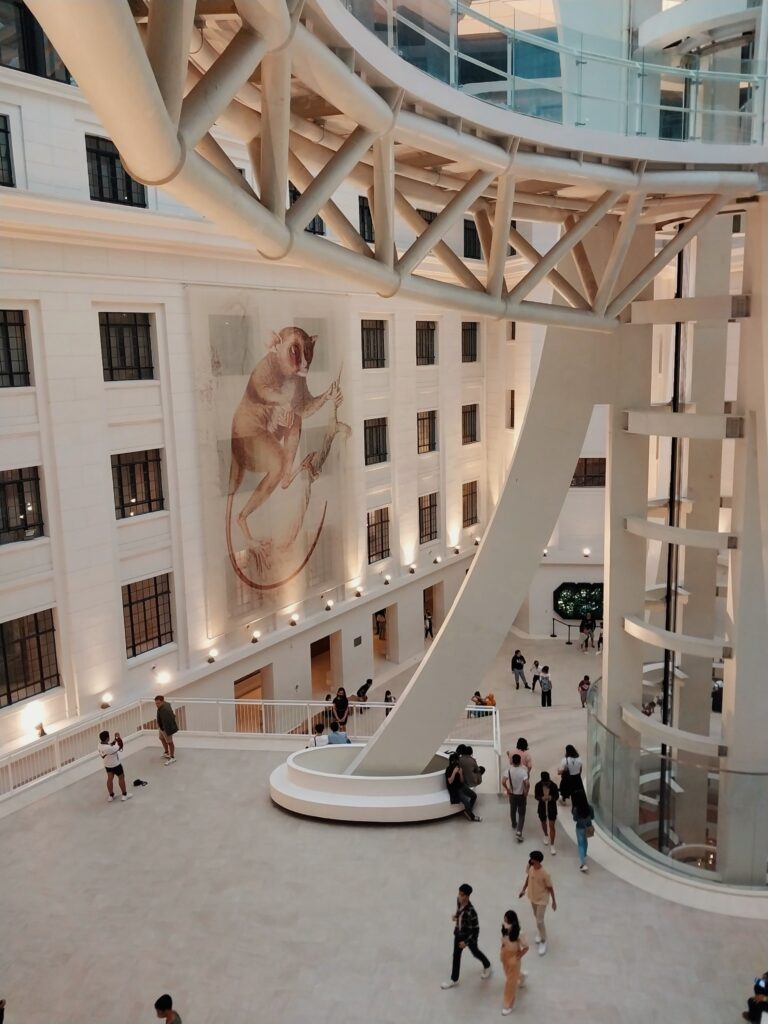
Together they cover different parts of the country’s story, from pre-colonial cultures and archaeology to colonial-era art and the natural history of the archipelago.
As most historical sites in Manila are from the colonial period, a visit to the anthropology museum is great way to learn more about the Philippines before the Spanish colonisation.
11 | Baluarte de San Diego
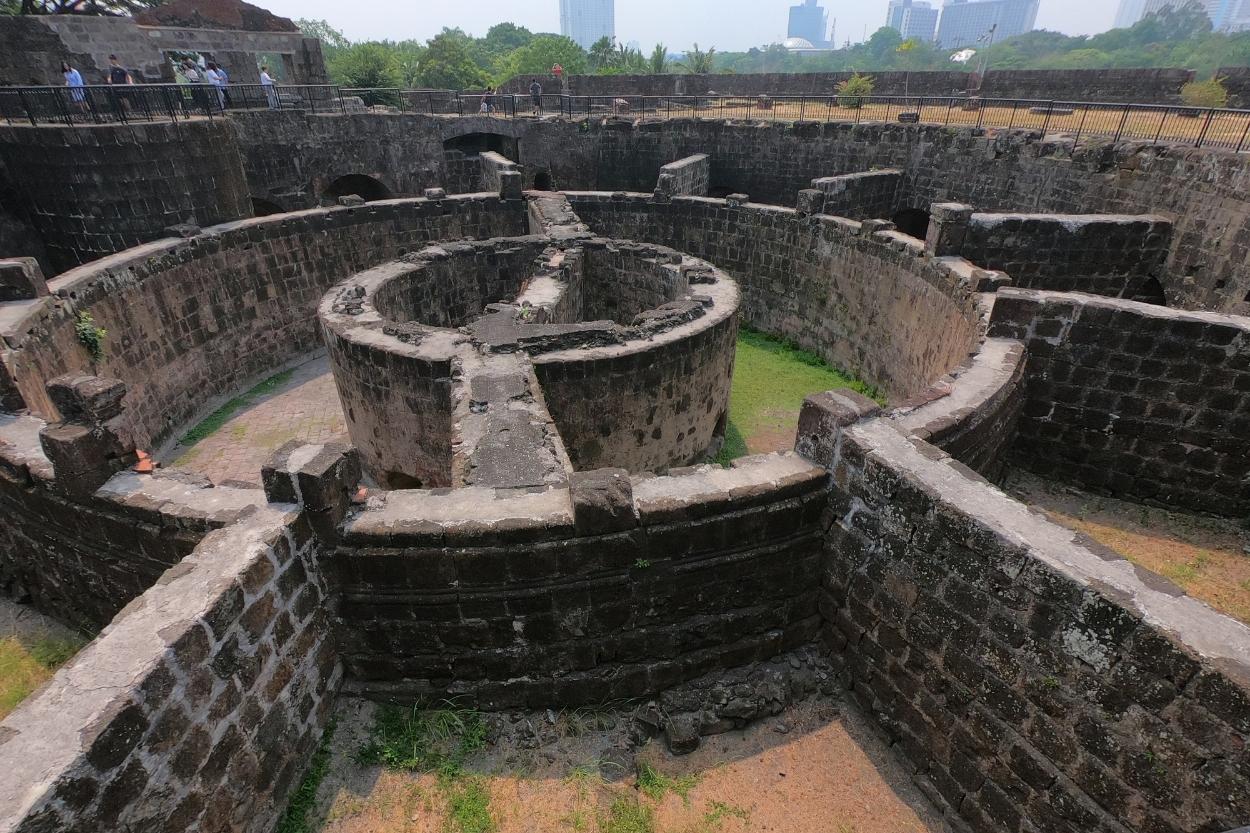
In the south-west corner of the Intramuros fortifications lies the ruins of 📍Baluarte de San Diego, a tower and bastion which was once used to defend the coastline next to Intramuros.
The site began as a watchtower built by the Spanish in the late 16th century, before later being incorporated into a larger stone fort used defend Manila’s coast.
The circular remains of that original tower are still visible today, surrounded by the later fortification walls.
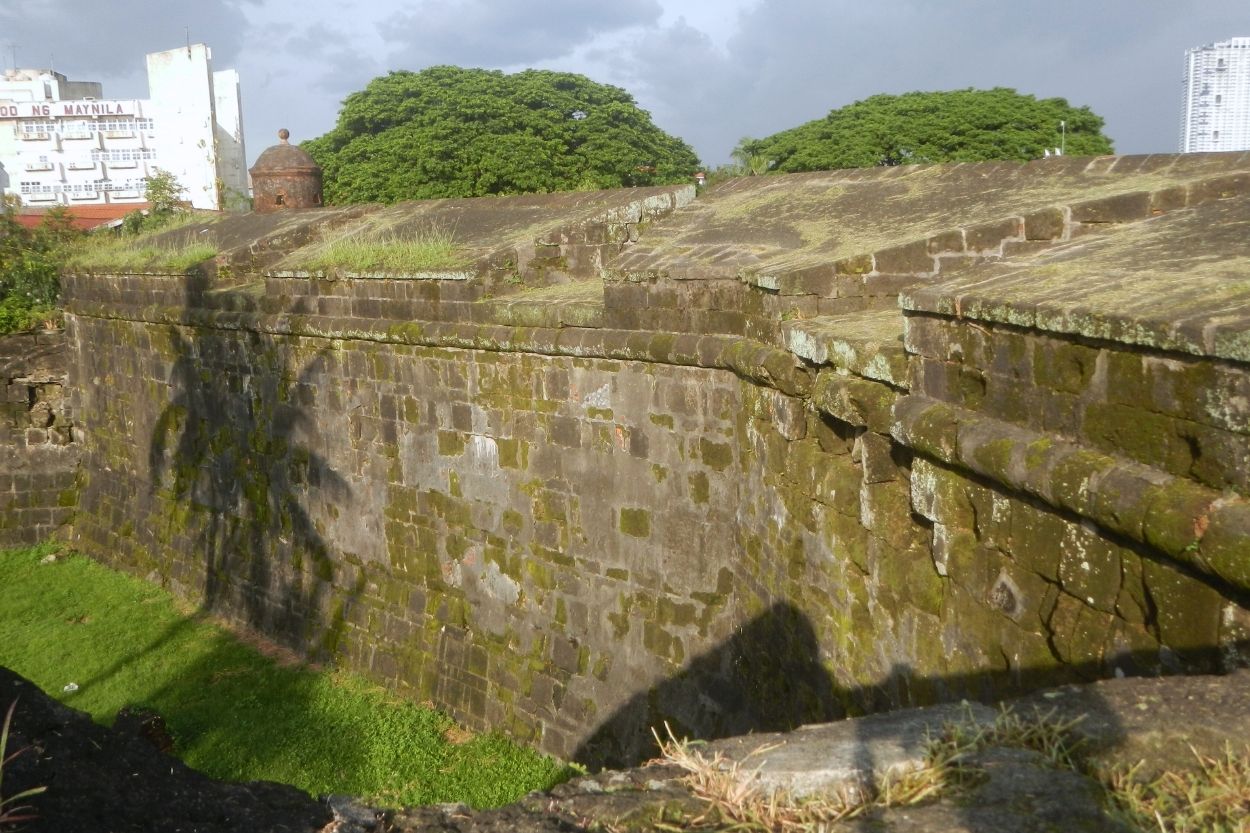
Like much of Manila’s colonial infrastructure, the bastion saw repeated damage from war and natural disasters, including the British attack on the city in the 18th century and later earthquakes.
After being buried for many years, the structure was excavated and restored in the 20th century, and now stands as an interesting piece of military history inside Intramuros.
12 | Arch of the Centuries
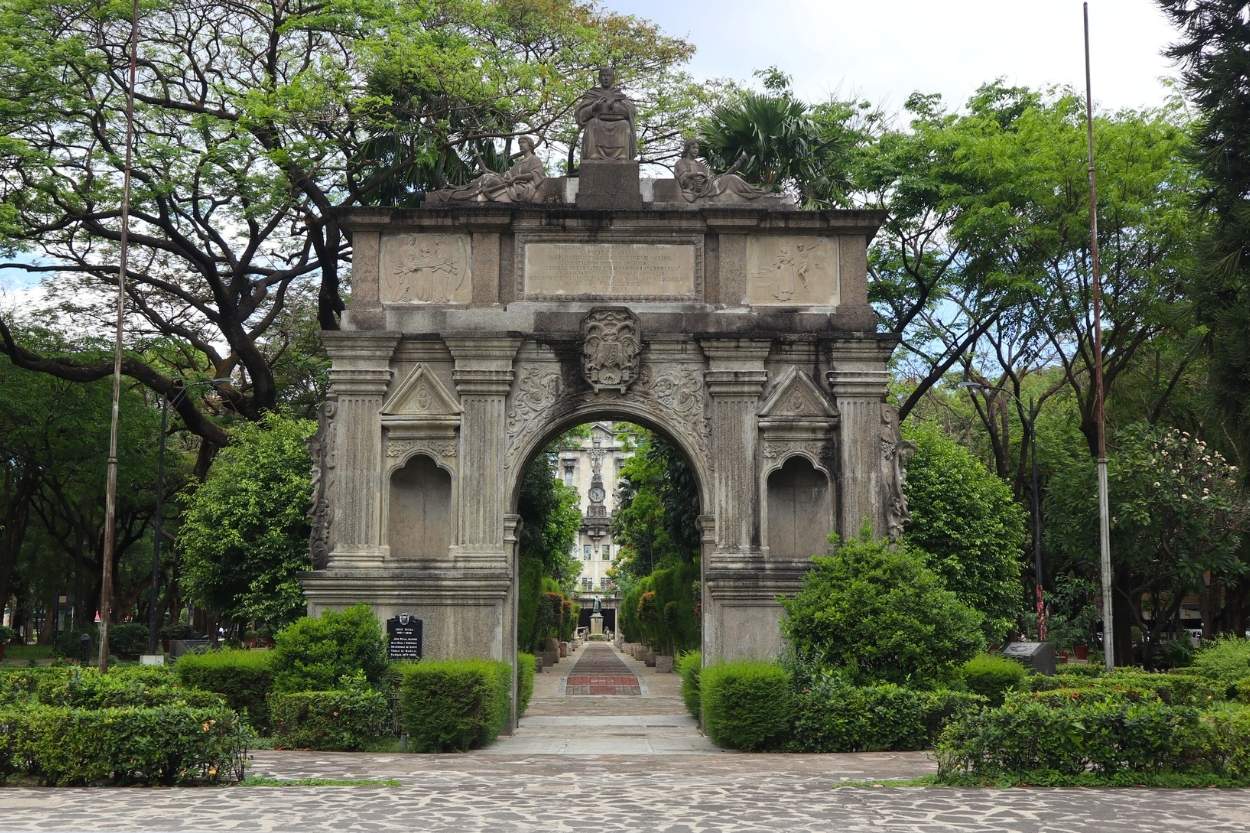
📍Arch of the Centuries stands at the entrance to University of Santo Tomas, considered to be the oldest existing university in Asia.
The arch was first built in the 17th century, when the university was still located inside Intramuros.
When the university later moved to its present campus in Sampaloc, the arch was carefully dismantled and transferred stone by stone before being rebuilt at the new site.
Its triumphal-style design makes it one of the most recognisable historic structures on campus, and it is worth checking out if you visit the historic university.
Further reading on the Philippines
Here are more guides on the Philippines to help you plan your trip:
⬤ If you’re visiting the historic city of Cebu during your time in the Philippines, check out: The 10 Best Historical Sites in Cebu.
Disclosure: This post may contain affiliate links.